How To Grow Plants Year Round Indoors: Foolproof Guide 2026
Use quality grow lights, stable temperature, steady humidity, and consistent watering and feeding.
You can master how to grow plants year round indoors with a simple, proven setup. I’ve spent years testing lights, soils, and schedules in small apartments and busy offices. This guide shares what actually works, step by step, so you can keep herbs, greens, and even fruiting crops thriving in any season.
Your indoor growing formula: light, temperature, humidity, and airflow
Healthy plants need the same core conditions, no matter the season. When people ask how to grow plants year round indoors, I point to these four pillars. Dial them in once, and your care becomes easy.
- Light: Aim for bright, consistent light. Provide 12 to 16 hours daily with a timer.
- Temperature: Keep most plants at 65 to 75°F during the day and 60 to 68°F at night.
- Humidity: Hold 40 to 60%. Use a small humidifier in winter and a dehumidifier if air feels sticky.
- Airflow: Run a gentle fan to prevent mold and strengthen stems.
If you want numbers, low-light houseplants do well with lower light levels. Herbs and greens like medium light. Fruiting plants need stronger light. If leaves stretch and look pale, give more light or move lights closer.
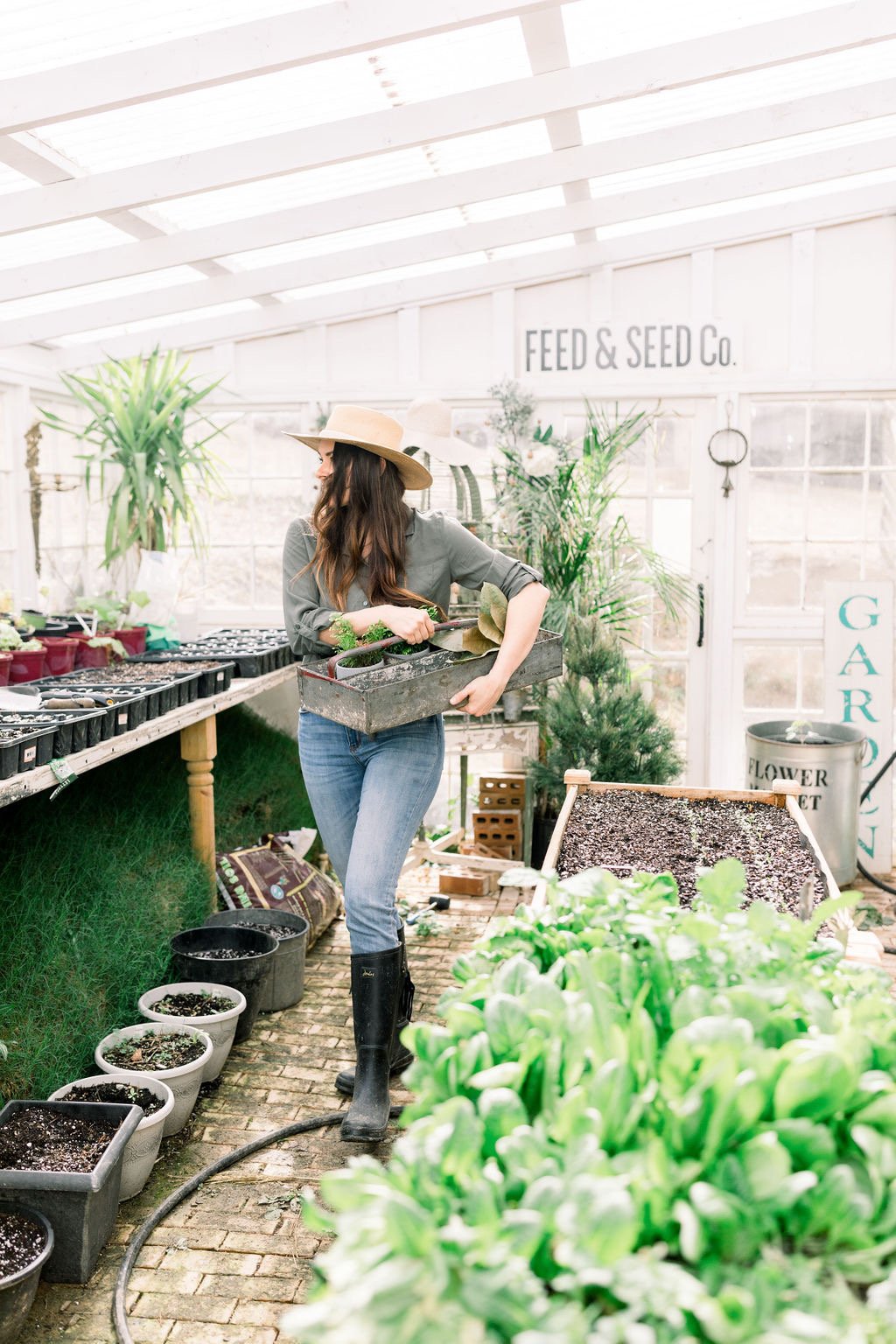
Choose plants that thrive indoors all year
Pick plants that match your space and light. This is the easiest way to win at how to grow plants year round indoors.
- Leafy greens: Lettuce, arugula, kale, and spinach grow fast and do not need intense light.
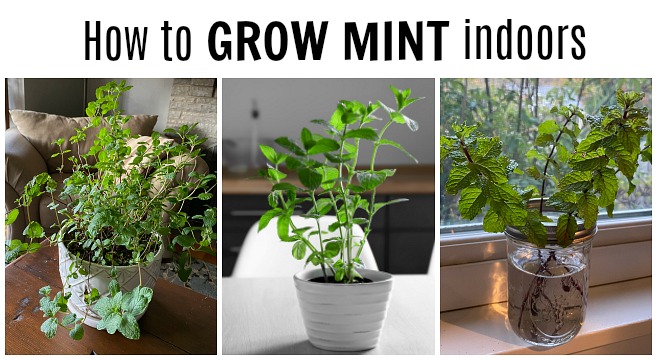
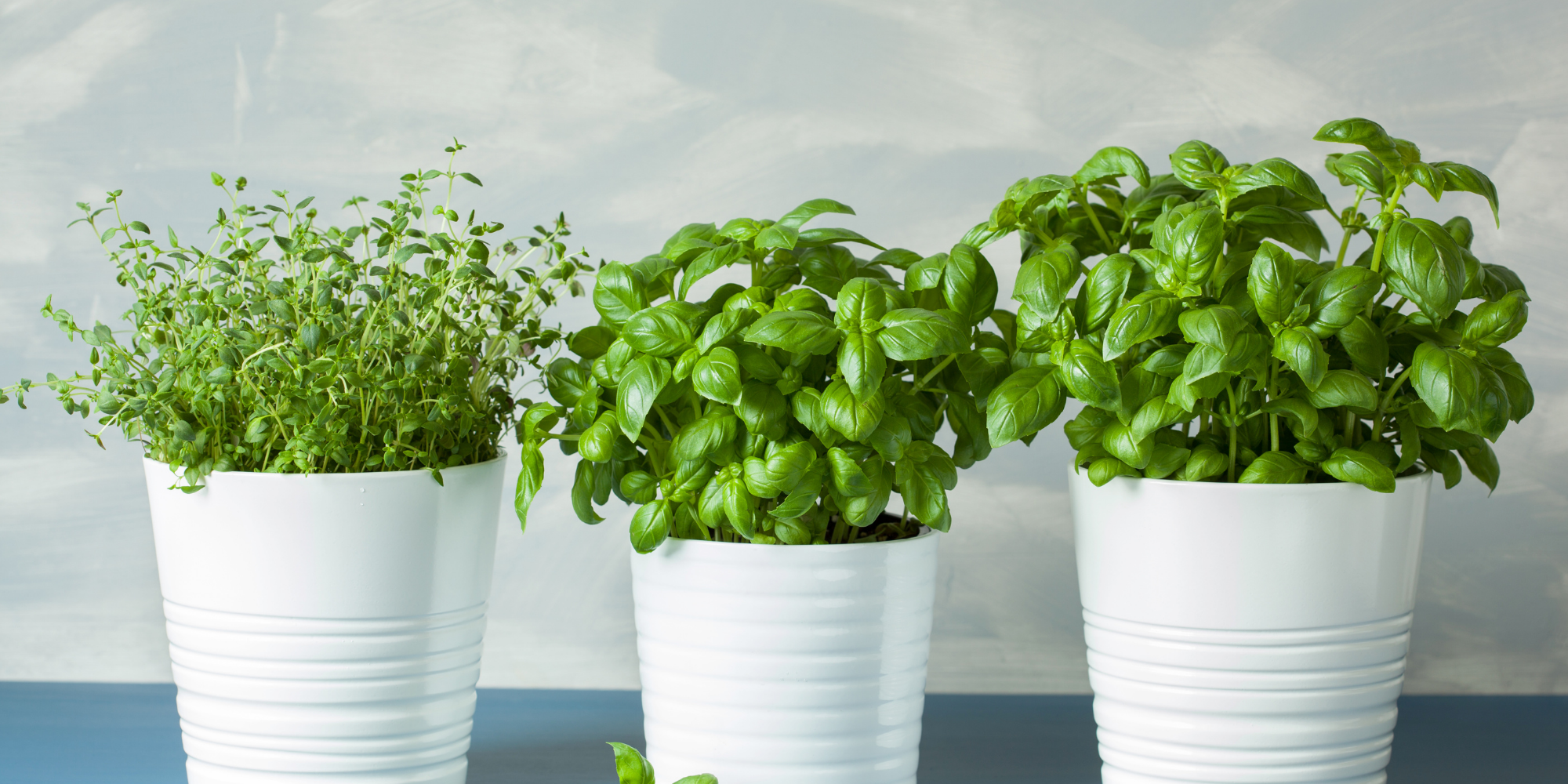
- Herbs: Basil, mint, chives, cilantro, parsley, dill, thyme, and oregano are dependable.
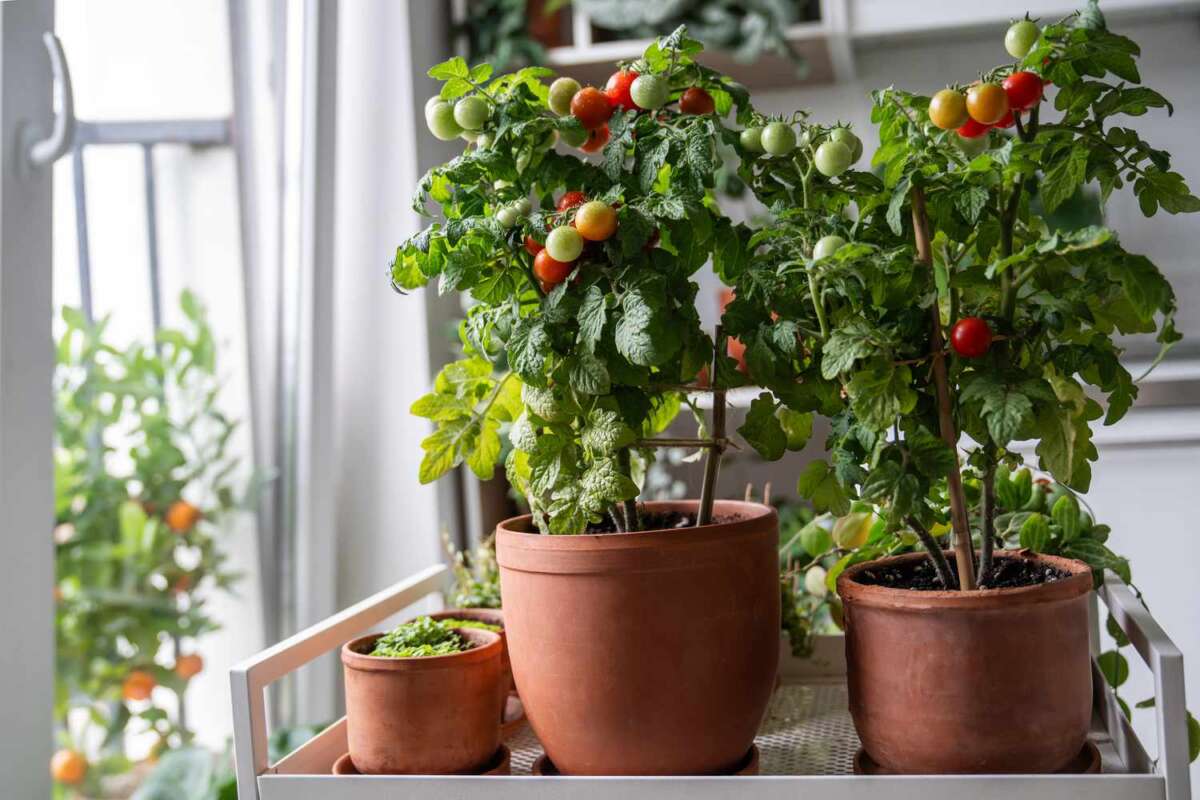
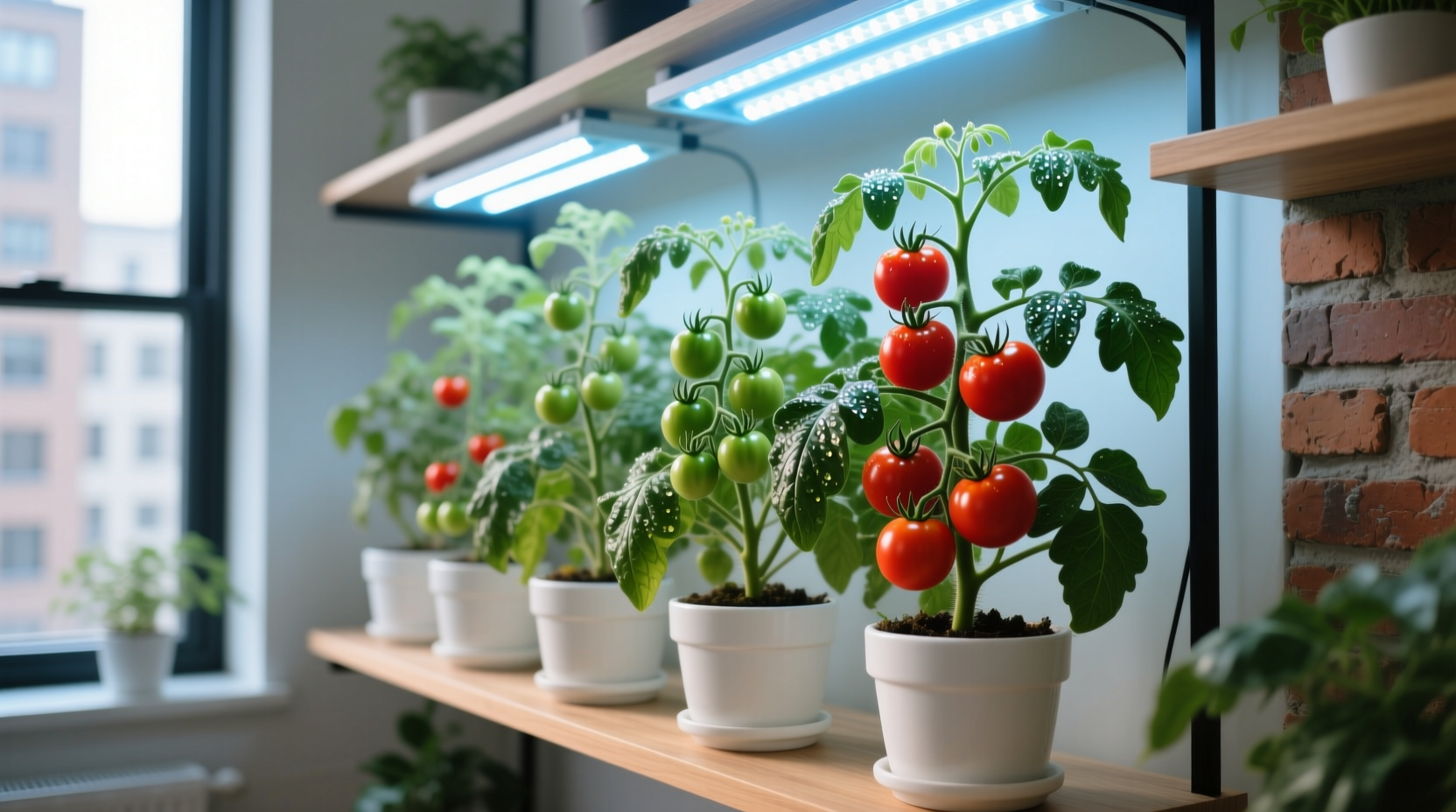
- Compact fruiting plants: Dwarf tomatoes, peppers, and strawberries can fruit indoors with strong light.
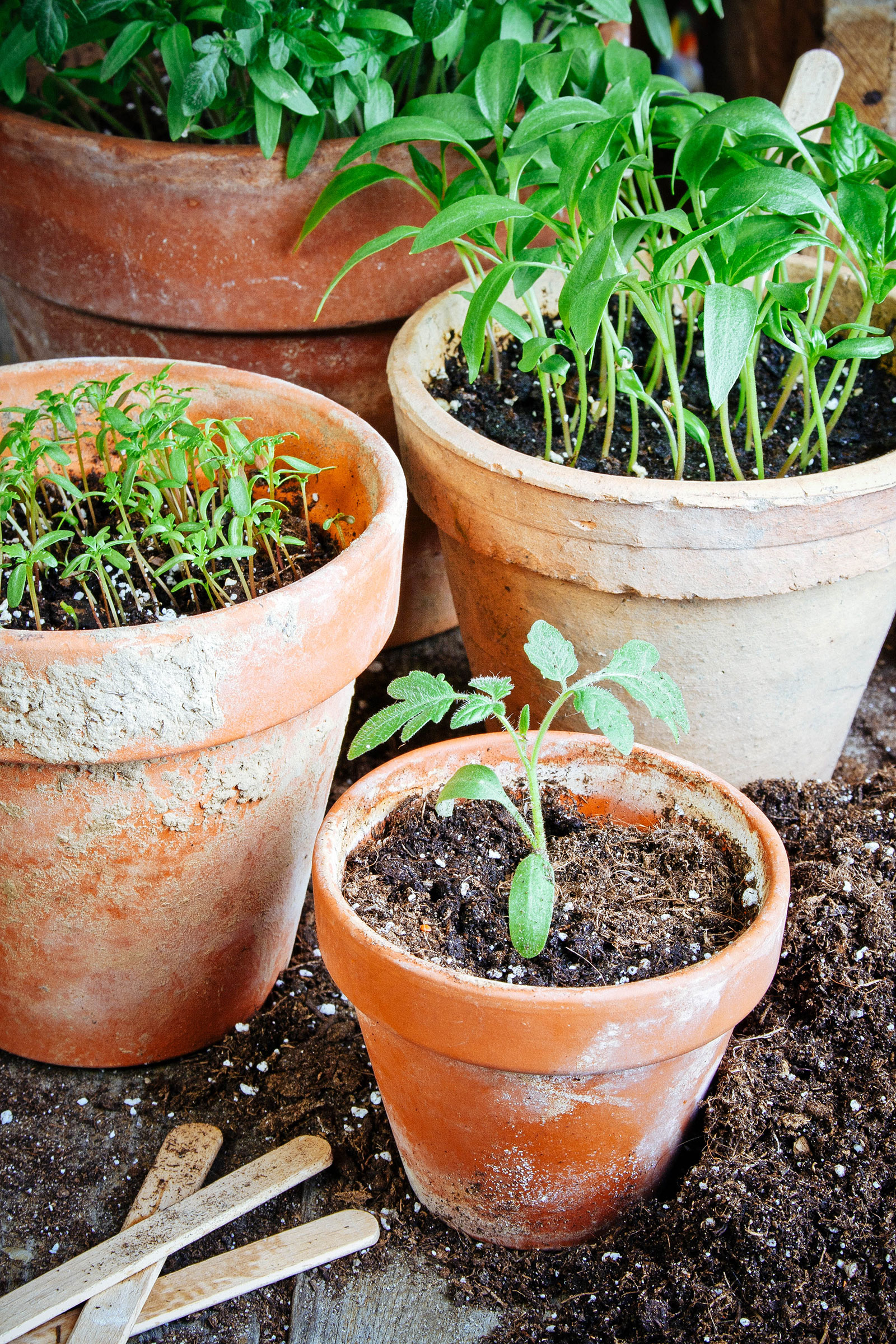
- Microgreens: Radish, broccoli, pea shoots, and sunflower offer quick harvests in 7 to 14 days.
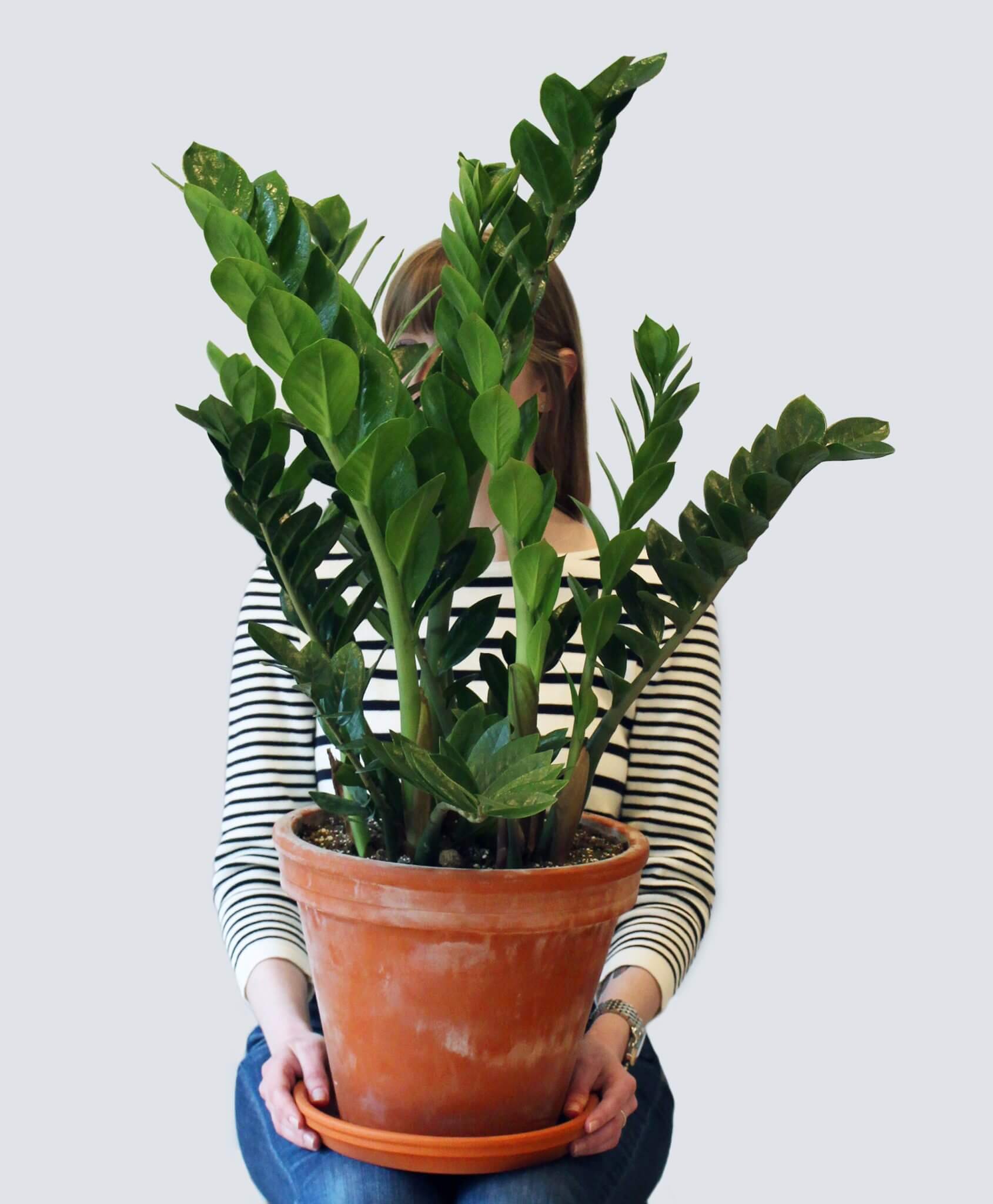
- Easy houseplants: Pothos, snake plant, spider plant, peace lily, ZZ plant, and philodendron.
- Specialty: Dwarf citrus and chili peppers if you have bright lights and patience.
Personal note: I always keep a “salad shelf” with basil, chives, and cut-and-come-again lettuce. I sow a small tray every week so I never run out.
Master indoor light without guesswork
Light is your engine. Good LEDs make how to grow plants year round indoors far easier.
- Light type: Full-spectrum LEDs run cool, save power, and support growth from seed to harvest.
- Duration: Greens and herbs prefer 12 to 16 hours. Fruiting plants often need 14 to 16 hours.
- Distance: Start lights 12 to 18 inches above greens and 18 to 24 inches above fruiting plants.
- Placement: Keep lights centered over the canopy. Raise or lower as plants grow.
- Timer: Use a cheap plug-in timer to lock in a daily rhythm.
Watch the plants. If stems stretch and leaves look thin, they want more light. If leaves bleach or curl, raise the light. Even lighting prevents leggy growth.
Potting mix, containers, and drainage
Your container and mix control roots, water, and air. Good roots make strong plants.
- Potting mix: Use a peat- or coco-based mix with perlite for drainage. Avoid garden soil.
- Containers: Choose pots with drainage holes. Fabric pots keep roots airy and reduce overwatering.
- Self-watering planters: Great for busy weeks. Keep the reservoir clean and avoid soggy soil.
- Sanitation: Rinse and disinfect pots between uses to prevent pests and disease.
For herbs and greens, I like a light, airy mix. For fruiting plants, add a bit more compost or slow-release organic fertilizer. Keep it fluffy, not compact.
Water, nutrients, and pH made simple
Consistent moisture is key to how to grow plants year round indoors. Your goal is even, not wet.
- Watering: Water when the top inch feels dry. Lift the pot; a light pot needs water.
- Drainage: Water until a little drains out. Empty saucers so roots do not sit in water.
- Nutrients: Use a balanced liquid fertilizer at half strength every 1 to 2 weeks for herbs and greens. Fruiting plants need more during bloom and fruit set.
- pH: Keep potting mix near 6.0 to 6.8. If leaves yellow between veins, check pH and iron levels.
If your tap water leaves white crust on pots, switch to filtered or let water sit overnight to off-gas chlorine. Rinse soil with plain water monthly if you feed often.

Keep pests and diseases under control
Prevention beats cure. A clean setup makes how to grow plants year round indoors less stressful.
- Quarantine: Keep new plants separate for two weeks.
- Inspect: Check leaf undersides weekly for spots, webs, or sticky residue.
- Tools: Use yellow sticky cards to monitor fungus gnats and whiteflies.
- Treatments: Start with gentle methods like insecticidal soap or neem oil. Repeat weekly until clear.
- Air and space: Give plants room and airflow to prevent powdery mildew.
I learned the hard way that overwatering invites fungus gnats. Let the top inch dry, add a layer of sand or diatomaceous earth, and use sticky cards until they are gone.

Plan for all seasons indoors
Even indoors, seasons affect light and air. Here is how to grow plants year round indoors by adjusting small things.
- Winter: Short days and dry air. Lower light height, increase light hours, and use a humidifier.
- Spring: Plants grow faster. Up-pot seedlings and refresh nutrients.
- Summer: Rooms get hot. Raise lights a bit and increase airflow. Water a little more.
- Fall: Light fades. Start new greens and microgreens. Reduce water as growth slows.
I set my timer to 16 hours in winter and 14 hours in summer. That small tweak keeps growth steady.
Smart spaces: shelves, windows, and small tents
Create microclimates and your results jump. This is a secret to how to grow plants year round indoors with limited space.
- Wire racks: Add LED bars under each shelf for a compact vertical garden.
- Windows: South-facing windows work for low-light plants, but use a light boost in winter.
- Grow tents: Great for fruiting crops. Control light leaks, heat, and humidity in one box.
- Reflective surfaces: Use white walls or reflective film to bounce light back to leaves.
- Safety: Use surge protectors, keep cords off the floor, and avoid overloading outlets.
A simple shelf with two LED bars can supply greens for a family of two with room to spare.
Propagation and succession for non-stop harvests
Stagger your starts so something is always ready. This strategy is core to how to grow plants year round indoors.
- Sow small batches of lettuce and arugula every 7 to 14 days.
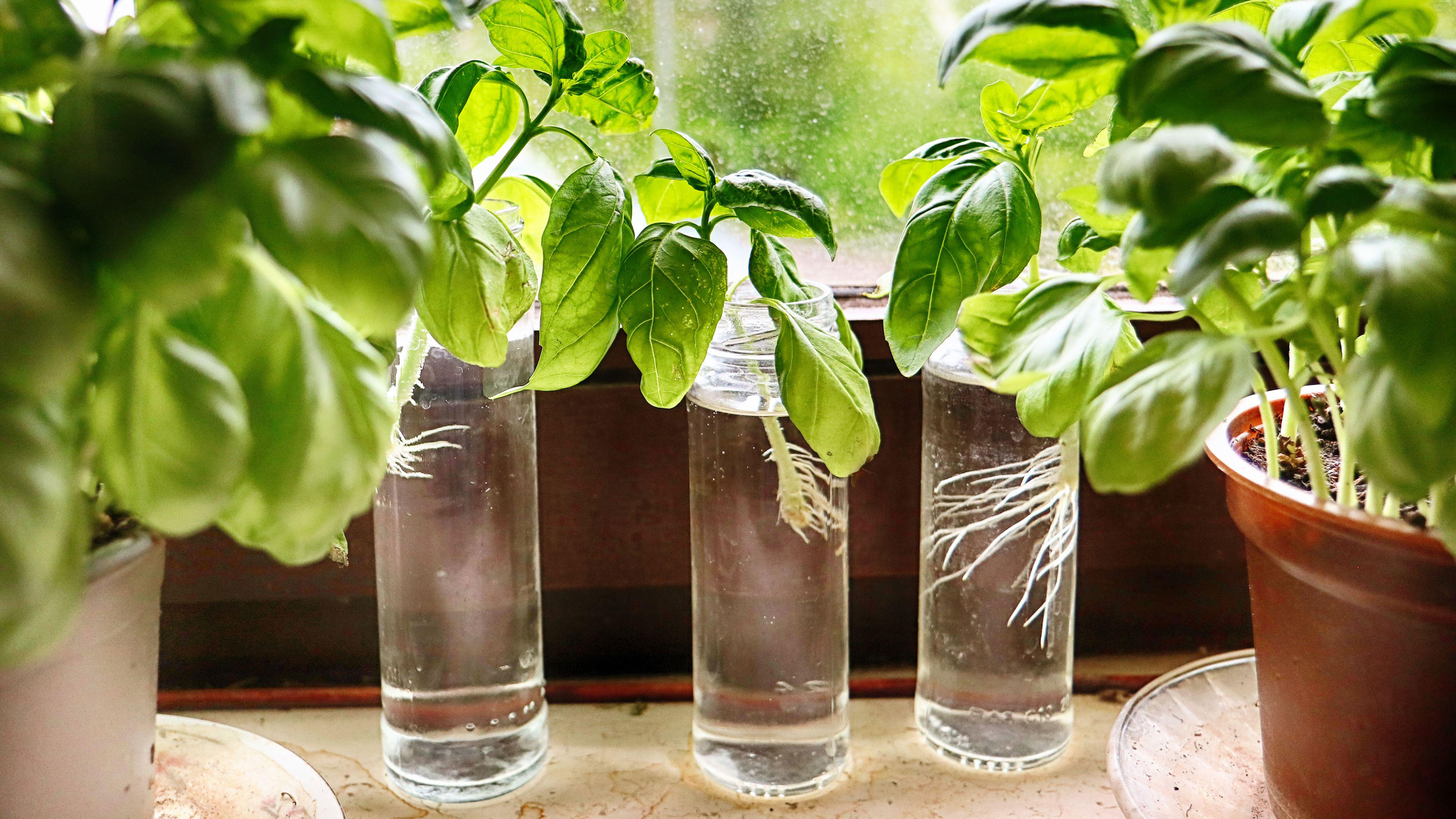
- Take cuttings of basil, mint, and rosemary to replace tired plants.
- Start new peppers or tomatoes while current plants are fruiting.
- Refresh potting mix each cycle to avoid salt build-up.
I keep a small bin with labels, scissors, and a seed calendar. Five minutes a week keeps the cycle smooth.
Troubleshooting: quick fixes to common problems
Use these fast checks before making big changes. Troubleshooting is part of how to grow plants year round indoors.
- Leggy, pale growth: Increase light, lower lights, or extend light hours.
- Yellow leaves: Check watering first, then nutrients and pH.
- Brown tips: Often low humidity or salt build-up. Increase humidity and flush soil.
- Slow growth: Cool temps or old soil. Warm the room and refresh nutrients.
- Powdery mildew: Increase airflow, reduce crowding, and treat leaves with a gentle fungicide.
If a plant keeps declining, cut your losses. Compost it, clean the pot, and start fresh.
Budget and gear checklist
You do not need fancy gear to start. Here is a smart kit for how to grow plants year round indoors.
- Essentials: Full-spectrum LED light, timer, fan, quality potting mix, pots with drainage, and a small watering can.
- Nice-to-have: Humidifier, moisture meter, sticky traps, self-watering planters, and a compact grow tent for fruiting crops.
- Ongoing: Seeds, liquid fertilizer, and fresh mix every few months.
Start small. One shelf, one light, and three herbs can teach you 80% of what you need.
Frequently Asked Questions of how to grow plants year round indoors
How many hours of light do indoor plants need?
Most herbs and greens need 12 to 16 hours of light daily. Fruiting plants often do best with 14 to 16 hours.
Can I use regular LED bulbs instead of grow lights?
You can grow small herbs with bright household LEDs if they are close. For better yields, full-spectrum grow lights work best.
What temperature is ideal for indoor plants?
Most plants like 65 to 75°F during the day and a slight drop at night. Avoid swings larger than 10°F in one day.
How do I stop fungus gnats?
Let the top inch of soil dry, use sticky traps, and improve airflow. A thin layer of sand or a soil drench with safe treatments can help.
Do I need to adjust care by season indoors?
Yes, but only a little. Increase light hours and humidity in winter, and boost airflow and watering in summer.
What is the easiest way to start herbs indoors?
Use a small LED panel, a timer, and a good potting mix in 6-inch pots. Start with basil, chives, and mint for quick wins.
Conclusion
You can learn how to grow plants year round indoors with a steady routine and a simple setup. Focus on light, stable temperature, right moisture, and gentle airflow. Choose plants that match your space and rotate small batches so your harvest never stops.
Start this week with one shelf, one light, and three herbs. Then add greens or a compact tomato as you gain confidence. If this guide helped, subscribe for more tips, share your setup, or ask a question so we can grow better together.

Laura Bennett is a gardening writer at MyGardenLabs who creates beginner-friendly guides focused on solving common plant care and gardening problems.