How To Grow Food At Home For Beginners: Easy Guide 2026
Start small with pots, good light, rich soil, and water on schedule.
You can master how to grow food at home for beginners with simple steps and smart choices. I have coached many first-time growers, and I’ve grown food on balconies, patios, and small yards. In this guide, I share what works, what wastes time, and how to get food fast without stress.
Start with a simple plan
Keep it easy for your first season. Pick one sunny spot, three to five crops you like to eat, and a weekly care routine. This keeps costs low and wins high.
When I teach how to grow food at home for beginners, I suggest a 15-minute habit. Check soil, water, and remove dead leaves. This small routine prevents most problems.
Set a clear goal. It can be fresh herbs for daily use or salad greens for lunch. Goals help you stay on track and enjoy the process.

Light and location
Most food crops need 6 to 8 hours of sun. Track the sun in your space for one day. South-facing areas get the most light. East light is gentle and good for greens and herbs. West light is hot and can dry pots fast.
If you ask how to grow food at home for beginners in shade, focus on leafy greens and herbs. Avoid fruiting crops that crave full sun. Use reflective surfaces to bounce light if needed.
Tips for better light:
- Place pots on mobile stands to chase the sun.
- Trim nearby branches that block light.
- Use a simple light meter app to measure hours.

Soil and potting mix basics
Good soil is the core of plant health. For containers, use a high-quality potting mix, not garden soil. It drains well and keeps roots happy. For beds, mix in compost before planting.
A proven beginner blend for pots:
- 60% peat-free potting mix or coco coir blend
- 30% compost
- 10% perlite for airflow
If your goal is how to grow food at home for beginners without headaches, invest in soil first. Plants in rich, airy soil grow fast and resist stress. Top up compost every month for steady nutrients.

Containers, raised beds, or ground
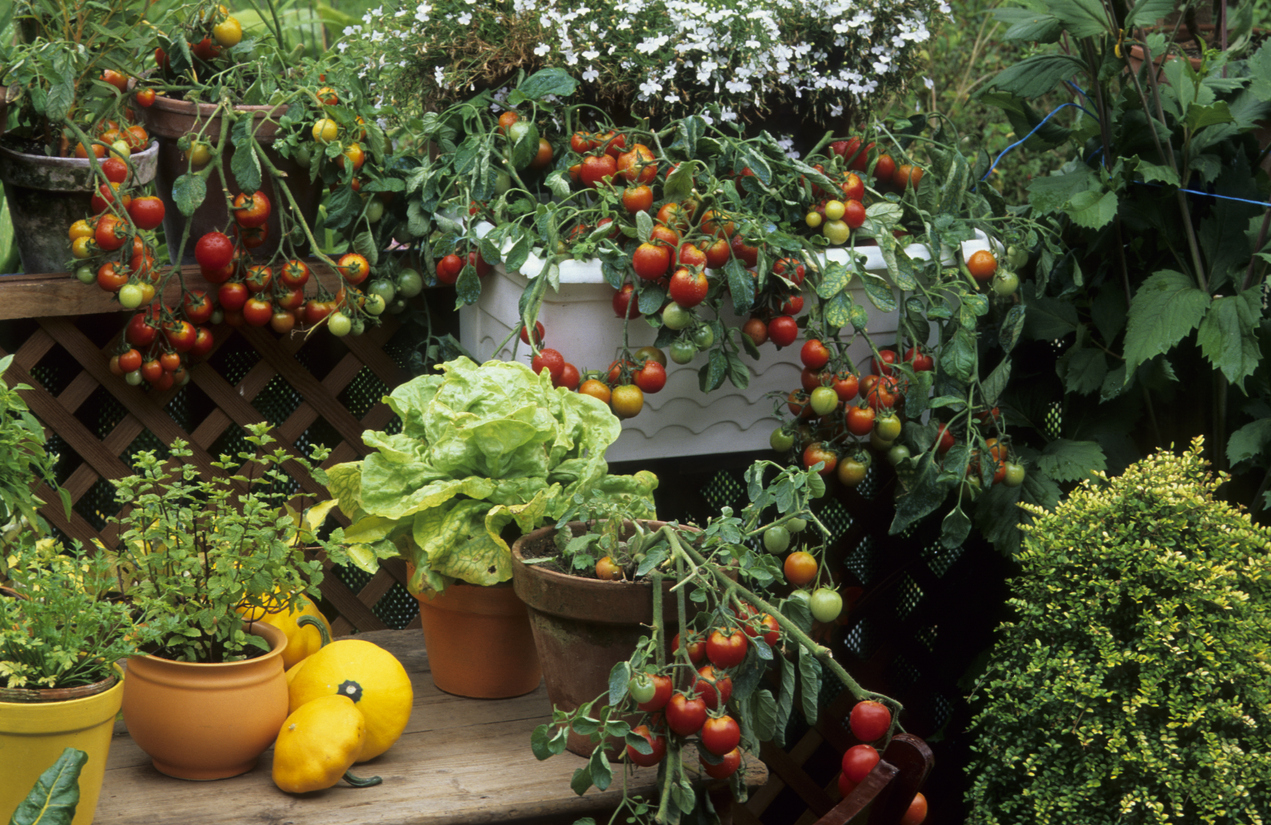
Containers are easy and flexible. Start with 5 to 10-gallon pots for tomatoes, peppers, and eggplant. Use 1 to 3-gallon pots for herbs and greens. Make sure pots have drainage holes.
Raised beds warm up fast and drain well. Fill with a soil-compost mix. Ground beds work too, but test drainage by filling a small hole with water. If it drains in a few hours, you are good.
For anyone learning how to grow food at home for beginners, containers give fast wins. They need less weeding and allow better control.

What to grow first
Pick easy, fast crops. Grow what you love to eat. Start with these beginner stars:
- Leafy greens: lettuce, spinach, arugula, kale. Ready in 25 to 45 days.
- Herbs: basil, mint, chives, parsley, cilantro. Cut and come again.
- Bush beans: low care and tasty. Ready in 50 to 60 days.
- Radish: very fast. Often 25 days.
- Cherry tomatoes: more forgiving than big slicers.
If you wonder how to grow food at home for beginners with limited time, plant greens and herbs. They grow fast and give quick wins. Add one fruiting crop once you feel ready.
Watering made easy
Plants prefer deep, less frequent water. Stick your finger one inch into the soil. If it feels dry, water. If it is moist, wait a day. Water early in the morning to reduce loss from heat.
Pots dry faster than beds. Expect to water pots daily in heat. In mild weather, every two to three days is fine. For how to grow food at home for beginners, use a simple rule: slow pour until water runs from the bottom of the pot.
Smart tips:
- Use mulch on top of soil to hold water.
- Group pots by water needs.
- Add a self-watering insert for extra buffer.

Feeding plants and compost
Plants need steady food. A balanced organic fertilizer, such as something near equal parts of N, P, and K, works well for most crops. Leafy greens enjoy more nitrogen. Fruiting plants need more potassium once they set flowers.
Compost is key in how to grow food at home for beginners. Mix compost into soil at planting. Then side-dress every four weeks. If you can, start a small compost bin or a worm bin. It turns scraps into plant food and cuts waste.
Feeding schedule:
- At planting: mix fertilizer into soil.
- Mid-season: add a light dose.
- After heavy harvests: add compost to refresh soil life.
Pests and diseases: prevention first
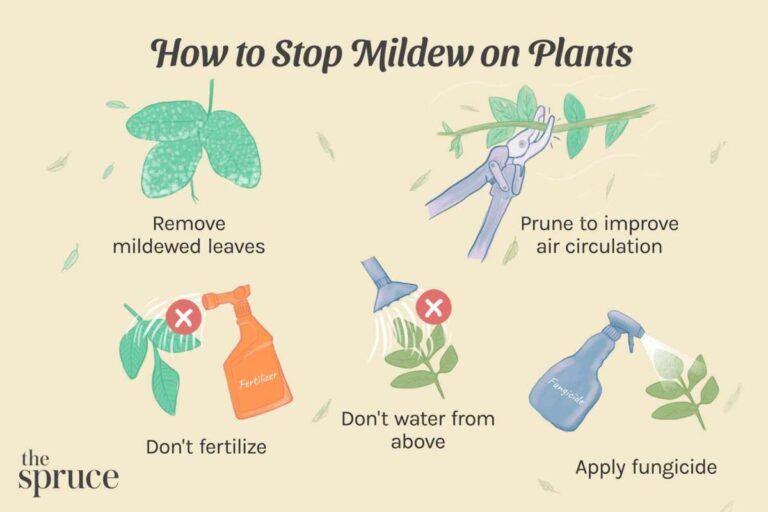
Healthy plants resist pests. Give them sun, air flow, and clean tools. Space plants so leaves can dry fast after watering. Remove dead leaves to reduce disease.
Use simple, safe controls:
- Hand-pick pests early in the morning.
- Spray with soapy water for soft-bodied pests.
- Use row covers for seedlings and greens.
- Attract ladybugs and lacewings with flowers.
When people ask how to grow food at home for beginners without chemicals, I say act early. Check plants every two days. Small problems are easy to fix. Large outbreaks are not.

Indoor options: herbs, sprouts, and microgreens
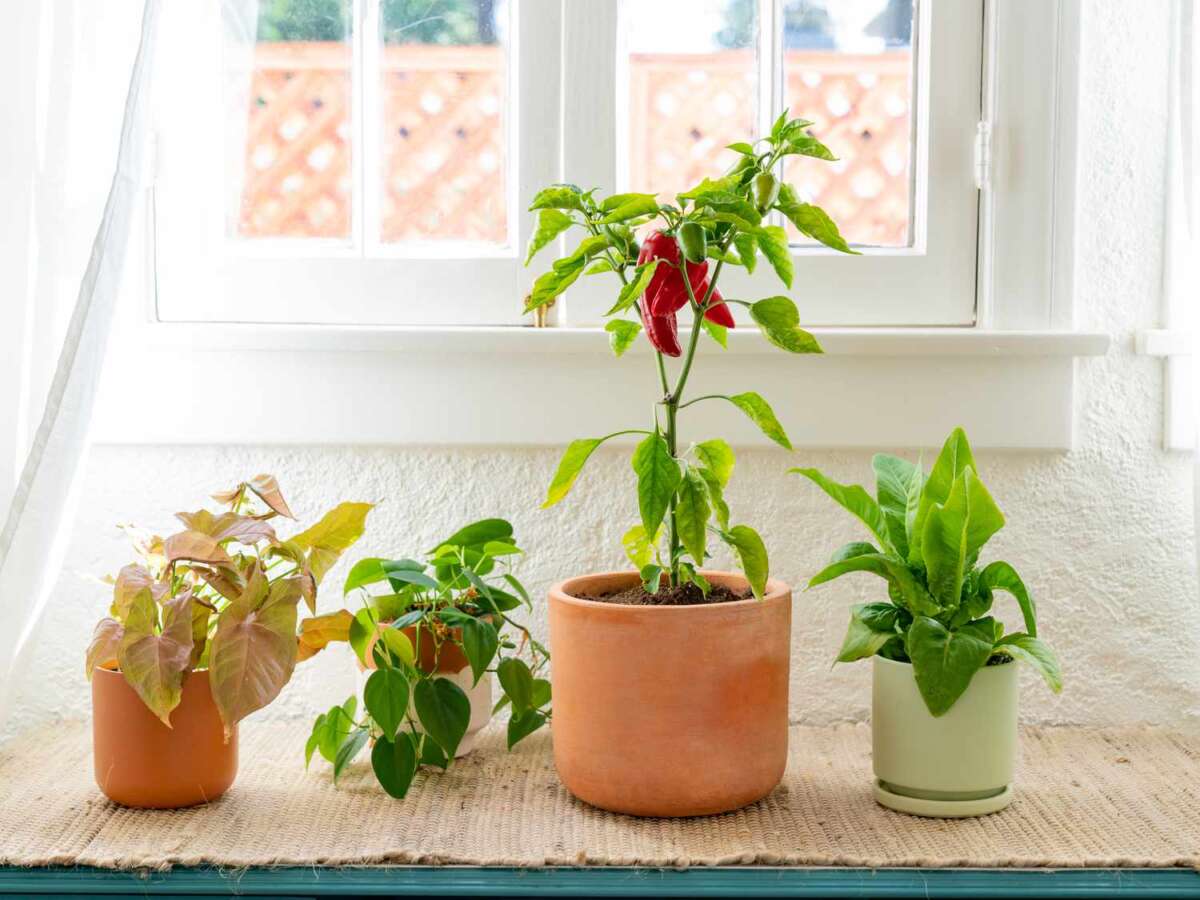
No yard? No problem. Herbs thrive on a bright sill. Mint, chives, and parsley are very forgiving. Basil likes warm rooms and steady light. Turn pots each week so they grow even.
Sprouts and microgreens are the fastest way to eat from home. No soil for sprouts, and only shallow trays for microgreens. They are rich in flavor and ready in days.
This is the easiest entry into how to grow food at home for beginners in apartments. You only need jars, trays, seeds, and a sunny spot or a simple LED grow light.
Planting calendar and succession
Time your crops for steady harvests. Cool season crops, like lettuce and peas, like spring and fall. Warm season crops, like tomatoes and peppers, need late spring and summer.
Try this simple plan:
- Sow quick greens every two weeks for a steady supply.
- Plant beans after your last frost date.
- Follow beans with fall greens as summer heat eases.
A basic calendar boosts success in how to grow food at home for beginners. It helps you avoid planting the wrong crop at the wrong time.
Tools and budget
Start small. You do not need fancy gear. A few good tools go a long way:
- Hand trowel and pruners
- Watering can or hose with a gentle nozzle
- Gloves and a kneeling pad
- Quality potting mix and compost
- A simple soil moisture meter, if you want backup
I learned this the hard way. I bought many tools I never used. Spend on soil and light first. That is the smart path for how to grow food at home for beginners.
Harvest, store, and use
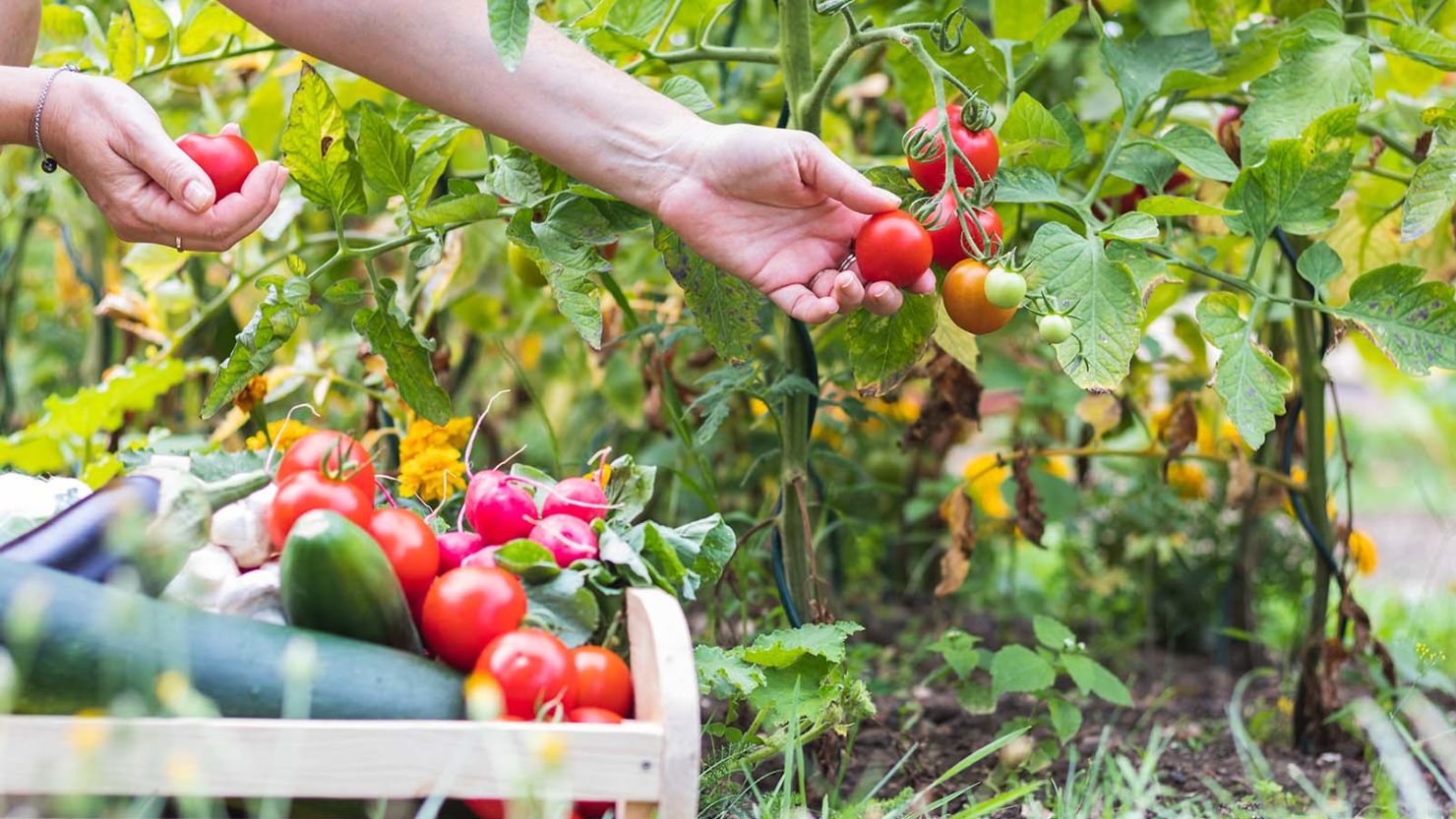
Pick greens in the cool morning. Snip outer leaves and let the center keep growing. Harvest herbs before they flower for top flavor. For tomatoes, pick when they yield to a gentle squeeze.
Store greens dry in a box with a towel. Keep herbs in a jar with water, like flowers. Use your harvest within a week for best taste.
These habits close the loop in how to grow food at home for beginners. You grow, harvest, store, and enjoy with less waste.
Troubleshooting quick fixes
Leaves yellowing? Often it is overwatering or a need for nitrogen. Check soil moisture. Feed with a gentle liquid feed if needed.
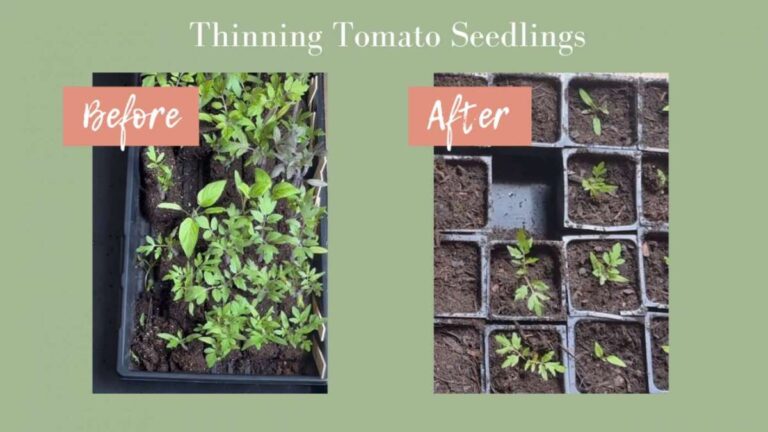
Leggy seedlings? They need more light. Move them to a brighter spot or use a light. Short, strong plants are the goal.
Blossoms drop on tomatoes? Heat or water stress is common. Keep soil evenly moist. Provide afternoon shade in extreme heat.
These are common pain points in how to grow food at home for beginners. Small tweaks fix most of them fast.
Frequently Asked Questions of how to grow food at home for beginners
What is the easiest crop to start with?
Lettuce and herbs are the easiest. They grow fast, need little space, and forgive mistakes.
How many hours of sun do I need?
Aim for 6 to 8 hours for fruiting crops. Greens and herbs can manage with 4 to 6 hours.
How often should I water?
Water when the top inch is dry. In hot weather, pots may need daily water. In cool days, every two to three days is fine.
Do I need fertilizer if I use compost?
Compost feeds soil life and adds slow nutrients. A light, balanced fertilizer helps during peak growth and fruiting.
Can I grow food indoors without a grow light?
Yes, if you have a bright window. Herbs, sprouts, and microgreens can thrive, but fruiting plants will need a grow light.
Conclusion
You now have a clear path to plan, plant, water, feed, and harvest at home. Start small, use good soil, track light, and set a simple care routine. These steps work in a yard, on a patio, or on a windowsill.
Pick three crops and begin this week. Keep notes and adjust with each harvest. If this guide helped, subscribe for more tips, ask a question, or share your first harvest story.

Laura Bennett is a gardening writer at MyGardenLabs who creates beginner-friendly guides focused on solving common plant care and gardening problems.