How To Grow Plants From Seeds Successfully: 2026 Guide
Start with fresh seeds, sterile mix, steady warmth, bright light, and patient care.
If you want to know how to grow plants from seeds successfully, you are in the right place. I have started thousands of seeds at home and in greenhouses. I will show you simple, proven steps that work. You will learn what to do, why it works, and how to fix common problems. By the end, how to grow plants from seeds successfully will feel simple and fun.
Choose the right seeds and timing
Start with fresh, high-quality seeds. Check the packed-on date and the germination rate on the packet. Old seeds can still sprout, but they may be slow or weak. I test old seed lots by sprouting 10 seeds on a damp paper towel.
Match crop timing to your climate. Find your last frost date. Count back the weeks on the seed packet. Cool crops like lettuce and kale start 4–6 weeks before frost. Warm crops like tomatoes and peppers need 6–10 weeks and true heat.
Pick varieties that fit your goals. Want early harvests, long storage, or disease resistance? Choose accordingly. When I learned how to grow plants from seeds successfully, picking the right variety was a game changer.

Gather your seed-starting setup
You do not need fancy gear. You do need a few key tools that you can use every season.
- Seed trays or small pots with drainage
- Seed-starting mix that is fine and sterile
- Clear dome or plastic cover for humidity at the start
- Heat mat with a thermostat for even warmth
- LED grow lights (4000–6500K) with a timer
- Labels and a fine marker for every row and pot
- A spray bottle and a small watering can
This simple kit removes guesswork. It makes how to grow plants from seeds successfully far more likely.

Prepare the mix and containers
Use a sterile seed-starting mix. Do not use garden soil. It holds too much water and can carry disease. Moisten the mix until it feels like a wrung-out sponge.
Clean and rinse used trays and pots. A quick soak in soapy water works. Fill containers and tap gently to settle the mix. Pre-wet the cells before you sow so water does not float seeds away.
Some seeds need prep. Peas and nasturtiums sprout faster after a short soak. Some perennials need cold hours, called stratification. That step copies winter. Extension guides note that milkweed and lavender sprout better after this chill step. These small tweaks help you master how to grow plants from seeds successfully.
Sow seeds the right way
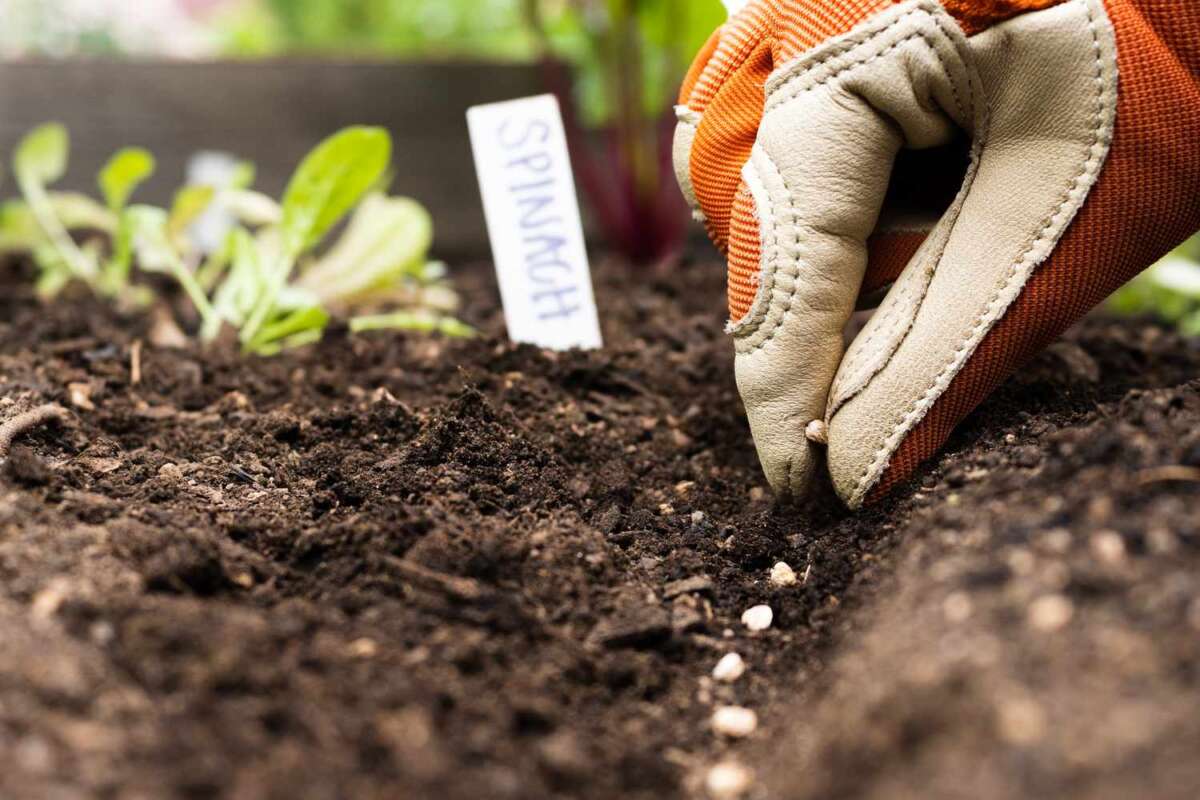
Depth matters. A good rule is two to three times the seed width. Some seeds need light. Those go on the surface and get a gentle press. Do not bury them.
Space seeds so they do not crowd. One or two per cell is best. Cover with a thin layer of mix or fine vermiculite. Label each variety at once. It is easy to forget. Clear sowing steps are a core part of how to grow plants from seeds successfully.
Dial in water, light, and temperature
Water with care. Keep the mix moist, not soggy. Bottom-watering helps. Set trays in a shallow pan, let them drink, then drain. Use a mister on top if the surface dries.
Give seeds steady warmth. Most warm crops sprout best at 75–85°F on a heat mat. Cool crops like 65–75°F. Remove the dome after most seeds pop to improve air flow.
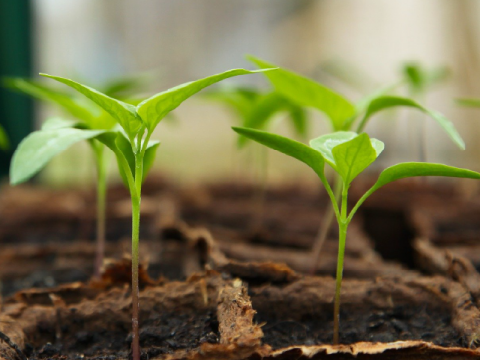
Light is key. Place LED lights 2–4 inches above leaves. Run them 14–16 hours a day. Raise the light as plants grow. A small fan set on low helps build strong stems. These simple controls define how to grow plants from seeds successfully.

Germination timelines and troubleshooting
Each crop has its rhythm. Lettuce can pop in 2–5 days. Tomatoes in 5–10 days. Peppers can take 10–21 days. Be patient and keep notes.
If seedlings fall over at the base, that is damping-off. It comes from too much water and poor air flow. Use sterile mix, avoid overwatering, and add a fan. If plants stretch and lean, they need more light or less heat. Lower the light or move it closer. Knowing small fixes is a big part of how to grow plants from seeds successfully.
Feed, thin, and pot up
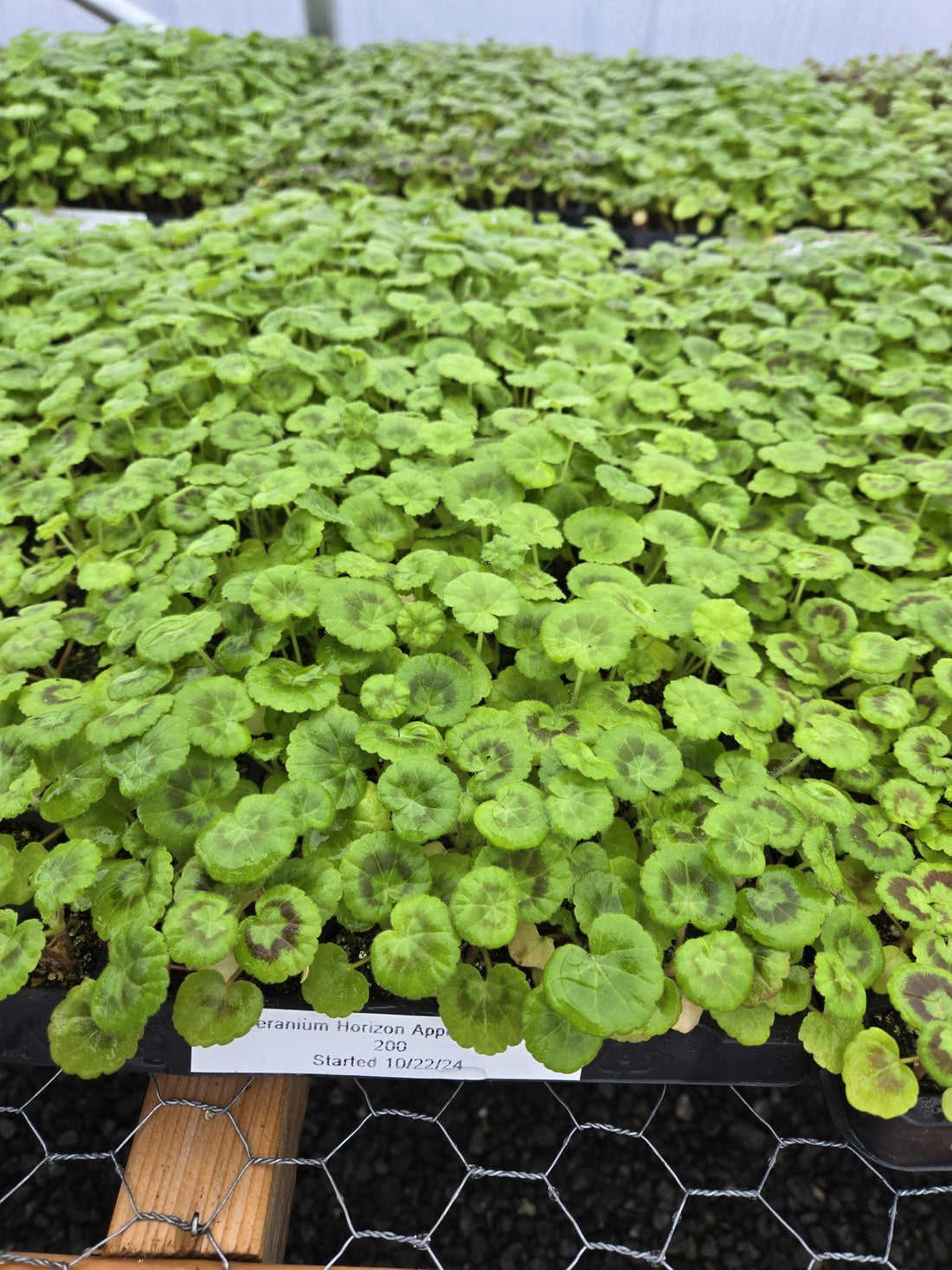
Once seedlings have their first true leaves, start to feed. Use a gentle, balanced liquid fertilizer at half strength. Feed every 7–10 days.
Thin crowded cells with clean scissors. Leave the strongest sprout. If roots fill the cell, pot up. Use a quality, airy mix. Tomatoes can be planted deeper to root along the stem. Peppers prefer the same depth. This step keeps how to grow plants from seeds successfully on track.

Hardening off and transplant timing
Harden off plants for 7–10 days before they go outside. Start with a few hours in bright shade and no wind. Add time and sun each day. Bring them in at night if it is cold.
Transplant on a cloudy day or late afternoon. Water plants well a few hours before. Space as the packet says. Water in with a mild feed. Add mulch to hold moisture. Careful hardening is a secret key to how to grow plants from seeds successfully.

Common mistakes to avoid
Avoid these traps that cost time and plants.
- Overwatering causes damping-off and weak roots
- Planting too deep slows or stops sprouting
- Weak light makes leggy, floppy seedlings
- Skipping labels leads to mystery plants
- No hardening off shocks and stalls growth
- Starting too early makes root-bound plants
When I began, I overwatered and kept the dome on too long. A small fan and bottom-watering fixed it fast. Learn from my mistakes to master how to grow plants from seeds successfully.
Simple seed-starting schedule and checklist
Use this sample timeline. Adjust by your last frost date.
- 10–12 weeks before frost: onions, leeks, slow herbs
- 8–10 weeks: peppers, eggplant
- 6–8 weeks: tomatoes, brassicas
- 4–6 weeks: lettuce, basil, flowers like zinnia
- 2–4 weeks: cucumbers, squash indoors or direct-sow later
- After frost: direct-sow beans, corn, sunflowers
Quick checklist for how to grow plants from seeds successfully:
- Fresh seeds and the right varieties
- Sterile mix, clean trays, and labels
- Heat mat for warm crops
- Strong light on a timer
- Bottom-watering and gentle airflow
- Feed at first true leaves
- Pot up on time
- Harden off and transplant with care
Frequently Asked Questions of how to grow plants from seeds successfully
How deep should I plant seeds?
Most seeds should be planted two to three times their width. If the packet says surface-sow, press them in without covering.
Do I need a grow light to start seeds?
A bright south window can work for a few crops. But a simple LED grow light gives better results and prevents leggy stems.
How often should I water seedlings?
Keep the mix moist but not wet. Bottom-water when the surface looks dry, then let excess drain.
When do I start fertilizing?
Begin after the first true leaves appear. Use a balanced liquid fertilizer at half strength every 7–10 days.
What temperature is best for germination?
Warm crops like 75–85°F; cool crops like 65–75°F. Use a heat mat for steady, even warmth if your room is cool.
Why are my seedlings falling over?
That is often damping-off from excess moisture and poor airflow. Use sterile mix, avoid overwatering, and add a small fan.
How long should I run grow lights each day?
Aim for 14–16 hours of light daily. Keep lights 2–4 inches above the leaves and raise them as plants grow.
Conclusion
Growing from seed is a simple craft you can learn fast. Start with clean tools, steady warmth, strong light, and calm watering. Keep notes, fix small issues early, and build your rhythm. You now know how to grow plants from seeds successfully, step by step.
Pick one or two crops and start this week. Share your wins and questions in the comments. Subscribe for more hands-on guides and seasonal checklists.

Laura Bennett is a gardening writer at MyGardenLabs who creates beginner-friendly guides focused on solving common plant care and gardening problems.