How To Grow Vegetables In Small Spaces: Smart Tips 2026
Maximize light, soil, and vertical supports—that’s how to grow vegetables in small spaces.
If you want a harvest from a balcony, patio, or windowsill, you’re in the right place. I’ve designed tight, productive gardens for years and tested what works in real homes. This guide on how to grow vegetables in small spaces gives you clear steps, smart tools, and pro tips you can trust. Stick with me and you’ll turn a few square feet into a steady stream of fresh food.

Why small-space vegetable gardening works
Small spaces limit square footage, not production. With containers, vertical frames, and tight spacing, you can grow a surprising amount of food. The key is choosing crops that give high yield per square foot and managing light, water, and nutrients well. When people ask how to grow vegetables in small spaces, I point to smart design first, not more space.
Fruiting crops, like tomatoes and peppers, need sun and bigger pots. Leafy greens and herbs forgive shade and shallow containers. Pair these strengths and you get a steady mix of quick and slow crops across a season.
:max_bytes(150000):strip_icc()/vegetable-gardening-in-small-spaces-1403451-containers-38fba88c8dd1449596b756304cae86cb.jpg)
Plan your space: map, measure, and prioritize
If you want to master how to grow vegetables in small spaces, start with a plan. Measure your area, learn how the sun moves, and set a realistic crop list.
Do a quick site audit:
- Track sun for a week. Note hours of direct light at 9 a.m., noon, and 3 p.m.
- Check wind, heat, and reflective walls. Balconies can be hot and dry.
- Confirm weight limits for decks. Wet soil is heavy; plan accordingly.
- Find water and power. You may want a drip line or a small grow light.
- Note access. Can you reach plants for pruning and harvest?
Prioritize your must-grow list:
- Pick 3 to 5 staple crops you love to eat.
- Choose compact or dwarf varieties to fit your setup.
- Add quick fillers like lettuce or radishes between bigger plants.
Containers and vertical systems that maximize yield
Container choice is half the battle in how to grow vegetables in small spaces. Use pots big enough for roots, materials that breathe, and supports that lift crops up, not out.
Container basics:
- Fabric pots breathe and drain well. They keep roots cooler.
- Self-watering planters reduce stress from missed watering.
- Dark pots heat up. In hot areas, pick light colors.
Minimum sizes that work:
- Tomatoes, eggplant, bush cucumbers: 5–10 gallons per plant.
- Peppers, dwarf tomatoes, chard: 3–5 gallons.
- Lettuce, spinach, herbs, radishes: 1–2 gallons or window boxes.
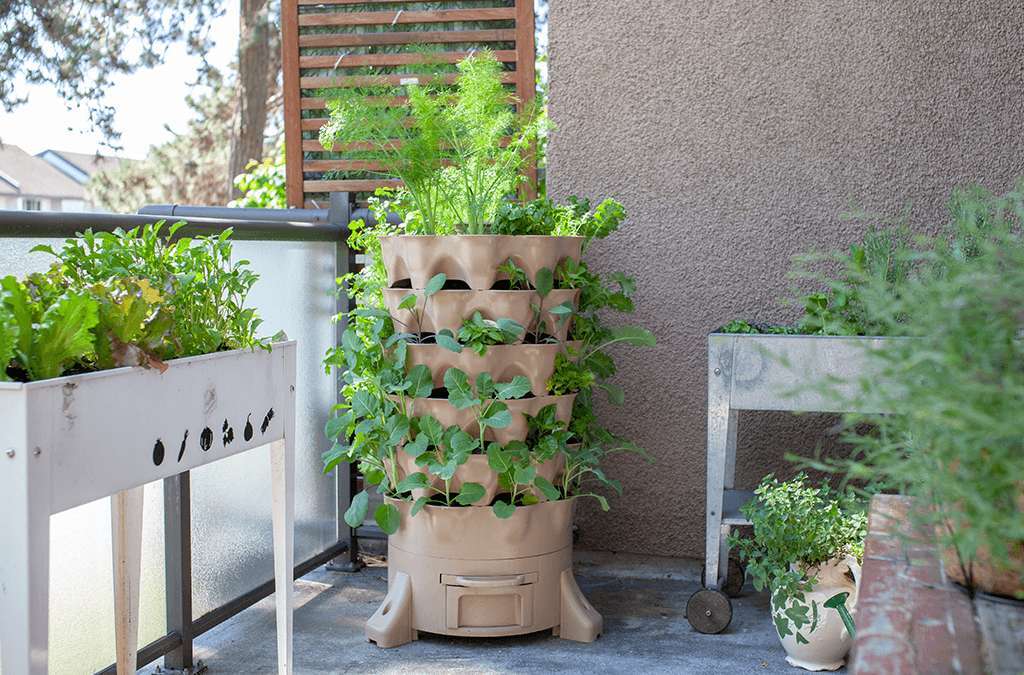
Strong vertical supports:
- Use a sturdy trellis for cucumbers and pole beans.
- Add a single stake and clips for tomatoes.
- Hang baskets for strawberries and trailing tomatoes.
- Try a tiered shelf to stack greens where light reaches each level.
My tip: If you can sweep under it, you can grow under it. Hang a tomato and tuck basil in a box below.

Soil, compost, and fertilizer made for containers
Garden soil compacts in pots and drowns roots. Use a high-quality potting mix to grow strong, fast crops. This is where many people fail with how to grow vegetables in small spaces.
Potting mix recipe I trust:
- 50% high-quality peat or coconut coir mix for water holding.
- 30% compost for nutrients and life.
- 20% perlite or pumice for drainage and air.
Feed on a schedule:
- Mix in a slow-release fertilizer at planting.
- Add a liquid feed every 1–2 weeks for heavy feeders.
- Aim for steady, light feeding. Overfeeding can burn roots.
Water moves nutrients fast in containers. A consistent routine gives steady growth and better flavor.

Light, water, and airflow in tight quarters
Light drives growth. Most fruiting crops need 6–8 hours of direct sun. Greens will manage with 3–5 hours plus bright shade. If you are learning how to grow vegetables in small spaces indoors, add full-spectrum LED lights for 12–14 hours daily.
Water like a pro:
- Check the top inch of soil. If dry, water until it drains from the bottom.
- Use saucers but empty them after 30 minutes.
- Install simple drip lines on a timer if you travel.
Keep air moving:
- Space plants so leaves do not touch.
- Prune lower leaves to boost airflow around stems.
- Use a small fan indoors to reduce mildew risk.

What to plant: high-yield vegetables for small spaces
Picking the right crops is central to how to grow vegetables in small spaces. Focus on plants that give a lot with little room.
Cut-and-come-again greens:
- Loose-leaf lettuce, arugula, spinach, Asian greens.
- Harvest outer leaves and let the centers regrow.
Compact fruiting crops:
- Dwarf cherry tomatoes, patio tomatoes, lunchbox peppers, mini eggplants.
- Bush cucumbers and compact zucchini.
Fast root crops:
- Radishes in 25–30 days.
- Baby carrots and baby beets in window boxes.
Vertical climbers:
- Pole beans, cucumbers, and malabar spinach on trellises.
- Train vines up to save floor space.
Herbs with big payoff:
- Basil, chives, parsley, cilantro, thyme, mint.
- Grow mint in its own pot to avoid takeover.
Varieties I like for tight spaces:
- Tomatoes: Micro Tom, Tiny Tim, Tumbler, Bush Early Girl.
- Cucumbers: Bush Pickle, Spacemaster.
- Peppers: Gypsy, Mohawk, Baby Belle.

Planting plans: succession, interplanting, and square-foot methods
Use time and layers to multiply yield. This is the secret sauce in how to grow vegetables in small spaces.
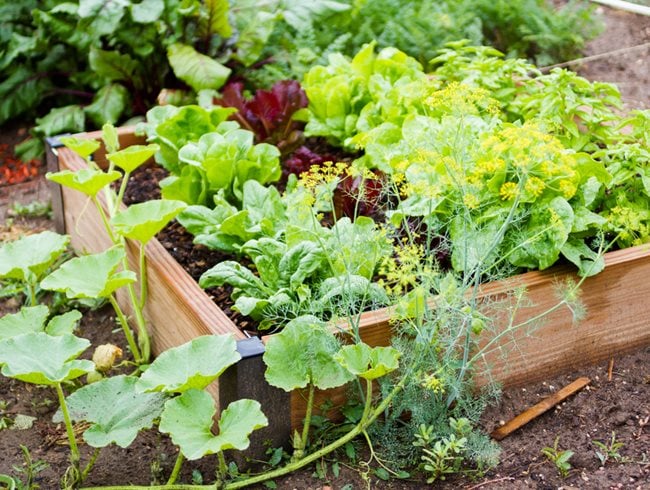
Square-foot spacing in boxes:
- Divide a 2×4 foot box into eight 1×1 squares.
- Plant 1 tomato in a corner square with a stake.
- Fit 4 lettuce or 9 radishes in a single square.
Succession sowing:
- Sow greens every 2–3 weeks.
- After radishes, plant bush beans in the same spot.
- Pull early lettuce and drop in basil starts.
Interplanting pairs:
- Tall tomatoes with a ring of basil or chives below.
- Cucumbers up a trellis with dill or lettuce at the base.
- Carrots with fast radishes as markers.
A sample 10-week flow:
- Weeks 1–2: Sow lettuce, radish, and peas; pot tomatoes indoors if needed.
- Weeks 3–4: Plant tomatoes and peppers; add basil.
- Weeks 5–6: Harvest radishes; sow beans.
- Weeks 7–8: Cut first lettuce; re-sow.
- Weeks 9–10: Tie up vines; top-dress with compost.
:max_bytes(150000):strip_icc()/vegetable-gardening-in-small-spaces-1403451-01-aa94b9199ba145079de2417b219c89b4.jpg)
Pest and disease control without chemicals
Tight spaces can invite pests fast. Stay ahead with prevention and simple tools. Many folks ask how to grow vegetables in small spaces without sprays. The answer is sanitation, airflow, and early action.
Prevention first:
- Start with clean pots and fresh mix each season.
- Quarantine new plants for a week and check leaves.
- Water in the morning to dry foliage by night.
Early, gentle treatments:
- Knock off aphids with a water spray.
- Use insecticidal soap or neem on soft-bodied pests.
- For caterpillars, hand-pick or use targeted biological treatments.
Disease tips:
- Powdery mildew thrives in shade and stress. Improve airflow, water soil not leaves, and remove infected parts.
- Blossom end rot on tomatoes comes from uneven water and low calcium uptake. Keep soil evenly moist and avoid swings.

Seasonal strategies: balcony, windowsill, and indoor setups
Different spaces call for different tricks. This section shows how to grow vegetables in small spaces year-round, even with rough weather.
For hot balconies:
- Use light-colored pots and mulch to cool soil.
- Water in the early morning.
- Add shade cloth during heat waves.
For windy decks:
- Group pots to create a windbreak.
- Use deeper, heavier containers to anchor plants.
- Secure trellises with strong ties.
For indoor windows:
- Choose south- or west-facing windows.
- Supplement with LED lights on timers.
- Rotate pots weekly for even growth.
For cool seasons:
- Add clear covers or a small cold frame.
- Use frost cloth on cold nights.
- Grow hardy greens like kale, mache, and spinach.
Budget and tools: smart buys for small-space growers
You can keep costs low and still nail how to grow vegetables in small spaces. Spend where it counts and hack the rest.
Essentials that pay off:
- Quality potting mix and compost.
- A watering can with a gentle rose.
- Pruners, plant ties, and a trowel.
- A compact trellis or sturdy stakes.
Money-saving tips:
- Upcycle food-safe buckets by drilling drainage holes.
- Make a simple self-watering planter with two nested containers.
- Propagate herbs from cuttings instead of buying new plants.
Nice-to-have upgrades:
- A plug-in timer for lights or drip irrigation.
- Fabric grow bags for breathability and easy storage.
- A small fan for indoor airflow.
Common mistakes and how to avoid them
Avoid these traps and you’ll master how to grow vegetables in small spaces much faster.
Top mistakes:
- Using too-small pots. Roots need room to feed fruits.
- Overwatering or letting pots dry to dust. Aim for even moisture.
- Planting full-size varieties. Pick compact types bred for containers.
- Skipping fertilizer. Containers lose nutrients fast.
- Crowding plants. Tight, not packed. Leaves should not touch.
Simple fixes:
- Size up containers and add a stake or trellis early.
- Set a watering schedule and test with your finger.
- Feed lightly every 1–2 weeks in season.
- Prune and harvest often to keep growth in check.
A simple 30-day starter plan
Use this quick plan to start strong. It shows how to grow vegetables in small spaces without overwhelm.
Week 1:
- Audit sun and space. Gather 3–4 containers and potting mix.
- Start lettuce, radish, and herbs. Set trellis if needed.
Week 2:
- Plant a dwarf tomato or a pepper in a 5-gallon pot.
- Add slow-release fertilizer. Mulch with straw or shredded leaves.
Week 3:
- Install a simple drip line or set a daily water routine.
- Side-dress with compost. Tie plants to stakes.
Week 4:
- Harvest first greens and radishes. Re-sow greens.
- Check for pests. Prune lower leaves for airflow.
By day 30, you will see flowers on tomatoes and your second round of greens coming up.
Frequently Asked Questions of how to grow vegetables in small spaces
What is the minimum sunlight I need?
Most fruiting vegetables need 6–8 hours of direct sun. Greens and herbs can manage with 3–5 hours plus bright reflected light.
Can I use garden soil in containers?
Avoid it. Garden soil compacts and holds too much water in pots. Use a potting mix with compost and perlite for drainage.
How often should I water container vegetables?
Water when the top inch of soil is dry. In hot weather, that may be daily. In cool weather, every 2–3 days can be enough.
What are the best vegetables for apartments?
Grow lettuce, herbs, radishes, dwarf tomatoes, and peppers. Add trellised beans or cucumbers if you have a sunny wall.
Do I need fertilizer if I use compost?
Yes. Compost is great but not always enough for fruiting crops. Use slow-release at planting and a light liquid feed every 1–2 weeks.
How can I prevent pests on a balcony?
Start clean, space plants, and water early. Check leaves often and act fast with water sprays or insecticidal soap.
Can I grow vegetables indoors without special lights?
It’s possible near a bright south-facing window for greens and herbs. For tomatoes and peppers, add full-spectrum LED lights.
Conclusion
Small spaces can feed you well when you plan, choose compact crops, and use vertical supports. Now you know how to grow vegetables in small spaces with simple tools, steady care, and a smart layout. Start with three crops, commit to a watering routine, and enjoy your first harvest this month. Ready to keep growing? Subscribe for monthly planting plans, or drop a question in the comments and I’ll help you fine-tune your setup.

Laura Bennett is a gardening writer at MyGardenLabs who creates beginner-friendly guides focused on solving common plant care and gardening problems.