How To Grow Plants In Limited Space: Smart Tips For 2026
You can grow more with vertical planters, compact varieties, good light, and rich soil.
If you’ve wondered how to grow plants in limited space, you’re in the right place. I’ve built thriving gardens on balconies, fire escapes, and small patios. In this guide, I’ll show you proven methods, clear steps, and smart tools that work. You’ll learn how to grow plants in limited space with confidence and get real harvests all year.
Know your space and light
Space is a canvas. Light is the paint. Start there. To master how to grow plants in limited space, you need to audit sun, wind, weight limits, and access to water.
- Map the sun. Track where direct light hits for a full day. Six hours supports fruiting crops. Four hours supports greens and herbs.
- Check wind. High balconies dry out pots fast. Use windbreaks like mesh or railing planters.
- Test weight limits. Wet soil is heavy. Confirm your balcony or shelf can handle it.
- Measure reach. Can you water and prune every pot without climbing?
Pro tip from my own balcony: I noted a bright 10–2 pm window and put peppers there. Shade went to mint and lettuce. That single change doubled my yield. It is a simple win for how to grow plants in limited space.

Containers and soil that power growth
Roots rule the game. In tight spots, the right container and mix decide success.
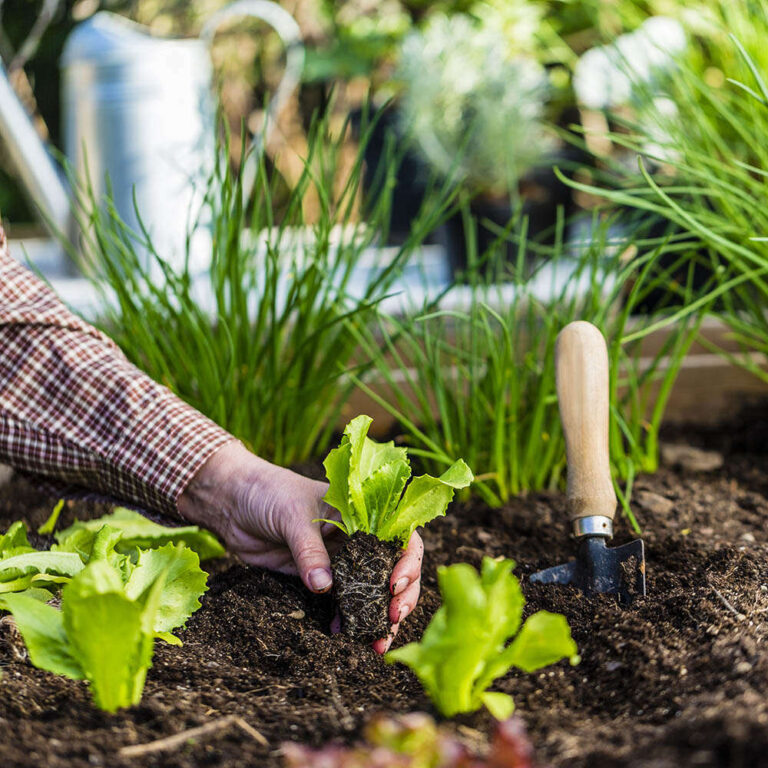
- Size matters. Tomatoes need 5+ gallons. Peppers 3+ gallons. Lettuce and herbs thrive in 6–8 inch deep trays.
- Choose smart materials. Fabric pots breathe and prevent root rot. Food-safe plastic holds water longer. Glazed ceramic is stable but heavy.
- Use a living potting mix. Blend peat-free mix or coco coir with compost and perlite. Aim for light, airy, and rich.
- Add slow-release nutrition. A balanced organic fertilizer in the mix keeps feeding steady.
- Raise and drain. Use pot feet or grids. Good drainage is non-negotiable.
I once swapped cheap, dense soil for a light, compost-rich blend in the same pots. Growth and water use improved at once. If you ask how to grow plants in limited space, start by giving roots space to breathe.
Vertical gardening that doubles yield
When floor space ends, grow up. Vertical setups turn walls and rails into gardens.
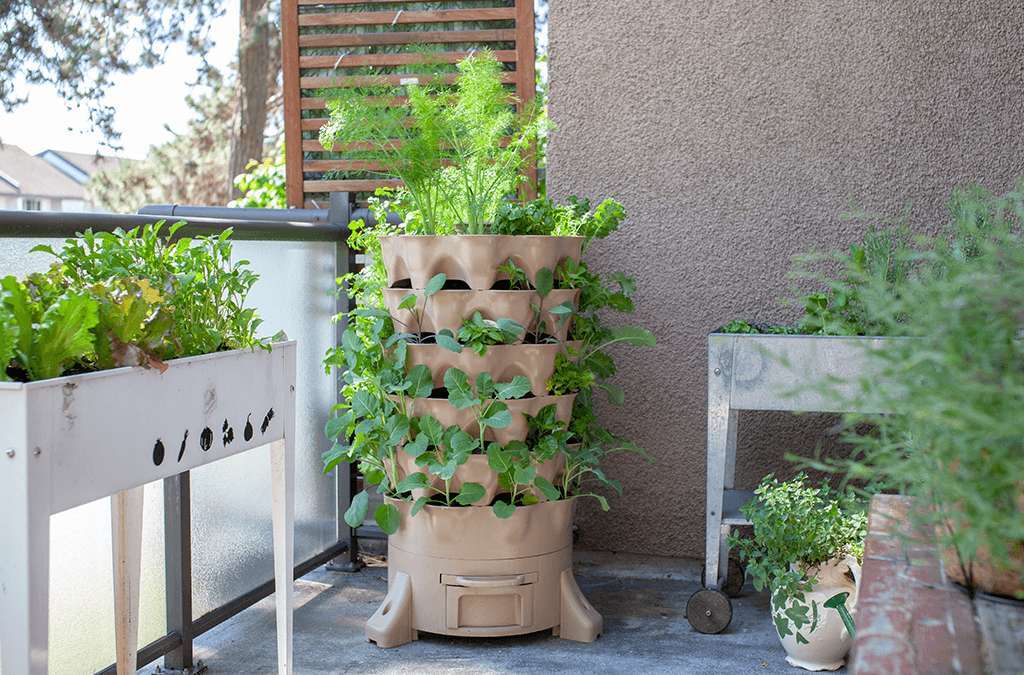
- Use tiered shelves near the sun. Put tall crops on top. Shade lovers below.
- Install trellises for peas, cucumbers, and pole beans. Soft ties guide vines without damage.
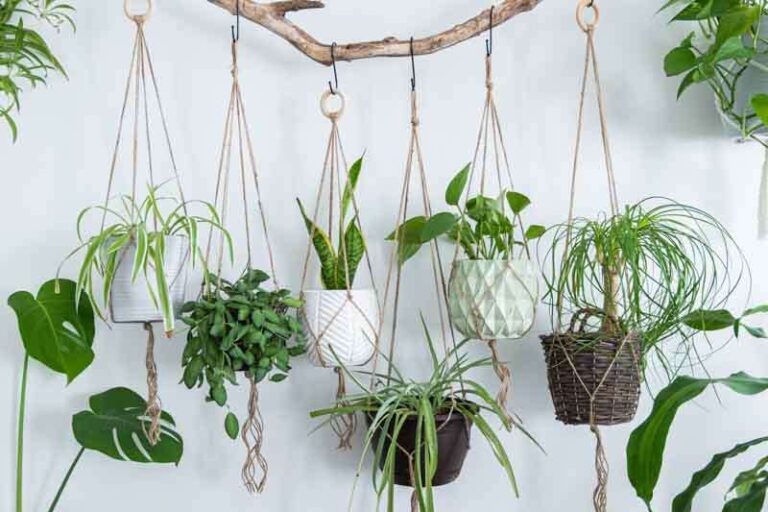
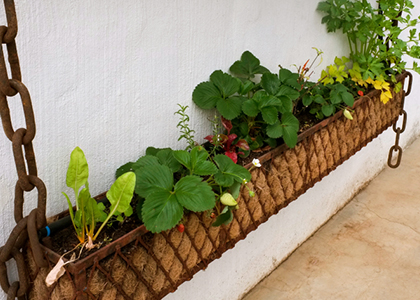
- Try wall pockets for strawberries and herbs. Water from the top and let it cascade down.
- Hang baskets with cherry tomatoes or basil. Choose sturdy hooks, anchored well.
A simple ladder shelf on my patio held 30 plants in 2 square feet. That is how to grow plants in limited space without feeling cramped.

Smarter plant choices and layout
Pick plants that fit your space and goals. Small plants can give big harvests.
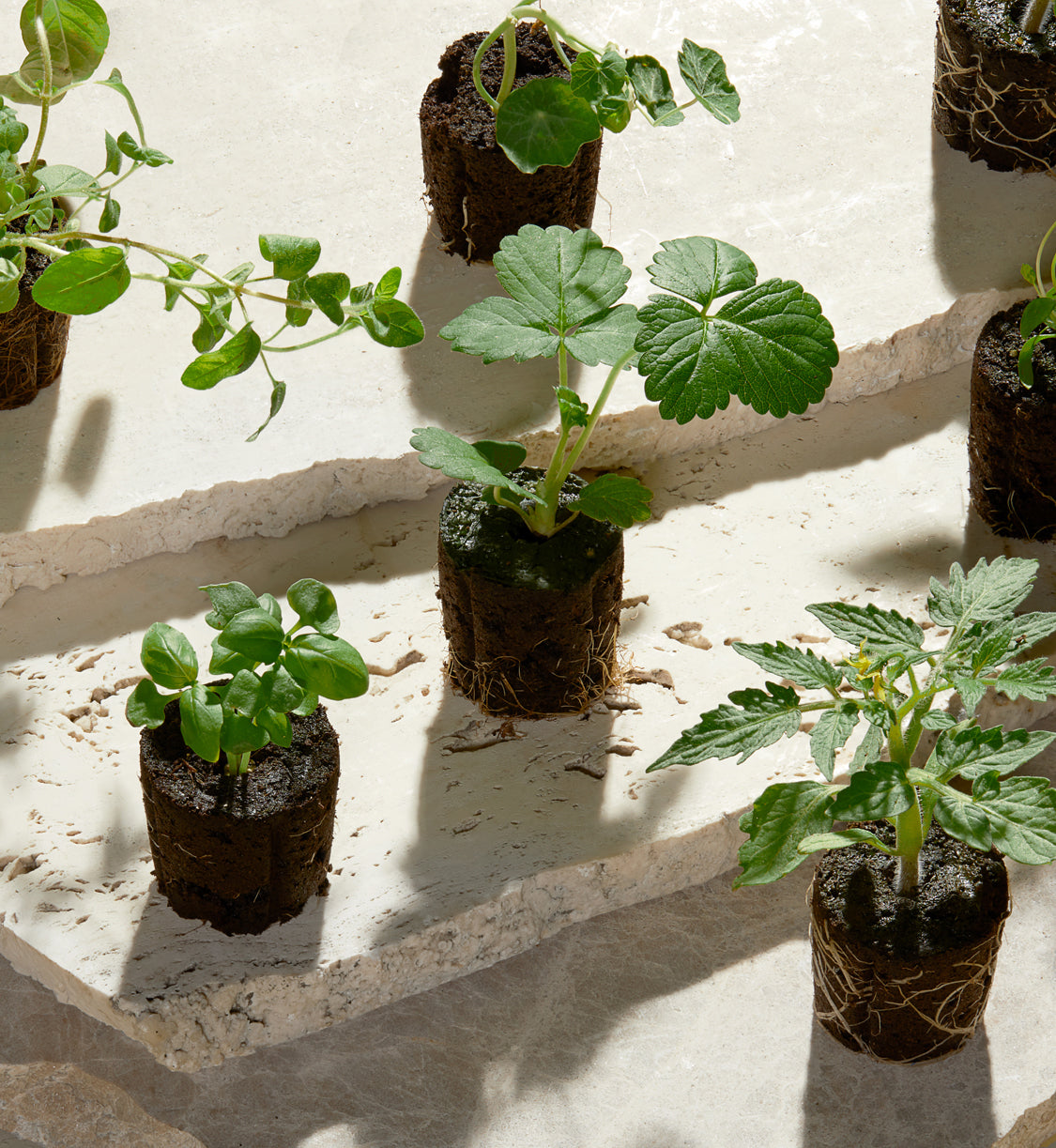
- Choose compact or dwarf types. Look for patio tomatoes, bush beans, dwarf kale, and mini bell peppers.
- Stagger maturity. Plant fast greens with slower peppers in the same pot early on.
- Interplant wisely. Tall rosemary can share a wide pot with thyme and oregano.
- Grow cut-and-come-again crops. Lettuce, chard, and basil keep giving after small harvests.
Try a 3-gallon pot with a dwarf tomato, underplanted with basil. Both love the same care. It is a sharp move for how to grow plants in limited space.
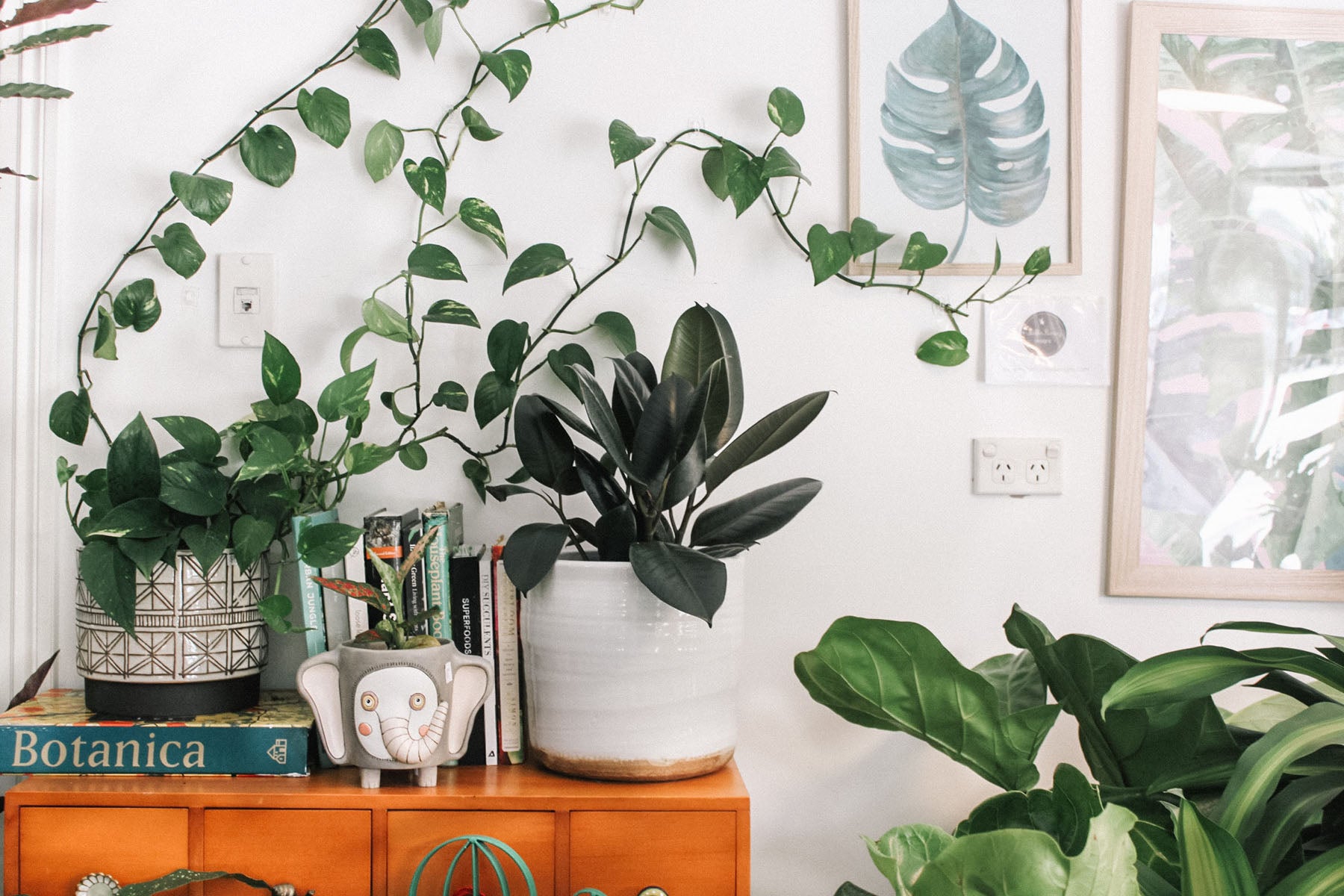
Water, feeding, and root health in tight quarters
Small containers dry fast. Keep a steady rhythm.
- Water deep, not often. Soak until water runs out. Let the top inch dry before the next drink.
- Add mulch. Use straw or coco chips to slow evaporation.
- Use self-watering planters. They give a buffer on hot days or trips.
- Feed little and often. Weekly liquid feed at half strength keeps growth even.
- Watch for stress. Curling leaves may mean heat, not thirst. Check soil with your finger.
In one heatwave, I added mulch and a morning watering schedule. Losses stopped. That is one more way how to grow plants in limited space without daily stress.
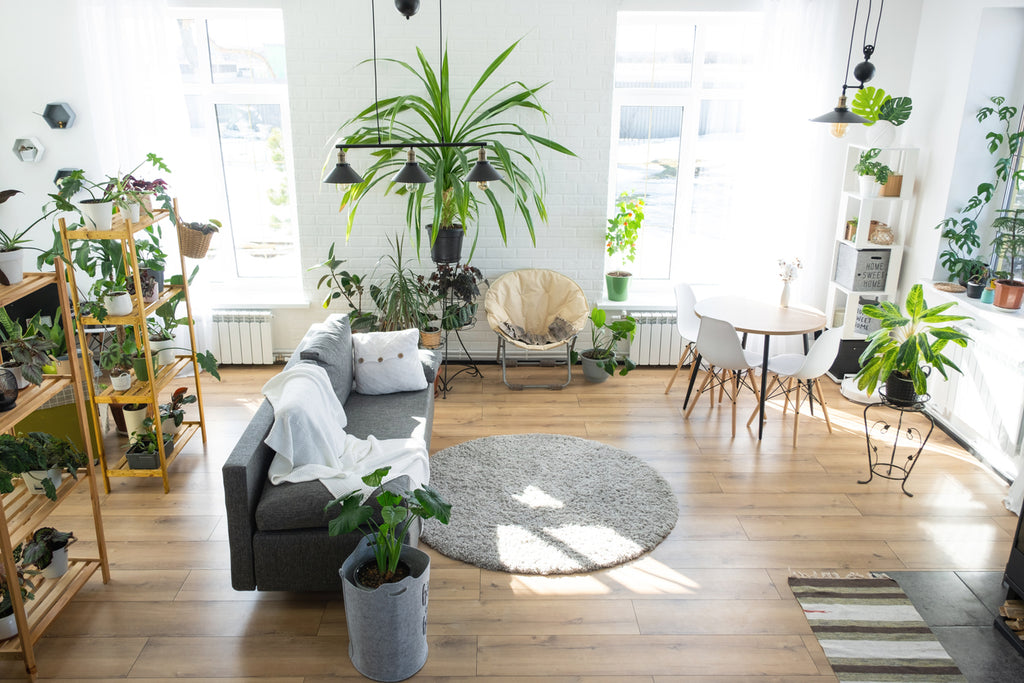
Indoor options: grow lights, microgreens, and hydroponics
No balcony? No problem. Indoor tools make harvests possible.
- LED grow lights. Aim for full-spectrum. Place 6–12 inches above seedlings. Run 12–16 hours daily for leafy greens.
- Microgreens. They need trays, light, and 10 days. They are small but dense in nutrients.
- Kratky jars. Lettuce and basil grow in still water with nutrients. No pump needed.
- Small hydroponic kits. Good for kitchens. Great for year-round herbs.
I keep a 2-shelf rack with LEDs in winter. I pull lettuce and basil for dinner every week. That is how to grow plants in limited space when daylight is short.
:max_bytes(150000):strip_icc()/vegetable-gardening-in-small-spaces-1403451-01-aa94b9199ba145079de2417b219c89b4.jpg)
Pest, disease, and maintenance in small spaces
Tight space means fast spread. Keep a simple routine.
- Scout weekly. Check under leaves. Look for spots, webbing, or sticky residue.
- Quarantine new plants for a week. Do not invite pests inside your setup.
- Clean tools and pots. A quick wash prevents lingering disease.
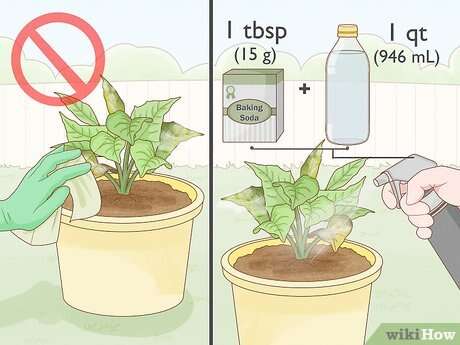
- Use gentle controls first. Hand-pick pests. Spray with soapy water. Neem oil helps with soft-bodied bugs.
- Boost airflow. A small fan reduces mold indoors. Spacing helps outdoors.
Once, aphids showed up on my chili plant. A daily water spray and a week of neem ended it. Simple steps prove how to grow plants in limited space without harsh chemicals.

Seasonal strategy and success planning
Make the year work for you.
- Spring. Start greens, peas, and radishes.
- Summer. Grow tomatoes, peppers, cucumbers, and basil.
- Fall. Switch to kale, arugula, and carrots in deep boxes.
- Winter. Move to indoor greens and herbs under lights.
- Succession plant. Sow a small batch every 2 weeks for steady harvests.
Set reminders on your phone. Small, steady actions are key to how to grow plants in limited space and keep harvests coming.
:max_bytes(150000):strip_icc()/vegetable-gardening-in-small-spaces-1403451-01-aa94b9199ba145079de2417b219c89b4.jpg)
Real-life setup: a 6-step plan for a balcony or window
Use this quick plan I give to friends.
- Measure light hours and wind. Note the sunniest area.
- Pick five containers. One 5-gallon, two 3-gallon, and two shallow trays.
- Buy compact plants. One patio tomato, two peppers, greens for trays, and a trailing herb.
- Fill with airy mix. Add slow-release food. Set pots on feet for drainage.
- Add one trellis. Train vines or support tomatoes.
- Set a schedule. Water in the morning. Feed weekly. Scout every Sunday.
This simple plan nails how to grow plants in limited space and gives real results in four weeks.
Mistakes to avoid and pro tips
Small errors feel big in small spaces. Avoid these.
- Skipping the light check. Shade ruins fruiting crops.
- Using heavy garden soil. It compacts in pots and suffocates roots.
- Overcrowding. Airflow drops. Disease rises.
- Watering on a timer without checks. Weather changes. Your plan should too.
Pro tips that help:
- Group plants by water needs. Dry-lovers here, thirsty ones there.
- Rotate containers monthly. Balance sun exposure.
- Harvest early and often. It triggers more growth.
These habits define how to grow plants in limited space with less fuss and more joy.
Frequently Asked Questions of how to grow plants in limited space
What are the easiest crops for beginners in small spaces?
Start with lettuce, radishes, mint, basil, and bush beans. They forgive mistakes and grow fast.
How many hours of light do I need?
Leafy greens need 4–6 hours. Fruiting plants like tomatoes and peppers need 6–8 hours.
Can I reuse potting mix?
Yes, but refresh it. Remove old roots, add compost, and mix in fresh perlite and slow-release food.
How do I stop pots from drying out too fast?
Use larger containers, add mulch, and group pots close together. Self-watering planters help a lot.
What size pot for tomatoes on a balcony?
Use at least 5 gallons for compact types. Add a stake or cage for support.
How do I keep pests under control without chemicals?
Inspect often and act early. Use water sprays, soapy water, neem oil, and hand-picking.
Conclusion
You can grow a lot in a little space. Focus on light, good soil, smart containers, and vertical growth. Choose compact plants, water well, and feed often. Keep a simple weekly routine, and your harvests will add up fast. If you want to master how to grow plants in limited space, start with one shelf and five pots this week. Then build from there.
Try one setup from this guide and share your results. Want more tips like this? Subscribe, ask a question, or leave a comment with your space and goals.

Laura Bennett is a gardening writer at MyGardenLabs who creates beginner-friendly guides focused on solving common plant care and gardening problems.