Can Any Tree Be A Bonsai: Expert Tips And Myths
Most trees can be trained as bonsai, but species, growth habit, and climate determine success.
I have trained bonsai for over 12 years and taught weekend classes to new growers. I’ll walk you through the reality behind the question can any tree be a bonsai. You’ll learn which trees adapt well, which struggle, and practical steps to turn a tree into a living miniature. Read on if you want clear, hands-on guidance and the confidence to choose the right tree for bonsai.
Understanding bonsai: what bonsai really means
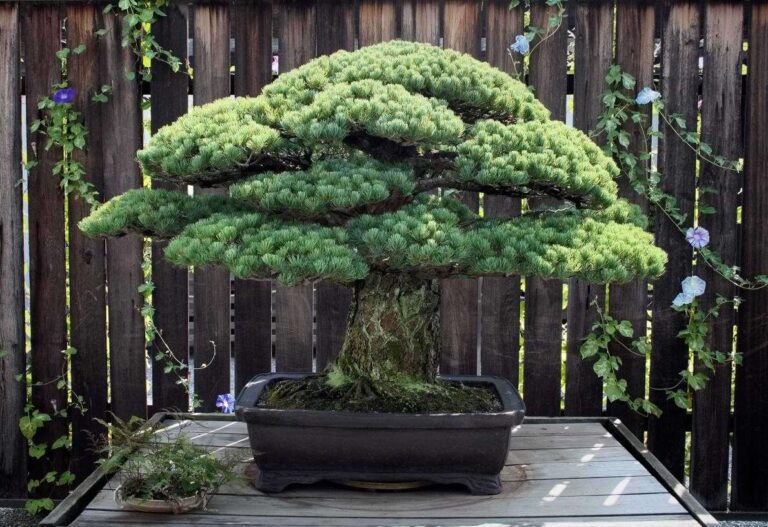
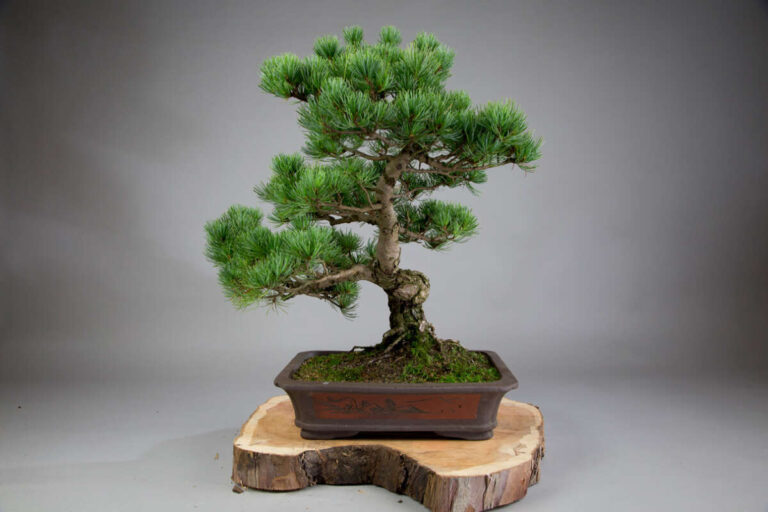
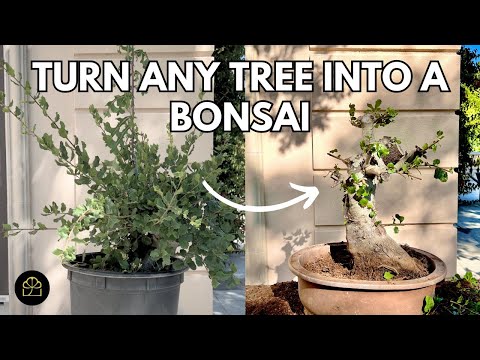
Bonsai is the art of growing a tree in a small container so it looks like a mature tree in miniature. It is about scale, proportion, and care, not genetic dwarfing. Any tree styled and maintained to look like a mature tree can qualify as a bonsai.
Bonsai uses pruning, wiring, root work, and pot selection. These tools shape a tree’s trunk, branches, and foliage. The long view and steady care are what make bonsai an art and a craft.

Can any tree be a bonsai?
The short answer is nuanced. The phrase can any tree be a bonsai is true in principle: almost any woody plant can be trained. In practice, success depends on species traits, climate, and your goals.
Some species are easier to train. Others resist shaping or have leaves too big for a convincing miniature. When you ask can any tree be a bonsai, think about leaf size, bark, branch structure, vigor, and root behavior. Those factors decide whether a tree will become an elegant bonsai or just a potted shrub.
Common pitfalls include choosing a tree with very large leaves, weak wood, or a growth cycle that doesn't handle root pruning well. But with skill and patience, many unexpected species can become pleasing bonsai.

Key traits that make a tree suitable for bonsai
Consider these traits when you decide if can any tree be a bonsai in your garden.
- Leaf size and leaf reduction
- Small leaves scale better. Species with naturally small leaves show miniature form more convincingly.
- Flexible branches and wood
- Young, flexible wood is easier to wire and shape. Hard, brittle wood breaks more easily.
- Good ramification
- The tree must produce many small branches for detail. Fine branching is key.
- Trunk and bark character
- A thick trunk or interesting bark adds age and character.
- Tolerance of root pruning
- Bonsai needs regular root work. Trees that tolerate root restriction do better.
- Seasonal suitability
- Some species are strictly outdoor; others can live indoors under special conditions.
When you think can any tree be a bonsai, score these traits. High scores mean easier success. Low scores don’t mean impossible, just more challenge.

Techniques to turn a tree into bonsai
Techniques make trees bonsai. Here are the main methods I use and teach.
- Pruning for shape and health
- Remove large branches and refine smaller ones. Prune roots to fit the pot.
- Wiring for structure
- Wrap branches with wire to bend them into place. Leave wire on for a season or less on young growth.
- Potting and soil choice
- Use free-draining bonsai soil. A shallow pot controls root growth and helps shape the tree.
- Leaf reduction and defoliation
- Some trees and techniques reduce leaf size over time. Defoliation can encourage smaller leaves.
- Trunk work and jin or shari
- Create deadwood features or wounds to simulate age. Be careful and slow.
- Repotting schedule
- Repot young trees more often to prune roots. Mature bonsai need repotting less often.
If you wonder can any tree be a bonsai with these techniques, know that technique and time often trump species limits. But choose technique to match the tree.

Common species: easy, intermediate, and challenging
Here are practical examples to help answer can any tree be a bonsai for your situation.
- Easy species
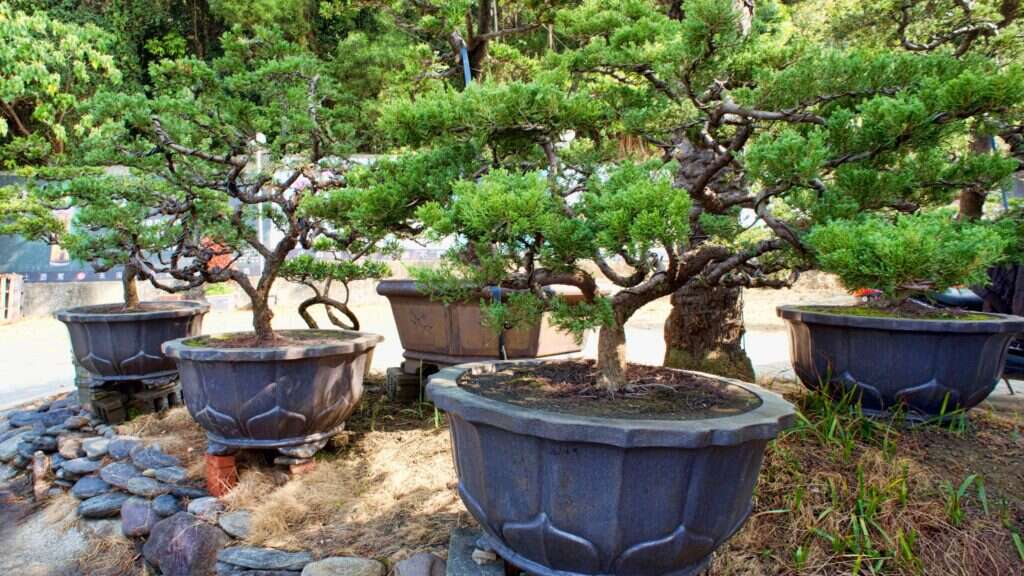
- Maple, juniper, ficus, elm, and pine seedlings adapt well to shaping and root work.
- Intermediate species
- Olive, cotoneaster, hornbeam, and beech need more patience or climate control.
- Challenging species
- Trees with very large leaves like some magnolia or certain tropicals can be hard to scale. Trees that resent root loss are also tough.
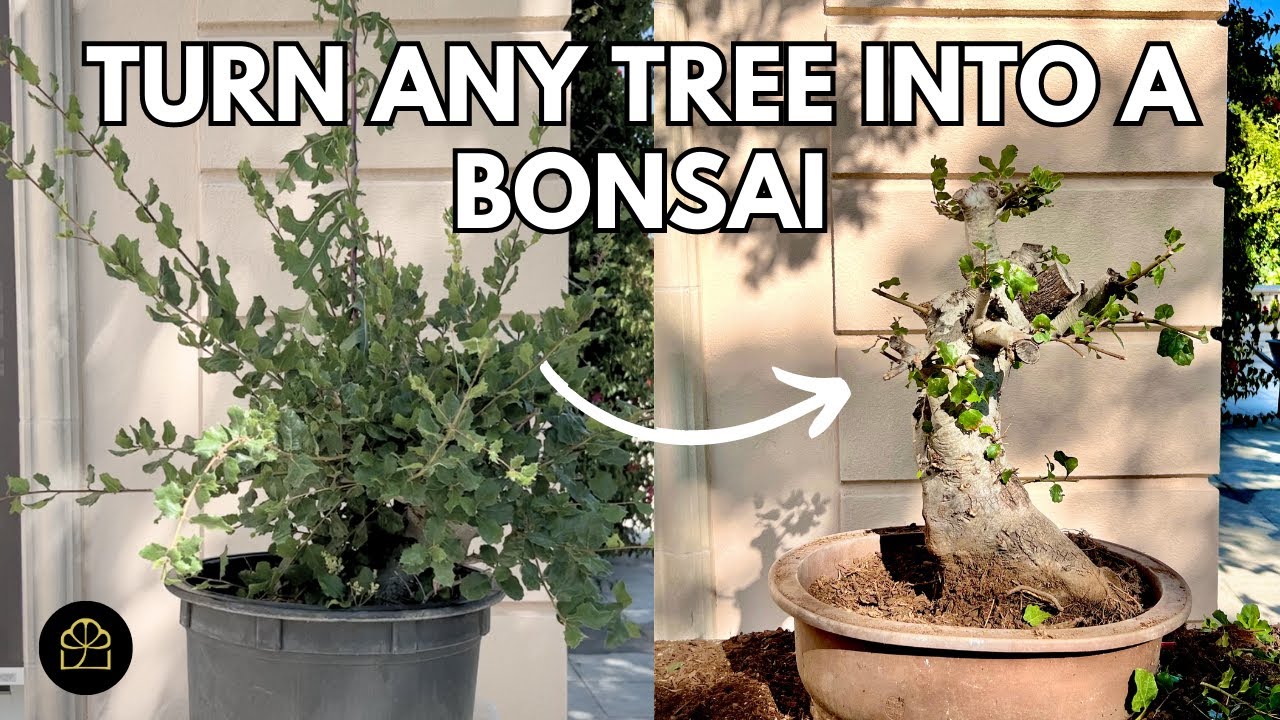
From my experience, many beginners succeed faster with maples or elms. I trained a large backyard crabapple into a bonsai over three years. It took staged pruning and seasonal root work. That taught me patience and timing matter more than a perfect species.

Limitations, legal and ethical concerns
Not all trees should be made into bonsai. Consider these limits when asking can any tree be a bonsai.
- Legal protections
- Some native trees are protected. Removing or modifying them can be illegal.
- Ecological and ethical issues
- Don’t collect rare or endangered plants for bonsai. Respect habitat and local laws.
- Climate mismatch
- Forcing an outdoor species indoors often fails. Choose trees suited to your climate or provide proper care.
- Longevity and health
- Excessive pruning or improper wiring can harm trees. Bonsai is a long-term commitment.
Be honest with yourself. If the tree is rare or fragile, choose propagation or a nursery-grown specimen rather than wild collection.
Quick practical questions (PAA-style)
How quickly can a tree become a bonsai?
Many trees show a bonsai form in 2–5 years with regular pruning and root work, but true refinement takes decades.
Can tropical trees be bonsai indoors?
Yes, tropicals like ficus and schefflera can thrive indoors if they get light, humidity, and steady care.
Is wiring safe on any tree?
Wiring works on many trees but requires care. Soft, flexible wood responds best and wire should be checked often for cutting in.
Frequently Asked Questions of can any tree be a bonsai
What does bonsai mean?
Bonsai means a tree grown in a container and trained to look like a mature tree in miniature.
Can I use any sapling from my yard for bonsai?
You can try, but success depends on species traits and how well the tree tolerates root pruning and training.
Do I need special soil for bonsai?
Yes. Bonsai soil must drain well and hold some moisture; typical mixes use akadama, pumice, and gravel or equivalents.
How often should I repot a bonsai?
Young trees repot every 1–3 years; mature bonsai every 3–7 years depending on growth and root health.
Can bonsai live for decades?
Yes. With proper care many bonsai live for decades and can be passed down through generations.
Conclusion
Almost any woody tree can be trained as a bonsai, but success depends on species traits, technique, and care. Choose a tree that fits your climate and goals, use the right tools, and be patient. Start with an easy species if you are new. Practice steady pruning, wiring, and root care. Your best next step is to pick one tree and begin—one small action starts the journey. Share your progress, ask questions, or subscribe for more tips on turning trees into timeless bonsai.

Laura Bennett is a gardening writer at MyGardenLabs who creates beginner-friendly guides focused on solving common plant care and gardening problems.