How To Make A Bonsai Tree: Step-By-Step Beginner Guide
Start with a small tree, prune roots and branches, then pot and train it over months.
I have spent years growing and shaping trees into bonsai, and this guide walks you step by step through how to make a bonsai tree that looks alive and balanced. You will learn which tools to use, how to prune roots and branches, how to choose soil and pots, and the most common mistakes to avoid. Read on to gain practical tips, clear timelines, and real-life examples from my own bonsai work.

Tools and materials you need
Before you begin learning how to make a bonsai tree, gather a few basic tools and supplies. Good tools make work cleaner and safer. Aim for quality, not a long list.
- Bonsai shears for fine branch and leaf work.
- Concave cutters to remove branches cleanly.
- Wire (aluminum or annealed copper) in several gauges for shaping.
- Root rake and chopstick for potting and soil work.
- Well-draining bonsai soil mix and coarse components like pumice.
- Training pot or shallow bonsai pot and nursery pots.
- Mesh for drain holes, bonsai wire cutters, and gloves.
These items are the foundation for how to make a bonsai tree properly. With them you can prune, wire, repot, and maintain your tree with confidence.
Choosing the right tree for beginners
Pick a tree that fits your climate and skill level when you learn how to make a bonsai tree. Some trees are forgiving; others need precise care.
- Outdoor hardy choices include maple, juniper, pine, and elm.
- Indoor-tolerant options include ficus, jade, and succulent species, but true bonsai often do better outdoors.
- Start with nursery stock or saplings. They are cheaper and have healthy roots.
- Avoid rare or finicky species for your first bonsai project.
Choosing the right species helps you avoid early failures and keeps the work enjoyable as you learn how to make a bonsai tree.
:strip_icc()/bonsai-tree-in-pot-08f160bd-27b8b207a8994292b2aae34c22c2431e.jpg)
Step-by-step: how to make a bonsai tree (beginner method)
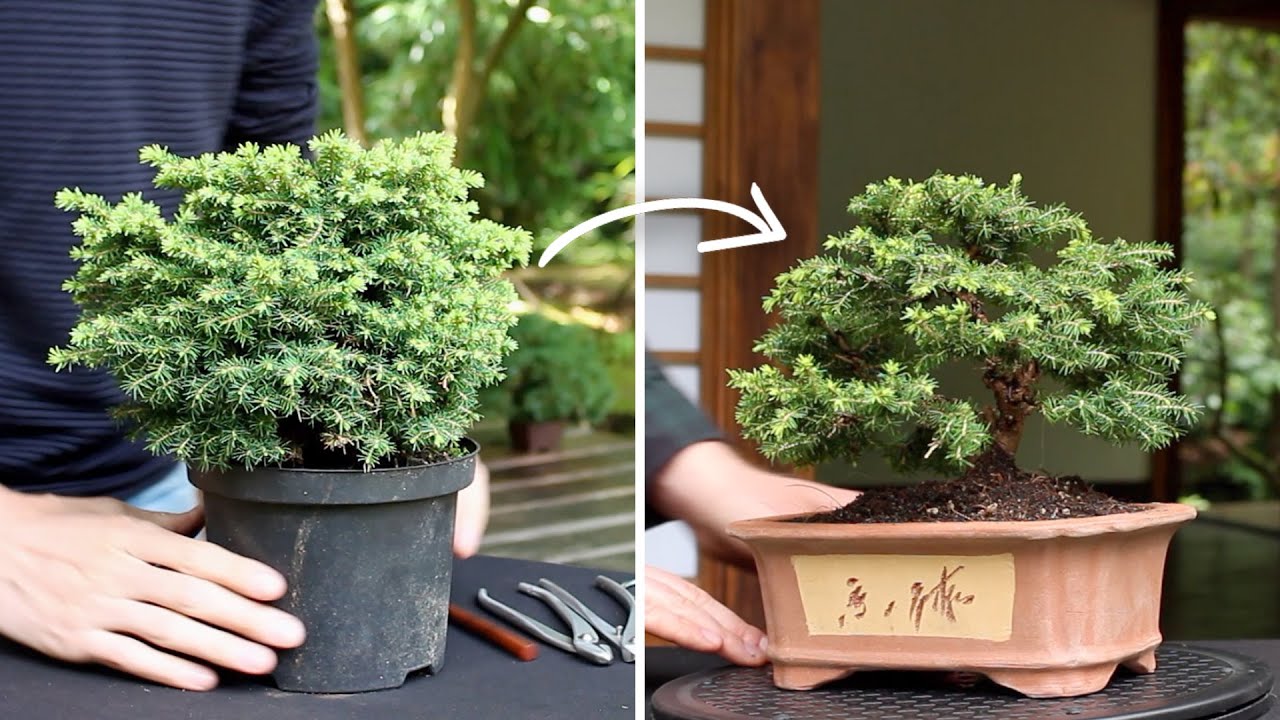
Follow these clear steps to turn a young plant into a bonsai. Each step is simple. Take your time and do it with care.
- Select the tree
- Choose a healthy young tree or nursery stock with a straight trunk and some side branches.
- Decide the style
- Pick a style like informal upright or slanting. Visualize how the trunk will flow.
- Prepare tools and pot
- Sterilize tools. Fit mesh in the drain holes of the pot and add a wire for anchoring if needed.
- Remove the tree and prune roots
- Gently remove the tree from its pot. Trim about one-third of the root mass to encourage a compact root ball.
- Add bonsai soil and plant
- Place a layer of coarse soil in the pot. Position the tree, spread roots, and fill around the root ball with bonsai soil.
- Secure and water
- Anchor the tree with wire through the pot if windy. Water thoroughly until water drains freely.
- Initial wiring and branch pruning
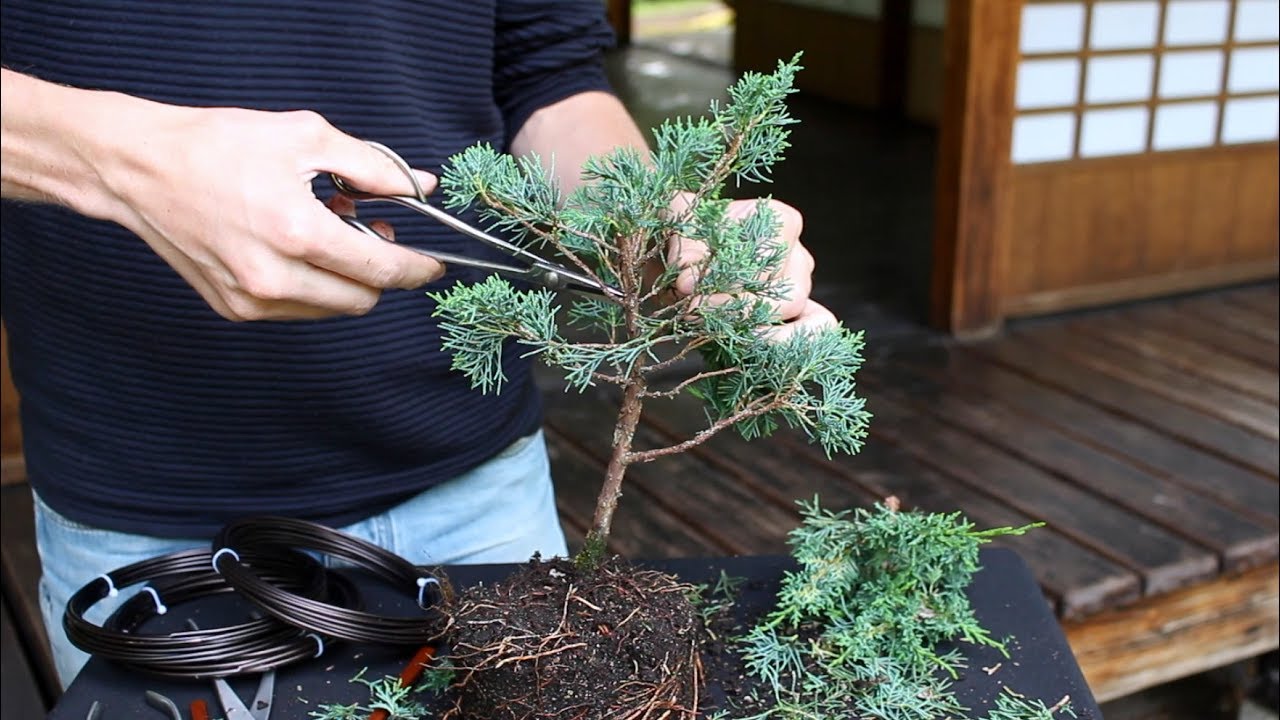
- Wire main branches to create the general shape. Prune back long shoots and remove crossing or weak branches.
- Ongoing care
- Keep the tree healthy with proper light, water, and fertilizer. Rewire or adjust shape as the tree grows.
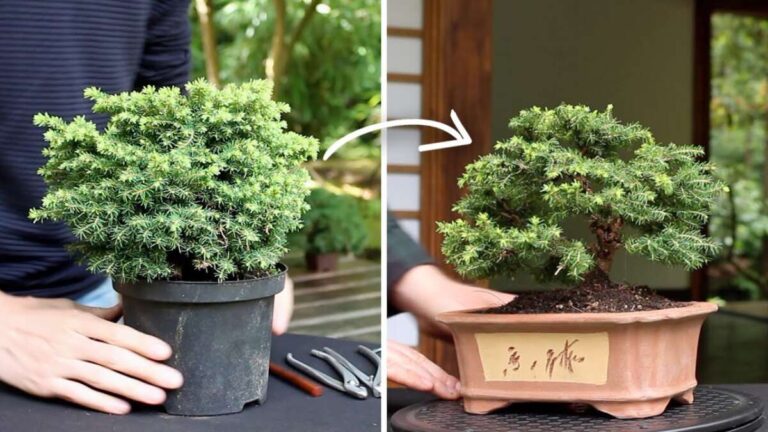
These core steps show you how to make a bonsai tree in a practical way. Repeat pruning and training over months to refine the look.
Soil, pot, and drainage basics
Soil and pot choice affect health and shape. Good soil drains well and holds moisture. Bonsai soil is a mix of organic and inorganic bits.
- Use a mix of akadama or baked clay, pumice, and lava rock, or similar local materials.
- Ensure the pot has drainage holes and a layer of mesh to stop soil loss.
- Shallow pots limit root growth and create that classic bonsai look.
- Repot every 1 to 3 years for young trees to refresh soil and trim roots.
Soil and pot work greatly influences how to make a bonsai tree thrive. Poor drainage leads to root rot. Good soil supports steady growth.

Pruning, wiring, and shaping techniques
Shaping a bonsai is both art and science. Learn basic pruning and wiring to guide the tree’s form without hurting it.
- Prune to create a trunk line and remove unwanted branches. Use thinning cuts to open the canopy.
- Wire branches by wrapping from base to tip. Bend gently and check monthly.
- Remove wire before it bites into bark, usually after a few months.
- Use pinch pruning on deciduous trees to encourage ramification and smaller leaves.
These steps teach you how to make a bonsai tree with controlled growth. Patience and small changes work best.

Watering, light, and feeding
Proper care keeps your bonsai alive and strong. Water, light, and nutrients balance growth and stress.
- Water when the top of the soil feels slightly dry. Don’t let the soil dry out completely.
- Place outdoor bonsai in a bright spot with morning sun and afternoon shade in hot climates.
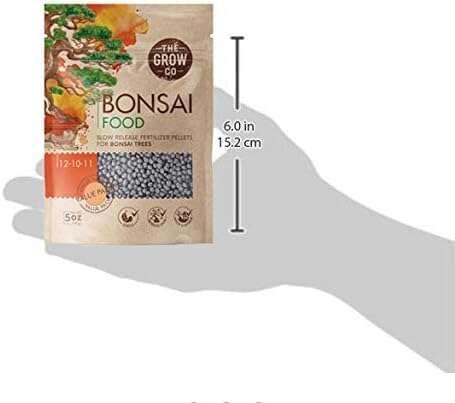
- Fertilize regularly during the growing season with balanced bonsai fertilizer.
- Adjust watering and light by season; trees need less fertilizer in fall and winter.
Master these basics to help your efforts at how to make a bonsai tree succeed over the long term.
Repotting and root management
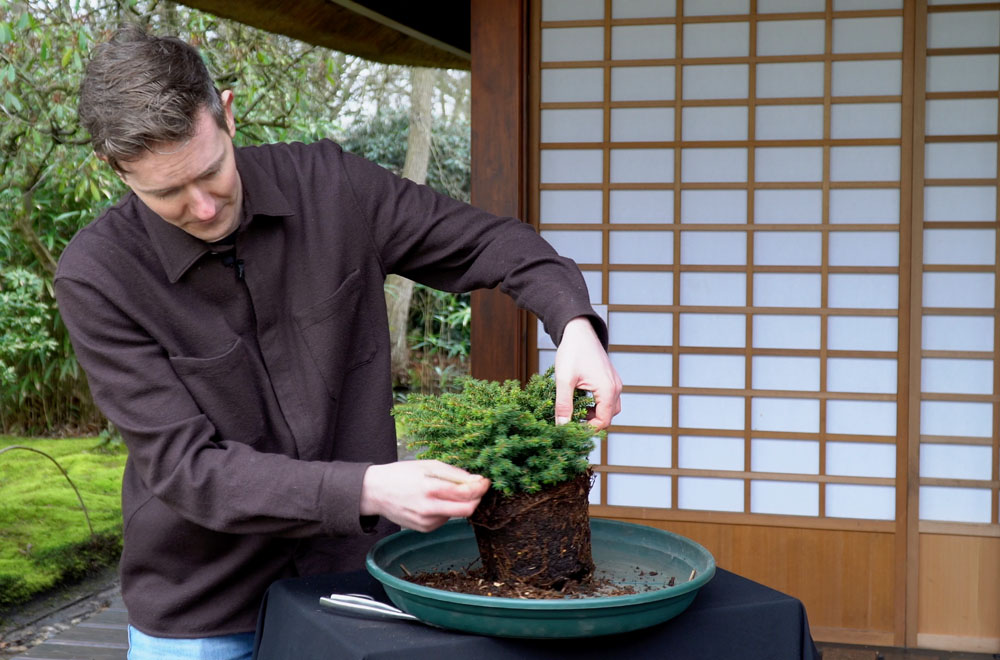
Repotting is key to health and shape. It refreshes soil and lets you trim roots for a compact root system.
- Young trees: repot every 1 year or two. Older trees: every 3–5 years.
- Trim long roots and cut away old soil to encourage new feeder roots.
- Use root hooks or a chopstick to tease out roots before potting.
- After repotting, keep the tree shaded and avoid heavy pruning for a few weeks.
Understanding repotting is essential when you learn how to make a bonsai tree that lasts decades.

Styling, balance, and design principles
Good bonsai looks natural and balanced. Use a few design rules to guide choices.
- Focus on trunk movement, branch placement, and negative space.
- Create a clear front view and a believable sense of age.
- Scale is key: small leaves, fine branches, and a shallow pot create harmony.
- Study classical styles like formal upright, informal upright, cascade, and windswept.
Design choices make the difference between a plant and a finished bonsai. Practice with simple styles first.

Common mistakes and how to avoid them
New growers often repeat avoidable errors. Knowing them speeds progress.
- Overwatering or underwatering: check soil daily until you learn its needs.
- Excessive pruning: remove too much at once and the tree weakens.
- Leaving wire on too long: it will scar the trunk and branches.
- Wrong pot or soil: poor drainage means poor roots and slow growth.
Avoid these and you will reach the part where you confidently know how to make a bonsai tree that improves each season.
Personal experience, tips, and lessons learned
I started with junipers and learned fast by making small mistakes. Sharing what helped me will help you.
- Start simple: my first success came with a nursery ficus. It tolerated errors.
- Keep a journal: note pruning dates, fertilizers, and repotting. Trends show up fast.
- Learn to "wait": the best progress is slow. I reworked a trunk over five years.
- Join a local club or online group: feedback from others shortens the learning curve.
These tips come from hands-on work. They show practical ways to apply how to make a bonsai tree in your home or garden.
PAA-style questions
How long does it take to make a bonsai tree?
The first shape can take months, but refined bonsai often take years. Expect at least 2–5 years for strong character.
Can I make a bonsai from a seed?
Yes, but it takes much longer. Seeds need years of growth and careful shaping to look like mature bonsai.
Is wiring safe for the tree?
Yes if done correctly. Use soft bends, check wire often, and remove it before it cuts in.
Frequently Asked Questions of how to make a bonsai tree
What is the easiest tree to start bonsai with?
Many beginners find ficus, juniper, and elm easy. These species tolerate pruning and recover well from mistakes.
How often should I water my bonsai?
Water when the top soil feels slightly dry. Frequency depends on pot size, soil, and weather, often every 1–3 days for small pots.
Can indoor trees become bonsai?
Some indoor species work well, but most classic bonsai are outdoor trees that need seasonal changes. Choose plants suited to your environment.
When should I repot my bonsai?
Repot young trees every 1–2 years and mature trees every 3–5 years. Spring, just before new growth, is usually best.
Do I need to fertilize my bonsai?
Yes, regular feeding during the growing season supports health and development. Use a balanced fertilizer and reduce in late fall.
Conclusion
You now have a clear roadmap for how to make a bonsai tree: choose the right species, use the right soil and tools, prune and wire with care, and tend to watering and repotting. Start small, keep notes, and be patient—bonsai is a slow craft that rewards steady work. Try one tree this season, learn from it, and share your progress with others to grow faster. Leave a comment with your species choice or a photo, or subscribe to get more step-by-step bonsai help.

Laura Bennett is a gardening writer at MyGardenLabs who creates beginner-friendly guides focused on solving common plant care and gardening problems.