How To Look After Bonsai Tree: Essential Care Tips
Bonsai thrive with regular light, correct watering, pruning, soil, and seasonal care.
I have grown and taught bonsai for over a decade, and this guide shows exactly how to look after bonsai tree with calm detail and clear steps. You will learn simple daily habits, seasonal tasks, and the mistakes to avoid so your bonsai stays healthy and beautiful for years.
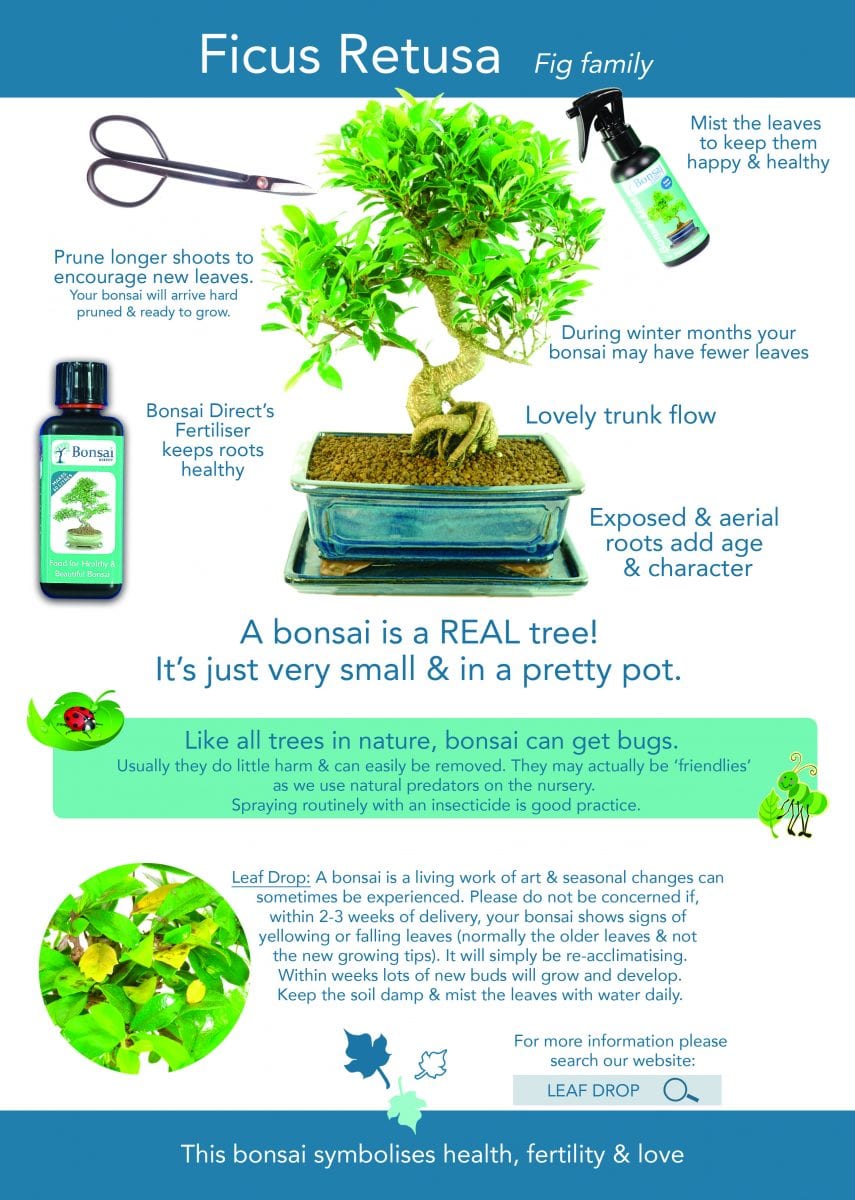
Basics: Understanding how to look after bonsai tree
A bonsai is a full-size tree in miniature. Caring for one is not magical. It is steady care, attention, and small, regular actions.
Key concepts to know:
- Species matters. Tropical, temperate, and conifer bonsai all need different care.
- Scale matters. The small pot limits water and nutrients, so routine is more frequent.
- Intent matters. Are you growing for form, flowers, or health? That decides some choices.
From here, we will cover light, water, soil, pruning, feeding, repotting, pests, and seasonal routines. Follow the steps and your bonsai will reward you.

Light and placement
Knowing how to look after bonsai tree starts with giving the right light. Most bonsai need bright light. Indoor bonsai often need extra help.
Practical tips:
- Place outdoor species where they get morning sun and some afternoon shade.
- Place indoor tropical bonsai near a south or east window for bright, indirect light.
- Rotate the pot weekly so growth stays even.
If light is limited, use a full-spectrum grow light. I use a timer to give my indoor bonsai about 10 hours of light per day during winter.
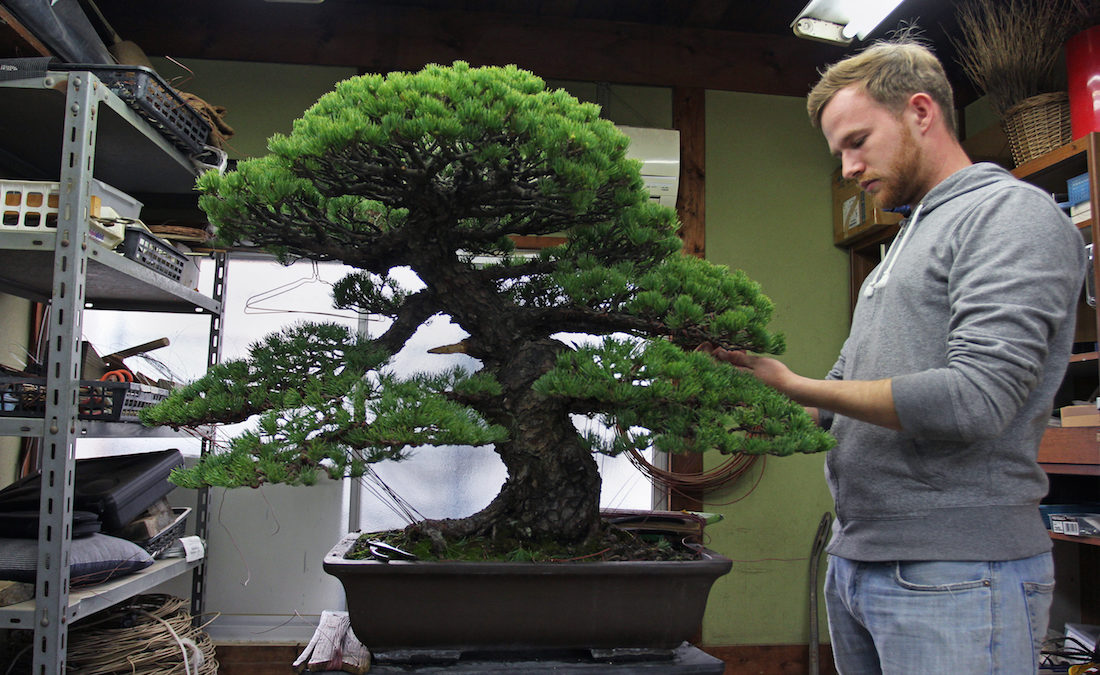
Watering: simple rules that work
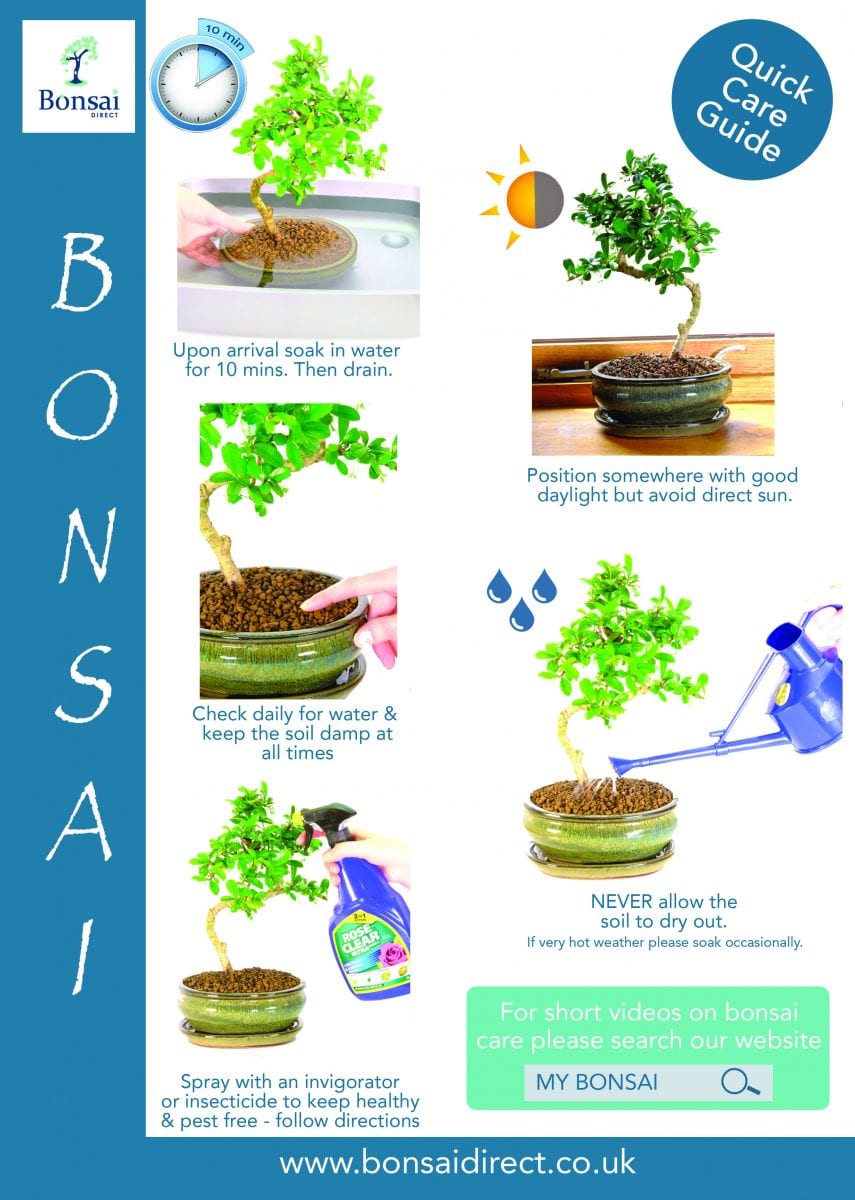
Water is the most common care task when learning how to look after bonsai tree. Water deeply, but not on a fixed schedule only. Water when the top soil feels slightly dry.
How to water:
- Check moisture daily in warm months and every other day in cool months.
- Water until it runs out the drainage holes; this flushes salts and wets the whole root ball.
- Avoid letting the soil dry out completely, and avoid waterlogging the roots.
A bonsai in a small pot dries fast. I learned to lift the pot to feel weight. It’s a simple habit that prevents both over- and under-watering.

Soil, drainage, and potting mix
Soil is the foundation of how to look after bonsai tree. Use a free-draining, moisture-retentive mix suited to your species.
Common mixes use:
- Akadama or clay granules for water retention and structure.
- Pumice for drainage and aeration.
- Lava rock or coarse grit for weight and long-term drainage.
Mix ratios vary by species and climate. Test mixes and observe root health. Good soil prevents root rot and supports strong growth.

Pruning and shaping: timing and technique
Pruning keeps form and size. Pruning is central to how to look after bonsai tree and to keep the silhouette balanced.
Basic pruning tips:
- Use clean, sharp shears for leaf and branch work.
- Prune new shoots in spring and summer to maintain shape.
- Structural pruning is best in late winter when the tree is dormant.
Wiring shapes branches. Wrap wire carefully and remove it before it cuts into bark. I once left wire on too long and learned to check monthly.
:strip_icc()/GettyImages-598322873-409b66c4895d492eb28fde9e752d98ad.jpg)
Fertilizing: feeding for health
Fertilizer replaces nutrients that the small pot cannot supply. Regular feeding is key to learning how to look after bonsai tree successfully.
Guidelines:
- Feed during the growing season. Reduce or stop feeding in winter dormancy.
- Use a balanced fertilizer or one tailored to flowering or conifer species.
- Apply slow-release pellets or diluted liquid feed every 2–4 weeks.
Monitor leaf color and growth. Pale leaves can mean underfeeding; burnt tips can mean overfeeding.

Repotting and root care
Repotting protects root health and is essential to how to look after bonsai tree long term. Repot young trees every 1–3 years and older trees every 3–7 years.
Steps to repot:
- Remove the tree from the pot and gently comb roots.
- Trim long or circling roots and replace old soil with fresh mix.
- Repot in spring for most temperate species, when buds begin to swell.
Repotting risks shock. Keep the tree moist and shaded for a few weeks after repotting.
Pests and diseases: prevention and treatment
Pests and disease show up if care lapses. Detect issues early to keep your bonsai thriving and to maintain how to look after bonsai tree practice.
Common problems and actions:
- Aphids, scale, and spider mites remove sap; treat with horticultural soap or targeted insecticide.
- Root rot comes from poor drainage and overwatering; repot and improve soil.
- Fungal leaf spots often respond to improved airflow and fungicide application.
Inspect leaves and soil weekly. I spray my outdoor bonsai with a mild soap in spring as a preventative step.
Seasonal care: spring, summer, fall, winter
Seasons change light, water, and feeding needs. Adapting is a core part of how to look after bonsai tree.
Seasonal checklist:
- Spring: repot, prune, and begin regular feeding. Increase watering as temperatures rise.
- Summer: watch for heat stress and dry soil; provide shade if needed.
- Fall: reduce feeding and prepare for dormancy. Harden off before winter.
- Winter: protect temperate bonsai from deep freeze; many need cold dormancy but not wet roots.
Plan tasks on a seasonal calendar to keep care consistent and predictable.
Tools and supplies
Good tools make how to look after bonsai tree easier and safer. Invest in a few quality items.
Essential tools:
- Concave cutters for branch removal.
- Fine shears for leaf trimming.
- Root rake and tweezers for repotting and cleaning.
Keep tools clean and sharp. I sterilize blades between trees to stop disease spread.
Common mistakes and how to avoid them
Avoiding errors speeds up learning how to look after bonsai tree. Small habits make big differences.
Common mistakes:
- Overwatering because the pot looks dry on top.
- Poor light causing leggy growth.
- Leaving wiring on too long and cutting bark.
Fix these with routine checks, a watering routine, and monthly wiring inspections. I once overwatered a ficus and learned to switch to weight checks immediately.
Advanced care tips and styling ideas
Once basic care is routine, you can refine how to look after bonsai tree with styling and finer techniques. These add personality and health benefits.
Ideas to try:
- Defoliation on deciduous species for smaller leaves and back-budding.
- Jin and shari for aged bark effects on suitable trees.
- Root-over-rock or literati styles for bold visuals.
Experiment slowly and record results. Keep a journal of pruning, fertilizing, and repotting dates to track what works.
Frequently Asked Questions of how to look after bonsai tree
How often should I water my bonsai?
Water when the top soil feels slightly dry. This often means daily in summer and every couple of days in cooler times.
Can I keep a bonsai indoors year-round?
Some species tolerate indoor life, but many bonsai need seasonal outdoor cold to thrive. Choose tropical species for indoor homes.
When should I repot my bonsai?
Repot in spring for most temperate trees. Young trees need repotting more often than mature ones, usually every 1–3 years.
How do I prevent pests on my bonsai?
Keep good airflow, inspect leaves weekly, and use mild insecticidal soap at first signs. Clean tools and avoid overwatering.
What soil mix is best for bonsai?
Use a free-draining mix with structure, such as clay granules, pumice, and coarse grit. Adjust the ratio for species and climate.
Conclusion
Caring for bonsai is steady, patient work that rewards attention to light, water, soil, pruning, and seasonality. Start with simple routines, learn from mistakes, and grow your skill over time. Try one change at a time, keep a care journal, and enjoy the calm art of bonsai.
Take the next step: pick a species, set up a schedule, and share your progress or questions in the comments.

Laura Bennett is a gardening writer at MyGardenLabs who creates beginner-friendly guides focused on solving common plant care and gardening problems.