Best Fertilizer For Bonsai Trees: Top Picks And Tips
A balanced, slow-release fertilizer (NPK 10-10-10), diluted and applied regularly, works best.
I have grown and fed bonsai for over a decade, and I’ve tested many blends, brands, and methods. This guide draws on hands-on experience and research to explain how to choose the best fertilizer for bonsai trees, how and when to apply it, and common mistakes to avoid. Read on for clear, practical steps you can use with confidence to keep your bonsai healthy and vigorous.

Why fertilizer matters for bonsai trees
Bonsai live in small pots. That limits soil volume and nutrient reserves. Fertilizer replaces what the soil and watering wash away. The right fertilizer helps growth, leaf health, root strength, and flowering or fruiting.
Using the best fertilizer for bonsai trees improves color and vigor. It also reduces stress during repotting and helps recovery after pruning. Think of fertilizer as daily food for a small tree in a confined home.

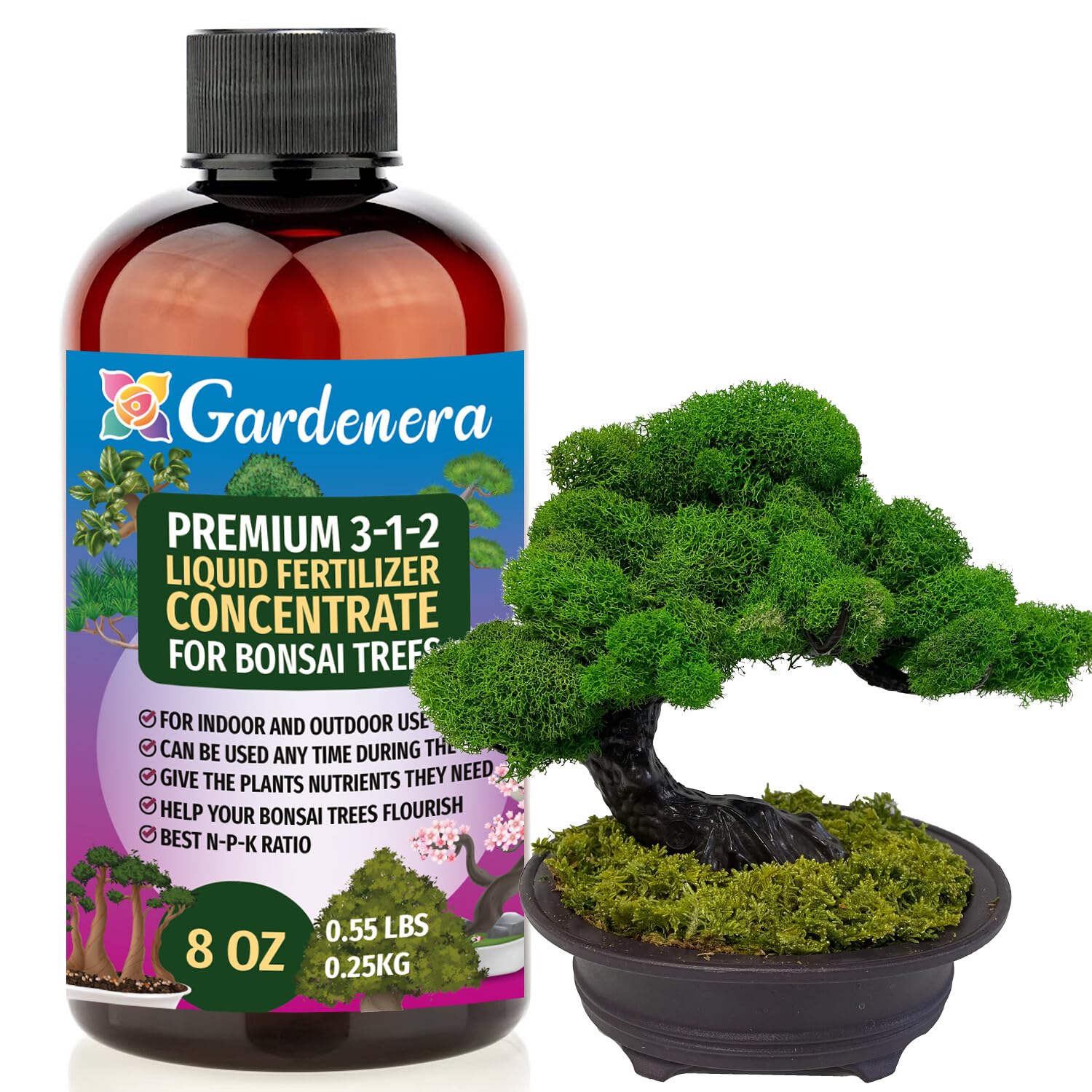
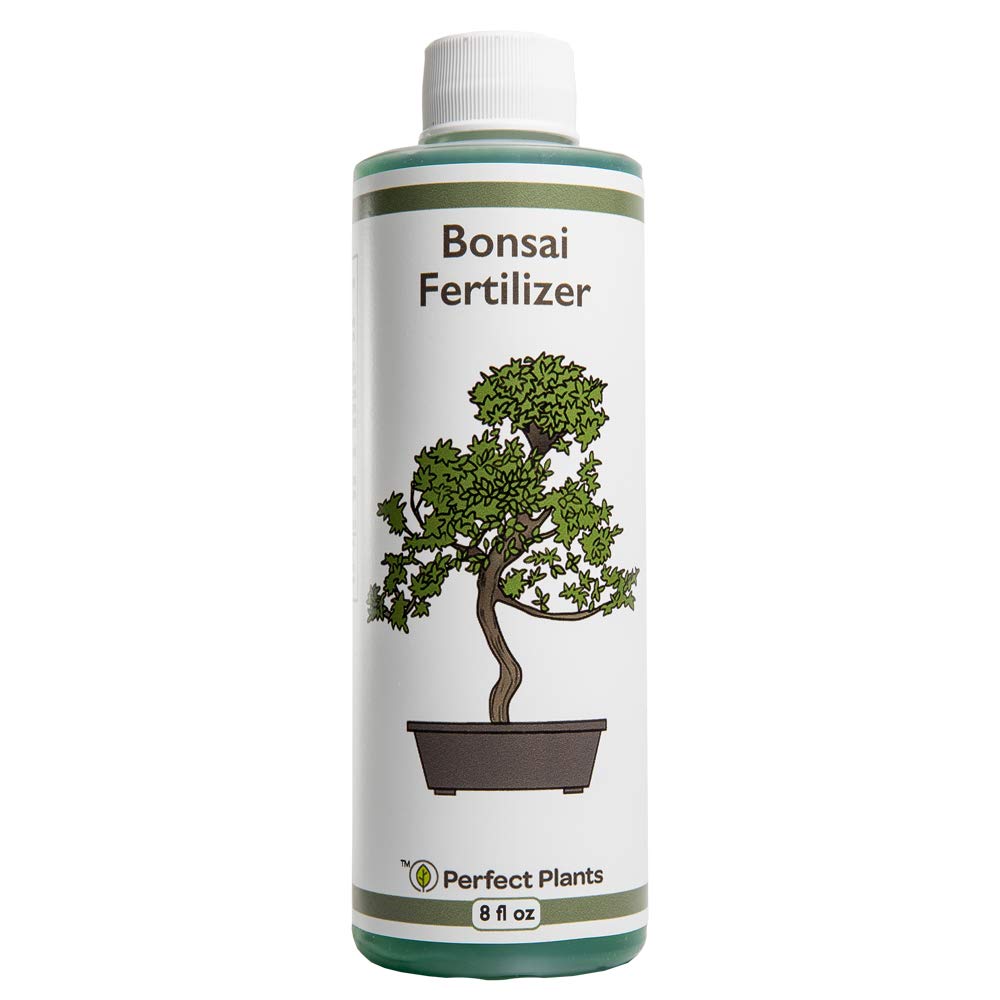
Types of fertilizer for bonsai trees
Choosing a type helps match your tree’s needs. Below are the common types and what each does.
- Liquid fertilizer
- Fast acting. Good for quick feeding and recovery.
- Granular slow-release
- Feeds over weeks or months. Easy and low-maintenance.
- Organic fertilizers
- Compost, fish emulsion, bone meal. Gentler and soil-building.
- Synthetic (chemical) fertilizers
- Precise NPK ratios. Predictable results.
- Foliar feed
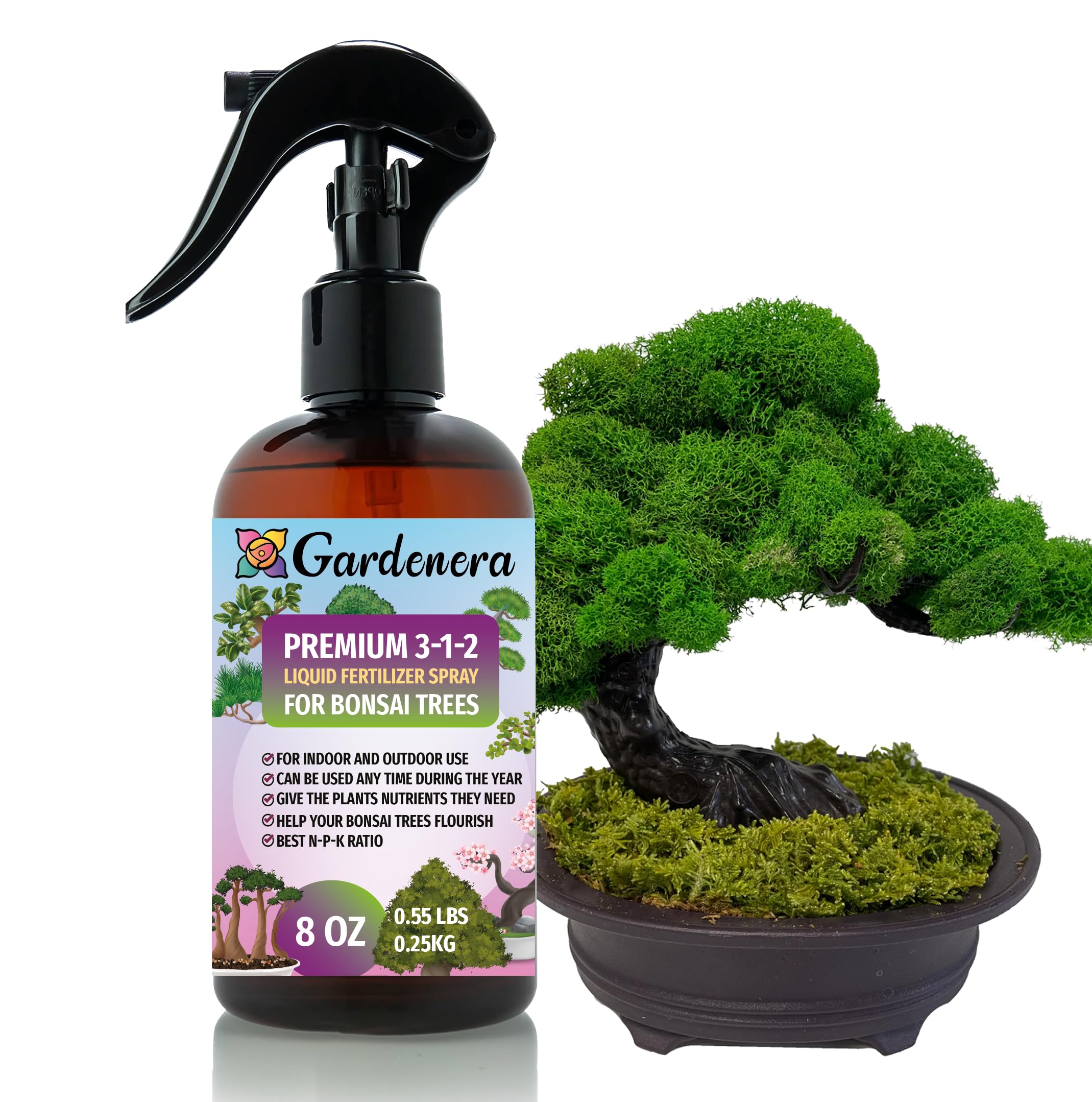
- Sprayed on leaves. Good for nutrient uptake when roots are weak.
Different species and styles react differently. Test small doses first. The best fertilizer for bonsai trees is often a mix: a slow-release for steady feed and a liquid boost during growth spurts.
How to choose the best fertilizer for bonsai trees
Choosing is simple when you match fertilizer to species, season, and potting medium.
- Consider NPK ratio
- Balanced formulas like 10-10-10 suit many trees.
- Higher nitrogen favors leaf growth; higher phosphorus helps roots and flowers.
- Match to species
- Conifers need less nitrogen than deciduous trees in active growth.
- Think about release type
- Slow-release for long-term maintenance.
- Liquid for short-term correction or active growth.
- Check pH compatibility
- Some fertilizers affect soil pH. Match to your soil and species preferences.
- Safety and convenience
- Organic blends reduce burn risk. Synthetic options give precise control.
From my experience, a balanced slow-release granular plus a mild liquid feed in spring and summer makes a reliable routine. The best fertilizer for bonsai trees depends on your style—display bonsai may need more precision than recreational trees.

How to apply fertilizer to bonsai trees
Correct application prevents burn and waste. Follow simple, repeatable steps.
- Read the label before you feed. Follow the recommended dilution and frequency.
- Apply during active growth. Late spring to early fall is prime for most species.
- Water before feeding. Wet soil helps even distribution and reduces burn risk.
- Use diluted liquid feed for weekly boosts and slow-release granules for monthly or seasonal feeding.
- Avoid feeding stressed or dormant trees. Skip during cold dormancy unless species-specific guidance says otherwise.
Practical tip: I use half the recommended strength when trying a new product. This prevents root shock. The best fertilizer for bonsai trees is one you can dose precisely and that your tree tolerates well.

Seasonal feeding schedule for bonsai trees
Feed with the tree’s cycle, not the calendar. A short, clear schedule helps.
- Spring (active growth)
- Start regular feeding as buds open. Use balanced liquid every 2–4 weeks and a granular in early spring.
- Summer (steady growth)
- Continue feeding. Reduce strength if growth is excessive or foliage looks soft.
- Fall (slow down)
- Gradually reduce fertilizer to let the tree harden off. Stop high-nitrogen feeds six weeks before dormancy.
- Winter (dormant)
- Most trees need little to no fertilizer. Exception: tropical indoor bonsai may need minimal feed year-round.
A steady plan makes the best fertilizer for bonsai trees more effective. Seasonal timing reduces stress and improves long-term health.

Common mistakes and troubleshooting
Avoid these frequent errors to keep your bonsai thriving.
- Overfeeding
- Leaves burn, roots weaken, and soil salts build up. Flush the pot if you see white crust.
- Using the wrong NPK
- Excess nitrogen can cause weak growth and reduce flowering.
- Feeding during dormancy
- This wastes fertilizer and can harm roots.
- Ignoring soil health
- Fertilizer cannot fix poor drainage or compacted soil.
- Not adjusting for water quality
- Hard water raises soil salts. Test and flush if needed.
If you see yellow leaves, slow growth, or sudden leaf drop, stop feeding and inspect roots and soil. Often the issue is watering or root health, not fertilizer alone. The best fertilizer for bonsai trees will not fix a bad potting mix.
My hands-on tips and lessons learned
I’ve killed a few trees by being over-enthusiastic. Here are practical lessons I learned the hard way.
- Start light and observe. I began with quarter-strength mixes and increased only when I saw new growth.
- Keep a feeding log. Note product, dose, and date. This helped me track what works with each species.
- Combine methods. Slow-release in spring, liquid boosts in midsummer, and organic foliar sprays for stress periods worked best for me.
- Repot before major feeding changes. Fresh soil absorbs nutrients better.
- Test one product at a time. Changing many variables hides what helped or harmed the tree.
These steps helped me find the best fertilizer for bonsai trees in my collection. Small, steady improvements beat dramatic changes.
People also ask — short answers
What NPK ratio is best for bonsai trees?
Balanced ratios like 10-10-10 are a good starting point; adjust for species and growth goals.
Can I use houseplant fertilizer for bonsai?
Yes, but dilute houseplant fertilizer more. Bonsai need careful dosing due to small soil volume.
How often should I fertilize my bonsai?
Typically every 2–4 weeks with liquid feed and every 2–3 months with a slow-release granule during the growing season.
Is organic fertilizer better for bonsai?
Organic fertilizer is gentler and improves soil life, but it may be slower and less precise than synthetic options.
Will fertilizer make my bonsai grow too fast?
Too much high-nitrogen fertilizer can cause excessive, weak growth. Use balanced formulas and moderate doses.
Frequently Asked Questions of best fertilizer for bonsai trees
What is the single best fertilizer for bonsai trees?
There is no single best product for every situation. A balanced, slow-release granular plus a mild liquid boost suits many bonsai.
How do I prevent fertilizer burn in bonsai?
Water before feeding, use lower-than-recommended doses at first, and flush the pot if salts build up.
Can I use compost tea on bonsai?
Yes, compost tea is a gentle organic option that adds nutrients and beneficial microbes when used in moderation.
Should indoor and outdoor bonsai get the same fertilizer?
Indoor bonsai often need milder, more frequent liquid feeds. Outdoor bonsai can handle stronger, seasonal schedules.
When should I stop fertilizing bonsai for winter?
Stop high-nitrogen feeds about six weeks before expected dormancy. Tropical bonsai may need minimal year-round feed.
Conclusion
Feeding bonsai is simple when you match fertilizer type, dose, and timing to the tree and season. Start with a balanced, slow-release product and add diluted liquid feeds during active growth. Keep records, watch your trees, and adjust based on response. Try a careful routine and you’ll see stronger roots, fuller foliage, and better blooms. If this guide helped, try a small change this week—test a balanced feed and note the results, and leave a comment to share your progress.

Laura Bennett is a gardening writer at MyGardenLabs who creates beginner-friendly guides focused on solving common plant care and gardening problems.