How To Start A Bonsai Tree: Easy Beginner Guide
Start a bonsai tree by choosing a hardy seedling or nursery tree and learning basic pruning.
I’ve grown and taught bonsai for years, and this guide will walk you step-by-step through how to start a bonsai tree with confidence. You’ll get clear choices, simple techniques, and practical tips based on real experience so you can begin shaping a living work of art.

Why start a bonsai tree?
Bonsai is both art and horticulture. Learning how to start a bonsai tree gives you a long-term creative hobby that improves focus and patience. It also deepens your connection to plants and seasons.
Benefits of learning how to start a bonsai tree:
- Low space needs, making it ideal for apartments and small yards.
- A rewarding, mindful activity that evolves over years.
- Teaches plant care, pruning, and observation skills.
Limitations and realities:
- Bonsai requires consistent care and some trial and error.
- Not every tree species suits every climate or indoor life.
- Expect slow progress; bonsai is a marathon, not a sprint.

Choosing the right tree species to start a bonsai tree
Pick a species that fits your climate and experience. For beginners, choose hardy, forgiving trees that tolerate pruning and repotting.
Good starter species for how to start a bonsai tree:
- Juniper: outdoor, forgiving, classic bonsai look.
- Ficus: indoor-tolerant, handles root pruning well.
- Chinese elm: hardy, adapts to indoor or outdoor.
- Maple (some types): beautiful leaves, needs seasonal care.
Consider these factors when choosing:
- Climate: outdoor species usually need winter chill; indoor types need bright light.
- Leaf size: smaller leaves look more in scale on a bonsai.
- Growth rate: faster growers show shaping results sooner but need more pruning.
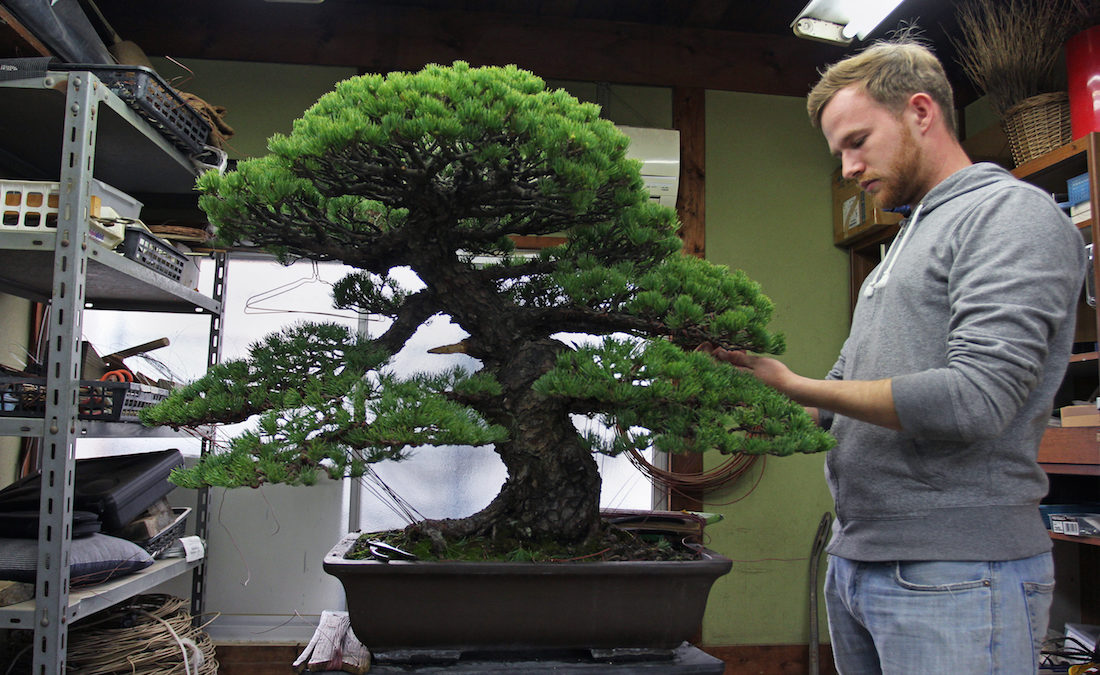
Starting from seed, cutting, or nursery stock: best route to start a bonsai tree
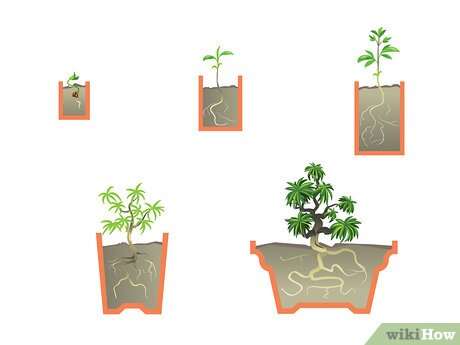
You can begin how to start a bonsai tree from seed, cutting, or a young nursery tree. Each method has pros and cons.
From seed:
- Pros: full control of design and strong root development.
- Cons: slow—years before a bonsai look.
From cuttings:
- Pros: faster than seed, keeps parent traits.
- Cons: some species root poorly; needs skill.
From nursery stock (recommended for most beginners):
- Pros: faster results, widely available, affordable.
- Cons: may need more root work to fit a bonsai pot.
Step-by-step for nursery stock method:
- Select a healthy young tree with good trunk shape.
- Remove excess soil and prune roots lightly.
- Place in a temporary training pot with bonsai soil.
- Begin crown pruning and basic wiring after a season of recovery.

Tools and supplies to start a bonsai tree
You don’t need a full shop to start a bonsai tree. A few good tools make work cleaner and safer.
Essential tools:
- Concave pruning shears for clean branch cuts.
- Wire cutters and bonsai wire for shaping.
- Root rake for teasing roots at repotting.
- A shallow training pot and mesh for drainage.
Other helpful items:
- Quality bonsai soil mix for good drainage.
- Slow-release fertilizer or balanced liquid feed.
- A humidity tray for indoor trees and a spray bottle.
Buy one good tool at a time. Cheap tools make tasks harder; quality saves frustration.
:strip_icc()/conifer-bonsai-5b4a29c9-363681044cd84f8c927adf91f21ed9b2.jpg)
Soil, potting, and transplanting when you start a bonsai tree
Soil is one of the most important parts of how to start a bonsai tree. Bonsai soil must drain well and hold enough moisture for roots.
Basic bonsai soil components:
- Akadama or clay granules for water retention and structure.
- Pumice for aeration and nutrient retention.
- Lava rock or grit for drainage.
Potting steps to start a bonsai tree:
- Choose a pot with drainage holes and place mesh over holes.
- Add a layer of coarse grit, then a layer of bonsai mix.
- Position the root ball, spread roots, and backfill with mix.
- Water thoroughly and let the tree rest in shade for a week.
When to repot:
- Young trees: every 1–3 years.
- Older trees: every 3–5 years.
Repot in early spring for temperate species before new growth.
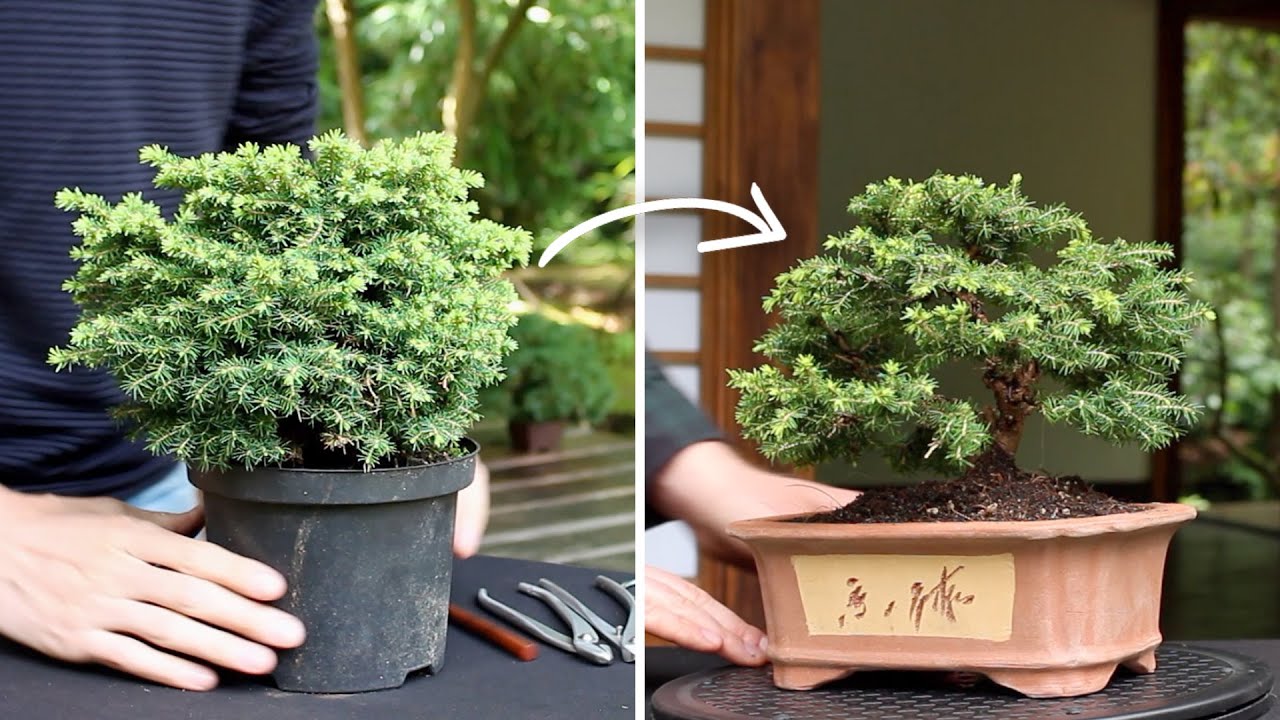
Basic pruning, wiring, and shaping techniques to start a bonsai tree
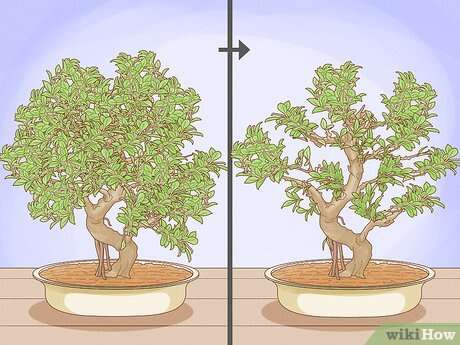
Pruning controls size and encourages ramification. Wiring helps direct branch growth and create a pleasing silhouette.
Pruning basics:
- Trim new shoots to maintain silhouette and encourage branching.
- Remove crossing branches and dead wood.
- Use clean cuts and sterilize tools between major jobs.
Wiring basics:
- Choose wire diameter about one-third the branch thickness.
- Wrap at a 45-degree angle from trunk outward; do not over-tighten.
- Monitor wire and remove after 3–6 months to avoid scarring.
Styling tips when you start a bonsai tree:
- Start with a strong trunk line and basic branch placement.
- Aim for balance and asymmetry; empty space is part of the design.
- Keep changes gradual; heavy pruning can shock the tree.
:strip_icc()/bonsai-tree-in-pot-08f160bd-27b8b207a8994292b2aae34c22c2431e.jpg)
Watering, feeding, and seasonal care to keep your bonsai tree healthy
Watering is the most common cause of beginner mistakes when learning how to start a bonsai tree. Water needs vary by species, pot size, and weather.
Watering rules:
- Water when the top soil feels slightly dry; don’t keep it waterlogged.
- Use a slow, even pour so water reaches the whole root mass.
- Indoor trees often need less water but more humidity.
Feeding schedule:
- Use a balanced fertilizer during the growing season.
- Slow-release pellets or diluted liquid feed work well.
- Reduce feeding in fall and stop in winter for dormant temperate species.
Seasonal care:
- Protect outdoor bonsai from extreme cold or heat.
- Move indoor tropical bonsai to brighter spots in winter.
- Adjust watering and feeding based on growth cycles.
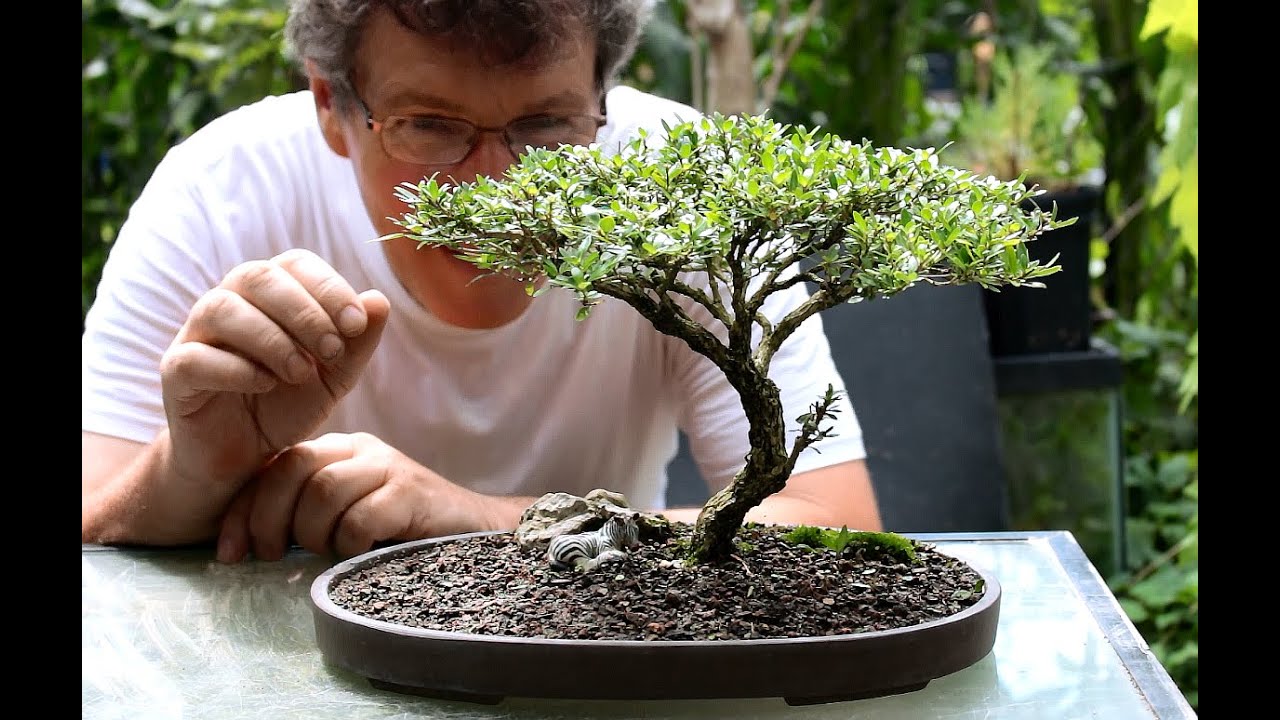
Common problems and troubleshooting when you start a bonsai tree
Problems are learning opportunities. Knowing common issues helps you save a struggling tree.
Root rot and overwatering:
- Symptoms: yellow leaves, soft roots.
- Fix: repot into dry, well-draining soil and reduce watering.
Pests:
- Common pests: aphids, scale, spider mites.
- Treat quickly with gentle insecticidal soap or horticultural oil.
Leaf drop or stress after repotting:
- Normal for a short time. Keep the tree in stable light and avoid heavy pruning.
Slow growth:
- Check soil, light, and feeding. Consider repotting with fresh mix if roots are compacted.

My experience: lessons and mistakes when I learned how to start a bonsai tree
I started how to start a bonsai tree with a juniper I bought at a nursery. I learned to be patient and to focus on root care first. Early mistakes taught me more than quick success ever would.
Key lessons I learned:
- Don’t overwire too early; wiring a stressed tree harms recovery.
- Repot at the right time—too soon disrupts roots; too late stunts growth.
- Small regular pruning beats one big cut; it produces finer branches.
A simple project to practice:
- Buy an inexpensive nursery tree.
- Follow basic root prune and repot steps.
- Shape a basic silhouette and watch how the tree responds for a year.
PAA-style questions (People Also Ask)
What is the easiest way to start a bonsai tree?
- Start with a hardy nursery tree, repot into bonsai soil, and begin light pruning to build shape.
How long before a bonsai looks like a bonsai?
- With nursery stock, you can see bonsai-style results in 1–3 years; seeds take much longer.
Can I keep a bonsai indoors?
- Some species like ficus do well indoors, but most traditional bonsai prefer outdoor conditions with seasonal changes.
How often should I water after I start a bonsai tree?
- Check soil daily early on; water when the top inch feels slightly dry, adjusting for pot size and weather.
Is wiring safe for young trees?
- Wiring is safe when done gently and monitored; remove wire before it cuts into the branch.
Frequently Asked Questions of how to start a bonsai tree
How long does it take to establish a bonsai tree?
Most beginners see basic shaping within 1–3 years using nursery stock. Creating a mature, refined bonsai takes many years of care and refinement.
What is the best season to start a bonsai tree?
Early spring is best for most temperate species because the tree recovers quickly and grows actively. Tropical species can be repotted and trained year-round in stable indoor conditions.
Do I need special soil to start a bonsai tree?
Yes. Use a well-draining bonsai soil mix that combines water retention and aeration to promote healthy roots. Regular garden soil usually compacts and suffocates roots.
How often should I prune when I start a bonsai tree?
Light pruning every few weeks in the growing season maintains shape; major structural pruning is best done in early spring or late winter. Avoid heavy cuts during times of stress.
Can I start a bonsai tree from a cutting?
Yes. Many species root well from cuttings and can become excellent bonsai. Rooting cuttings is faster than seed but may need rooting hormone and patience.
Conclusion
Starting a bonsai tree is a hands-on journey that blends technique, observation, and patience. Focus first on choosing the right tree, learning basic pruning and root care, and keeping simple seasonal routines. Take one small step this week: choose a beginner-friendly species or buy a young nursery tree, and practice a single pruning or repotting task to build confidence. Share your progress, ask questions, and keep learning—your bonsai will grow with you.

Laura Bennett is a gardening writer at MyGardenLabs who creates beginner-friendly guides focused on solving common plant care and gardening problems.