What Is A Bonsai Tree: Complete Beginner’s Guide
A bonsai tree is a living, miniature tree trained and shaped through careful pruning and care.
I’ve spent over a decade growing, teaching, and studying bonsai trees, so I know how rewarding and confusing the question what is a bonsai tree can be. This guide explains what is a bonsai tree in simple terms, shows how bonsai differ from regular houseplants, and gives clear steps, examples, and tips you can use right away. Read on to learn the art, care, and joy of bonsai from someone who has worked with them for years.
What is a bonsai tree?
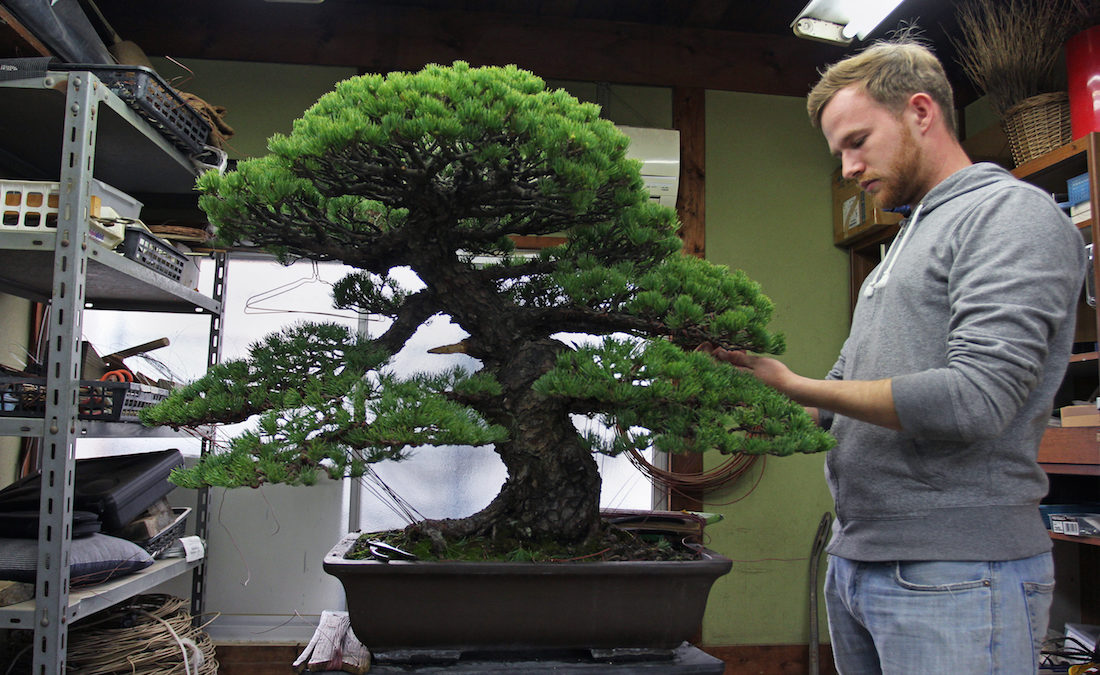
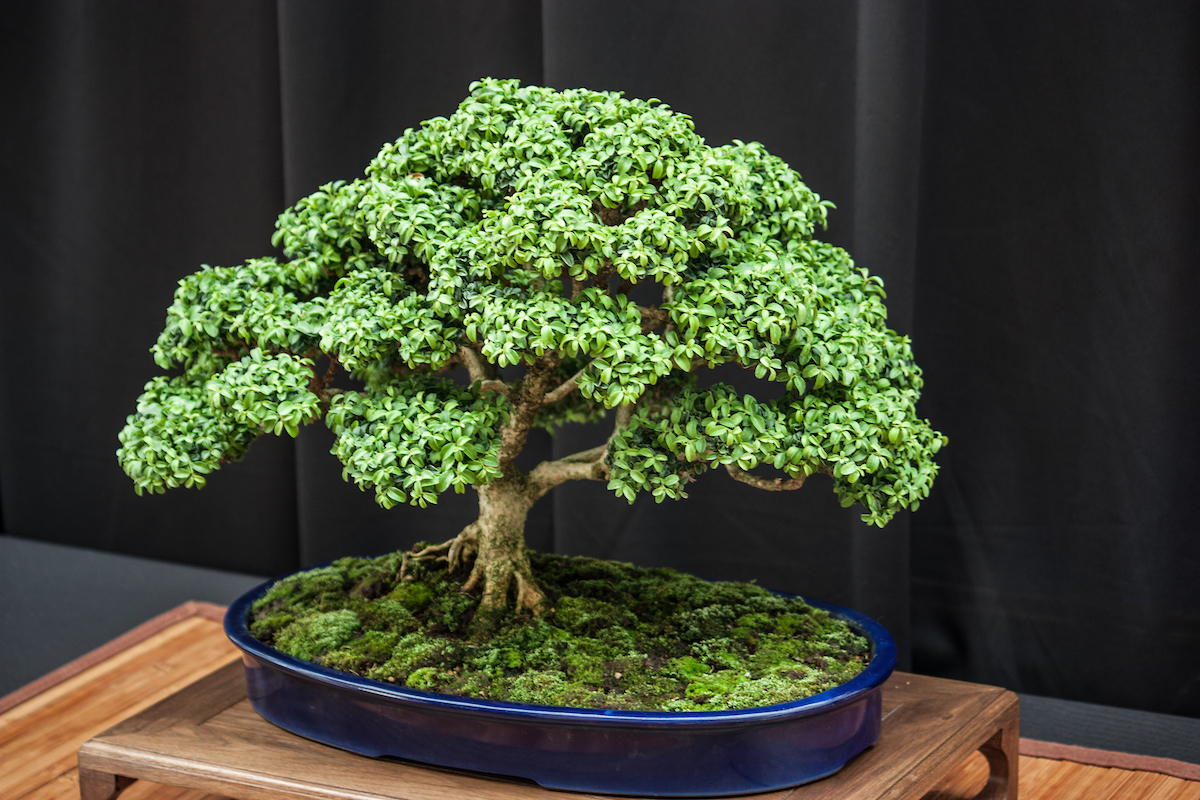
A bonsai tree is a small, living tree kept in a shallow pot and shaped to look like a mature, full-size tree. The phrase what is a bonsai tree often brings to mind tiny oaks or pines, but bonsai refers to the technique. Bonsai focuses on proportion, line, and the tree’s illusion of age. The goal is harm-free shaping so the tree stays healthy while appearing ancient and balanced.
Bonsai are not a species. Any woody plant that tolerates pruning can become a bonsai. The practice blends horticulture with design. When people ask what is a bonsai tree, they want to know both the botanical and artistic sides. This section explains both.
History and cultural roots
Bonsai began centuries ago in East Asia as a living art form. Early practitioners moved small trees and rocks into containers to study nature in miniature. Over time, techniques moved across cultures and evolved. Modern bonsai balances traditional rules with new styles and species.
Knowing where bonsai came from helps answer what is a bonsai tree. It shows why certain forms are valued and why patience matters. The cultural roots also explain common terms you will see in bonsai books and classes.
Common bonsai styles and types
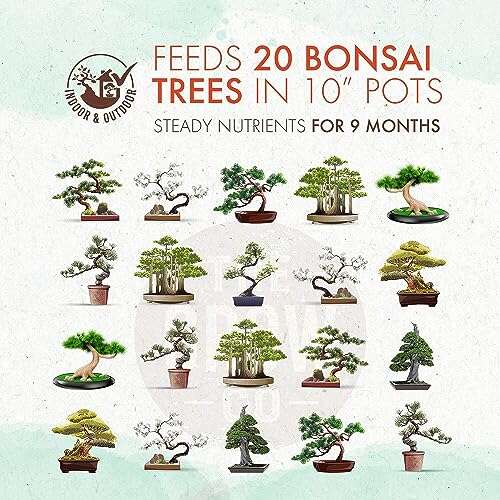
Below are classic bonsai styles you’ll see often:
- Formal upright — A straight trunk with balanced branches on both sides.
- Informal upright — The trunk curves gently, giving a natural look.
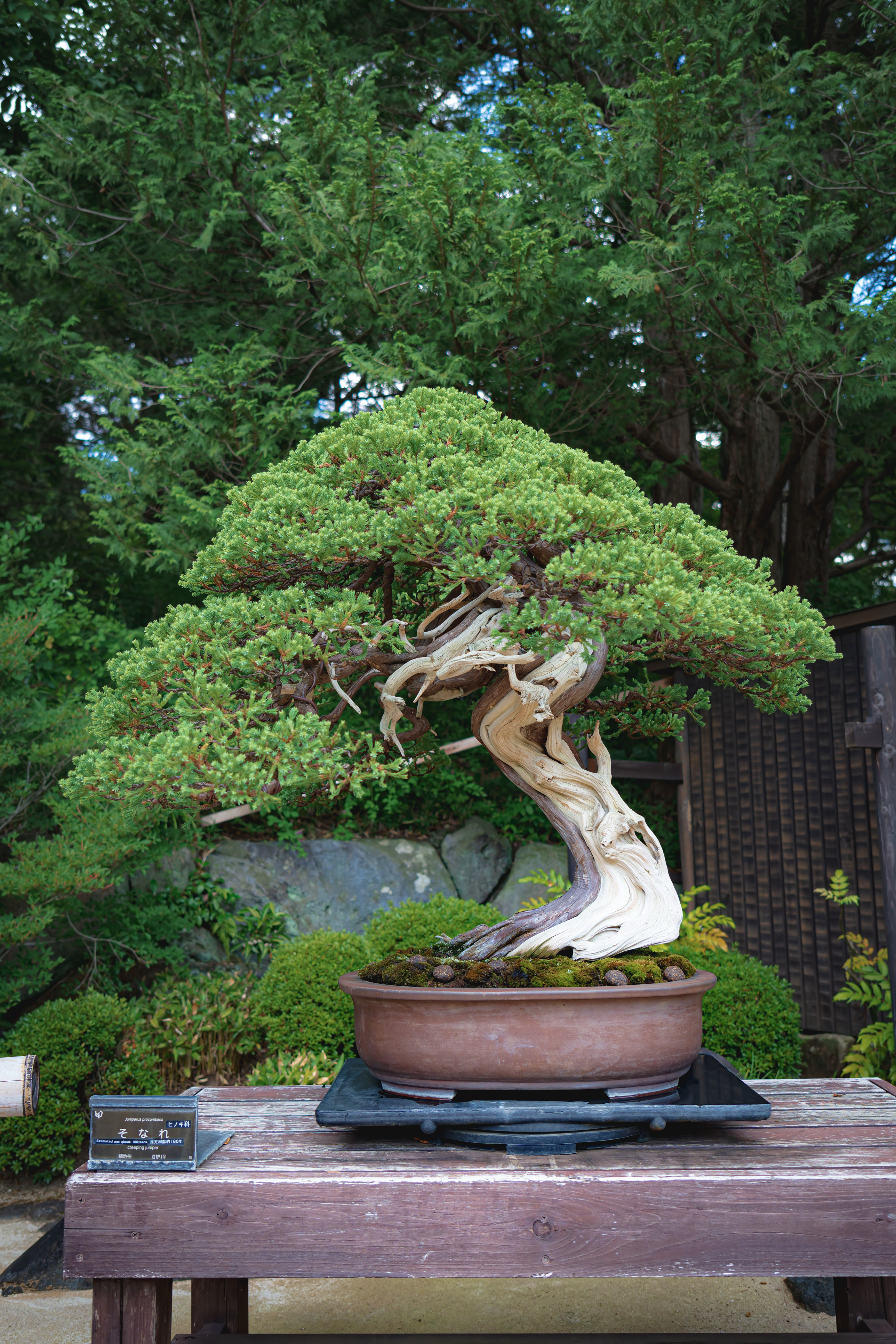
- Slanting — The trunk grows at an angle, often from a windswept scene.
- Cascade — The trunk or branches hang downward, mimicking cliff trees.
- Literati — Sparse branches and dramatic trunk twists for a simple, elegant look.
- Windswept — Branches lean as if buffeted by strong wind.
Types by species:
- Junipers and pines — Popular for their bark and evergreen form.
- Maples — Loved for leaf shape and fall color.
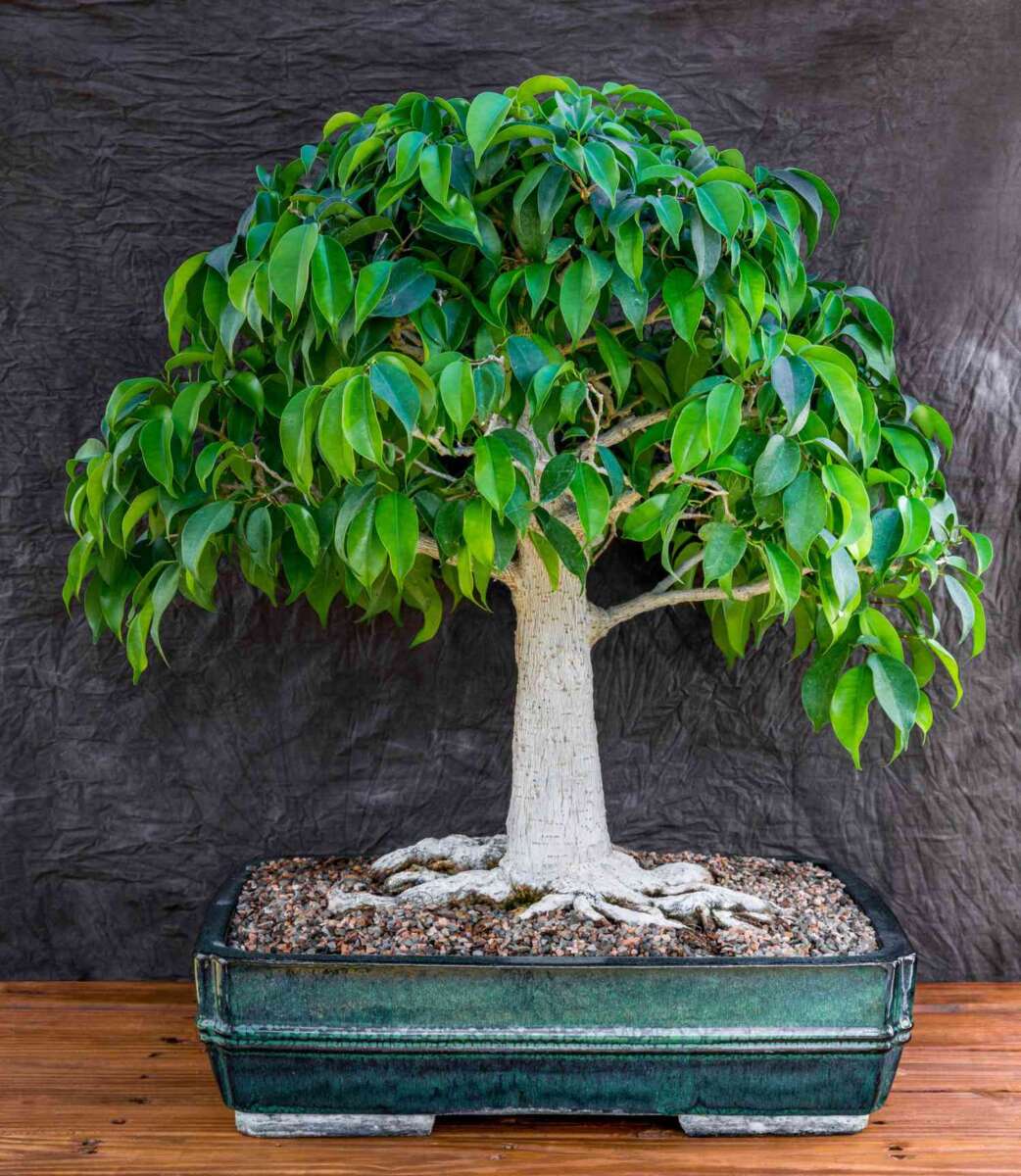
- Ficus and elms — Great indoor species with small leaves.
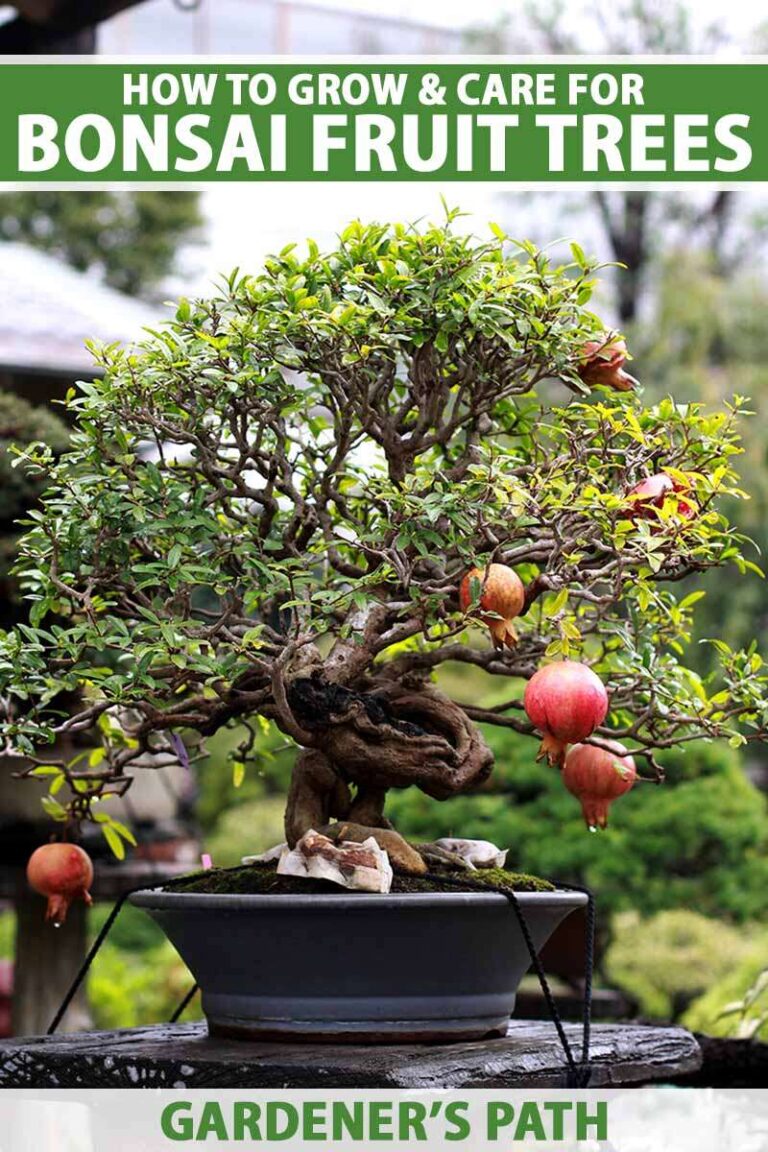
- Flowering bonsai — Cherry, azalea, and plum provide seasonal blooms.
These styles help shape the answer to what is a bonsai tree by showing the art choices behind any small tree.

How bonsai is made: basic techniques
Creating bonsai uses a few key techniques. Each step shapes growth without harming the plant.
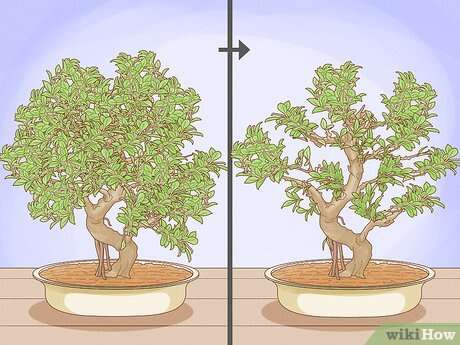
- Pruning — Remove branches and leaves to guide shape and size. Prune for both structure and foliage control.
- Wiring — Wrap wire around branches to bend and position them. Remove wire before it cuts into bark.
- Root pruning — Trim roots when repotting to keep the tree small and healthy.
- Repotting — Replace soil and adjust roots every 1–5 years, depending on species and size.
- Pinching — Remove new shoots by hand to slow growth and keep fine detail.
These methods answer what is a bonsai tree in practice: a living sculpture shaped through repeatable care. Use gentle steps and watch how the tree responds over months and years.

Bonsai care basics
Good care keeps a bonsai healthy while maintaining form. Here are the essentials:
- Light — Most bonsai need bright light. Outdoor species often do best outside.
- Water — Water when the topsoil feels slightly dry. Avoid overwatering and waterlogging.
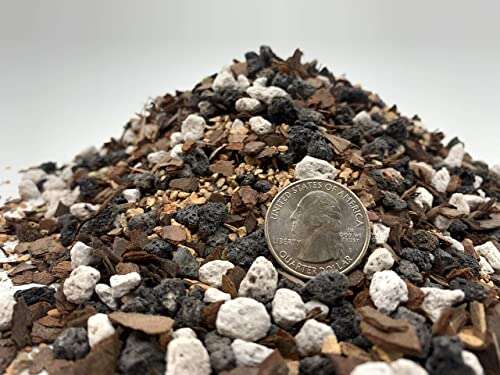
- Soil — Use fast-draining bonsai soil mixes for air and water balance.
- Fertilizer — Feed during the growing season with a balanced fertilizer.
- Pruning schedule — Prune structure in late winter and do light maintenance year-round.
- Pests and diseases — Check regularly for scale, mites, or root rot and treat early.
Understanding these basics helps answer what is a bonsai tree by showing the ongoing care behind the miniature form.
:max_bytes(150000):strip_icc()/ML_Grow_Bonsai-8-2000-54d3d1a7424b4359b44e52383f40b834.jpg)
Benefits of growing a bonsai
Growing bonsai is more than a hobby. It brings clear benefits.
- Stress relief — Caring for plants lowers stress and helps focus.
- Creative outlet — Bonsai lets you design living art over years.
- Learning patience — Bonsai teach slow thinking and long-term planning.
- Home decor — A well-trained bonsai adds calm and style to a space.
- Connection to nature — You watch seasonal changes on a small, personal scale.
These benefits show why people ask what is a bonsai tree and why they keep returning to the craft.

Common mistakes to avoid
Here are mistakes I see often when people start bonsai:
- Overwatering — Many beginners water too often. Check soil first.
- Rushing styling — Don’t force dramatic changes in one session. Work gradually.
- Wrong species placement — Keep outdoor species outdoors, and indoor types near bright light.
- Leaving wire too long — Wire can scar if left on as branches grow.
- Ignoring roots — Healthy roots make strong bonsai; neglect causes decline.
Avoiding these errors saves time and keeps trees healthy. These mistakes clarify what is a bonsai tree by highlighting how delicate balance matters.
My personal experience with bonsai trees
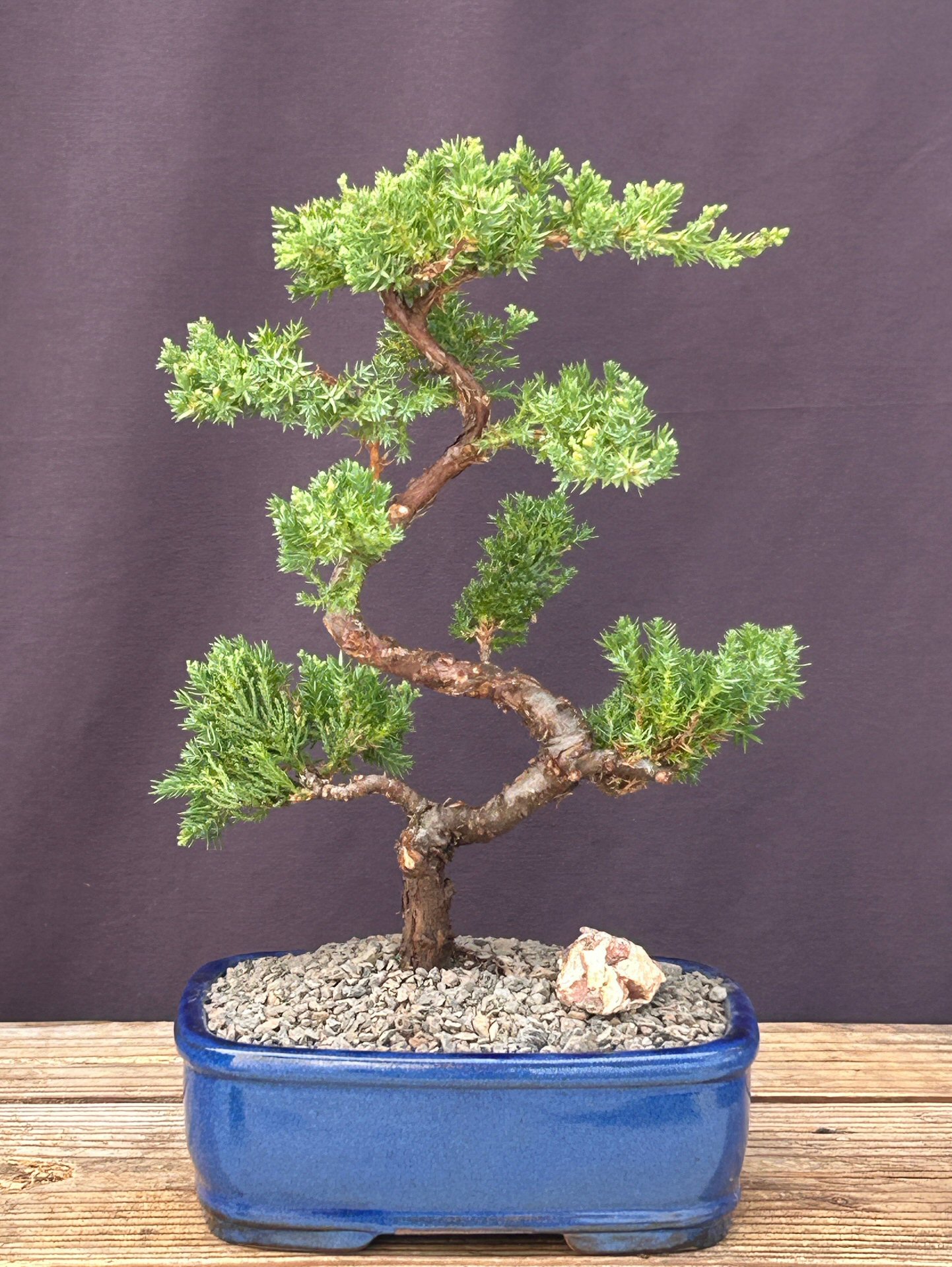
I started with a small juniper ten years ago. I killed two trees early on with overzealous pruning and learned to slow down. I now teach beginners to prune lightly and observe weekly. One trick I use is to photograph the tree before each wiring session. The photos help me track progress and avoid repeating errors.
From hands-on work, I learned that bonsai rewards patience. Small choices accumulate. This experience shapes how I answer what is a bonsai tree: it is an ongoing relationship with a living plant.
People also ask
What is the difference between bonsai and potted plants?
Bonsai are shaped to look like mature trees in miniature, with careful pruning and root control. Potted plants are often grown for utility or decoration without the same long-term shaping.
Can any tree become a bonsai?
Many woody species can become bonsai if they respond well to pruning and root trimming. Some species are easier for beginners, like ficus, juniper, and elm.
How long does it take to make a bonsai?
You can shape a basic bonsai in several months, but a refined tree often takes years or decades. Patience and steady care are key.
Frequently Asked Questions of what is a bonsai tree
What is a bonsai tree made of?
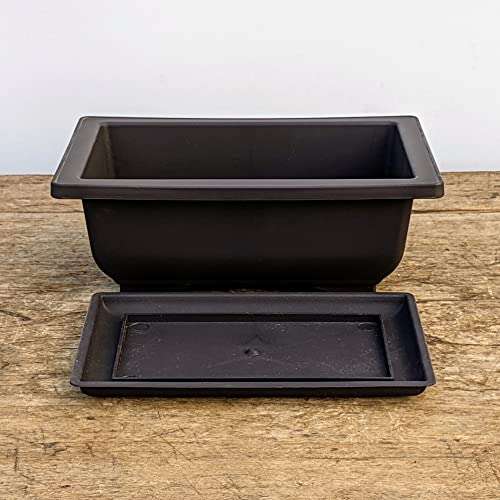
A bonsai tree is made of a living tree, soil, and a shallow pot. The living part is trained through pruning, wiring, and root care to keep a miniature, balanced form.
Do bonsai trees stay small forever?
Bonsai remain small as long as you continue to prune roots and branches and repot regularly. If left unmanaged, a bonsai can outgrow its pot and return to normal size.
Are bonsai trees indoor or outdoor plants?
Some bonsai species prefer outdoor conditions, while others tolerate indoors. Knowing your species helps decide the best placement for light and temperature needs.
How often should I water a bonsai?
Water when the top soil feels slightly dry. Frequency varies with species, pot size, and weather, so check daily in warm months and less in cool months.
Is bonsai expensive to start?
You can start bonsai affordably using nursery stock and basic tools. Costs grow if you invest in rare species or show-quality pots, but a simple starter setup is inexpensive.
Can beginners keep a bonsai alive?
Yes. Choose hardy species, learn basic watering and pruning, and follow a repotting plan. Many beginners succeed with patience and simple routines.
Conclusion
A bonsai tree is a living, shaped tree that combines horticulture and art. Knowing what is a bonsai tree means understanding the methods, care, and patience behind the miniature form. Start small, learn by doing, and treat your bonsai like a long-term project. Try a hardy species, practice gentle pruning, and keep notes or photos to track progress. If this guide helped, subscribe or leave a comment with your bonsai question — I’ll share more tips and lessons from my years with these living sculptures.

Laura Bennett is a gardening writer at MyGardenLabs who creates beginner-friendly guides focused on solving common plant care and gardening problems.