How To Cut A Bonsai Tree: Step-By-Step Pruning Tips
Cut a bonsai tree by clean pruning, selective branch removal, and shaping for overall balance and health.
I have trained with bonsai for years and have pruned hundreds of trees. This guide on how to cut a bonsai tree walks you from tools to techniques, timing, and aftercare. You will learn clear steps, common mistakes, and species tips. Read on to get confident and precise with every cut.
Why and when to cut your bonsai tree
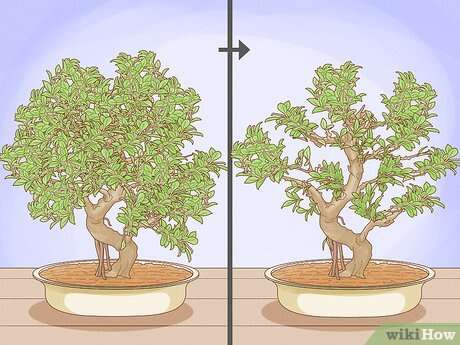
Pruning is how you shape a small tree to look like a mature tree. Knowing when to cut a bonsai tree keeps it healthy and true to style. Timing depends on species, growth rate, and season. Prune lightly in growing season and more structurally in late winter for many temperate species.
Cut only when the tree is active for leaf pruning on deciduous trees. For conifers, prune in early summer and remove old growth tips carefully. The goal is balance, clean wounds, and strong ramification.
Tools you need to cut a bonsai tree
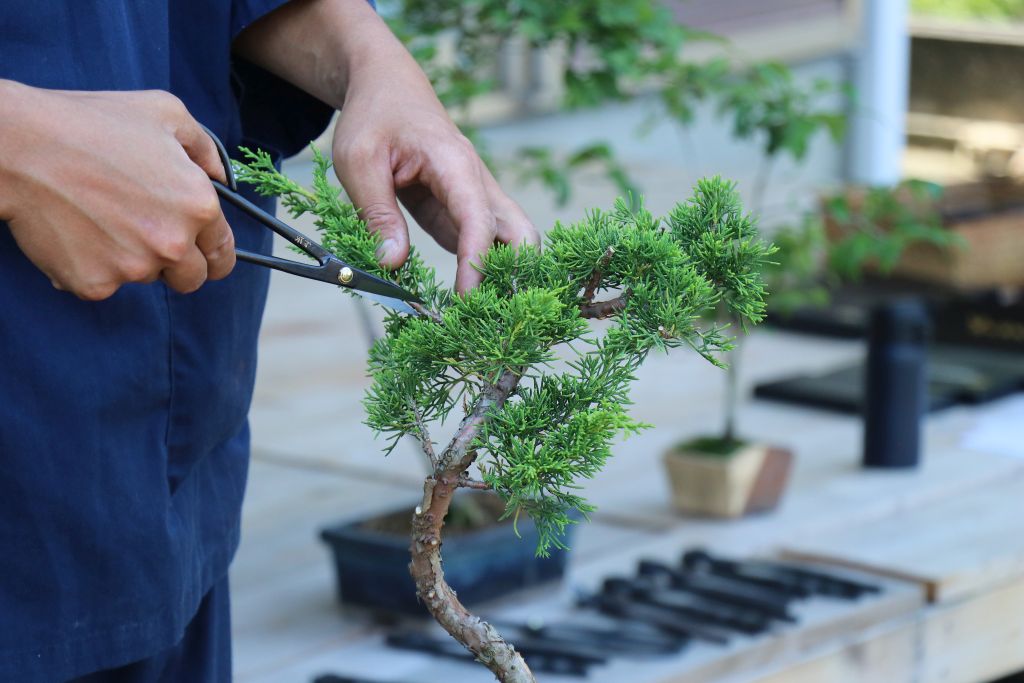
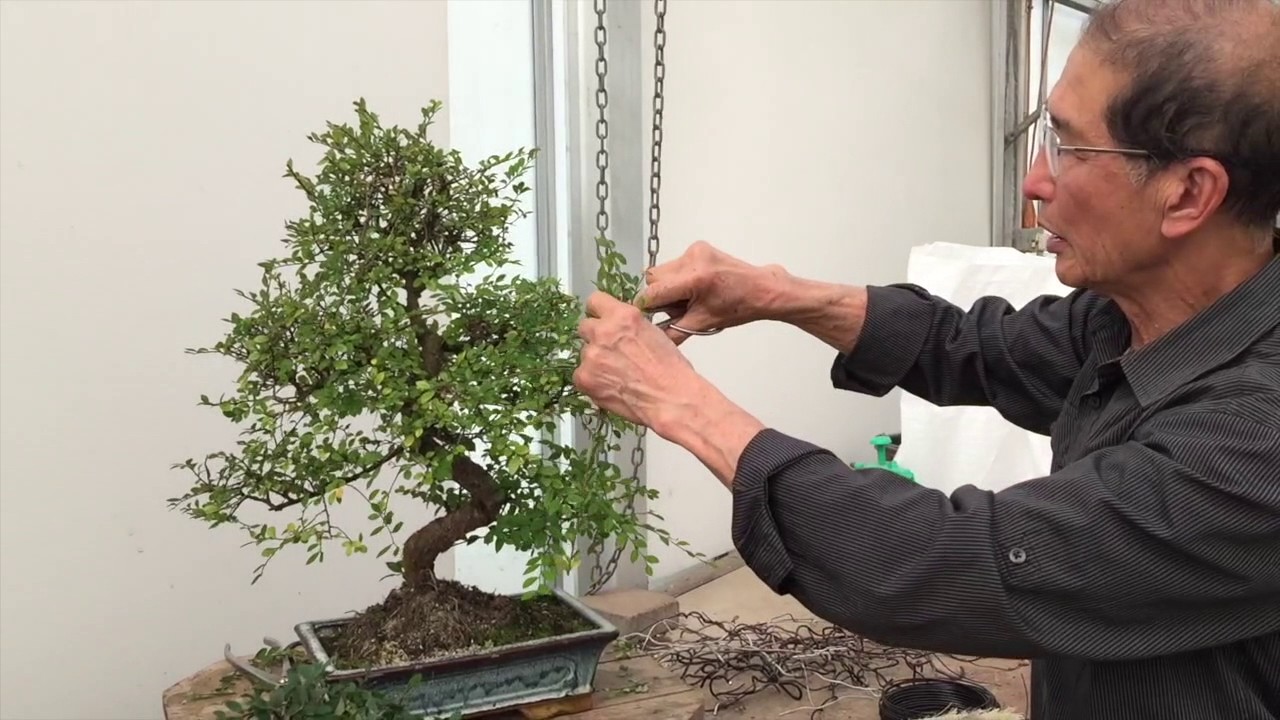
Good cuts start with the right tools. Clean, sharp tools make neat cuts that heal fast. Typical tools include bonsai shears, concave cutters, knob cutters, and a fine saw.
- Bonsai shears: Good for small branch pruning and leaf trimming.
- Concave cutters: Remove branches with a recessed cut for better healing.
- Knob cutters: Useful for large stubs or trunk work.
- Small saw: Needed for thick branches.
- Disinfectant and gloves: Keep tools clean to avoid disease.
I prefer quality tools. I replace them slowly and keep them sharp. Sharp tools reduce torn bark and speed healing.
Step-by-step: how to cut a bonsai tree
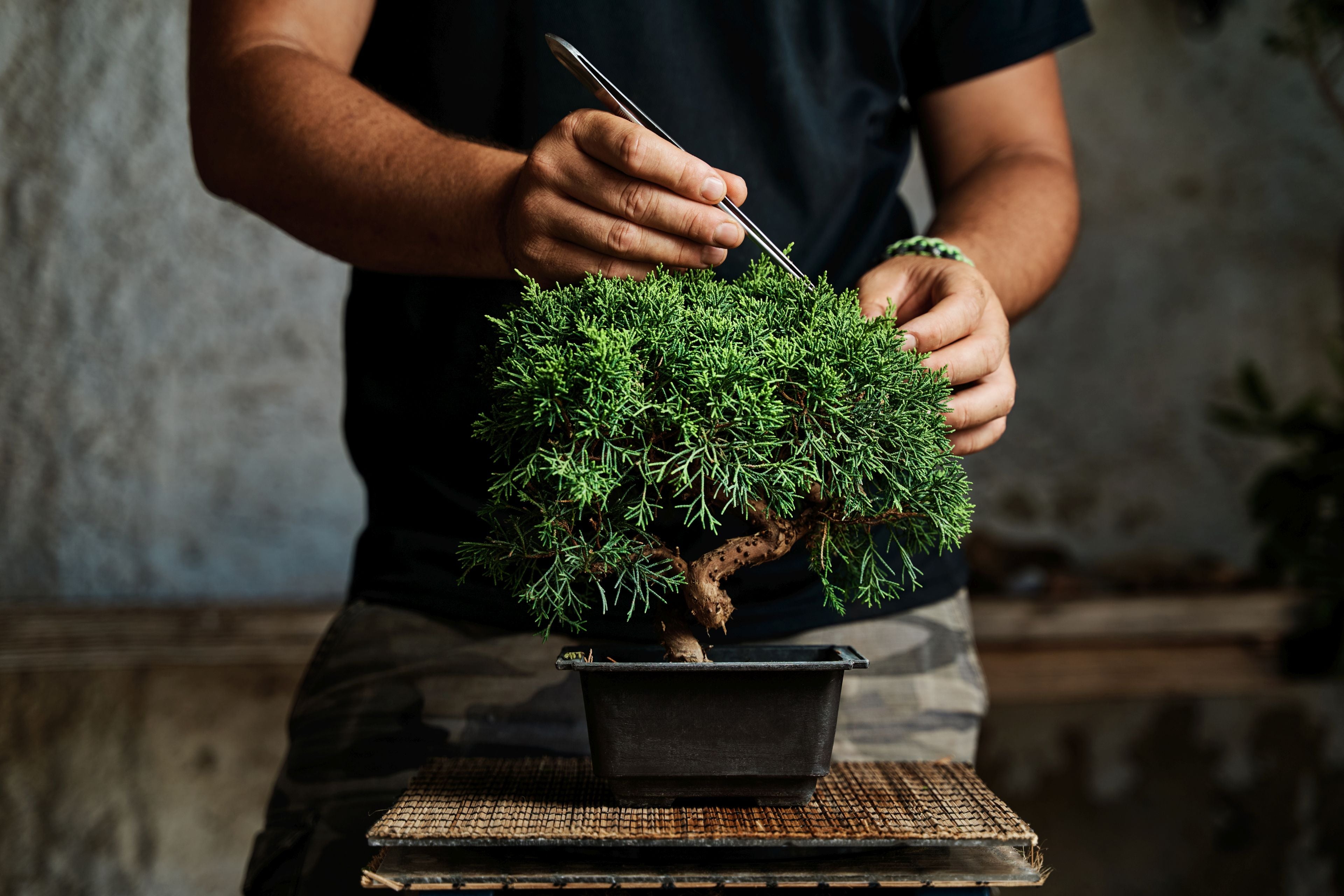
This step-by-step shows how to cut a bonsai tree correctly. Follow each step in order. Work slowly and look at the whole tree often.
- Inspect the tree
- Look at the trunk line, main branches, and foliage pads.
- Visualize the final silhouette before cutting.
- Clean and sterilize tools
- Wipe blades with alcohol or a mild bleach solution.
- Sterile tools lower infection risk.
- Remove dead or crossing branches
- Cut back dead wood first to reveal structure.
- Remove branches that rub or cross the main trunk.
- Make relief cuts for thick branches
- For large branches, use a three-step removal to avoid tearing.
- First undercut, then a top cut, then finish with a close cut.
- Use the correct cutter for each cut
- Use concave cutters for branch collars.
- Use shears for small twigs and leaf pruning.
- Step back and refine
- Check balance and symmetry.
- Cut small amounts. You can always remove more later.
When learning how to cut a bonsai tree, use small, conservative cuts. This helps prevent over-pruning. Watch how the tree responds over weeks and adjust.

Advanced cuts and shaping techniques
Advanced cuts give age and character. These include jin, shari, and trunk chops. Each technique has purpose and risk.
- Jin and shari: Create deadwood features for an aged look.
- Trunk chop: Shorten trunk to change proportions. Use with caution.
- Grafting and branch positioning: Add or reroute branches for balance.
- Wire cutting and branch removal: Wire to move branches but never cut deep into wired points.
I learned the hard way to use trunk chops sparingly. A wrong chop can set back a tree for years. Practice on less-valuable trees to build skill.

Aftercare and healing
Aftercare matters as much as the cut. A clean wound heals faster and resists disease. Follow these steps after any major cut.
- Clean the wound and smooth sharp edges.
- For large wounds, consider wound sealant sparingly.
- Keep the tree in stable conditions: steady light and moderate water.
- Avoid heavy feeding for a few weeks after major pruning.
Check the tree weekly. Look for pests or signs of stress. Proper aftercare ensures your cuts lead to good growth and form.

Common mistakes and how to avoid them
New growers often overcut. Too much removal shocks a bonsai. Avoid these common mistakes when you cut a bonsai tree.
- Cutting too much at once: Remove no more than 20-30% of foliage in a single session.
- Using dull tools: Dull blades tear bark and slow healing.
- Ignoring branch collars: Cutting through collars leaves large wounds.
- Rushing design: Constant, small changes beat big, risky cuts.
I once removed half the foliage from a young maple. It went into shock and lost vigor. I now prune in stages to keep trees robust.

Species-specific tips
Different species react differently when you cut a bonsai tree. Know your tree’s habits.
- Deciduous trees: Best for structural cuts in late winter when dormant.
- Pines and spruces: Pinch new shoots in early summer rather than heavy cuts.
- Junipers and foliage species: Prune year-round for shape, but avoid heavy cuts in cold months.
- Broadleaf evergreens: Light trimming through the growing season works well.
Read species guides and watch how your tree responds. Tailor every cut to the species and its growth cycle.
My experience: lessons learned
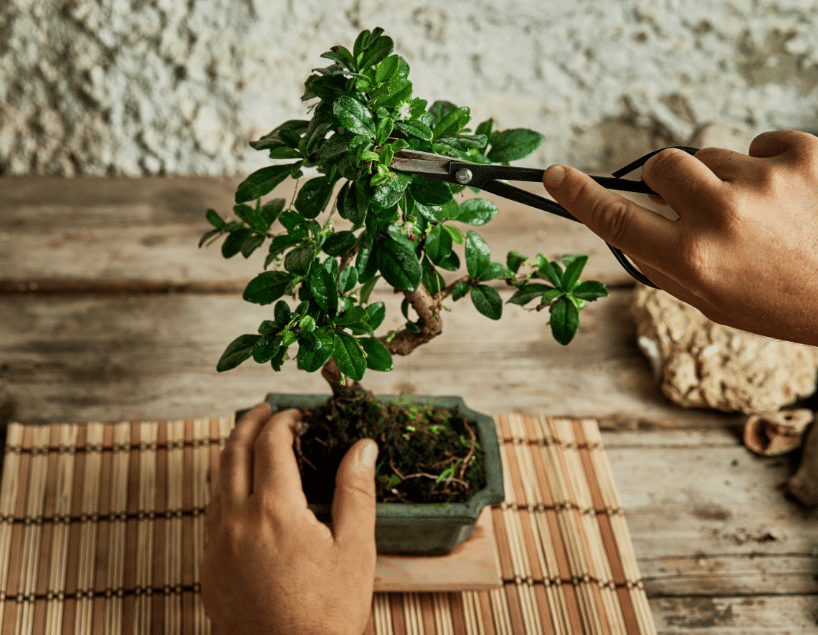
I started with cheap tools and lost a prized Satsuki azalea to rot. I learned to sterilize tools and to keep cuts clean. I also learned patience. Good shaping takes years, not days.
Hands-on practice taught me to look for branch movement vs. trunk balance. Small trims over time build refined shape. Take notes. Record dates and cuts so you learn what worked.

Frequently Asked Questions of how to cut a bonsai tree(make it h2 tag)
How often should I cut my bonsai?
Prune regularly for shape, usually every few weeks during the growing season. Major structural cuts are done yearly or every few years.
Can I cut a bonsai anytime?
You can trim light growth most of the year, but major cuts are best when the tree is dormant or just before growth starts. Check species-specific timing.
How much of the foliage can I remove at once?
Remove no more than 20–30% of total foliage in one session to avoid stress. For heavy pruning, split the work across seasons.
Do I need to seal large cuts?
Small cuts heal on their own. For very large wounds, a wound dressing can protect wood from pests and disease but use it sparingly.
What tool is best for thick branches?
Use a three-step removal with a saw and concave cutter for the final shaping. This avoids tearing bark and promotes fast healing.
Conclusion
Pruning a bonsai is a mix of craft and care. Follow clear steps, use sharp tools, and respect the tree’s growth cycle. Start small, observe results, and adjust over time. Your next cut should be confident, clean, and aimed at long-term health.
Try one focused pruning session this week. Take photos before and after. Share your progress or questions in the comments and subscribe to follow more hands-on bonsai tips.

Laura Bennett is a gardening writer at MyGardenLabs who creates beginner-friendly guides focused on solving common plant care and gardening problems.