What Do Bonsai Trees Represent: Meaning, Symbolism
Bonsai trees represent harmony, patience, nature’s balance, and the art of mindful cultivation.
I’ve studied and cared for bonsai for years, and I’ll explain clearly what do bonsai trees represent across cultures, styles, and everyday life. This guide covers the core meanings, historical context, symbolic styles, practical uses, and tips for choosing a bonsai that embodies the values you want. Read on to deepen your understanding and apply these ideas to your home, gift-giving, or practice.
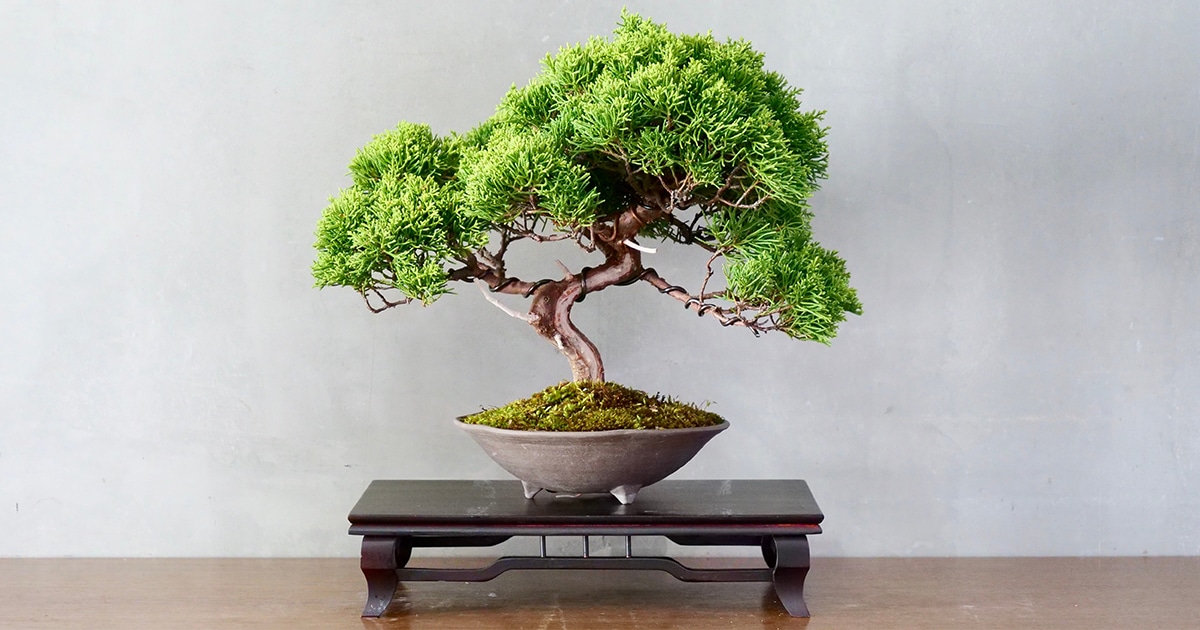
What do bonsai trees represent: core meanings
Bonsai are small, living sculptures that carry big ideas. Asking what do bonsai trees represent is really asking how humans compress nature, time, and aesthetics into a single plant.
Key symbolic meanings
- Harmony and balance. Bonsai show how elements—root, trunk, branch, leaf—fit together in proportion.
- Patience and time. Growing bonsai requires years of careful work and steady attention.
- Nature in miniature. Bonsai represent a natural scene in a compact form that invites close observation.
- Simplicity and restraint. The art values minimalism, where less often communicates more.
- Resilience and adaptability. A bonsai’s survival under pruning and shaping symbolizes endurance.
- Mortality and continuity. Bonsai remind us of life cycles, seasons, and long-term stewardship.
- Artistic control and humility. They reflect human influence on nature while celebrating nature’s processes.
What do bonsai trees represent in short? They are both an art object and a living practice that teaches calm, commitment, and respect for nature.

Cultural and historical symbolism
To answer what do bonsai trees represent globally, we look at origins and cultural meanings. Bonsai traces to ancient Chinese penjing and later Japanese refinement. Both traditions shaped symbolism.
Cultural highlights
- Chinese roots emphasized miniature landscapes and poetic expression. Early art celebrated human-nature harmony.
- Japanese bonsai developed strong ties to Zen ideas. Simplicity, asymmetry, and meditation became central themes.
- In Shinto and Taoist thought, trees can be sacred. Miniature trees carry spiritual and seasonal meaning.
- Modern Western interest frames bonsai as design, hobby, and therapy. People see them as symbols of patience and craft.
Across cultures, the question what do bonsai trees represent gets answered as a blend of spiritual, aesthetic, and moral lessons. The same tree can represent calm to one person and resilience to another.
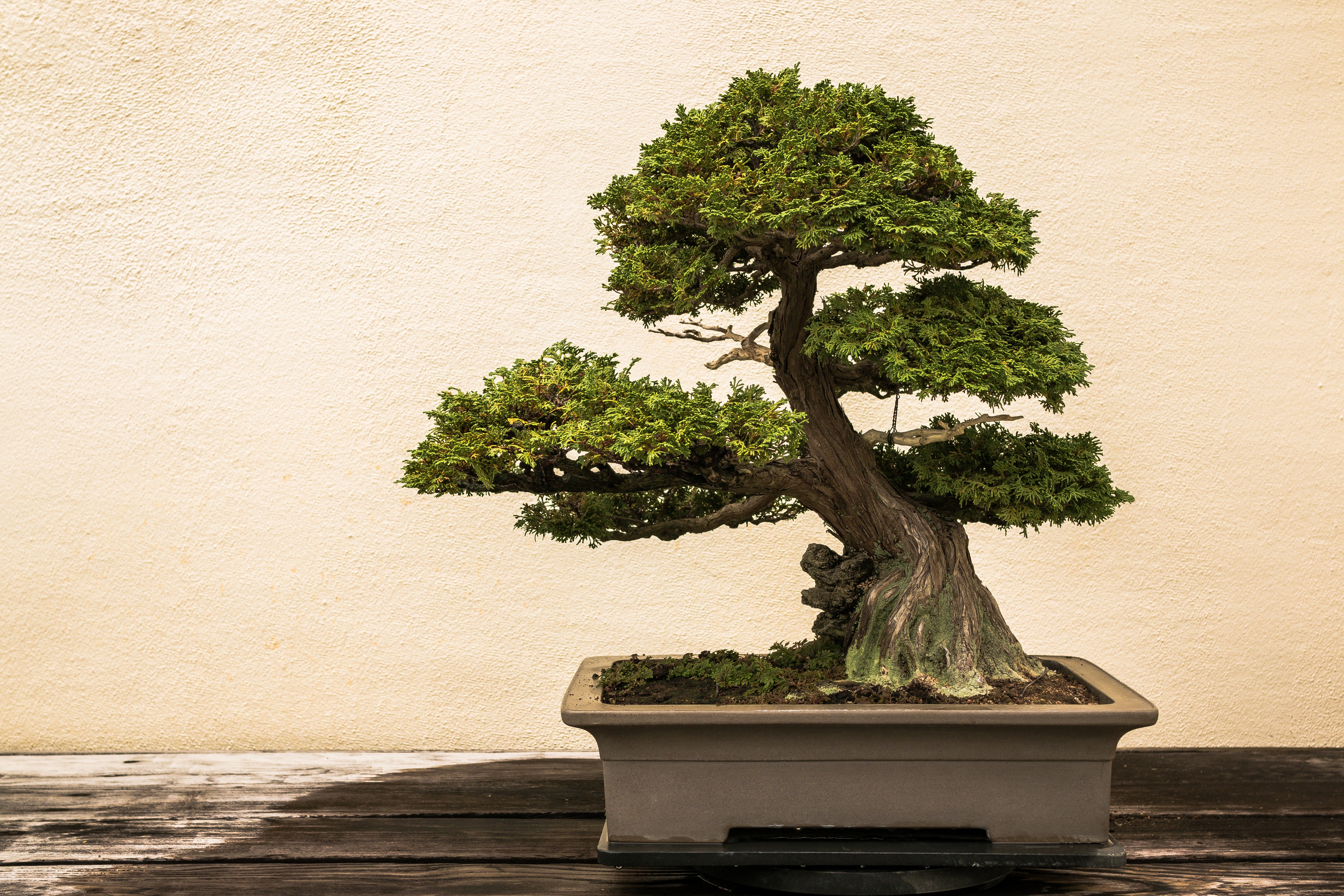
Bonsai styles and their symbolic meanings
Different bonsai styles convey different moods and messages. When you ask what do bonsai trees represent, style matters.
Common styles and what they suggest
- Formal upright (Chokkan): Strength, dignity, clear structure.
- Informal upright (Moyogi): Naturalness with controlled grace.
- Cascade (Kengai): Survival and the struggle against harsh conditions.
- Semi-cascade (Han-kengai): Flexibility and quiet endurance.
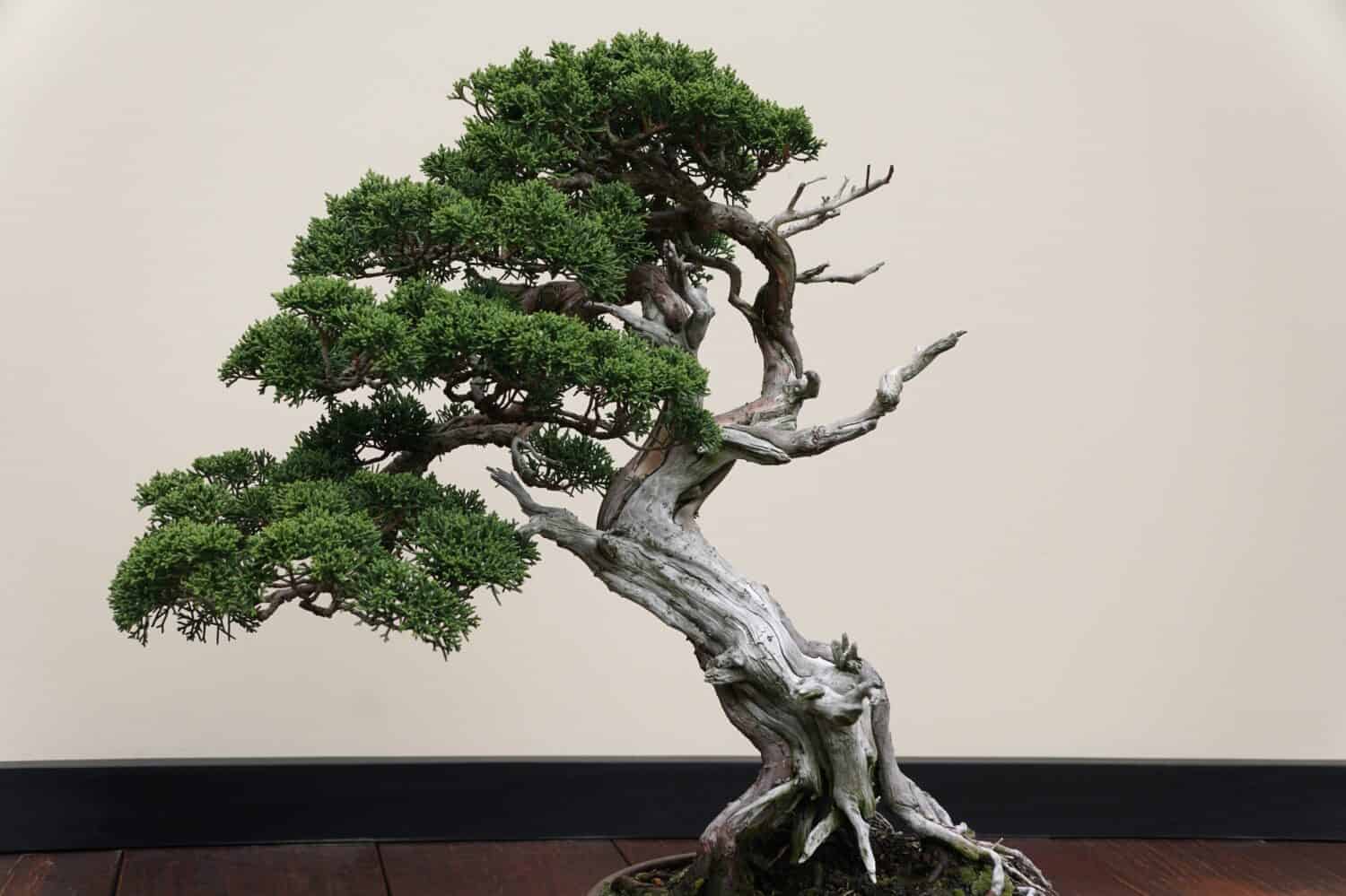
- Windswept (Fukinagashi): Endurance against adversity and strong character.
- Literati (Bunjin): Simplicity, poetic minimalism, and inner spirit.
- Forest group (Yose-ue): Community, interdependence, family ties.
Choosing a style helps answer what do bonsai trees represent for you personally. A windswept juniper tells a different story than a formal upright maple.

How people use bonsai today
Understanding what do bonsai trees represent helps explain modern uses. People keep bonsai for art, therapy, decor, and meaningful gifts.
Common uses and contexts
- Home decor and focal points. Bonsai bring calm and a sense of nature inside.
- Gifts for milestones. Bonsai often symbolize long life, respect, or a wish for patience.
- Mindfulness and therapy. Tending bonsai supports meditation and steady routines.
- Corporate and public displays. Bonsai can signal tradition, stability, and taste.
- Feng shui and spiritual practice. Practitioners place bonsai to influence energy flow.
Knowing what do bonsai trees represent helps select the right tree for a room, event, or practice.
Benefits, limitations, and common misconceptions
When people ask what do bonsai trees represent, they also want to know practical trade-offs. Bonsai offer benefits but come with responsibilities.
Benefits
- Mental calm and reduced stress through routine care.
- Artistic expression and creative problem solving.
- Long-term relationships; a single tree can outlive you with proper care.
Limitations
- Time and attention are required. Bonsai are not “set and forget” plants.
- Some species need specific climates or indoor setups.
- Early mistakes can be hard to reverse; improper pruning can weaken a tree.
Common misconceptions
- Bonsai are genetically dwarfed. Most are regular species trained by pruning and potting.
- Bonsai are cruel. Properly cared-for bonsai thrive for decades with attentive owners.
Weigh these points when you consider what do bonsai trees represent in your life.
Choosing and caring for a symbolic bonsai
If you want a bonsai that represents patience, balance, or resilience, the selection and care choices matter. Below I share clear steps and tips.
Selecting a bonsai
- Decide what you want it to represent. Pick species and style that match the message.
- Choose an appropriate species. Juniper, ficus, maple, and elm are common, each with different needs.
- Match pot and soil to style. A shallow, simple pot supports the aesthetic of restraint.
Basic care tips
- Water consistently but avoid waterlogging. Soil, species, and climate determine frequency.
- Prune for shape and health. Remove crossing branches and thin foliage to keep balance.
- Repot every 2–5 years as the tree matures. Refresh soil and manage root size carefully.
Mistakes to avoid
- Over-pruning during active growth. It stresses the tree and drains energy.
- Using poor soil. Bonsai soil mixes must offer drainage and aeration.
- Ignoring light requirements. Most bonsai need bright, indirect sun or seasonal outdoor exposure.
Practical example from my experience: I once over-pruned a young maple in spring. It had weak growth that season. I adjusted by reducing pruning, improving soil, and its recovery reinforced the lesson—patience is literal with bonsai. This shows what do bonsai trees represent beyond metaphor; they teach practical patience.

Personal experience and lessons learned
I started with a cheap nursery juniper and learned fast. My first year I kept it indoors under a lamp, and it suffered. I moved it outside seasonally and its health improved dramatically.
Lessons that shaped my practice
- Match species to environment first. That single choice affects long-term success.
- Small, consistent actions beat dramatic interventions. Weekly checks prevented disease and overwatering.
- Share the process. Teaching a friend to prune clarified my own technique and deepened appreciation.
These hands-on lessons show what do bonsai trees represent in daily life: a practice of care, humility, and slow progress.

Frequently Asked Questions of what do bonsai trees represent
What do bonsai trees represent in Japanese culture?
In Japanese culture, bonsai often represent harmony, patience, and a connection to nature. They reflect Zen aesthetics of simplicity and mindful attention.
Are bonsai trees a symbol of status or wealth?
Historically, some bonsai were signs of refinement or patronage, but today they more often signify dedication and taste. Many bonsai are affordable and prized for personal meaning.
Do different bonsai species represent different meanings?
Yes. Species and style influence symbolism—maples can signal seasonal change, junipers endurance, and literati styles inner spirit. Choice shapes the narrative you present.
Can bonsai be used as a meditation tool?
Absolutely. The routine care and attention to detail make bonsai well-suited for mindfulness practice. Many people find trimming and watering calming and grounding.
How long does a bonsai need to live to embody patience?
Even a few years of consistent care teach patience, but classic bonsai symbolism deepens with decades of stewardship. Long-term care demonstrates true commitment.
Conclusion
Bonsai are compact teachers. They represent harmony, patience, nature in miniature, resilience, and the blend of art with living practice. Choosing and caring for a bonsai gives you a daily reminder of slow progress and thoughtful attention.
Takeaway: pick a species and style that match the values you want to learn or display, commit to simple consistent care, and let the tree teach you patience. If this article helped you, explore a local bonsai club, start with an easy species, or leave a comment about what you want your bonsai to represent.

Laura Bennett is a gardening writer at MyGardenLabs who creates beginner-friendly guides focused on solving common plant care and gardening problems.