
Best Pot For Ficus Bonsai: Choose The Perfect One
The best pot for ficus bonsai has strong drainage, a shallow shape, and room for healthy root growth.
Have you ever watered a ficus bonsai, only to find wet soil sitting in the pot days later? I have seen this problem lead to weak roots, yellow leaves, and slow growth. The right bonsai pot helps excess water escape while giving the tree a stable home. It also frames the trunk and canopy like a picture frame. In this guide, I compare useful ceramic, clay, and resin options for indoor and outdoor growers. I focus on drainage, size, strength, style, and daily care so you can choose with confidence.
EPFamily 10-Inch Blue Ceramic Bonsai Pot

The EPFamily 10-inch blue ceramic pot gives a ficus bonsai a broad, calm base. Its round shape works well with banyan-style ficus trees and trees with spreading roots. The included drainage hole helps water leave the root zone after each drink. A saucer also makes indoor watering less messy.
I like this pot for growers who want a display piece, not only a training container. The blue finish can create a nice contrast with glossy green ficus leaves and pale aerial roots. The shallow profile supports the visual balance that bonsai design needs. Still, measure your tree and root ball before buying, since a large pot can hold more wet mix than a small ficus needs.
Pros:
- Wide 10-inch size suits medium ficus bonsai
- Drainage hole helps limit standing water
- Included saucer protects desks and shelves
- Blue ceramic finish adds strong display appeal
- Round shape works well with spreading ficus forms
- Useful for indoor or sheltered outdoor display
Cons:
- Ceramic may chip if dropped or hit
- Large size may be too much for a young tree
- Glazed surfaces can dry more slowly than unglazed clay
My Recommendation
I recommend this EPFamily pot to ficus owners with a medium tree that already has a fairly full root system. It is especially useful for an indoor grower who wants one attractive pot with a matching saucer. The drainage hole is important, but I would still use a fast bonsai mix and never let the tree sit in drained water. For many homes, this is a stylish choice for the best pot for ficus bonsai when appearance matters as much as function.
Bonsai Outlet Six-Inch Resin Training Pots

This three-pot set targets the practical side of bonsai care. The pots use durable poly-resin, so they are lighter and less fragile than many ceramic bonsai pots. Built-in mesh helps keep the growing mix in place while allowing drainage. The six-inch size fits many young or small ficus trees during root development.
The humidity trays add useful space beneath the pots, but they do not replace careful watering. A ficus needs air around its roots, not a constantly wet base. I see this set as a smart training tool for beginners, collectors, and anyone who repots more than one tree. Its plain look may not impress a bonsai show judge, yet its low stress and strong build make daily care easier.
Pros:
- Three pots offer good value for a small collection
- Poly-resin resists cracks and breakage
- Light weight makes moving trees simple
- Built-in mesh helps retain bonsai soil
- Humidity trays catch excess water
- Six-inch size suits young ficus bonsai
Cons:
- Plain resin looks less refined than quality ceramic
- Six inches may not fit a mature ficus
- Humidity trays need regular emptying and cleaning
My Recommendation
I would choose this set for a new ficus grower who wants useful training pots at a reasonable cost. It also fits anyone who keeps several cuttings or small bonsai trees. The resin body is forgiving in a busy home, greenhouse, or work area. If your main goal is root health and easy handling, this set may be the best pot for ficus bonsai during the training stage. Move the tree to a more decorative pot after the trunk and roots reach the desired size.
MUZHI Unglazed Zisha Rectangle Bonsai Pot

The MUZHI unglazed Zisha pot brings a traditional bonsai look to a ficus display. Its rectangular shape gives a tree with a strong upright trunk a firm visual foundation. The unglazed body can breathe more freely than a fully glazed surface and may help the mix dry at a steadier pace. A humidity tray adds protection for furniture and indoor surfaces.
Ficus bonsai often grow well in warm rooms, but their roots still need oxygen. This pot’s drainage design supports that need when you pair it with open, well-graded soil. The classic brown color also keeps attention on the trunk, roots, and leaves instead of the container. I would inspect the drainage opening before use and cover it with bonsai mesh if the opening is large enough for soil to escape.
Pros:
- Unglazed body offers a classic bonsai appearance
- Rectangle shape suits formal and upright designs
- Drainage supports healthier ficus roots
- Neutral brown color works with many tree styles
- Humidity tray helps protect indoor surfaces
- Suitable for ficus, succulents, and similar plants
Cons:
- Unglazed clay can show mineral marks over time
- Rectangle edges may not suit a round canopy
- Clay can break if handled roughly
My Recommendation
This MUZHI pot is a strong pick for an experienced grower who wants a quiet, traditional display. It is best for a ficus with a defined trunk line and roots that already fill a shallow container. The unglazed finish makes it a good choice for people who prefer natural texture over bright color. In my view, it is a serious contender for the best pot for ficus bonsai when classic form, airflow, and visual balance lead the decision.
EPFamily 8-Inch Brown Ceramic Bonsai Planter

This EPFamily planter combines an eight-inch footprint with a brown glazed finish. The size works well for many small to medium ficus bonsai trees. Its shallow form gives the canopy room to spread without making the pot look bulky. The drainage hole and bamboo saucer make it practical for a windowsill, shelf, or covered patio.
The brown color feels warm and natural beside dark green ficus leaves. It can also hide small water marks better than a very light pot. Because the planter is ceramic, it gives a tree more weight and stability than a thin plastic container. I would place a small mesh screen over the drainage hole and use a mix that includes bark, pumice, lava rock, or another open material.
Pros:
- Eight-inch size fits many small ficus trees
- Brown glaze blends with wood and bark tones
- Bamboo saucer adds a clean indoor look
- Shallow shape supports bonsai proportions
- Drainage hole helps prevent water buildup
- Heavy ceramic base keeps the tree stable
Cons:
- Glazed ceramic may retain moisture longer
- Bamboo saucer needs protection from constant wetness
- Not ideal for a large or fast-growing ficus
My Recommendation
I recommend this planter for a home grower who wants a balanced mix of looks and function. It suits a small ficus bonsai that has moved beyond a nursery pot but does not yet need a large training box. The warm brown finish is easy to match with most rooms. If you want the best pot for ficus bonsai for a neat desk or living-room display, this EPFamily model deserves close attention.
EPGardening 8-Inch Blue Bonsai Pot
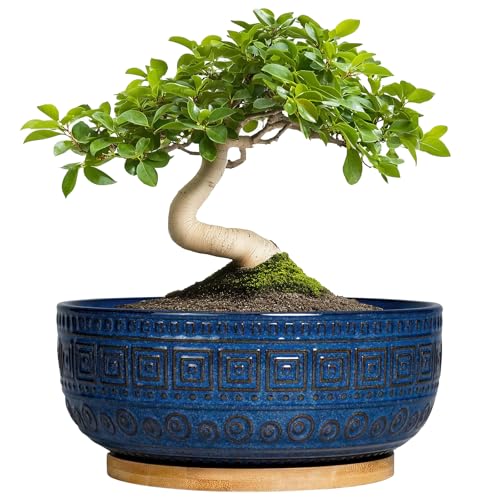
The EPGardening eight-inch blue pot is made for growers who want a colorful focal point. Its round profile can soften the look of a compact ficus with a dense crown. The drainage feature helps keep the root zone from staying saturated after watering. A plant saucer also makes the pot easier to use indoors.
Blue can look striking with the bright green leaves of a healthy ficus. It also gives a simple tree more personality without taking over the display. I would use this pot for a tree with a rounded or informal shape rather than a very formal upright design. As with any ceramic pot, check the hole, use a free-draining medium, and water only when the upper mix begins to dry.
Pros:
- Bright blue color creates a lively display
- Eight-inch size suits compact ficus bonsai
- Round form fits rounded tree canopies
- Drainage hole supports routine root care
- Saucer helps contain runoff indoors
- Works as both a bonsai pot and decor piece
Cons:
- Bold color may not fit every bonsai style
- Ceramic requires care during moving and repotting
- May be shallow for a large root flare
My Recommendation
This EPGardening pot is best for a beginner or decorator who wants a bright, friendly display. It works especially well in a sunny room where the blue glaze can stand out. I would not select it for a very large ficus or a tree that needs a deep training container. For a small indoor tree, though, it can be the best pot for ficus bonsai if color and everyday convenience are your top goals.
TINYVISTA 7-Inch Brown Unglazed Bonsai Pot

The TINYVISTA seven-inch round pot has an unglazed brown finish and a low, simple profile. Its three-and-a-third-inch height gives a small ficus a grounded look without excessive soil volume. Multiple drainage holes help water move through the container. The natural color also lets the tree remain the star of the display.
Unglazed clay can dry faster than glazed ceramic, which may help in a warm room or humid climate. However, faster drying also means you should watch the tree more closely during hot weather. I find this style useful for growers who enjoy checking their bonsai often. It feels like a plain clay shoe for the roots: not flashy, but useful and easy to understand.
Pros:
- Seven-inch size fits many small ficus trees
- Unglazed finish gives a natural bonsai look
- Multiple drainage holes support airflow and runoff
- Low height keeps the tree visually balanced
- Brown tone suits bark and exposed roots
- Round design works with informal ficus shapes
Cons:
- Small size limits use with mature ficus
- Unglazed clay may need more frequent watering
- Clay can stain or crack in freezing weather
My Recommendation
I suggest the TINYVISTA pot for a small ficus bonsai in a warm indoor space. It is a good match for growers who prefer natural clay and do not mind checking soil moisture. Its simple shape also suits a tree with a broad base and informal canopy. If you value root ventilation and a traditional look, this may be the best pot for ficus bonsai among the smaller unglazed options.
EPFamily 8-Inch Blue Shallow Bonsai Planter

This EPFamily eight-inch blue planter has a shallow bowl form made for compact plant displays. The broad rim can make a small ficus look wider and more established. A drainage hole helps reduce the risk of stagnant water. The saucer adds a useful layer of protection for tables, counters, and plant stands.
The pot has a decorative feel, yet it still offers the basic feature that matters most: drainage. I would use it with a tree that has a stable root pad and a canopy that spreads to the sides. The blue finish can brighten a neutral room and pair well with the deep green of ficus foliage. Avoid choosing it only by looks; the correct pot should be just slightly larger than the trimmed root mass.
Pros:
- Shallow bowl shape suits bonsai styling
- Eight-inch width gives small trees visual room
- Blue finish adds a fresh decorative touch
- Drainage hole supports better water control
- Saucer helps prevent indoor water stains
- Useful for indoor or sheltered outdoor use
Cons:
- Shallow depth may not suit a deep root ball
- Bright glaze may show mineral deposits
- Not large enough for a mature spreading ficus
My Recommendation
This model is best for a small ficus that needs a polished display pot after basic training. I like it for a plant shelf, entry table, or bright office. It is less suitable for a recently collected tree or a ficus with thick, deep roots. For a compact tree with a neat root pad, it offers a good blend of style, drainage, and value as the best pot for ficus bonsai.
TINYVISTA 8.26-Inch Unglazed Bonsai Pot

The TINYVISTA 8.26-inch pot offers more room than a small seven-inch bonsai container. Its brown unglazed surface gives it a warm, earthy look. At about four inches deep, it may suit a ficus with a stronger root pad or a little more vertical root space. The drainage holes remain central to the pot’s usefulness.
This is a practical middle ground between a shallow display bowl and a deeper training pot. The unglazed body can help the mix breathe, but it may also pull moisture from the soil. That trait works well for careful growers who monitor the plant and adjust watering with the season. I would place it in a bright room, keep it away from cold drafts, and rotate the tree so the canopy grows evenly.
Pros:
- 8.26-inch width fits small to medium ficus
- Four-inch depth offers useful root room
- Unglazed clay supports a natural appearance
- Brown color works with many bonsai displays
- Drainage holes help prevent soggy soil
- Good middle size for repotting growth
Cons:
- Unglazed clay can dry the mix quickly
- Heavier than resin training containers
- May still be too small for a mature ficus
My Recommendation
I would choose this TINYVISTA pot for a small to medium ficus that has outgrown a shallow starter container. It is a good match for growers who want more depth without moving into a large, bulky pot. The natural brown clay has a calm look that suits exposed roots and textured bark. In the right size, it can serve as the best pot for ficus bonsai for someone who wants a traditional feel and moderate root space.
MUZHI 8.5-Inch Unglazed Rectangle Pot

The MUZHI decorative planter uses an unglazed terracotta-style clay body and a rectangular shape. Its 8.5-inch size gives a ficus enough room for a compact, well-pruned root system. The red-brown tone works with rough bark and exposed roots. A tray helps collect runoff and keeps the display area cleaner.
Breathable clay can be helpful for ficus growers who often overwater. It allows moisture to leave through the sides as well as the drainage opening, though the exact drying speed depends on the room, soil, light, and season. The rectangular form creates a strong line under a formal tree or a tree with a wide trunk. I would use a mesh screen and secure the tree well after repotting, since a stable root system needs time to settle.
Pros:
- Traditional terracotta color suits bonsai trunks
- Unglazed clay allows useful moisture exchange
- Rectangle shape creates a formal display line
- 8.5-inch size fits many medium-small ficus trees
- Included tray helps manage drainage indoors
- Decorative enough for a finished display
Cons:
- Clay may dry faster than glazed ceramic
- Rectangle shape may not suit every canopy
- Terracotta can break under impact or freezing temperatures
My Recommendation
This MUZHI planter is best for a ficus grower who wants a natural, structured display. It suits formal upright trees, trees with a wide trunk, and bonsai with visible surface roots. I would not use it as a carefree option for someone who rarely checks soil moisture. For a careful owner, it may be the best pot for ficus bonsai when breathable clay and a classic rectangle matter most.
How to Choose the Best Pot for Ficus Bonsai
A ficus bonsai does not need the biggest pot on the shelf. In fact, an oversized pot can hold wet soil around a small root ball for too long. That can reduce oxygen and invite root problems. I choose the pot based on the tree’s root mass, trunk size, canopy shape, and growing site.
Start With the Right Size
As a simple guide, the pot should give the trimmed roots only a little extra room. Many bonsai growers choose a container close to the tree’s root spread after repotting. A pot that is too small can dry fast and limit growth. A pot that is too large can make watering harder and weaken the visual balance.
Measure the root ball after removing loose soil. Then compare that measurement with the pot’s inside width and depth. Product listings often show outside dimensions, so the usable space may be smaller. I also check the height of the pot, not only its diameter. Ficus roots may spread wide, but some trees develop a deeper root pad than a shallow bowl can hold.
Drainage Matters Most
Drainage is the first feature I check when reviewing a bonsai pot. A drainage hole gives extra water a way out. It does not fix heavy soil, poor light, or overwatering, but it gives the roots a fair chance.
The American Bonsai Society and major botanical garden care guides commonly stress well-drained soil and careful watering for bonsai. Ficus trees like steady moisture, but they do not like airless mud. Use bonsai soil that drains freely, place mesh over large holes, and empty the saucer after watering. These small habits protect roots better than a fancy finish ever can.
Ceramic, Clay, or Resin?
Ceramic pots offer weight, color, and display value. A heavy ceramic base can help keep a top-heavy ficus from tipping. Glazed ceramic tends to hold moisture longer than unglazed clay, so it may suit a dry room. It can also be fragile during transport or a winter freeze.
Unglazed clay has a natural surface and can dry more quickly. That can help a grower who tends to water too often, but it can hurt a tree in a hot, dry space. Resin is light, durable, and easy to move. It makes an excellent training choice, although it may not provide the same visual depth as a handmade clay pot.
Match the Pot to the Tree Shape
Pot shape should support the tree rather than compete with it. A round pot often works with a soft, informal canopy. A rectangle can support a strong upright trunk or a more formal design. A shallow bowl can make a spreading ficus look older and wider.
Color also matters. Brown, red, and unglazed earth tones usually highlight the trunk. Blue and other bright glazes can create contrast with green leaves. I ask one simple question: does the pot frame the tree like a picture frame, or does it steal the whole wall?
Indoor and Outdoor Use
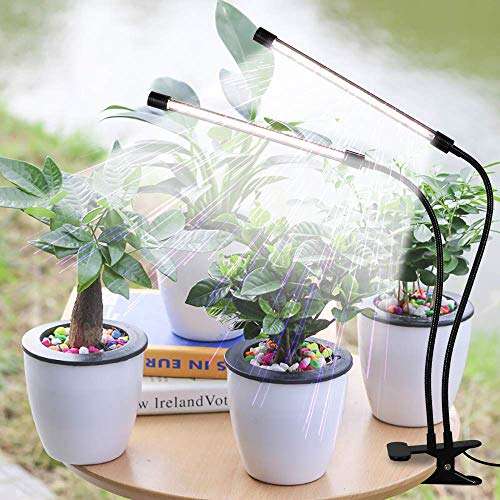
Most ficus bonsai grow well indoors when they receive strong light and warm temperatures. A bright window or a quality grow light can help. Avoid placing the tree beside a heater, air conditioner, or cold draft. Sudden changes can cause leaf drop even when the pot is good.
Outdoor use needs more care. Ceramic and clay can crack in freezing weather when trapped water expands. Resin usually handles rough handling better. In warm climates, outdoor sun and wind can dry unglazed pots quickly. Always adjust watering to the tree and the weather, not to a fixed calendar.
Why Soil and Watering Still Matter
The best pot for ficus bonsai cannot rescue a poor soil mix. I prefer an open mix that drains fast but holds some moisture. Common ingredients include pumice, lava rock, akadama, pine bark, and other bonsai-grade materials. The exact mix depends on climate, light, tree size, and how often you can water.
Check the mix with your finger or a moisture tool. Do not water simply because the top looks dry. Push below the surface, since the lower soil may still be wet. When you water, soak the mix until water runs from the drainage holes. Then let the pot drain fully before returning it to the saucer.
Repotting a Ficus Bonsai
Ficus bonsai often respond well to repotting when they are actively growing. The best timing depends on your climate and the tree’s health. A healthy tree can usually handle root work better than a weak or recently moved tree.
When repotting, remove only the amount of root material the tree can safely manage. Use clean tools and fresh soil. Tie the tree into the pot if it moves easily, because loose roots can suffer as new feeder roots form. Afterward, provide bright but gentle light and protect the tree from harsh stress while it recovers.
Care Tips After Buying a New Pot
- Wash dust from the pot before planting.
- Check every drainage hole for glaze or clay blockage.
- Add mesh if the holes allow soil to fall through.
- Use fresh, open bonsai soil.
- Keep the root flare at the proper height.
- Water deeply after repotting, then let the pot drain.
- Do not fertilize heavily until new growth shows.
- Clean the tray often to prevent salt buildup.
Best For Comparison
| Best for | Why |
|---|---|
| Medium indoor ficus display | EPFamily 10-inch ceramic pot offers a wide base, drainage, and a saucer. |
| Training several young trees | Bonsai Outlet resin set gives three light, durable pots with built-in mesh. |
| Traditional natural display | MUZHI and TINYVISTA unglazed pots provide earthy color and breathable clay. |
FAQs Of best pot for ficus bonsai
What size pot is best for a ficus bonsai?
The best size depends on the root ball, not only the tree height. Choose a pot that is slightly larger than the trimmed roots. For many small ficus bonsai, a seven- to eight-inch pot works well. A medium tree may need a nine- or ten-inch container.
Does a ficus bonsai pot need drainage holes?
Yes. Drainage holes let extra water leave the soil. Without them, roots may stay wet and lose access to air. Always pair drainage with an open bonsai soil mix and careful watering.
Is ceramic or clay better for ficus bonsai?
Both can work. Glazed ceramic holds moisture longer and offers many colors. Unglazed clay dries faster and gives a natural look. Choose ceramic for stability and display, or clay for faster moisture release and a classic style.
Can I use a regular plant pot for a ficus bonsai?
You can use one during early growth if it has drainage. However, a bonsai pot is usually shallower and better suited to a compact root pad. A regular deep pot may hold too much wet soil and may not frame the tree well.
How often should I water ficus bonsai in a shallow pot?
Check the soil often, since shallow pots can dry faster. Water when the upper mix begins to dry, then soak it fully. Light, heat, humidity, soil, and pot material all change the schedule, so avoid watering by the calendar.
Final Verdict: Which Should You Buy?
For most indoor growers, the EPFamily 10-inch ceramic pot is the best pot for ficus bonsai. It offers useful drainage, a stable base, a saucer, and an attractive finish. Choose the Bonsai Outlet set for training or MUZHI clay for a classic display.
The right ficus bonsai pot should fit the roots, drain well, and match your tree’s form. Pick the size first, then the material and style. With good light, open soil, and careful water, your bonsai can thrive.

Laura Bennett is a gardening writer at MyGardenLabs who creates beginner-friendly guides focused on solving common plant care and gardening problems.