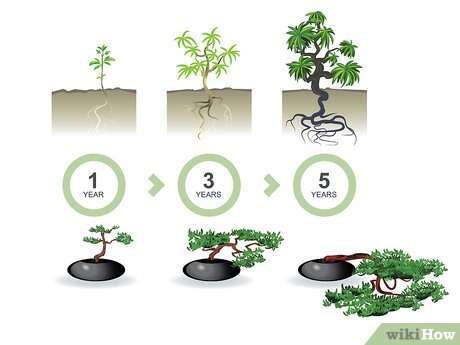

What Do Bonsai Seedlings Look Like: Seedling Guide
Bonsai seedlings look like tiny young plants with thin stems, small leaves, and delicate developing roots.
Understanding what do bonsai seedlings look like helps new growers spot healthy growth and avoid common mistakes. A bonsai seedling is not a miniature bonsai tree yet. It is simply a young tree that may later be shaped through pruning, wiring, and careful root training. In this guide, you will learn how seedlings look at each stage, how species differ, and how to tell healthy growth from trouble.
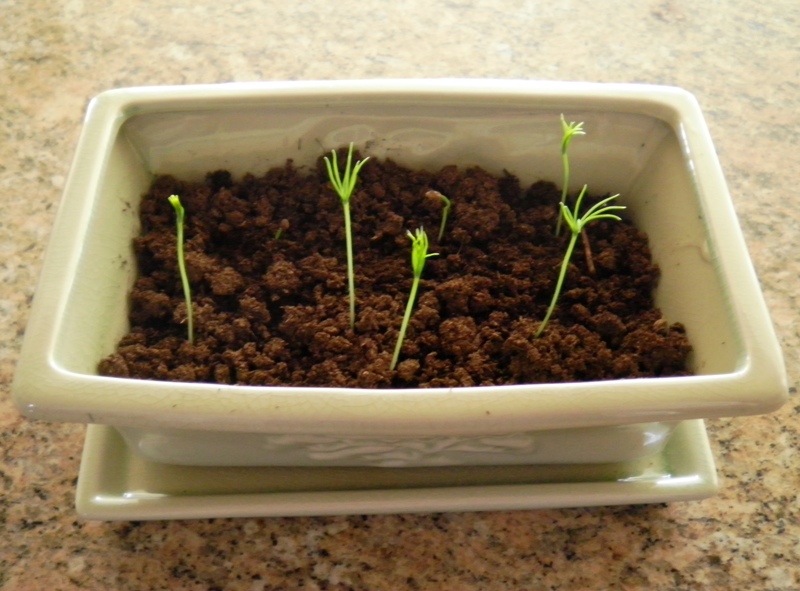
What Do Bonsai Seedlings Look Like?
Bonsai seedlings often look like ordinary tree seedlings. Their small size does not come from special “bonsai seeds.” Instead, bonsai comes from how a young tree is grown and trained over time.
At first, a seedling has a thin stem and two small seed leaves called cotyledons. These first leaves may look round, narrow, thick, or grass-like, depending on the tree species. After that, the plant grows its first true leaves.
What do bonsai seedlings look like at this stage? They usually have:
- A slender green or reddish stem
- Two early seed leaves
- Small true leaves near the stem tip
- A soft, fine root system
- Very little branching
- A delicate, upright form
A young pine may have needle-like leaves. A maple seedling may have tiny leaves with shallow lobes. An elm may show small oval leaves with fine teeth. Because of these differences, the tree species matters more than the word “bonsai.”
Healthy seedlings may look fragile, but they can grow quickly when they receive the right light, moisture, air, and warmth. Think of them as young athletes rather than finished sculptures. They need time to build strength before serious training begins.

What Bonsai Seedlings Look Like at Different Growth Stages
The appearance of a bonsai seedling changes week by week. Knowing the main stages makes it easier to identify normal growth.
The germination stage
After a seed absorbs water, the first root usually appears. This root grows downward and anchors the plant in the soil. Soon after, the stem pushes upward.
At this point, what do bonsai seedlings look like? They may look like a tiny green hook or bent thread rising from the soil. Some seedlings still wear part of the seed coat on their leaves. This is usually harmless if the leaves open on their own.
The root is often more important than the visible shoot during this stage. A seedling with a healthy white or cream root is usually developing well. Brown, mushy, or foul-smelling roots may signal rot.
The cotyledon stage
The seedling then opens its first leaves. These are cotyledons, not true leaves. They provide stored food from the seed and help the young plant begin photosynthesis.
Cotyledons can confuse new growers. They may not look like the mature leaves shown in bonsai books or plant labels. For example, a pine seedling may begin with a small tuft of needles, while a broadleaf tree may have two simple seed leaves.
The first true leaves
True leaves appear after the cotyledons. They show the plant’s natural leaf shape more clearly. This is the stage when you can often identify the tree family.
What do bonsai seedlings look like once true leaves form? They look more like small versions of normal tree seedlings. They still have thin stems, few leaves, and no thick trunk. Their shape may be tall and narrow because they are focused on reaching light.
Early trunk development
As the seedling grows, the stem begins to firm up. It may change from bright green to brown, gray, or reddish brown. Some species develop a slight bend or thicker base, but most still look more like young saplings than bonsai.
Do not expect a thick trunk too soon. Trunk thickness comes from years of growth, not from the seed itself. Early pruning can shape a tree, but excessive pruning can slow development.

What Do Bonsai Seedlings Look Like by Tree Species?
Species is one of the best clues when you ask what do bonsai seedlings look like. Each tree has its own leaf shape, stem color, growth speed, and seedling form.
Japanese maple seedlings
Japanese maple seedlings usually have slender stems and small green leaves. The first true leaves may show simple lobes, though young leaves can look less divided than mature leaves.
Seedlings may be green, red, or bronze, depending on the cultivar. A red-leaf cultivar may still produce green seedlings if the seed came from an open-pollinated tree. Seed color does not always predict the final leaf color.
Pine seedlings
Pine seedlings often show several narrow needles grouped near the stem tip. They may look like tiny green brushes. The stem is usually thin, and the seedling may grow upright before it develops a woody base.
Pines need strong light and excellent drainage. Keeping them in wet soil can damage the young roots. Their needles are a useful clue when identifying them, but pine species can still vary widely.
Juniper seedlings
Young junipers may have tiny scale-like leaves or sharp juvenile needles. Their first growth can look soft and bright green. Some seedlings grow in a low, spreading form, while others grow more upright.
Junipers can be slow from seed. A seedling may remain small for a long time, so patience is essential. Avoid treating slow growth as a sign of poor health unless the foliage also turns dull, brown, or limp.
Chinese elm seedlings
Chinese elm seedlings often develop small oval leaves with fine edges. The leaves may appear in pairs along a thin, flexible stem. They can grow faster than many conifers when given warmth and good light.
A healthy elm seedling should show fresh leaves and firm growth. Long spaces between leaves may mean it needs more light.
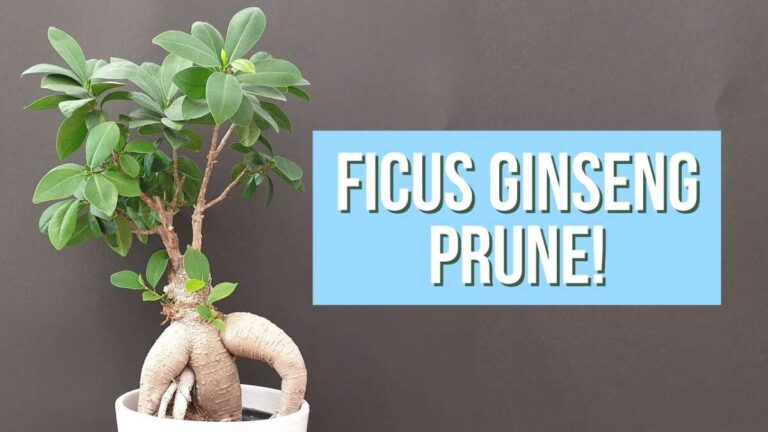
Ficus seedlings
Ficus seedlings usually have broad, smooth leaves and a flexible green stem. They prefer warmth and bright light. In cool homes, their growth may slow sharply.
Because ficus species differ, leaf size and shape can range from small and oval to larger and glossy. Some ficus seedlings also develop aerial roots later, but these are not usually visible at the earliest stage.
Spruce and fir seedlings
Spruce and fir seedlings may resemble small pine seedlings, but their needles differ in arrangement and shape. They often have a narrow upright form and fine needle growth.
Correct identification matters because water, light, and cold needs vary among conifers. When unsure, compare the seedling with a trusted botanical guide rather than guessing from appearance alone.
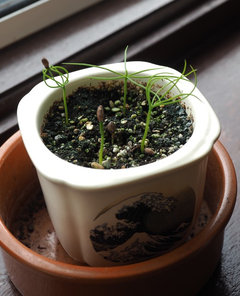
How to Tell a Healthy Bonsai Seedling From an Unhealthy One
Learning what do bonsai seedlings look like includes learning how healthy seedlings behave. Size alone does not tell you whether a seedling is strong.
A healthy seedling usually has:
- Firm leaves with normal color
- A straight or naturally flexible stem
- New growth at the top
- A root system that is light colored and firm
- Moist soil that is not constantly soaked
- Leaves that stand upright or spread toward light
Warning signs include:
- Limp leaves after the soil has dried
- Yellow leaves with wet soil
- A black or soft stem near the soil line
- White mold covering the soil
- Long, weak growth with wide gaps between leaves
- Roots that smell sour or feel slimy
- Sudden leaf drop
A thin stem is not automatically a problem. Young trees naturally begin with thin stems. The better question is whether the stem is firm, the leaves look fresh, and new growth continues.
One lesson I often emphasize is to inspect the soil and roots, not only the leaves. A seedling may look fine above the soil while its roots suffer below it. Gentle watering, drainage holes, and clean containers prevent many early problems.

How Bonsai Seedlings Differ From Cuttings and Nursery Trees
What do bonsai seedlings look like compared with other young plants? Seedlings usually have a natural root system and a visible transition from root to stem. Cuttings may have fewer roots and may show a thicker or more mature stem from the parent plant.
A seed-grown bonsai can develop genetic traits that differ from its parent. Leaf size, growth speed, trunk shape, and color may vary. This makes seedlings exciting, but it also means the final tree is not always predictable.
Nursery trees are often older and more developed. They may already have woody stems, several branches, and a thicker trunk. A nursery plant can become a bonsai much sooner than a seedling, but it may have less control over its early root shape.
Seedlings offer several benefits:
- They are often inexpensive
- You can shape the trunk from an early age
- The root system can be trained gradually
- You can watch every stage of development
- They can adapt well to your growing conditions
They also have limits:
- They take years to develop
- Some species germinate slowly
- Young plants are sensitive to drying out
- Their final traits are not guaranteed
- Early mistakes can cause lasting damage
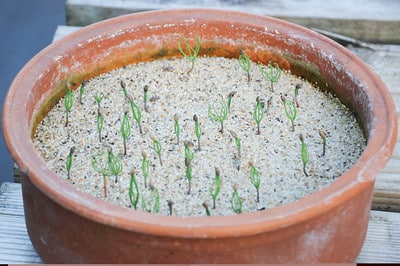
How to Care for Bonsai Seedlings
Once you know what do bonsai seedlings look like, the next step is to protect their early growth. Seedlings need steady care, not constant attention.
Give them suitable light
Place seedlings where they receive bright light suited to the species. Many young trees need several hours of direct sunlight, but sudden exposure can cause leaf scorch.