How To Plant Bonsai Seeds: Easy Step-By-Step Guide
Plant bonsai seeds by choosing suitable seeds, preparing them, sowing in free-draining soil, and steady care.
I’ve grown bonsai from seed for years, and I’ll walk you through how to plant bonsai seeds with clear steps, real tips, and plain language. You’ll learn which seeds work best, how to prepare them, the exact soil and containers to use, step-by-step sowing, and how to care for fragile seedlings. This guide blends hands-on experience with horticulture basics so you can start healthy bonsai trees from seed and enjoy the full journey from sprout to trained plant.
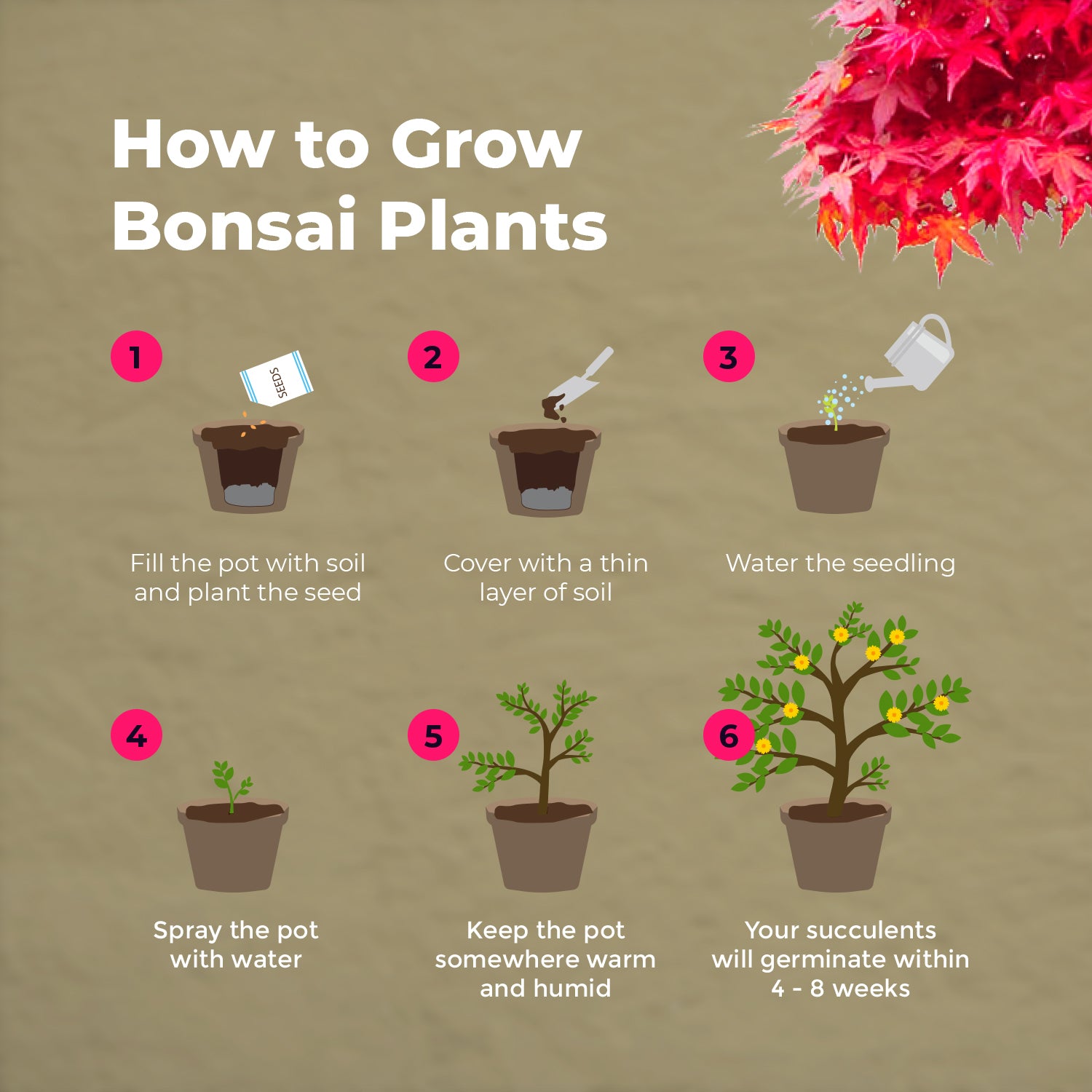
Why start bonsai from seed
Growing bonsai from seed offers control over form, stronger roots, and a deeper bond with the tree. Seed-grown bonsai often develop better taper and long-term health than nursery-bought material.
Starting from seed teaches patience and technique. You shape a tree’s style from the earliest stages. Experienced growers value this route for the creative rewards.

Choosing seeds and timing
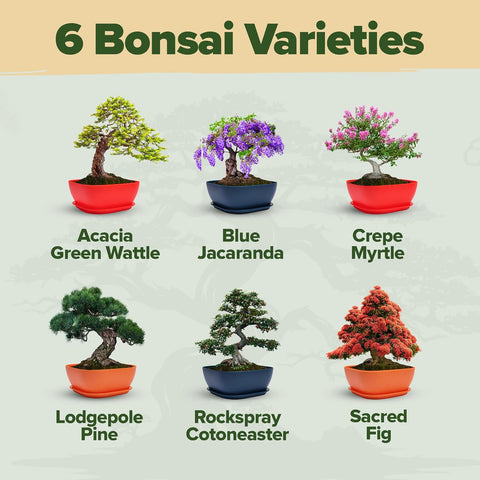
Pick species that suit your climate and skill level. Beginners often choose maple, elm, larch, pine, or ficus depending on whether you live in a temperate or tropical area.
Buy fresh, high-quality seeds from reputable suppliers. Check viability by noting the pack date and storage notes.
Time sowing to the species’ natural cycle. Many temperate trees do best sown in late winter after stratification, while tropical seeds can be sown year-round.
how to plant bonsai seeds well begins with the right seed choice and timing.

Seed preparation: stratification and scarification
Some seeds need treatments to germinate. Two common methods are stratification and scarification.
Stratification simulates winter chill. Place moist seeds in a sealed bag with sphagnum or vermiculite and refrigerate for the recommended weeks. Many temperate species require this step.
Scarification breaks a hard seed coat. Rub seeds gently with sandpaper or nick with a knife, then soak overnight. This helps water penetrate and jumpstarts germination.
Always follow species-specific instructions for durations and temperatures. I learned the hard way: too long in cold kills seeds, too short yields poor sprouting.

Soil, containers, and tools
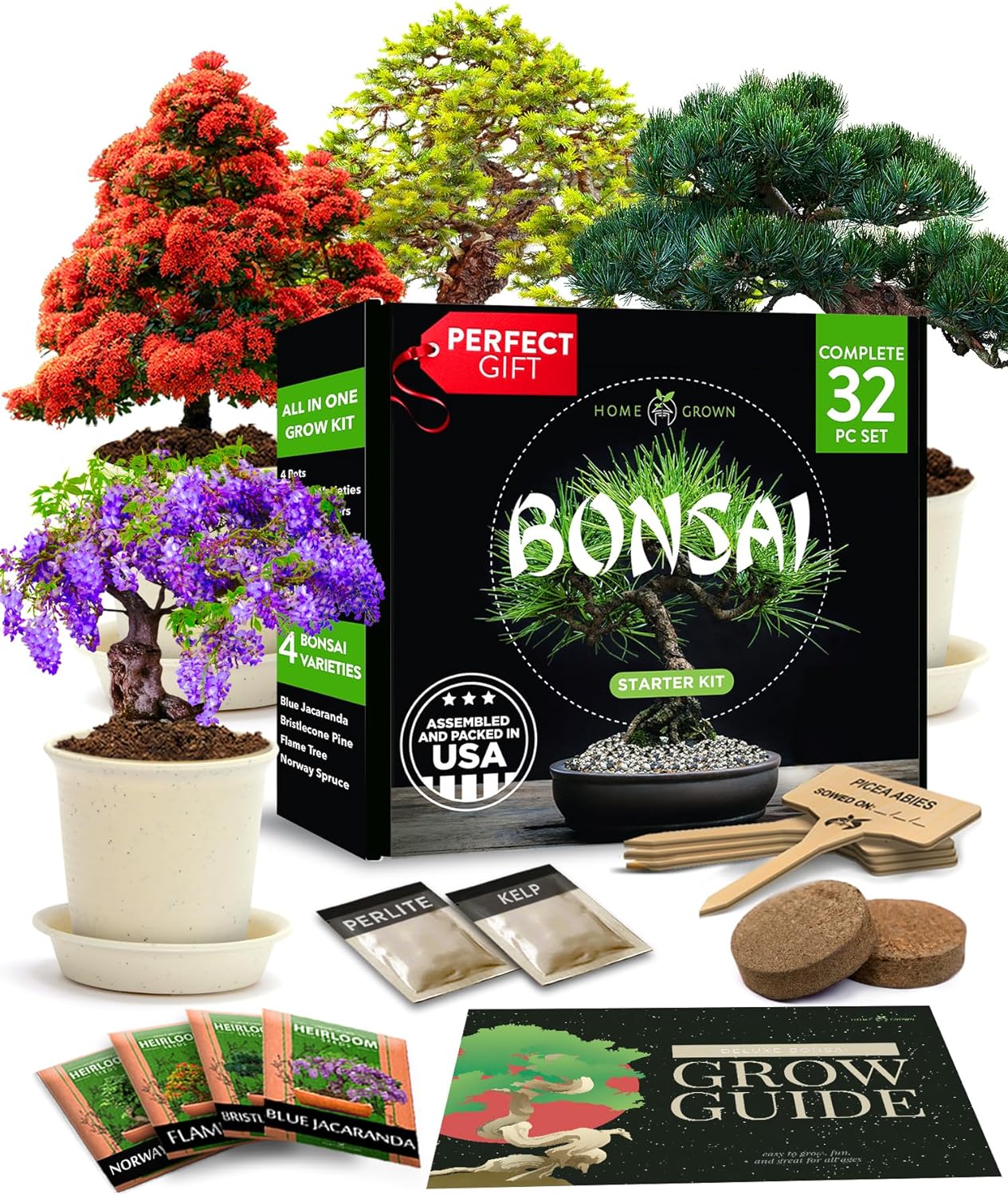
Use a free-draining, sterile mix for seeds. A blend of akadama or pumice with a little organic matter works well for many bonsai species. Seed trays, small pots, or biodegradable pots are all fine.
Keep tools simple and clean. You’ll need trays or pots, a small trowel, a spray bottle, labels, and a humidity cover or plastic dome. Sterilize trays to avoid damping-off disease.
Good drainage and clean tools are key when you learn how to plant bonsai seeds successfully.
Step-by-step: how to plant bonsai seeds
- Prepare seeds. Apply stratification or scarification if needed. Rinse and soak when required.
- Fill containers. Moisten the chosen soil until it’s damp but not soggy.
- Sow seeds. Place seeds on soil surface or at the depth listed for the species. A general rule is sow at one to two times the seed’s diameter.
- Cover lightly. Use a thin layer of fine soil or grit. Large seeds can be pressed gently into the mix.
- Label pots. Note species and date to track progress.
- Provide humidity. Cover trays with a clear dome or plastic wrap and place in bright, indirect light. Avoid direct sun that can overheat seedlings.
- Maintain moisture. Mist with a spray bottle or bottom-water to keep soil evenly moist. Avoid saturation.
- Move seedlings as they emerge. Remove the cover once true leaves appear and give more airflow to prevent mold.
These steps form a clear path for how to plant bonsai seeds and look after them in the crucial first weeks.

Care during germination and the first year
Keep light steady and gentle. Seedlings need bright indirect light; a south window with filtered light or grow lights on a timer works well.
Water carefully; wet-dry cycles stress young roots. Aim for consistent moisture without waterlogging.
Feed lightly after the first true leaves appear. Use a half-strength balanced fertilizer. Too much fertilizer early causes weak growth.
Protect from pests and disease. Damping-off is a common fungal problem; good air flow and sterile soil cut risk.
Record keeping helps. Note germination rates, dates, and any issues so you improve next season.
Training young bonsai and repotting
Start gentle training after the first year for most species. Use light pruning to shape the trunk and remove unwanted shoots. Avoid heavy wiring on very young, brittle stems.
Repot seedlings when roots fill the pot or after one to three years, depending on species and vigor. Use a slightly larger pot and fresh soil mix. Root pruning is minimal at first—focus on promoting balance and health.
Patience is essential. The phrase "how to plant bonsai seeds" is really the start of a multi-year project. Expect slow, rewarding progress.

Common problems and fixes
Low germination can come from old seeds, poor stratification, or wrong depth. Use fresh seed and follow species guidelines.
Damping-off shows as thin stems that collapse. Improve drainage, reduce humidity, and use sterile mix.
Leggy seedlings mean low light. Add more light or move seedlings closer to a light source.
Pests like aphids and fungus gnats can attack young plants. Use gentle controls like insecticidal soap and sticky traps.
Knowing common issues makes how to plant bonsai seeds less stressful and more successful.
Short PAA-style questions
What is the easiest tree to grow from bonsai seed?
Many beginners start with elm, maple, or ficus. They germinate well and are forgiving in care.
How long until a seed becomes a bonsai?
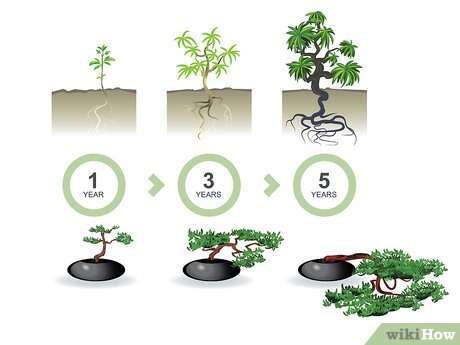
It takes years. You can train a juvenile tree in 2–5 years, but a refined bonsai often needs 5–10 years or more.
Do I need fancy soil to grow bonsai from seed?
No. Use a free-draining mix and sterile components. Quality soil helps but simple mixes work for starting seeds.
Frequently Asked Questions of how to plant bonsai seeds
What is the best way to stratify seeds for bonsai?
Place seeds in moist vermiculite or peat in a sealed bag and refrigerate for the species-specific period. Check regularly to avoid mold and ensure the medium stays damp.
How deep should I plant bonsai seeds?
Plant seeds at a depth of one to two times their diameter, unless the species recommends surface sowing. Large seeds may be pressed slightly into the soil.
When should I start fertilizing seedlings?
Start light feeding after true leaves appear, usually four to six weeks after germination. Use a half-strength balanced fertilizer to avoid burning delicate roots.
How much light do bonsai seedlings need?
They need bright, indirect light or 12–16 hours under grow lights. Avoid hot direct sun until seedlings are stronger.
Can all bonsai be started from seed?
Most species can be started from seed, but some rare or exotic species are easier from cuttings or grafts. Choose species suited to your climate and skill level.
Conclusion
Growing bonsai from seed is a patient, rewarding craft that gives control over form and fosters a deep connection with your tree. Follow the steps for choosing seeds, preparing them correctly, using the right soil, and caring gently during the first year. Start small, keep notes, and learn from mistakes—each season teaches you something new. Try one species, track your results, and share your progress with the community to learn faster. If you’re ready, gather seeds and tools and start your first tray this season—then come back and tell me how it went or ask for help.

Laura Bennett is a gardening writer at MyGardenLabs who creates beginner-friendly guides focused on solving common plant care and gardening problems.