How To Grow A Bonsai Tree From Seed: Step-By-Step Guide
Growing a bonsai from seed takes patience, simple steps, and steady daily care.
I’ve grown many bonsai from seed over the years and I’ll walk you through how to grow a bonsai tree from seed with clear, tested steps. You’ll learn seed selection, germination tricks, seedling care, early training, and the common pitfalls I learned the hard way. Follow this guide and you’ll have a strong start on how to grow a bonsai tree from seed that can become a lifetime companion.

Why start with seed: benefits and expectations
Growing from seed gives you total control over a bonsai’s shape, root structure, and health. Growing a bonsai tree from seed is slow, but it builds stronger, healthier trees than many nursery buys. Expect years to create a refined bonsai; the first two to five years focus on root and trunk development, not styling. My experience shows patience pays: seedlings adapt better to pruning and wiring later.

Choose the right species and seeds
Pick species that match your climate and skill level. Common beginner choices when learning how to grow a bonsai tree from seed include juniper, maple, pine, and elm. Buy fresh seeds from a reputable supplier or collect locally in season. Check seed viability by float testing: viable seeds usually sink in water after a short soak.

Seed storage and handling
Store seeds cool and dry until you’re ready to start. Some seeds need cold storage to stay viable; others dry out. Label every packet with species and date. I once mixed two similar bags and lost a season—labeling saves time and worry.

Seed preparation: stratification and scarification
Many bonsai species need pre-treatment before germination. Learn the needs of your species when learning how to grow a bonsai tree from seed.
- Stratification: Place seeds in damp sphagnum or sand in the fridge for weeks to months to mimic winter.
- Scarification: Lightly nick or sand hard seed coats to let moisture in for tough seeds like pine.
- Quick soak: Soak seeds in warm water for 12–24 hours to jump-start germination for soft-coated seeds.
Treatments raise germination rates and shorten wait time. I track dates on a calendar to know when to sow.

Sowing seeds step-by-step
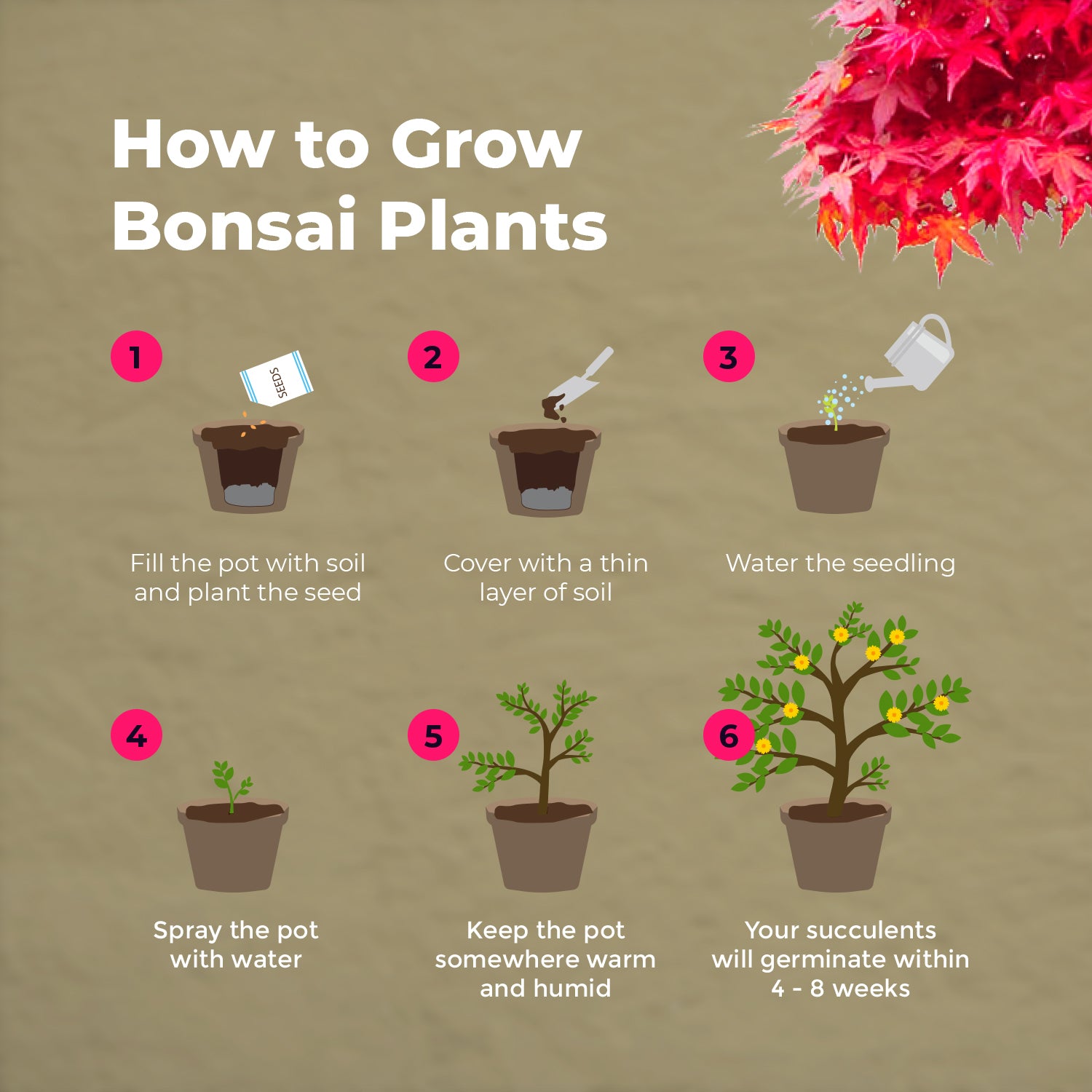
A clear routine helps new growers succeed when trying to grow a bonsai tree from seed.
- Choose a shallow tray or small pots with drainage.
- Use a fast-draining mix: two parts coarse sand or grit to one part peat or compost.
- Place seeds on the surface or just under a thin dusting of mix, depending on species.
- Water gently with a spray bottle to settle soil without displacing seeds.
- Cover with clear plastic or a humidity dome to keep moisture stable.
- Keep at the right temperature and light level for the species.
Monitor daily for moisture and mold. I set alarms to mist twice a day until true leaves appear.
Germination care and lighting
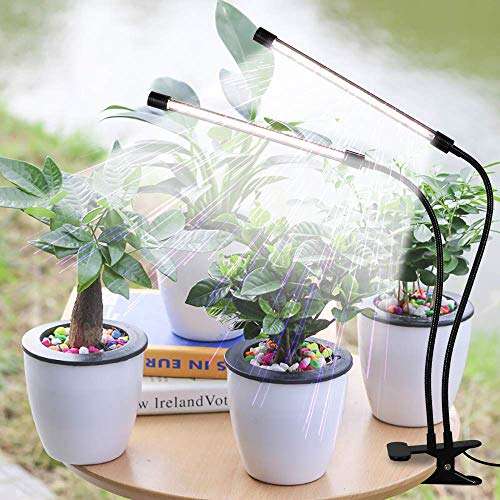
Germination needs consistent warmth and gentle light. For many species, place trays in bright, indirect light or under grow lights set on a timer. Avoid full sun for tiny seedlings. Keep mix moist but not waterlogged. Once seedlings show true leaves, start giving more light and air to harden them off slowly. This step is key to successfully grow a bonsai tree from seed into a resilient plant.
Early seedling care and first-year routine
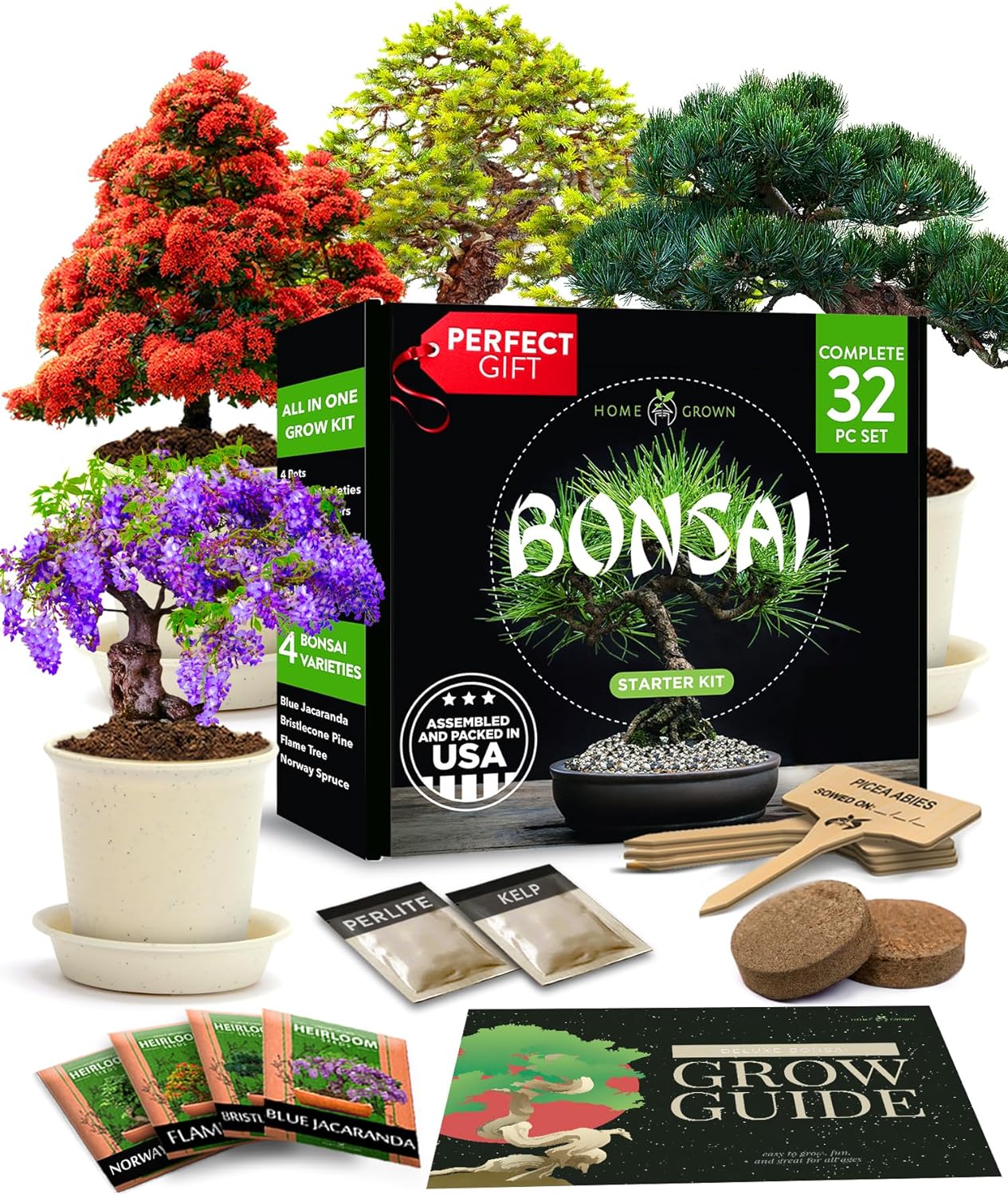
The first year is about root growth and steady health. Thin crowded seedlings so the strongest remain. Feed with a diluted liquid fertilizer after the second set of true leaves. Repot into slightly larger pots in year one or two only if roots fill the container. Protect seedlings from strong wind, late frost, and hungry critters. From my experience, small daily checks prevent most failures.
Potting, soil, and drainage for young bonsai
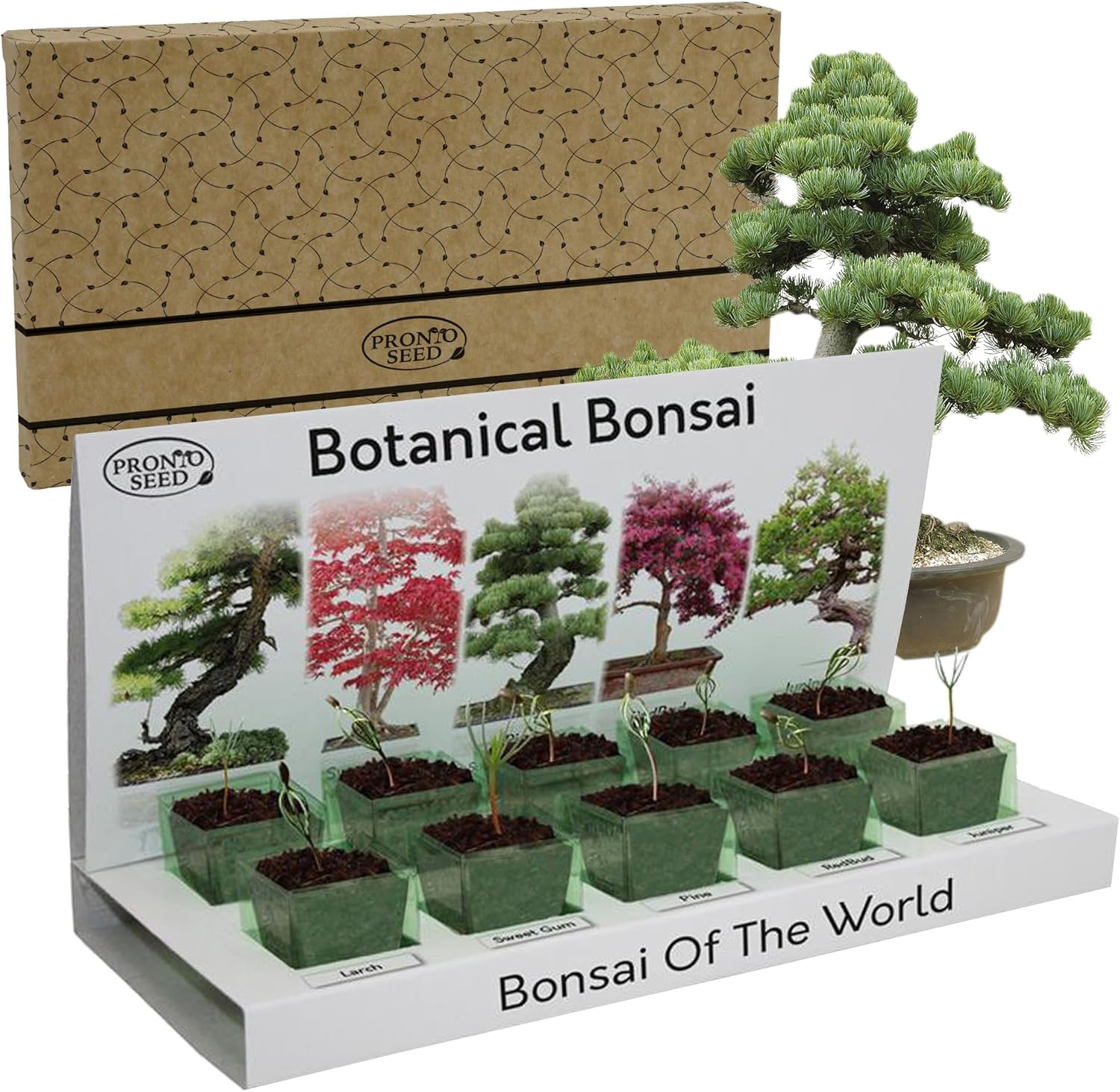
Good soil and drainage matter more than fancy pots when starting. Use gritty, well-draining bonsai mixes with components like akadama, pumice, or coarse lava rock. Ensure every pot has solid drainage holes. When you move seedlings into bonsai pots a few years in, keep the rootball intact and prune only small roots to avoid shock. Proper soil helps you successfully grow a bonsai tree from seed without root rot.

Basic styling: pruning and wiring for seedlings
Styling starts conservatively. In early years, focus on pruning to create a central trunk and balanced branch nodes. Avoid heavy wiring on very thin branches; use soft wire or raffia wrap for support. Develop ramification gradually over seasons. My tip: sketch goals before pruning so you don’t remove future structure by mistake.
Watering, feeding, and seasonal care
Consistent care helps seedlings thrive and mature into bonsai. Water when the top layer of mix is slightly dry. Feed balanced fertilizer in growing months and cut back in dormancy. Protect from heat stress in summer and cold damage in winter. These simple habits are core to learning how to grow a bonsai tree from seed well.
Common problems and troubleshooting
Seedlings face pests, disease, and environmental stress. Spot yellow leaves, damping off, and slow growth early.
- Pests: Check for aphids, mites, and slugs; remove by hand or use gentle sprays.
- Damping off: Caused by fungi; avoid overwatering and improve airflow to prevent it.
- Poor growth: Often from low light or nutrient-poor mix; raise light and feed lightly.
I lost seedlings to damping off once; improving drainage and reducing humidity fixed the issue fast.
Timeline and realistic expectations
Growing a bonsai from seed is a marathon. Expect these rough milestones when you learn how to grow a bonsai tree from seed.
- 0–1 year: Germination and seedling establishment.
- 1–3 years: Trunk thickening and root development.
- 3–10 years: Basic styling, branch placement, and refinement.
- 10+ years: Mature refinement, advanced styling, and bonsai shows.
Set small goals each year. Small wins keep you motivated.
Advanced tips and tricks from my experience
Small changes make big differences when you decide to grow a bonsai tree from seed.
- Grow multiple seedlings and select the best, as variability is high.
- Keep a journal with dates for stratification, sowing, and pruning.
- Use clear labeling and photos to track progress.
- Join a local club for hands-on help and critique.
These are the practical lessons I wish I’d had starting out. They speed learning and reduce losses.
Frequently Asked Questions of how to grow a bonsai tree from seed
How long does it take for seeds to germinate?
Germination time varies by species. Some seeds sprout in days, while others need weeks or months after stratification.
Can I use seeds from store-bought trees?
You can, but viability varies. Fresh, properly stored seeds or supplier seeds give better results.
Do all bonsai species need stratification?
No. Many temperate species do, while tropical species often do not. Check species-specific needs before starting.
When should I transplant seedlings into bonsai pots?
Wait until the seedling has a well-developed root system and sturdy trunk, usually after 2–3 years for many species.
Is it cheaper to grow bonsai from seed than buy a nursery tree?
Initial cost is low for seeds, but time and effort are higher. Growing from seed is cost-effective if you value long-term learning and control.
Conclusion
Growing a bonsai tree from seed is a patient, rewarding craft. Start with the right seeds, give focused early care, and build strong roots before styling. Keep notes, learn from small mistakes, and enjoy the slow progress. If you are ready to try, pick a species, gather your supplies, and plant today—your future bonsai starts now. Leave a comment with your species choice or subscribe for step-by-step photos and updates.

Laura Bennett is a gardening writer at MyGardenLabs who creates beginner-friendly guides focused on solving common plant care and gardening problems.