Are Bonsai Trees Poisonous To Cats: Safety And Care
Most bonsai are not highly toxic, but some species used as bonsai can be dangerous to cats.
I have worked with houseplants and pets for years, and I know how worrying it is when a curious cat meets a tiny tree. This article answers the question are bonsai trees poisonous to cats in depth. You will learn which bonsai species are risky, what signs to watch for, simple first aid steps, and how to keep both your cat and bonsai safe. Read on for clear, practical advice based on experience and veterinary guidance.
Are bonsai trees poisonous to cats? A clear overview
Bonsai are not a single plant type. They are regular plant species trained into small tree shapes. That means toxicity depends on the species. So, when people ask are bonsai trees poisonous to cats, the true answer is: it depends on the plant species used as bonsai.
Some bonsai species are harmless to cats. Others, like the sago palm used as bonsai, are highly toxic and can cause liver failure. The key is to know the species and act quickly if your cat chews leaves or soil. I will walk you through the main offenders and practical safety steps.

How plant toxicity works for cats
Plant toxins affect cats differently than humans. Cats groom by licking, and they taste less than they touch. A small bite can still matter. Toxins can cause local irritation or whole-body problems.
Common toxin routes:
- Ingested leaves, flowers, or seeds
- Topical skin contact leading to licking
- Soil or fertilizer ingestion
When evaluating are bonsai trees poisonous to cats, consider leaves, sap, and any pot additives. Some compounds harm the gut. Others harm the liver, heart, or nervous system. Keep this in mind when you bring a bonsai into a home with cats.
Common bonsai species and their toxicity to cats
Bonsai often use many common plants. Below I list popular bonsai species and whether they are toxic to cats. This helps answer are bonsai trees poisonous to cats for specific plants.
- Ficus (Ficus benjamina, Ficus microcarpa)
- Mildly toxic. Sap and leaves can cause drooling and upset stomach.
- Sago palm (Cycas revoluta)
- Highly toxic. Every part is dangerous. Even small amounts can cause severe liver damage.
- Jade plant (Crassula ovata) used as bonsai
- Toxic. Can cause vomiting, depression, and an abnormal heart rhythm.
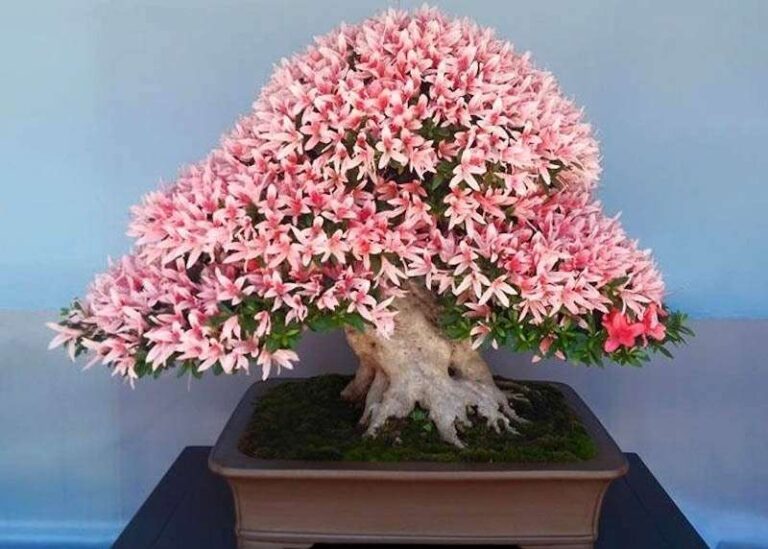
- Azalea / Rhododendron varieties
- Toxic. Can cause vomiting, diarrhea, weak pulse, and potentially coma.
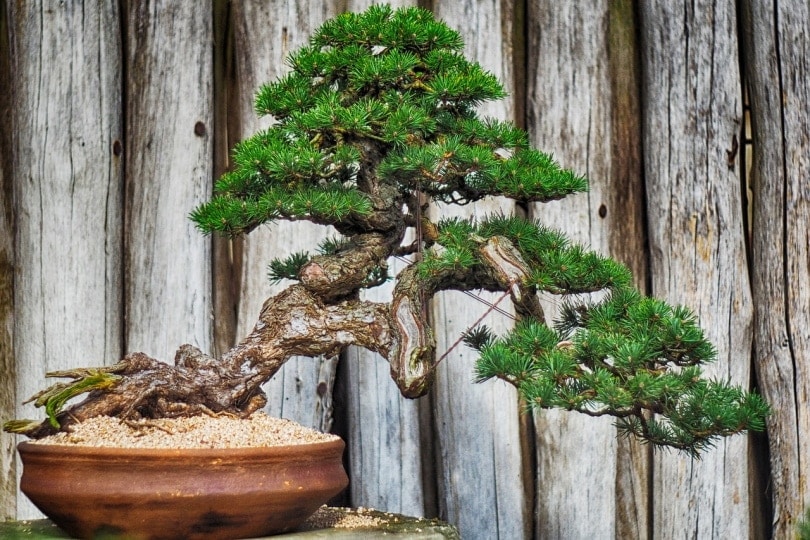
- Juniper and pine bonsai
- Generally low toxicity. Some species cause mild stomach upset.
- Japanese maple and birch bonsai
- Low toxicity. Usually safe but monitor if cat chews heavily.
- Schefflera and Aralia species
- Toxic. Cause oral irritation and vomiting.
When you ask are bonsai trees poisonous to cats, focus first on the plant species. If you are unsure what species your bonsai is, treat it as potentially risky until you confirm.

Symptoms of bonsai poisoning in cats
Symptoms vary by toxin. Early signs are often mild and can escalate quickly. Watch your cat closely after any exposure.
Common signs:
- Excessive drooling and pawing at the mouth
- Vomiting and diarrhea
- Loss of appetite and lethargy
- Unsteady walking, tremors, or seizures
- Rapid or slow heartbeat and breathing changes
- Yellowing of gums or skin (sign of liver trouble)
If the bonsai species is known to be dangerous, such as sago palm, watch for delayed signs like jaundice, which can show 24 to 72 hours later. Quick recognition makes a big difference.

What to do if your cat eats bonsai: first aid and vet care
Stay calm. Act quickly. Time matters.
Steps to take:
- Remove your cat from the plant and secure any remaining leaves.
- Wipe the cat’s mouth and paws with a damp cloth to prevent more ingestion.
- Check the plant to identify species and amount chewed.
- Call your veterinarian or an emergency animal clinic immediately.
- Do not induce vomiting unless a vet tells you to do so.
- Bring a photo or sample of the plant to the clinic.
- Follow the vet’s instructions—treatment may include activated charcoal, fluids, stomach protection, or liver-support medications.
If you suspect a high-risk plant like a sago palm, head to emergency care right away. Early treatment can be lifesaving.

Prevention and cat-proofing your bonsai
Preventing exposure is the best plan. Use simple steps to protect your cat and your bonsai.
Practical tips:
- Know the species: Label your bonsai and research toxicity before you buy it.
- Place bonsai out of reach: Use tall shelves or hanging displays where cats can’t climb.
- Use deterrents: Citrus peels, safe cat repellents, or motion-activated sprays can help.
- Offer cat-safe plants: Give cat grass or catnip to satisfy chewing instincts.
- Secure soil and pots: Cover soil with stones or mesh to prevent digging and litter contamination.
- Train and enrich: Offer toys and vertical spaces to keep your cat busy away from plants.
I once moved a prized ficus bonsai to a wall shelf after my cat climbed it. A shelf and a few cat-friendly distractions solved the problem. Small changes go a long way.

Choosing safe bonsai and alternatives
If you love bonsai but worry about your cat, choose low-risk species or alternatives that mimic bonsai style.
Safe choices and options:
- Non-toxic bonsai alternatives: Japanese maple, birch, or certain olive trees when confirmed safe.
- Live alternatives: Cat grass pots that look tidy and are safe for chewing.
- Faux bonsai: High-quality artificial bonsai can give the aesthetic without risk.
- Rotate plants: Keep higher-risk bonsai in rooms the cat can’t access.
Always double-check the species and any fertilizers or pesticides used. Those chemicals can also harm cats.
Personal experience and lessons learned
I care for both plants and cats. Early in my plant-keeping days, I left a small sago palm on a low table. My cat nipped a leaf. I rushed to the vet and we avoided severe damage. I learned to place high-risk plants well out of reach.
Key lessons:
- Label every bonsai with species and toxicity notes.
- Assume the worst until you confirm safety.
- Invest in cat-friendly alternatives and enrichment.
- Build a relationship with an emergency vet for quick action.
These small steps cut stress and keep both pets and plants safe.
Frequently Asked Questions of are bonsai trees poisonous to cats
Is sago palm bonsai dangerous to cats?
Yes. Sago palm is highly toxic. Even small amounts can cause severe liver damage and can be fatal without prompt treatment.
Can a cat die from eating bonsai leaves?
Yes, if the bonsai species is highly toxic and treatment is delayed. Fast veterinary care improves outcomes.
Are all ficus bonsai toxic to cats?
Many ficus species are mildly toxic. They usually cause drooling and mild upset, but reactions vary by cat and amount eaten.
Is artificial bonsai safe for cats?
Generally yes. Artificial bonsai removes plant toxin risk, but watch for loose parts that a cat might swallow.
How do I tell if my bonsai killed my cat?
A vet will assess symptoms, run tests, and may identify plant toxins. Sudden vomiting, jaundice, or seizures after exposure are red flags.
Conclusion
Bonsai can be beautiful in a cat home, but whether are bonsai trees poisonous to cats depends on the plant species. Learn the species, watch your cat, and act fast if your cat chews a bonsai. Use safe placement, deterrents, and cat-friendly alternatives to enjoy both your pet and your plants. Take one step today: check the species of any bonsai you own and move 위험ous ones out of reach. If this article helped you, leave a comment or share your bonsai-and-cat story.

Laura Bennett is a gardening writer at MyGardenLabs who creates beginner-friendly guides focused on solving common plant care and gardening problems.