How Long Do Bonsai Trees Take To Grow: Timeline And Tips
Most bonsai show visible form in 3–10 years; true mature styles take decades.
I’ve grown bonsai for over a decade and taught dozens of students. I know the common desire behind the question how long do bonsai trees take to grow. This guide answers that question clearly. It lays out realistic timelines, species differences, care tips, and ways to speed progress without harming your tree. Read on to get a confident, practical plan you can use today.
Understanding bonsai growth timeline
Bonsai are not a separate species. They are regular trees trained to stay small. How long do bonsai trees take to grow depends on many things. Size, style, and species matter. So does starting material and care.
Quick view:
- Seed-grown bonsai can take 5–10 years to look like a true bonsai.
- Nursery stock or clippings can reach bonsai form in 2–5 years.
- Classic, aged styles can require 20–50 years.
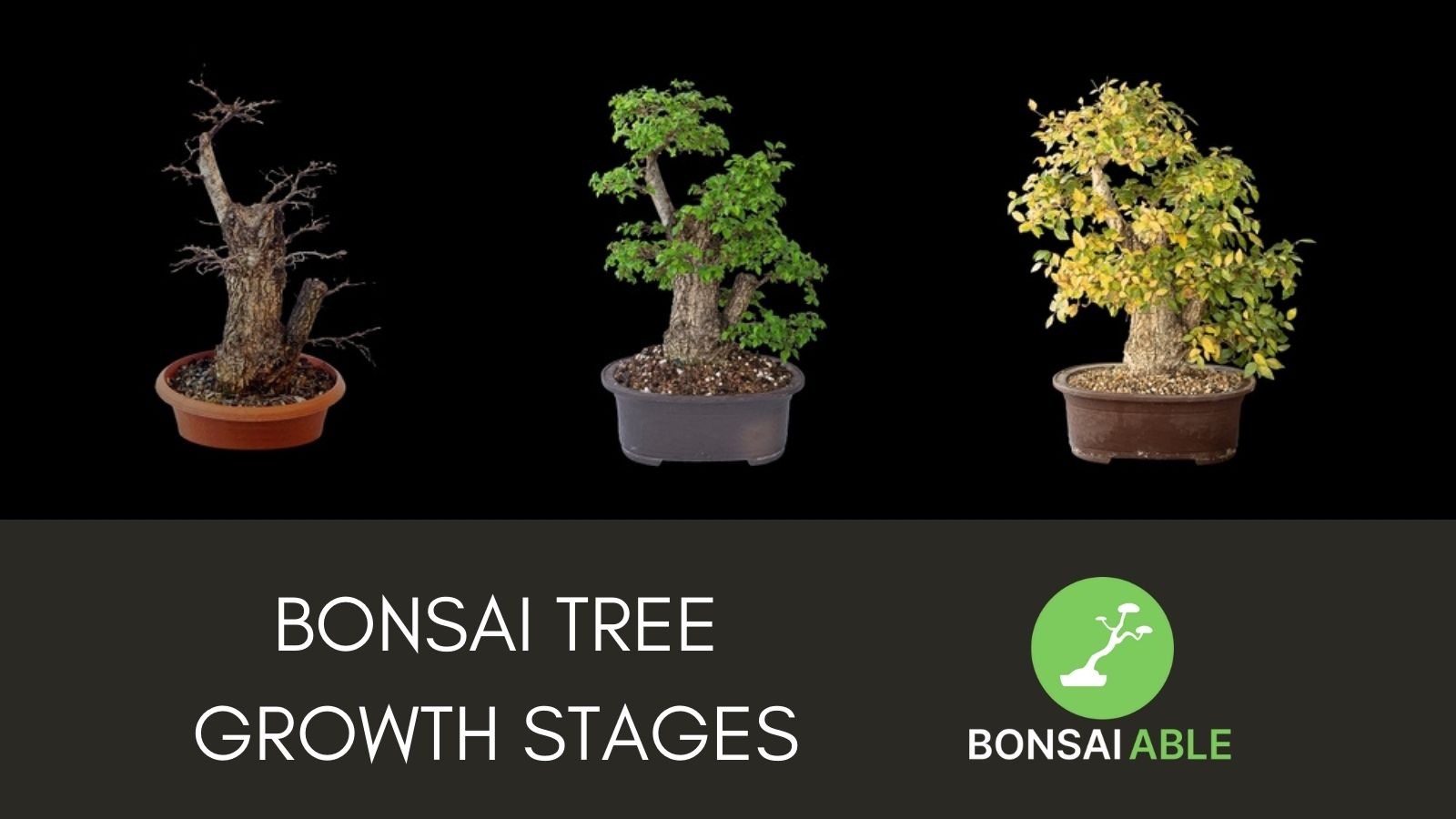
Bonsai growth has two phases. The first phase is basic trunk and branch shaping. The second is refinement and aging. The first can be done in a few years. The second takes decades. How long do bonsai trees take to grow is a question of goals and patience.

Key factors that determine how long do bonsai trees take to grow
Several clear factors change the timeline. Know them to plan better.
- Species and growth rate. Fast growers like Chinese elm or ficus show results fast. Slow growers like juniper and pine take longer.
- Starting material. Seed, cutting, nursery stock, or field-grown? Seed is slowest. Field-grown gives old trunk fast.
- Climate and location. Warm zones speed growth. Cold climates slow rings and branch thickening.
- Pot size and root care. Restricted roots slow vertical growth but can help ramify branches.
- Training techniques. Wiring, pruning, and jin/uro work change how the tree develops.
- Nutrition and watering. Regular, balanced care helps growth without excessive leggy shoots.
- Time invested. Frequent, correct work shortens the path to a pleasing bonsai.
A realistic plan uses these factors to set timelines. When people ask how long do bonsai trees take to grow, they often miss how starting choice and care shift years off the process.

Typical timelines by species and starting method
Species choice and starting method are the fastest way to set expectations. Below are typical ranges.
From seed:
- Fast growers (elm, maple): 5–10 years to bonsai form.
- Moderate growers (juniper, azalea): 10–20 years.
- Slow growers (pine): 15–30+ years.
From nursery stock:
- Fast growers: 2–5 years.
- Moderate: 5–10 years.
- Slow: 8–15 years.
From field-grown or yamadori (wild-collected):
- Often 1–5 years to look like a mature bonsai.
- Longer for full refinement.
Cuttings or young plants:
- 2–6 years for basic form on fast species.
Remember: these ranges answer how long do bonsai trees take to grow in general. Your results may vary.

How care and training speed or slow growth
Good techniques help. Bad ones hurt.
- Prune to direct energy. Shorten long shoots to force ramification.
- Wire carefully. Wiring changes branch position. It does not speed trunk thickening.
- Repot at the right time. Repotting wakes roots and can boost growth for a season.
- Fertilize sensibly. Balanced food supports steady growth. Overfertilizing makes weak shoots.
- Use root pruning to control vigor. Root work can concentrate growth above ground.
- Provide appropriate light and humidity. This affects leaf size and vigor.
If you ask how long do bonsai trees take to grow, note that smart care often cuts a few years off the timeline without harming the tree.
Techniques to thicken trunk faster (responsibly)
Many people want thicker trunks fast. There are safe ways to accelerate trunk development.
- Grow in a larger nursery pot first. Let the trunk thicken for 1–3 years.
- Use branch sacrifice. Grow a low branch fully to feed trunk girth.
- Air-layer to create a new, thicker trunk on a high branch.
- Graft or attach a nebari-enhancing root where needed.
- Use seasonal backbulbing on deciduous trees to promote trunk rings.
Avoid repeated over-wiring or forced girdling. That can kill tissue. With care, you can shorten how long do bonsai trees take to grow into a visually strong tree by several years.
Common mistakes that extend timelines
Mistakes cost time. Avoid these to keep your plan on track.
- Starting the wrong species for your climate. A slow species in the wrong zone stays slow.
- Neglecting root care. Weak roots mean slow shoots and slow trunk growth.
- Over-pruning too early. Removing too much foliage limits energy for thickening.
- Chasing speed with chemicals or extreme methods. These risk long-term damage.
- Impulse repotting. Incorrect timing sets growth back.
When people ask how long do bonsai trees take to grow, they often mean time to a pleasing look. Avoiding mistakes saves years.
:strip_icc()/GettyImages-598322873-409b66c4895d492eb28fde9e752d98ad.jpg)
Personal experience: what I learned growing bonsai
I started a Chinese elm from a cutting. It looked like a twig for a year. I worked it for three seasons. By year four it had a small, pleasing trunk and many fine branches. That felt fast.
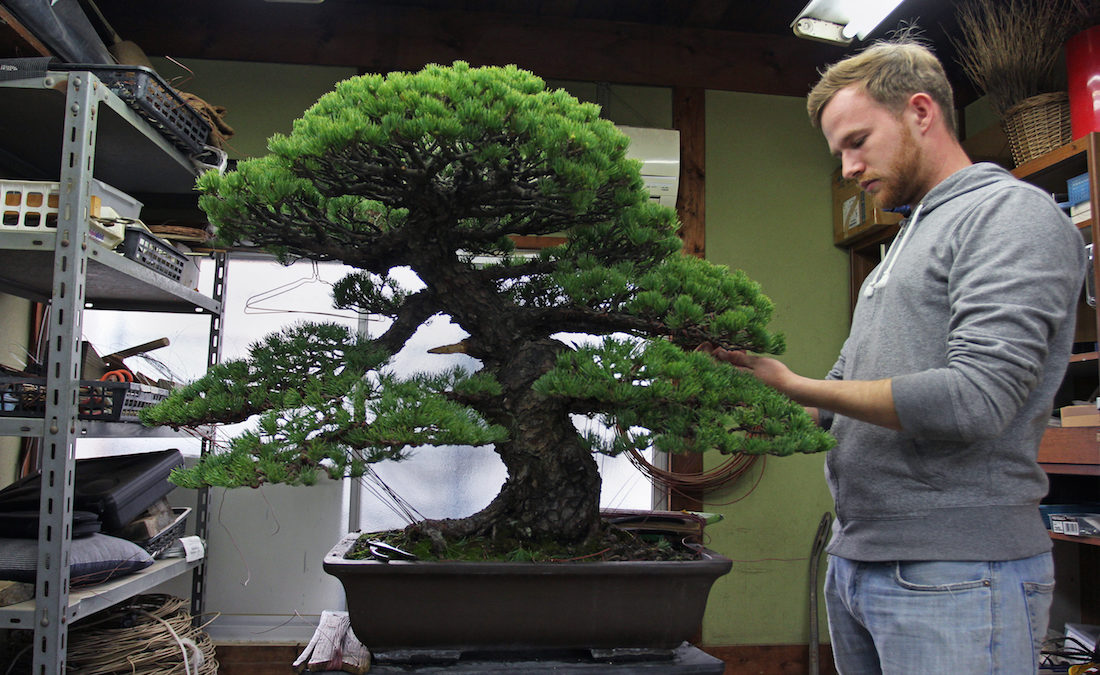
Later I worked a field-grown pine. It needed years of refinement. I used sacrifice branches and selective pruning. In year 12 it finally had the silhouette I wanted.
Lessons learned:
- Choose the right start for your goal. Seed if you love the journey. Nursery stock if you want faster results.
- Be patient with slow species. Their age shows in bark and taper.
- Track progress with photos. You will see subtle gains that matter.
These real cases show practical timelines for how long do bonsai trees take to grow.

How to set realistic goals and a multi-year plan
Set short, medium, and long goals. Be specific.
- Year 1–3: Establish root health and basic shape.
- Year 3–7: Refine branches and improve ramification.
- Year 7–15+: Work on bark, taper, and detailed styling.
Review annually. Adjust after each growing season. This method answers how long do bonsai trees take to grow in a clear, stepwise way.
People also ask: common quick questions
How long before a bonsai looks like a bonsai?
Most bonsai will start to look like bonsai in 2–10 years depending on start material and species. Fast results come from nursery stock or field-grown material.
Can I make a bonsai in one year?
You can create a bonsai pot presentation in one year using a pre-grown trunk or collected material. True refinement and age take much longer.
Do bonsai ever stop growing?
Bonsai continue to grow slowly while alive. Growth is limited by root space and pruning. You manage growth with training.
Is it better to start from seed or nursery stock?
Seed gives control and is rewarding but slow. Nursery stock is faster for visible bonsai. Choose based on patience and goals.
How fast do indoor bonsai grow compared to outdoor bonsai?
Indoor bonsai often grow slower due to lower light and seasonal cycles. Outdoor bonsai follow natural seasons and usually thicken faster.
Conclusion
How long do bonsai trees take to grow depends on species, starting material, care, and your goals. You can get a pleasing bonsai in 2–10 years with smart choices. True age and refined style often take decades. Pick a clear plan. Care for roots, use correct techniques, and track progress. Start small, learn as you go, and enjoy the steady reward of time and attention. Try one focused project this season and share your photos or questions below to keep learning.

Laura Bennett is a gardening writer at MyGardenLabs who creates beginner-friendly guides focused on solving common plant care and gardening problems.