How To Care For A Juniper Bonsai Tree: Easy Care Tips
Keep your juniper healthy: proper light, watering, pruning, and seasonal protection.
I have grown and trained juniper bonsai for years, and I’ll walk you through how to care for a juniper bonsai tree with practical, experience-backed steps. This guide covers everything from choosing the right plant to daily care, seasonal adjustments, styling, and troubleshooting so you can keep a juniper bonsai vigorous and beautiful for decades.
Why a juniper bonsai is a great choice
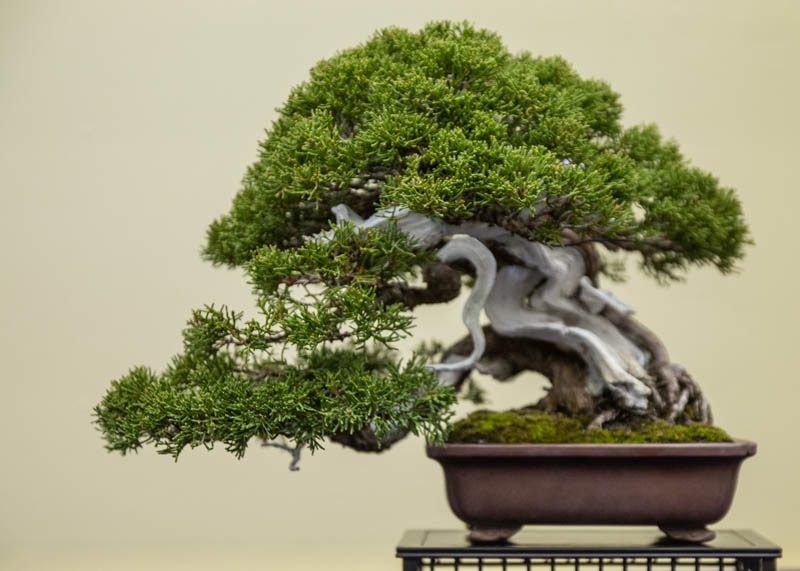
Junipers are forgiving, hardy, and classic for bonsai styling. They respond well to pruning and wiring. Their foliage and bark can age attractively, giving strong visual interest.
If you want to learn how to care for a juniper bonsai tree, this species rewards consistent, straightforward care. It suits beginners and advanced bonsai artists alike. Junipers thrive outdoors and show good resilience to pruning stress.
Selecting the right juniper and starter tree
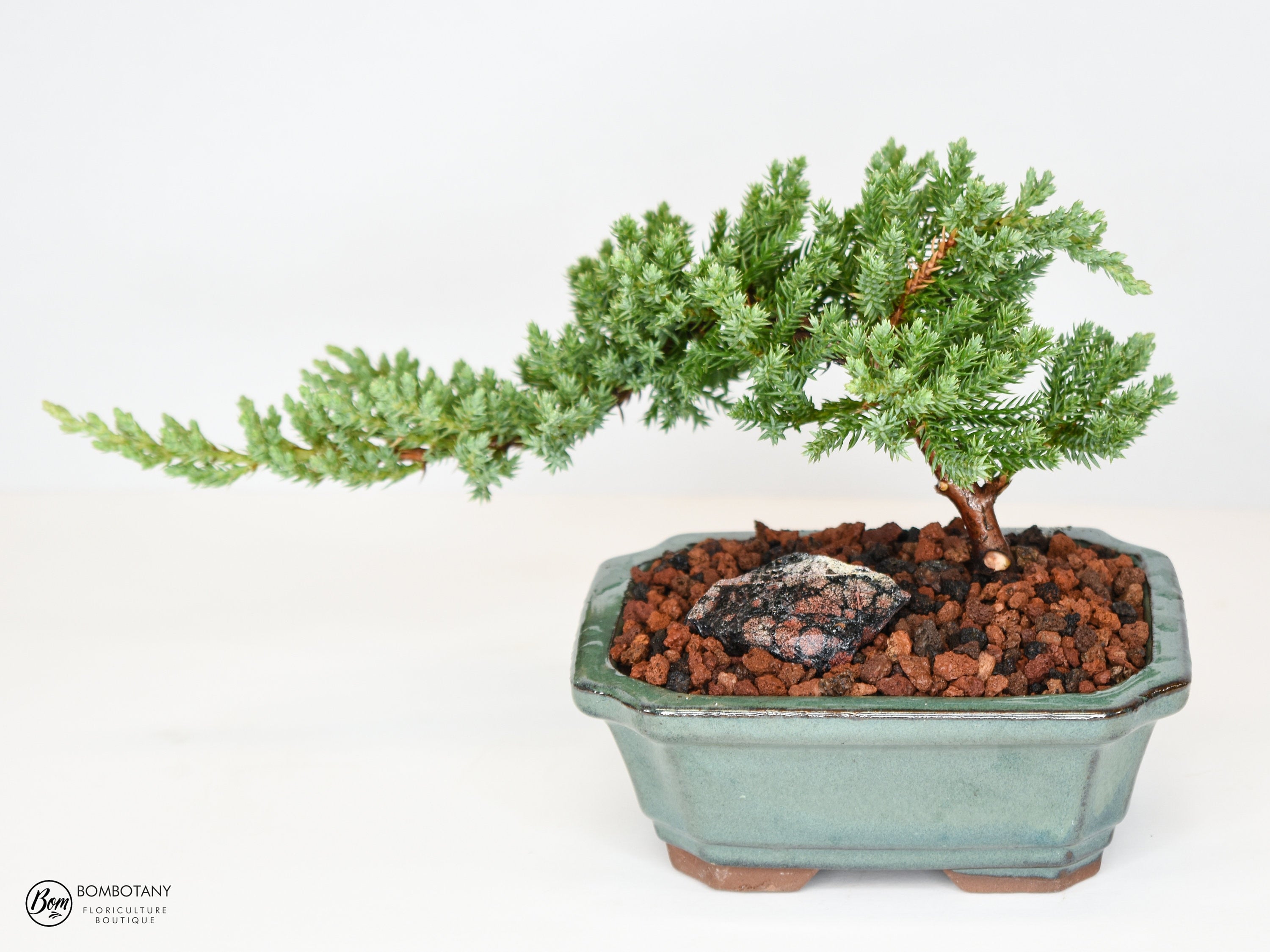
Picking the right plant sets you up for success. Look for healthy foliage, no root-bound pots, and a trunk with character. Avoid plants with brown or brittle tips or signs of heavy pest damage.
Popular species include Juniperus procumbens, Juniperus chinensis, and Juniperus squamata. Each species has slightly different habits, but all follow similar care rules. When buying, ask about the tree’s recent watering, repotting history, and cold hardiness.
:max_bytes(150000):strip_icc()/growing-juniper-bonsai-508312-01-d20b5d68bd784efd8a8ccfe8474c685b.jpg)
Light, placement, and climate needs
Junipers need strong light and good air circulation. Place your tree where it gets at least six hours of direct sun daily. Good light helps retain compact growth and keeps foliage vibrant.
Learn how to care for a juniper bonsai tree by matching placement to season. In summer, avoid harsh afternoon sun on very hot days. In winter, provide bright, cool conditions if overwintering outdoors.

Watering basics and routine
Watering is the most common care task and the one people get wrong most often. Check moisture daily in warm months and water when the top soil feels slightly dry. Water thoroughly until runoff appears, ensuring roots absorb moisture.
How to care for a juniper bonsai tree means adjusting watering by season and pot size. Smaller pots dry faster. Never let roots sit in standing water, and avoid letting the soil dry out completely for long periods.

Soil mix, drainage, and repotting
Use a fast-draining bonsai soil mix with grit, akadama, pumice, or lava rock. Good drainage prevents root rot and keeps oxygen near roots. Aim for a slightly acidic to neutral pH.
Repot young trees every 1–3 years and mature trees every 3–5 years, depending on growth. Repotting helps refresh soil and prune roots. When repotting, trim any circling roots and keep root mass balanced with the top growth.
Pruning, trimming, and wiring
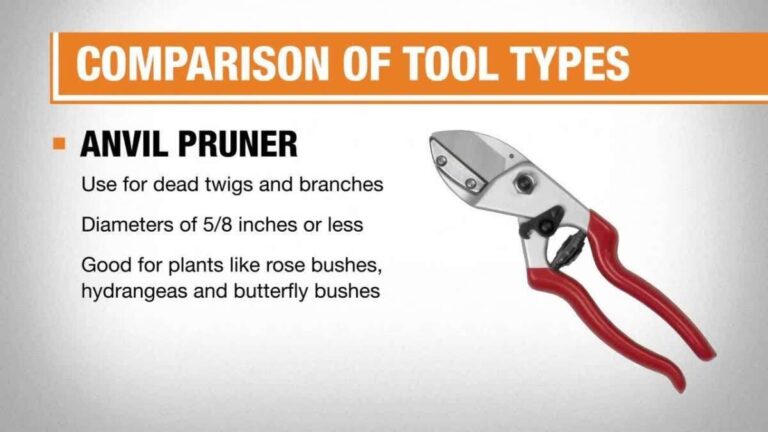
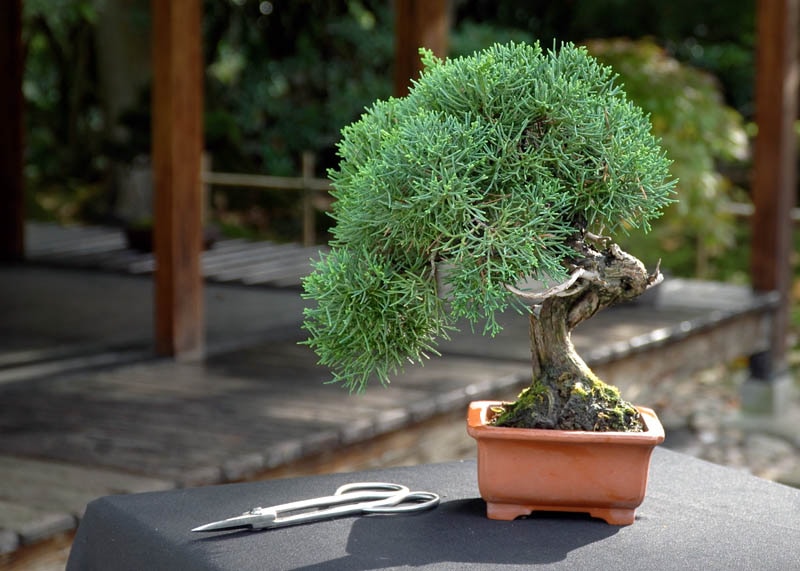
Pruning shapes the tree and encourages ramification. Use maintenance pruning to remove long shoots and structural pruning to refine shape. Pinch new growth with fingers or use shears for clean cuts.
Wiring helps bend trunks and branches, but be gentle with junipers. Wrap wire carefully and check it every few weeks. Remove wire before it starts to bite into bark to avoid scarring.
Feeding and fertilizing schedule
Regular feeding supports growth and resilience. Use a balanced, slow-release fertilizer in spring and summer. Reduce or stop fertilizing in late fall and winter when growth slows.
How to care for a juniper bonsai tree means matching feed to growth. Use some higher-potassium feed in late summer to strengthen wood before dormancy. Follow product rates to avoid burning roots.
Common pests and diseases, and how to treat them
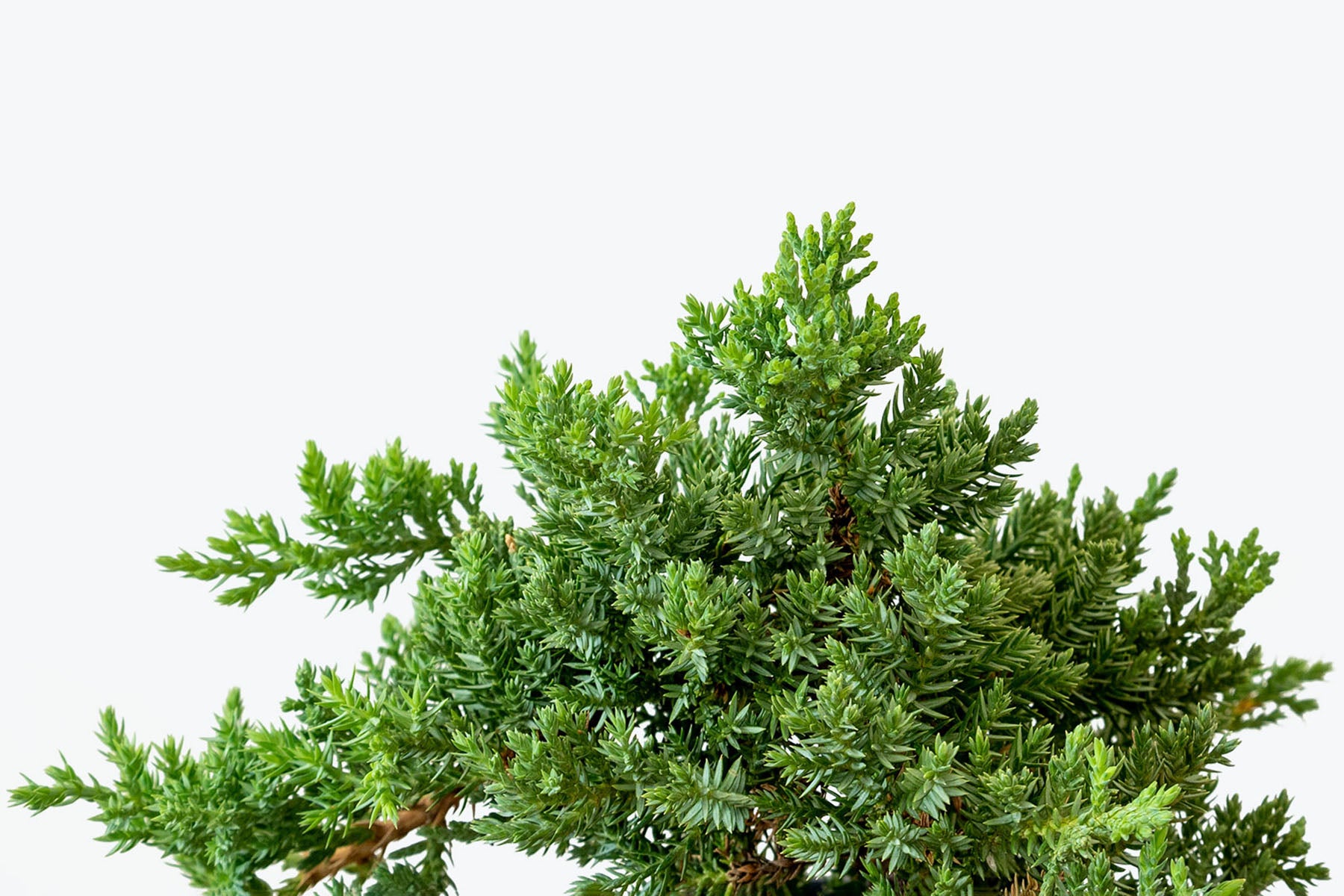
Junipers can get spider mites, scale, aphids, and fungal issues. Monitor foliage weekly for pests or sticky residue. Early detection makes treatment easier and less toxic.
Use targeted insecticidal soaps, horticultural oils, or systemic products when needed. For fungal issues, improve airflow, reduce humidity, and use fungicide if necessary. Always follow label guidance and spot-test treatments first.
Seasonal care and overwintering
Seasons change needs. In spring, repot and start feeding. In summer, watch moisture and sun intensity. In fall, reduce fertilizing and harden the tree for winter.
Most junipers prefer outdoor wintering in a protected, cool place. Protect pots from severe freezes by insulating or moving pots to a sheltered spot. How to care for a juniper bonsai tree during winter is mostly about preventing root freeze and avoiding excessive wet soil.
Styling, long-term training, and bonsai techniques
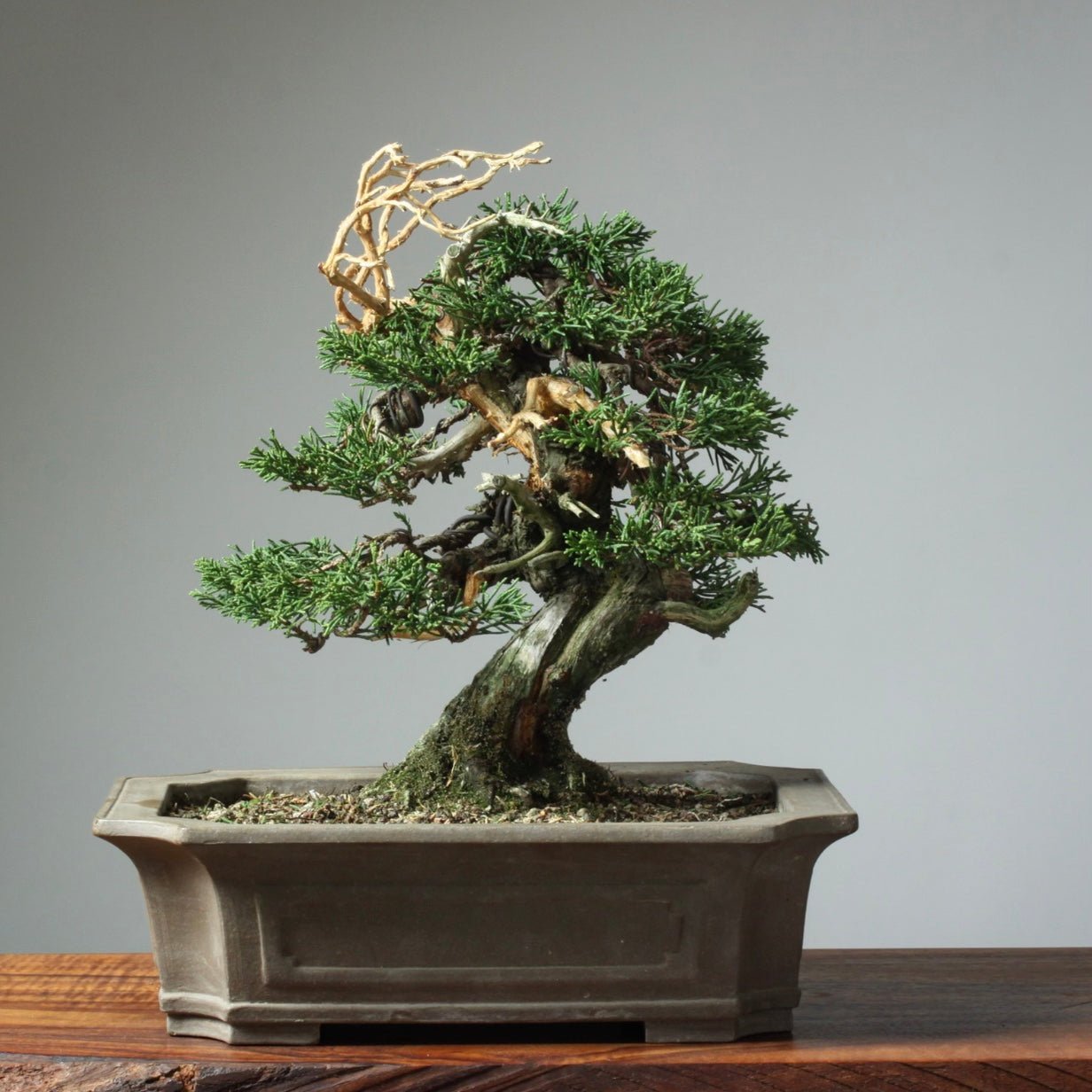
Styling includes selecting a front, creating movement, and balancing mass. Use jins, shari, and deadwood techniques carefully to mimic natural aging. Progress slowly and preserve tree health over dramatic changes.
Think step-by-step. Major changes should be done in the growing season with aftercare. I recommend keeping detailed notes and photos to track progress and avoid repeating mistakes.
Common mistakes to avoid
Overwatering and weak light are top issues. Wiring too tightly and repotting at the wrong time are frequent errors. Using heavy, poorly draining soil invites root rot.
How to care for a juniper bonsai tree means learning these patterns and correcting them early. Watch your tree, respond to signals, and be patient—bonsai is a long-term craft.
Personal experience, tips, and lessons learned
After years with junipers, I learned to trust observation. My best trees were the ones I watered by feel, not by schedule. I once lost a specimen to over-zealous wiring that cut into the trunk; now I check wire every two weeks.
Prune less than you think until the tree proves it can handle shaping. Document changes and keep a seasonal checklist. Small, steady actions beat dramatic fixes.
Frequently Asked Questions of how to care for a juniper bonsai tree
How often should I water my juniper bonsai?
Water when the top quarter-inch of soil feels slightly dry. In summer this may mean daily checks; in cool months it might be every few days.
Can juniper bonsai stay indoors?
Junipers do best outdoors with full sun. Indoor placement can work short-term, but long-term indoor growth often weakens the tree.
When should I repot my juniper bonsai?
Repot young trees every 1–3 years and mature trees every 3–5 years. Do repotting in early spring before strong new growth starts.
How do I prune new growth without causing damage?
Pinch or trim back new shoots to the second set of foliage pads. Use clean tools and avoid removing more than 25–30% of foliage at once.
What is the best soil mix for a juniper bonsai?
Choose a fast-draining mix with inorganic components like pumice and akadama or grit. Good drainage prevents root rot and helps oxygenate roots.
Conclusion
Caring for a juniper bonsai combines steady observation with simple, regular tasks: good light, careful watering, proper soil, timely pruning, and seasonal adjustments. Start small, learn from each season, and prioritize tree health over immediate style changes. Try these steps this week—check light, soil moisture, and wiring—and share your progress or questions to keep improving your bonsai skills.

Laura Bennett is a gardening writer at MyGardenLabs who creates beginner-friendly guides focused on solving common plant care and gardening problems.