How Much To Water A Bonsai Tree: Expert Watering Guide
Water a bonsai when the top soil feels slightly dry; thoroughly soak until water drains out.
I’ve cared for bonsai for over a decade and have irrigated hundreds of trees from tiny mame to larger shohin. In this guide I’ll walk you through exactly how much to water a bonsai tree, why precise watering matters, how to test soil moisture, and practical routines you can use for different species and seasons. Read on for hands-on tips, common mistakes, and short, actionable steps you can start using today to keep your bonsai healthy.

Why proper watering matters for bonsai
Bonsai live in small pots. That means they hold less water than garden plants and dry out faster. Both overwatering and underwatering can kill a bonsai. Overwatering starves roots of oxygen and causes root rot. Underwatering causes leaves to brown and roots to die back.
Good watering keeps roots moist but not soggy. It supports steady growth, improves leaf color, and helps the tree resist pests and stress. Knowing how much to water a bonsai tree is the most important daily care skill you can develop.
How much to water a bonsai tree: clear, practical rules
There’s no fixed milliliter rule that fits every tree. Instead, follow these reliable rules:
- Water until water flows freely from the drainage holes. That ensures the whole pot is wetted.
- Water deeply and evenly rather than a few quick pours on the surface.
- Use the weight test to judge when to water next: a dry pot is noticeably lighter than a just-watered pot.
- Check soil moisture with the finger test or a moisture meter to confirm.
Approximate volumes (very rough, vary by pot and soil):
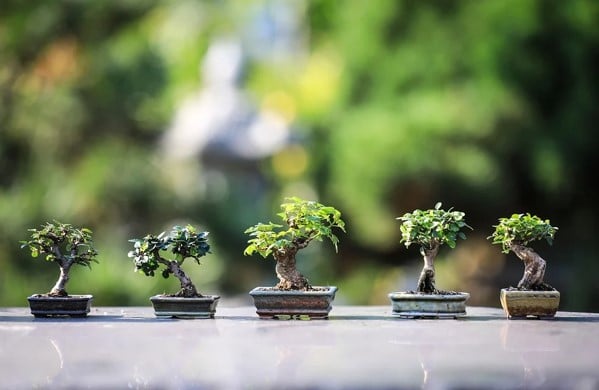
- 2–3 inch mame pots: 30–80 ml per watering.
- 4–6 inch pots: 80–300 ml per watering.
- 8–10 inch pots: 300–800 ml per watering.
These numbers are starting points. The rule “water until runoff” replaces guesswork. When you water a bonsai tree, aim to wet the entire soil mass. Repeat watering until you see clear drainage.
Methods to judge how much to water a bonsai tree
Use simple, repeatable checks:
- Finger test: poke 1–2 inches into the soil. If it feels dry, water.
- Weight test: lift the pot after watering and again when dry to learn the difference.
- Moisture meter: insert probe near roots for a quick read. Learn your meter’s wet/dry range first.
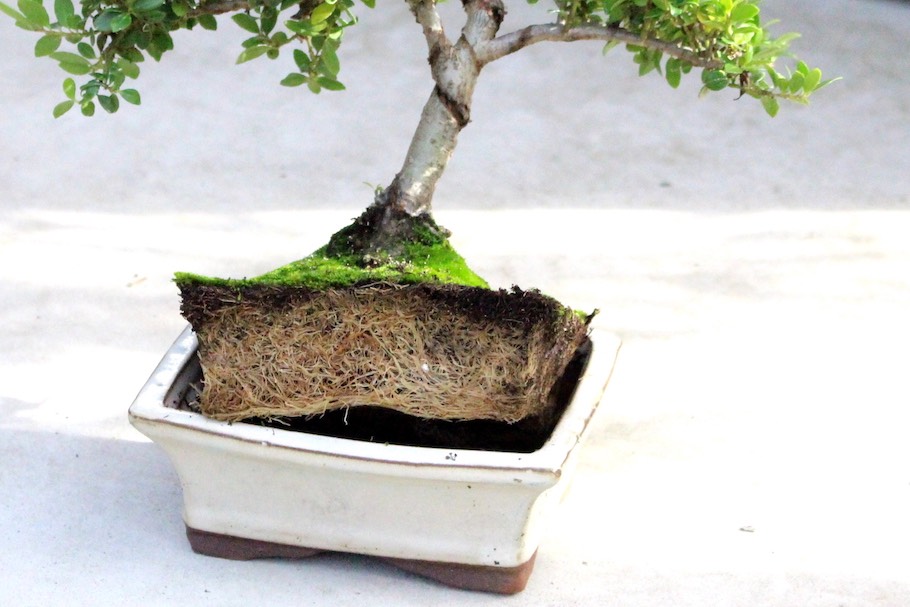
- Visual check: dry, cracked soil and lifting root tips mean it needs more water.
- Runoff rule: the best single-action test — water until water runs out of holes.
Each method has limits. The finger test can be misleading in coarse soil. Moisture meters vary by brand. Combine checks for confidence.

Factors that change how much to water a bonsai tree
Bonsai watering needs change with:
- Species: tropical trees stay moist longer than pines or junipers.
- Soil mix: akadama, pumice, and organic mixes hold different amounts of water.
- Pot size and shape: shallow, wide pots dry faster than deep pots.
- Climate and season: heat and wind increase evaporation; dormancy lowers needs.
- Light level and indoor heating: stronger light and indoor heat mean faster drying.
- Root health and tree age: compact root systems dry quicker than healthy, dense roots.
Adjust by observing. For example, a maple in full sun will need more frequent watering than a ficus in partial shade.
Practical watering schedule and step-by-step guide
Follow this simple routine to water consistently and correctly:
- Check the soil each morning by weight or finger test.
- If the top 1 inch (2–2.5 cm) is dry, water. For shallow-rooted species, check more often.
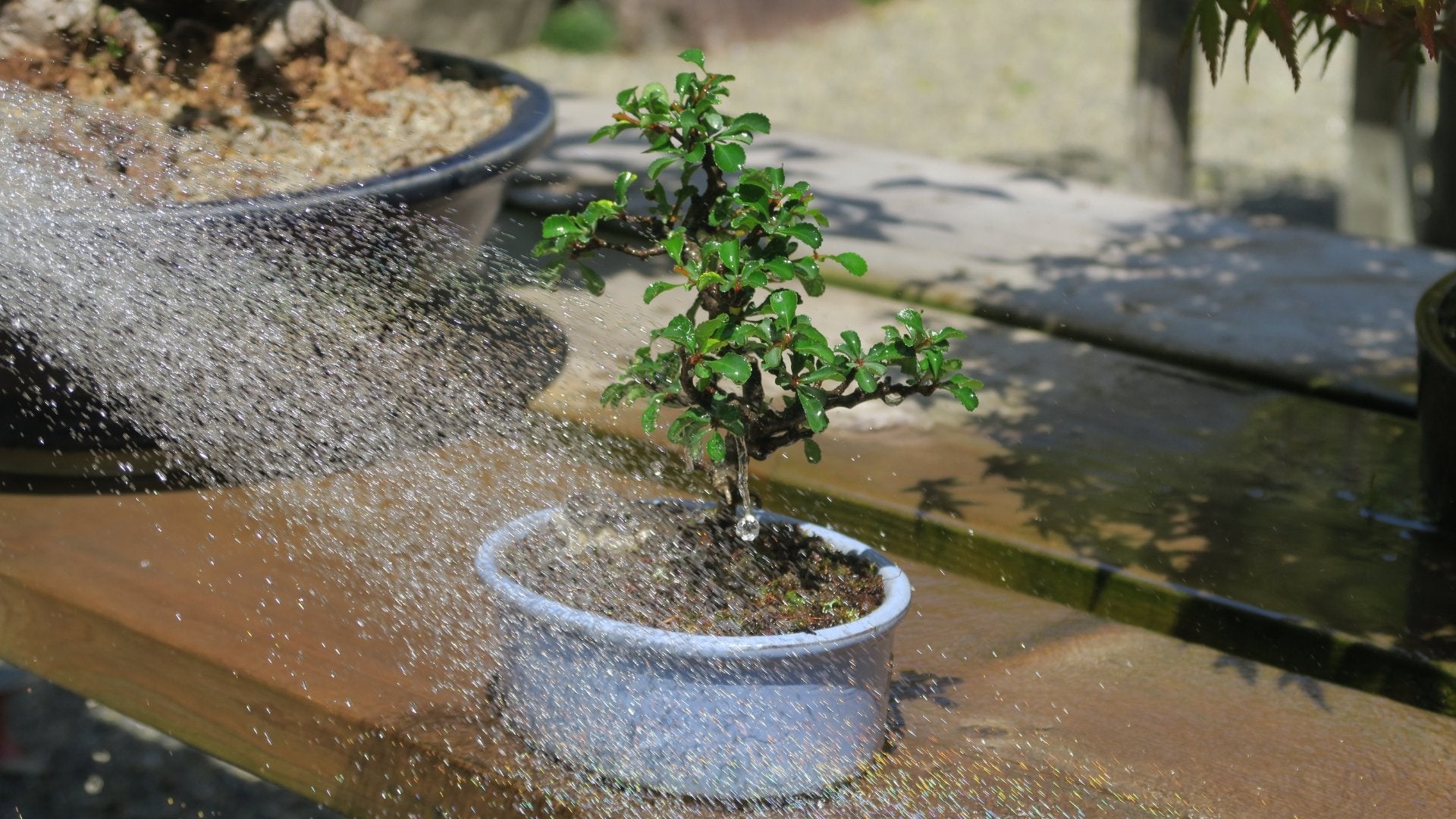
- Water slowly until water runs from the drainage holes. Let the second flush wet the soil evenly.
- Allow excess water to drain completely before returning the pot to its display.
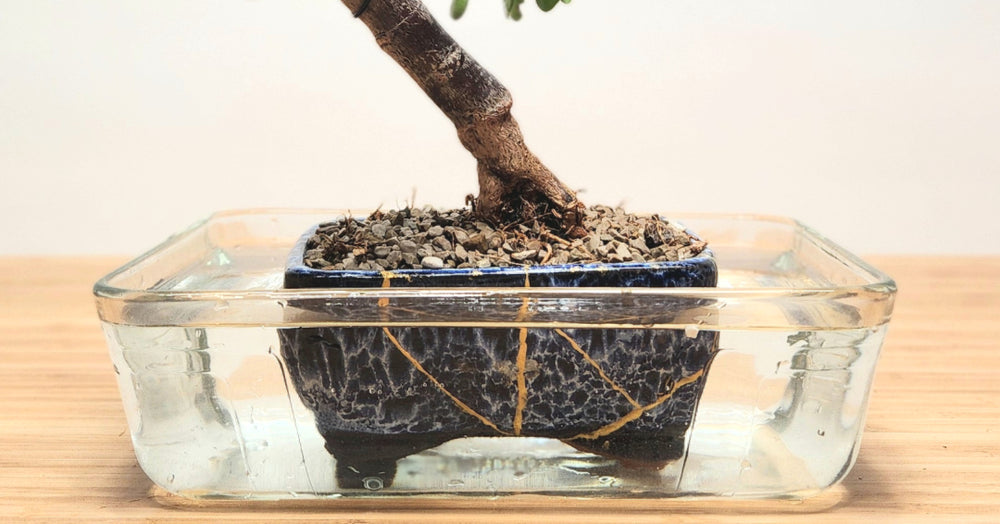
- Do a bottom-soak once every 1–2 weeks for deeply compacted soil: place pot in a tray of water until bubbles stop rising.
- Adjust frequency for season: daily or every other day in hot months; every 4–14 days in cool months depending on species.
Example schedules:
- Summer outdoor bonsai: check daily; likely water every day or every other day.
- Spring/fall: check every 2–3 days.
- Winter (dormant deciduous outdoors): check weekly; water only when upper soil dries.
Watering techniques and useful tools
Techniques:
- Soak and drain: slow pours until runoff for even saturation.
- Pulse watering: several short pours to allow water to penetrate a compacted surface.
- Bottom soak: good for root rinse and rewetting mixes that repel water.
- Misting: use only as a humidity boost; it doesn’t replace deep watering.
Tools that help:
- Narrow-spout watering can for targeted flow.
- Moisture meter for objective reads.
- Lightweight tray or saucer for bottom soaks.
- Sprayer or mister for humidity.
Use a mix of tools and feel. A good watering can and the weight test are often all you need.
Common mistakes and how to troubleshoot watering problems
Mistake: Watering on a fixed schedule without checking soil.
Fix: Check moisture before every watering.
Mistake: Shallow surface watering.
Fix: Water until runoff and use pulse watering if the surface repels.
Mistake: Ignoring drainage problems.
Fix: Re-pot with well-draining soil and clean or enlarge drainage holes.
Signs and fixes:
- Yellow leaves, soft stems, fungus smells: likely overwatering. Reduce frequency and improve drainage; repot if root rot is present.
- Brown, crispy leaf tips and dry soil pulling away from pot: underwatering. Increase watering frequency and check soil mix for compaction.
- Soil that stays wet for a long time: heavy soil mix or poor drainage. Re-pot with more inorganic grit.
Be honest with diagnosis. Many bonsai issues trace back to watering.

Personal experience: what I learned and practical tips
Early in my bonsai journey I killed a prized elm by watering on fixed days. I learned to observe, not follow a calendar. Now I:
- Always lift the pot before and after watering to learn weight changes.
- Use a fine-spout can for small trees and a shower-head for larger ones.
- Re-pot every 2–4 years for younger trees to refresh soil and keep water flow steady.
A practical tip that saved several trees: when unsure, water slightly less and check in 12–24 hours. Most trees recover from a brief dry spell faster than from persistent overwatering.

Frequently Asked Questions of how much to water a bonsai tree
How often should I water my bonsai tree?
Water frequency depends on species, pot size, soil, and climate. Check soil daily in hot months and water when the top inch is dry.
Is it better to water a bonsai from the top or bottom?
Top watering until runoff is the primary method. Bottom soaking is useful occasionally to rehydrate compacted soil but should not replace regular top watering.
How do I tell if I am overwatering my bonsai?
Signs include yellowing leaves, soft stems, mold, and a bad smell from the soil. Check roots for rot during repotting to confirm.
Can I use tap water to water my bonsai tree?
Tap water is usually fine, but high-sodium or hard water can harm some species. Let water sit overnight to reduce chlorine or use filtered water if needed.
Should I water my bonsai every day?
Not necessarily. Some bonsai need daily watering in heat, but many do fine every 2–3 days. Always check soil moisture rather than following a strict schedule.
Conclusion
Watering determines a bonsai’s fate more than most other single tasks. Learn to read your tree and pot, use the runoff rule, and adjust for species, soil, and season. Start with the simple habits here: check soil, lift the pot, water until runoff, and tweak as conditions change. Try these steps this week, observe how your bonsai responds, and refine your routine. If you found these tips helpful, subscribe for more bonsai care guides or leave a comment about your watering challenges.

Laura Bennett is a gardening writer at MyGardenLabs who creates beginner-friendly guides focused on solving common plant care and gardening problems.