How Long Do Bonsai Plants Live: Lifespan Tips & Care
Bonsai plants can live for decades—or even centuries—with steady care and the right conditions.
I’ve tended bonsai for years and helped rescue many troubled trees. This article explains how long do bonsai plants live, why some last a season while others outlive their owners, and exactly what you can do to help your bonsai reach its full lifespan. Expect clear facts, real-world tips from experience, and practical steps you can apply today to extend your tree’s life.

Understanding bonsai lifespans
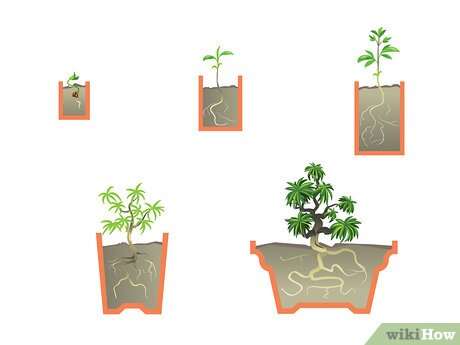
Bonsai is not a special species; it’s a practice of growing trees in small containers to shape and age them. When people ask how long do bonsai plants live, they want to know both the natural lifespan of the species and how container culture affects longevity.
Bonsai life depends on the tree species, care quality, and how well you manage root health and water. With steady pruning, proper soil, and occasional repotting, a bonsai can live much longer than a potted houseplant.
Factors that determine how long do bonsai plants live
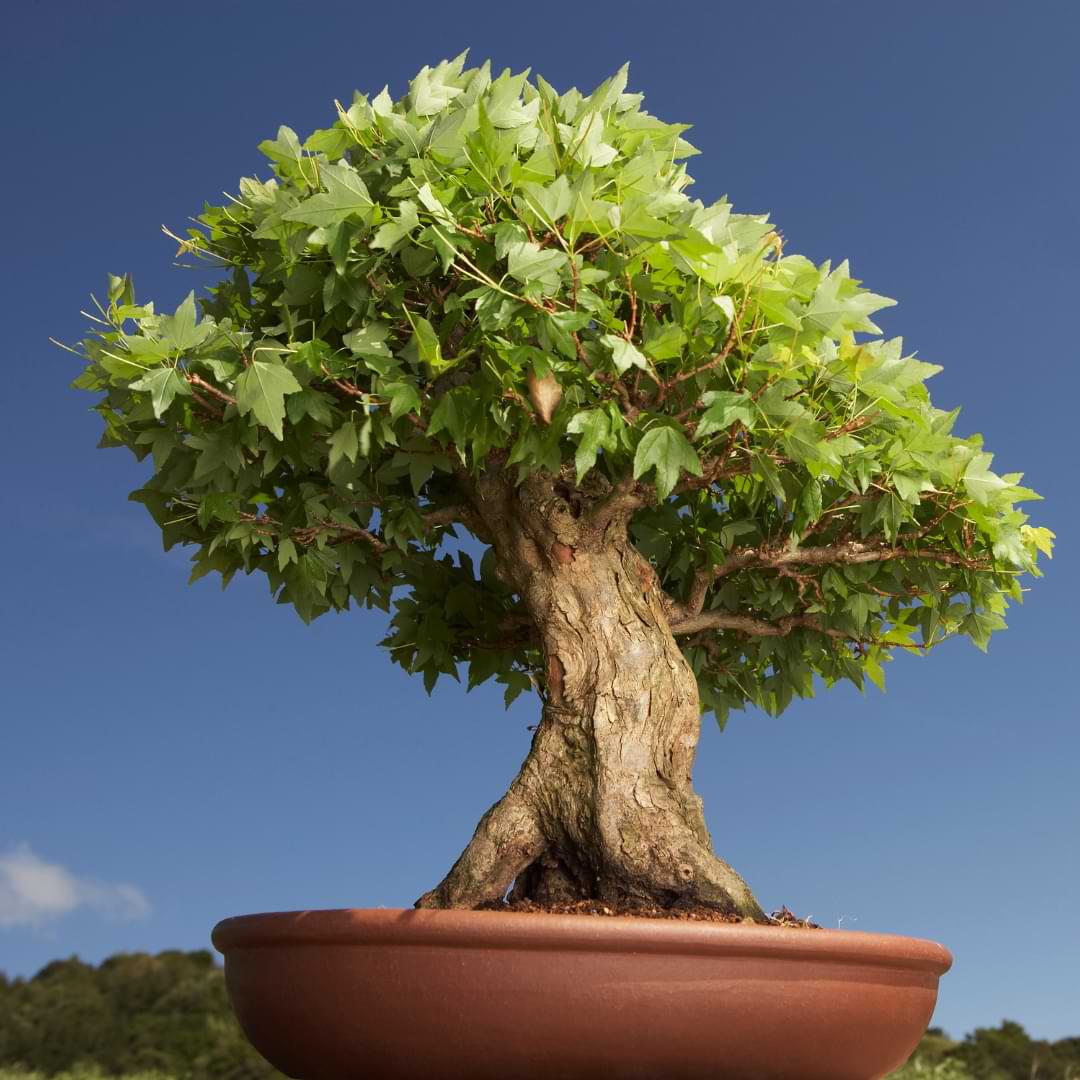
Many things shape a bonsai’s lifespan. Below are the major factors to watch.
- Species and genetic age
- Some species are naturally long-lived. Slow-growing trees often live longer.
- Root care and container size
- Roots drive life. Crowded or rotting roots shorten lifespan quickly.
- Water and drainage
- Overwatering causes root rot; underwatering causes stress and decline.
- Soil quality and nutrients
- Well-draining, nutrient-balanced soil supports steady growth.
- Pruning and wiring technique
- Good pruning reduces stress. Bad cuts invite pests and disease.
- Pest and disease control
- Early detection prevents losses and extends life.
- Climate and location
- Keeping a temperate species indoors year-round can harm it; match species to climate.
- Expertise and maintenance frequency
- Regular, informed care increases lifespan more than sporadic attention.
Lifespan by species: typical ranges
Different trees give different answers to how long do bonsai plants live. These ranges assume good care.
- Juniper
- Often lives 50 to 100+ years in bonsai culture with regular pruning and sun.
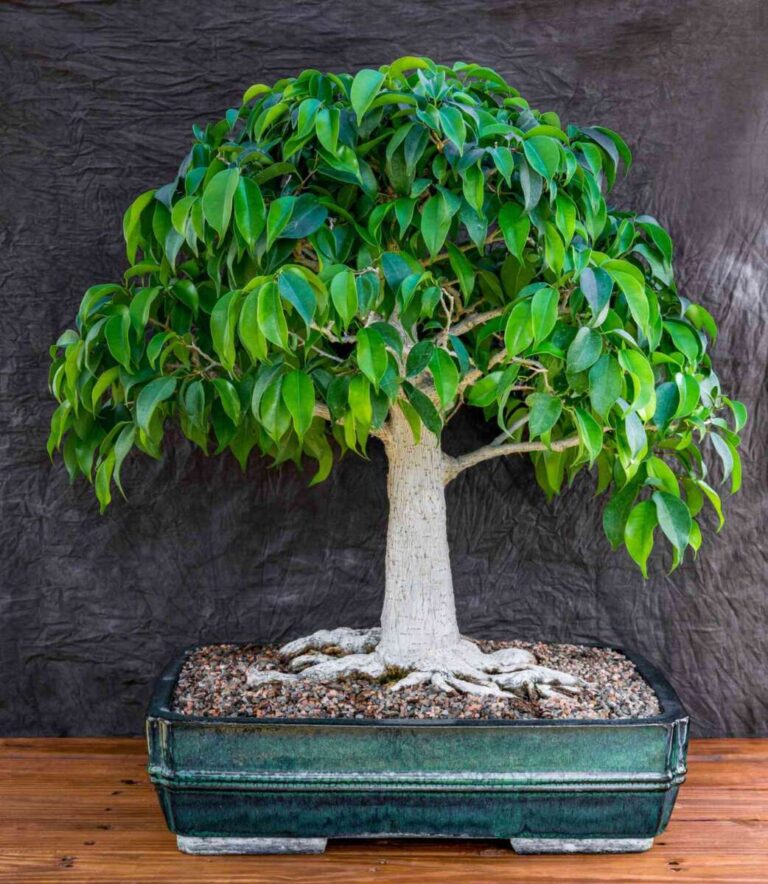
- Ficus (indoor)
- Common indoor bonsai that can live 30 to 50 years or longer if stressed less.
- Japanese Maple
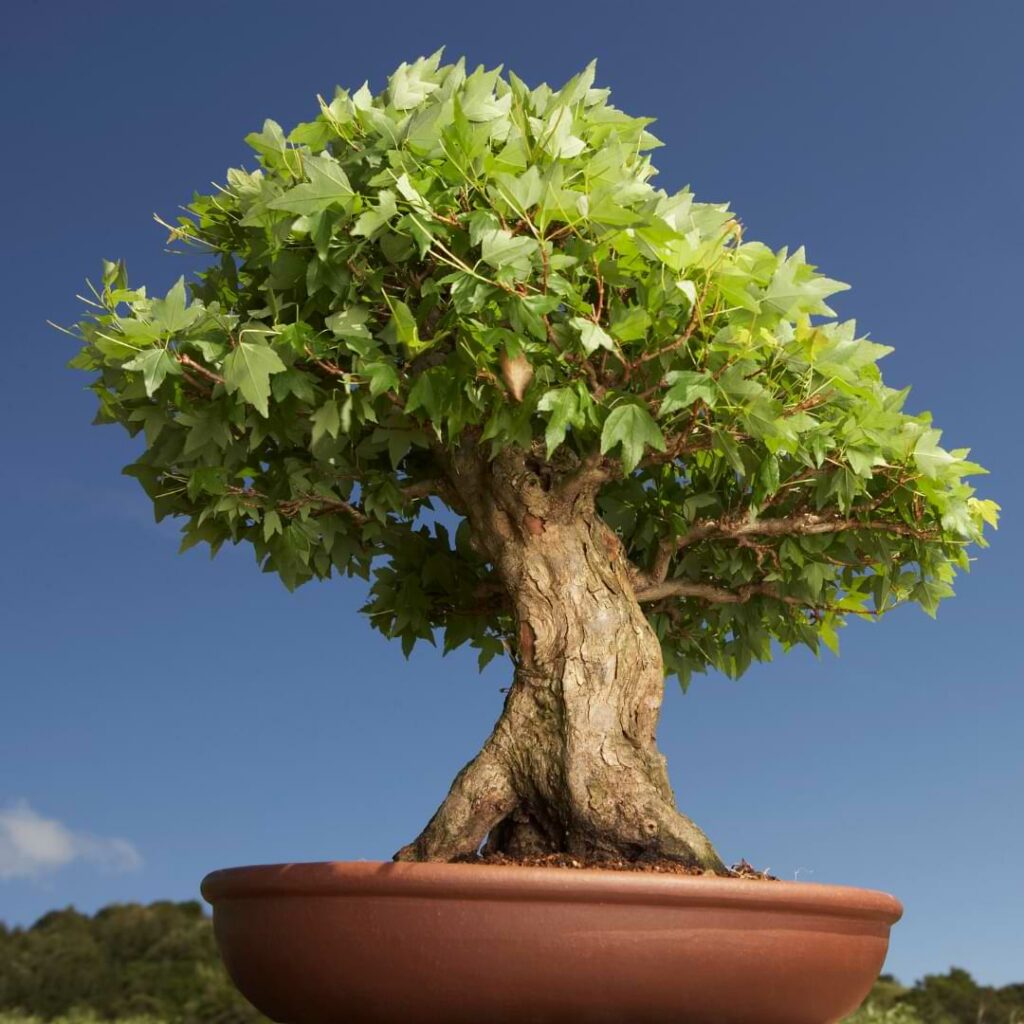
- 60 to 100 years in bonsai form when protected from extreme heat and cold.
- Pine (various)
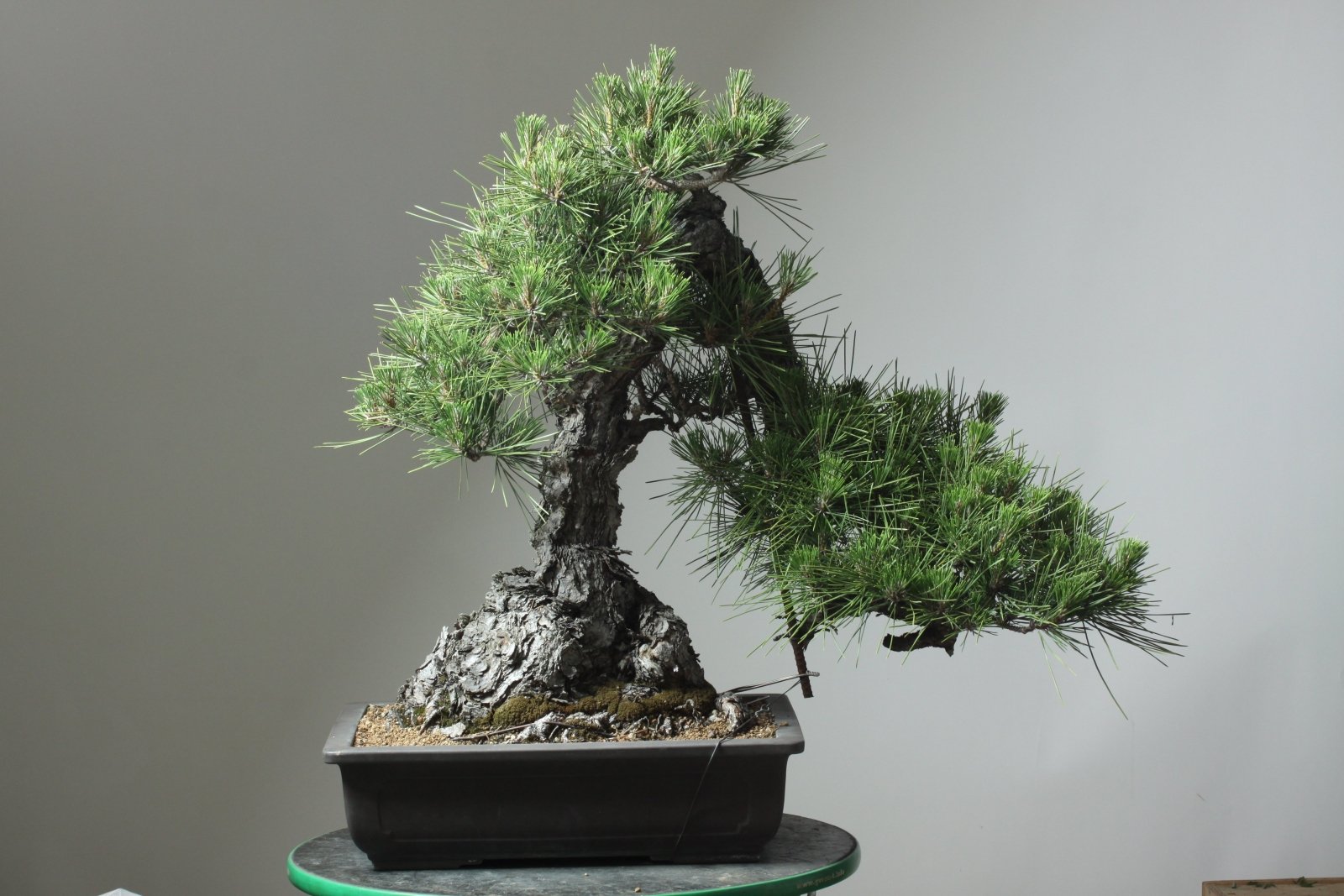
- Pines can live 100 years or more as bonsai with careful needle and root work.
- Chinese Elm
- Very resilient; 50 to 100 years is typical with proper watering and feeding.
- Azalea
- 30 to 70 years when given acidic soil and careful pruning.
- Olive
- Mediterranean olive bonsai can live well over 100 years in ideal conditions.
- Boxwood and other shrubs
- Often 30 to 80 years depending on species and care.

Practical care tips to extend lifespan
If you want to know how long do bonsai plants live, your actions matter most. Follow these steps to help your bonsai thrive.
- Water correctly
- Water when the topsoil feels slightly dry. Avoid fixed schedules; check daily.
- Ensure drainage holes are clear and water flows through the pot.
- Use the right soil
- A mix that balances moisture retention and drainage helps roots breathe.
- Repot with fresh soil every 2–7 years depending on species and root development.
- Feed with balanced fertilizer
- Use a slow-release or regular low-dose fertilizer in the growing season.
- Reduce or stop feeding during dormancy for temperate species.
- Prune and shape wisely
- Prune to maintain structure but avoid heavy cuts late in the season.
- Clean tools to prevent infection.
- Protect from pests and disease
- Inspect leaves and soil regularly.
- Treat infestations early with targeted methods.
- Match species to environment
- Keep tropical bonsai indoors with bright light and stable temps.
- Give outdoor bonsai seasonal cold exposure if they require dormancy.
- Learn proper wiring and root pruning
- Wire carefully and remove wiring before it cuts in.
- Root prune during repotting to refresh soil and balance root-to-crown ratio.
Quick questions (PAA-style)
Q: Can repotting too often shorten life?
A: Yes. Over-repotting stresses roots and slows growth. Repot only when roots need space or soil has degraded.
Q: Does wiring harm a bonsai?
A: Wiring is safe when done correctly. Leave wire on only until the branch holds its new position.
Q: Will a bonsai planted in the ground live longer?
A: Often yes. Planting in the ground relieves root restriction and can extend life, but you lose the bonsai container look.
Common mistakes that shorten bonsai life
Avoid these habits if you want to extend how long do bonsai plants live.
- Overwatering and poor drainage
- Kills roots fast.
- Ignoring seasonal needs
- Not providing dormancy can exhaust temperate species.
- Using wrong soil or pot size
- Leads to root crowding or water retention.
- Excessive pruning at the wrong time
- Weakens the tree and invites pests.
- Skipping repotting entirely
- Old soil compacts and limits oxygen to roots.
Personal experience and lessons learned
I started with a small juniper that seemed nearly dead. I learned three key lessons that helped it live another 20+ years.
- Inspect roots before repotting. I once lost a tree after a rushed repot. Now I gently tease roots and remove dead tissue.
- Keep a care log. Tracking watering, feeding, and repotting dates prevented mistakes and improved health.
- Ask for help early. When pests appeared, prompt treatment saved the tree. Waiting often means the damage is irreversible.
My hands-on work taught me that how long do bonsai plants live depends as much on steady small actions as on big interventions.

Frequently Asked Questions of how long do bonsai plants live
How long do bonsai plants live compared to regular potted plants?
Bonsai can live much longer than standard houseplants because they receive detailed, long-term care. Many bonsai outlive ordinary potted plants by decades when tended properly.
Can bonsai die from being kept indoors?
Yes. Keeping a species that needs outdoor seasons indoors can shorten life due to lack of dormancy, light, or airflow. Choose an indoor-friendly species to avoid this.
Does the age of the original tree matter for bonsai lifespan?
Yes. Older stock often gives a head start, but proper care after styling determines longevity more than initial age. Young trees can reach old age with steady care.
Is it better to keep bonsai in the ground to extend life?
Planting in the ground can extend life by freeing roots, but it removes the aesthetic of a container bonsai. Grounding suits trees meant for preservation rather than display.
How often should I repot to keep my bonsai healthy?
Repot every 2–7 years depending on species, growth rate, and pot size. Regular repotting refreshes soil and keeps roots balanced, which helps longevity.
Conclusion
Bonsai trees can live from a few decades to many centuries. How long do bonsai plants live depends on species, root care, watering, soil, and your daily attention. Small, consistent steps—right watering, periodic repotting, pest checks, and season-aware care—will add years to your bonsai’s life.
Take one action this week: inspect the soil and roots or set a simple care schedule. Your bonsai will thank you with years of growth and beauty. If you found this helpful, share your bonsai story below or subscribe for more care guides.

Laura Bennett is a gardening writer at MyGardenLabs who creates beginner-friendly guides focused on solving common plant care and gardening problems.