How Much Does A Bonsai Tree Cost: Price Guide
Most bonsai cost between $20 and $2,000, depending on species, age, and styling.
If you’ve ever wondered how much does a bonsai tree cost, you’re in the right place. I’ve worked with bonsai growers, bought nursery stock, shaped trees over years, and sold finished specimens. In this guide I break down real prices, the hidden costs, and practical tips to buy wisely. Expect clear price ranges, what drives cost, and simple ways to enjoy bonsai without overspending.
What affects the price of a bonsai tree?
Several clear factors shape how much does a bonsai tree cost. Understanding them helps you spot value and avoid overspending.
-
Species and availability
- Common plants like ficus, juniper, and crape myrtle cost less.
- Rare or slow-growing species raise prices quickly.
-
Age and trunk size
- Older trees with thick trunks took decades to shape. They cost more.
- Young starters are cheap but need years of training.
-
Styling and workmanship
- Professionally styled trees have labor costs built in. Wiring, pruning, and carving add value.
- Natural-looking, trained branching and good nebari (surface roots) are premium features.
-
Pot and presentation
- A quality ceramic pot raises the total price. Show pots and custom pots add significant cost.
- Pot and stand styling affect perceived value.
-
Provenance and health
- Trees from reputable bonsai nurseries or famous growers command higher prices.
- A healthy, pest-free specimen is worth more than a sickly tree.
-
Market and region
- Urban and specialty shops often charge more than local garden centers.
- Shipping rare specimens also increases cost.
These factors explain why the answer to how much does a bonsai tree cost can vary widely. Knowing them makes it easier to compare offers and find the right tree for your budget.
Typical price ranges and examples
Here are realistic price brackets you’ll see when asking how much does a bonsai tree cost. I list sample species and what to expect.
-
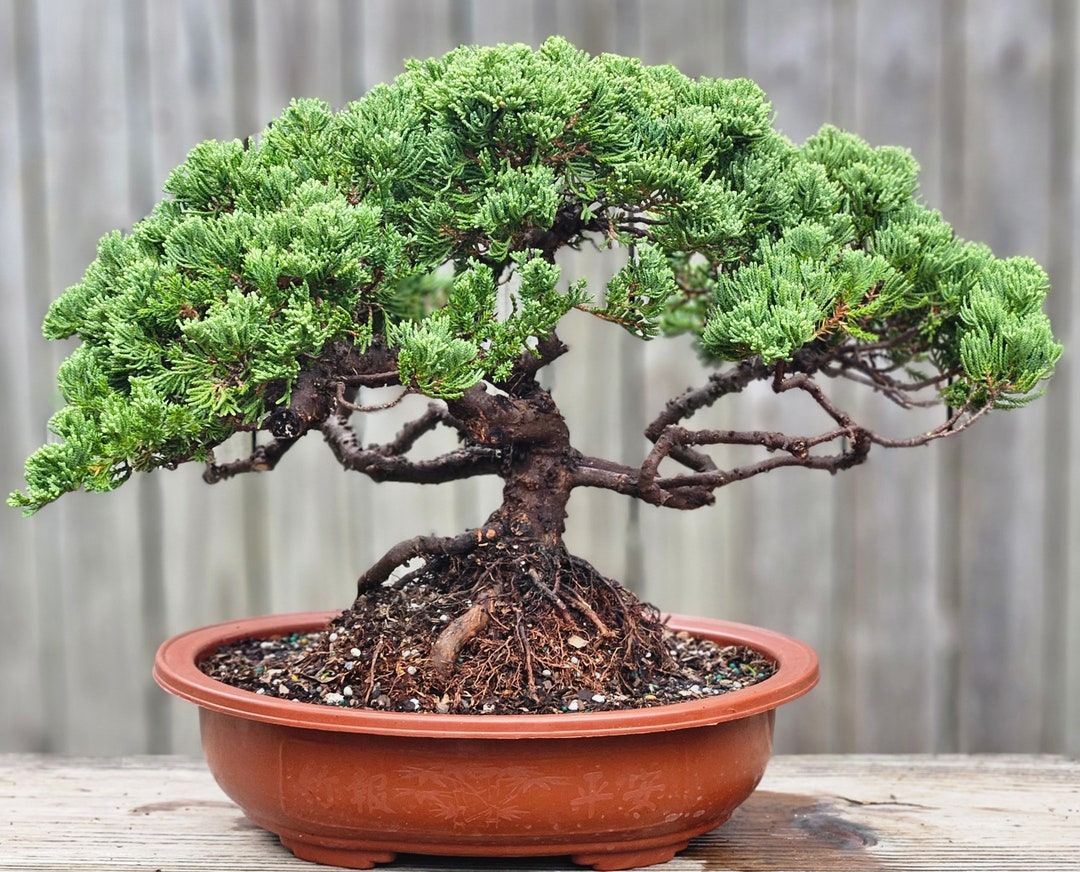
Budget starter trees: $10–$50
- Small nursery junipers, ficus cuttings, supermarket bonsai.
- Good for beginners who want to learn basics without risk.
-
Hobby-level trees: $50–$300
- More refined nursery stock, young pre-bonsai, and potted maples or elms.
- Better nebari and some initial styling. Good value for training.
-
Advanced hobbyist trees: $300–$1,500
- Nicely trained junipers, semi-mature maples, and azaleas.
- Often in investment-grade pots and ready for display.
-
Collectible and show-quality: $1,500–$15,000+
- Old, well-trained specimens with large trunks or rare species.
- Auction pieces and trees from master growers land here.
Real examples from my experience:
- A 2-year ficus pre-bonsai bought at $35 took two seasons to shape.
- A 30-year juniper with carved features sold at $3,200 at a specialty shop.
These ranges answer how much does a bonsai tree cost for different goals — from casual hobby to collector purchases.
Where to buy and how location changes cost
Where you buy affects how much does a bonsai tree cost. Each option has pros and cons.
-
Local nurseries and garden centers
- Pros: Inspect tree in person, lower shipping cost, immediate pickup.
- Cons: Limited selection and mixed quality.
-
Bonsai specialty shops
- Pros: Expert staff, quality selection, styling help.
- Cons: Higher prices for expertise and display.
-
Online retailers and marketplaces
- Pros: Wide selection and competitive pricing.
- Cons: Shipping risk, difficulty judging health by photos.
-
Bonsai clubs, swaps, and shows
- Pros: Great deals, community advice, grafted or trade options.
- Cons: Timing and limited availability.
-
Auctions and estate sales
- Pros: Chance to find rare or undervalued trees.
- Cons: Competitive bidding and buyer’s risk.
When considering how much does a bonsai tree cost, factor in travel, shipping, and handling costs. Buying locally often saves money and reduces stress.
Hidden costs and ongoing expenses
The initial price is just part of the answer to how much does a bonsai tree cost. Ongoing care adds to lifetime cost.
-
Tools and supplies (one-time and replacement)
- Basic tool kit: $40–$150.
- Wire, shears, and concave cutters add up over time.
-
Pots, soil, and drainage
- Good bonsai soil mixes: $15–$40 per bag.
- Ceramic display pots: $30–$500 depending on quality.
-
Fertilizers, pesticides, and materials
- Yearly supplies: $20–$100.
-
Repotting and maintenance labor
- Professional repotting can cost $50–$200 per session.
- Repotting frequency varies by species and pot size.
-
Time investment
- Training and care require hours each season. Time is a non-monetary cost but real.
-
Environmental costs
- Extra shade cloth, grow lights, or heaters if you keep trees indoors or in marginal climates.
On average, budget $50–$300 per year to keep a bonsai healthy. That range depends on tree age, species, and whether you do work yourself.

How age, species, and styling influence cost
These three levers often dictate how much does a bonsai tree cost. Here’s how they interact.
-
Age and training time
- Age converts to labor cost. A 25-year training history can justify a much higher price.
- Trunk thickness and taper come from years. That is rare and costly.
-
Species value
- Maples and pines are prized for autumn color and needle structure. They often cost more.
- Tropical species like ficus are easier and cheaper for beginners.
-
Styling complexity
- Carving, jin (deadwood features), and root work take expertise.
- Highly styled trees show effort and command premium prices.
Think of bonsai like handcrafted furniture. A mass-produced stool is cheap. A hand-carved, aged table costs much more. That analogy explains how much does a bonsai tree cost when comparing simple nursery stock to an artisan specimen.

How to save money and still get a great bonsai
If price matters, there are proven ways to lower how much does a bonsai tree cost while still enjoying the hobby.
-
Start from cuttings or seeds
- Takes time, but cost is small. Great for learning.
-
Buy pre-bonsai instead of finished bonsai
- Pre-bonsai are priced lower and allow you to shape the tree.
-
Join a club or take workshops
- Clubs often sell trees to members at lower prices and offer training help.
-
Repot and style yourself