What Does Bonsai Mean In Japanese: Meaning & Origins
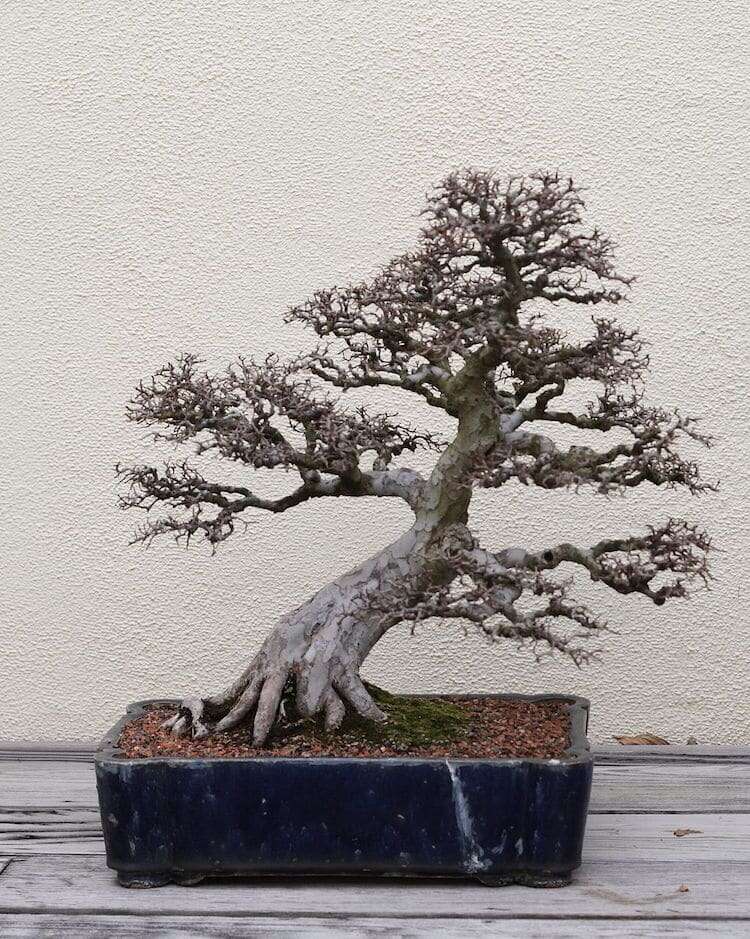
Bonsai means a deliberately miniature, potted tree shaped by human care; Japanese kanji: 盆栽.
I’ve studied and worked with bonsai for years, and I’ll explain exactly what does bonsai mean in japanese, how the word is built, and why it matters culturally and practically. Expect clear definitions, simple etymology, real-life tips from my experience, and answers to common questions so you walk away confident about the term and the practice.

What "bonsai" means in Japanese: a clear definition
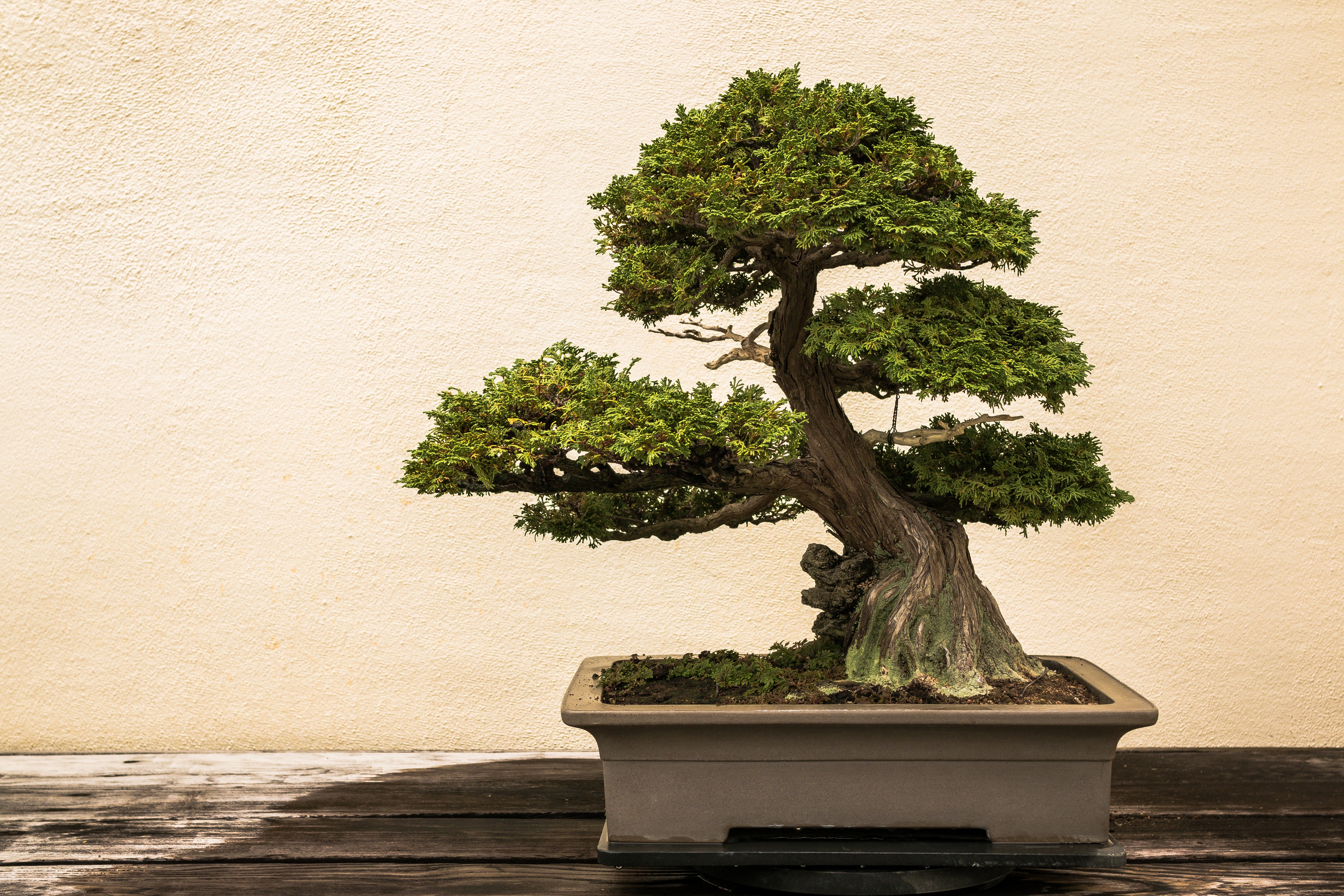
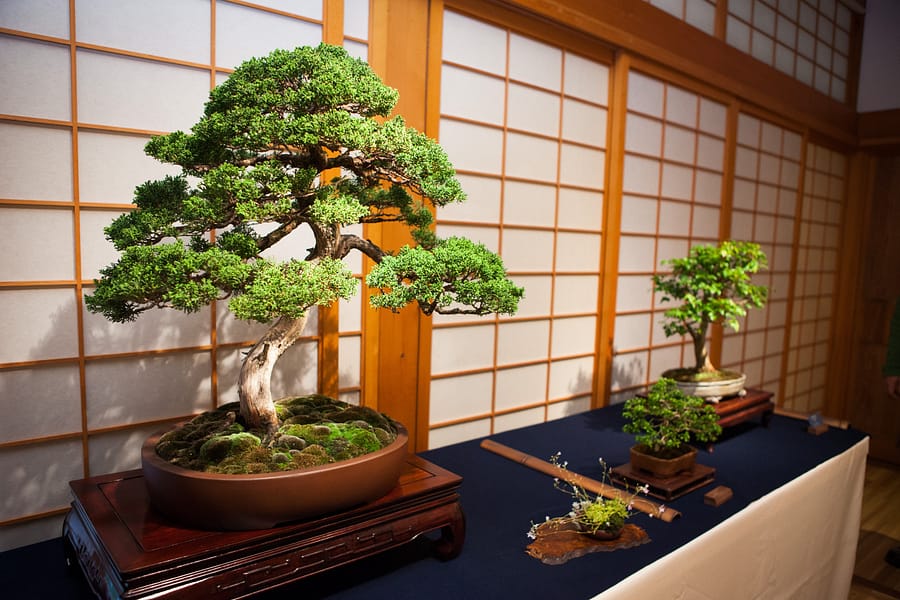
The phrase what does bonsai mean in japanese asks for both word meaning and cultural sense. Bonsai (盆栽) is two kanji: 盆 (bon) meaning tray or basin, and 栽 (sai) meaning plant or to plant. Put together, bonsai literally means "tray planting" or "planted in a tray." The term describes the art of growing and shaping small trees in containers. When you ask what does bonsai mean in japanese, you get a literal phrase and a broader artistic idea. Bonsai is not simply a small tree. It is a tree shaped and cared for to reflect a mature, natural form in miniature.
Etymology and language notes
Breaking down the word helps you see why the meaning fits.
- 盆 (bon) — tray, basin, or shallow container.
- 栽 (sai) — to plant, cultivation, planting technique.
The combined kanji 盆栽 first appear in Japanese texts centuries ago as the practice was refined. When people ask what does bonsai mean in japanese today, the answer covers both the container and the cultivation method. Pronunciation is simple: bonsai (bon-sigh). The stress is even and short.

Cultural and historical context
Bonsai developed from older East Asian traditions of tray-grown plants. It moved from China to Japan where it took on specific aesthetic and spiritual roles. The practice became linked to ideas of balance, aging, and miniature landscapes. If your question is what does bonsai mean in japanese beyond translation, it also means a discipline. It implies patience, form, and a long-term relationship between gardener and tree.
Bonsai as art, craft, and philosophy
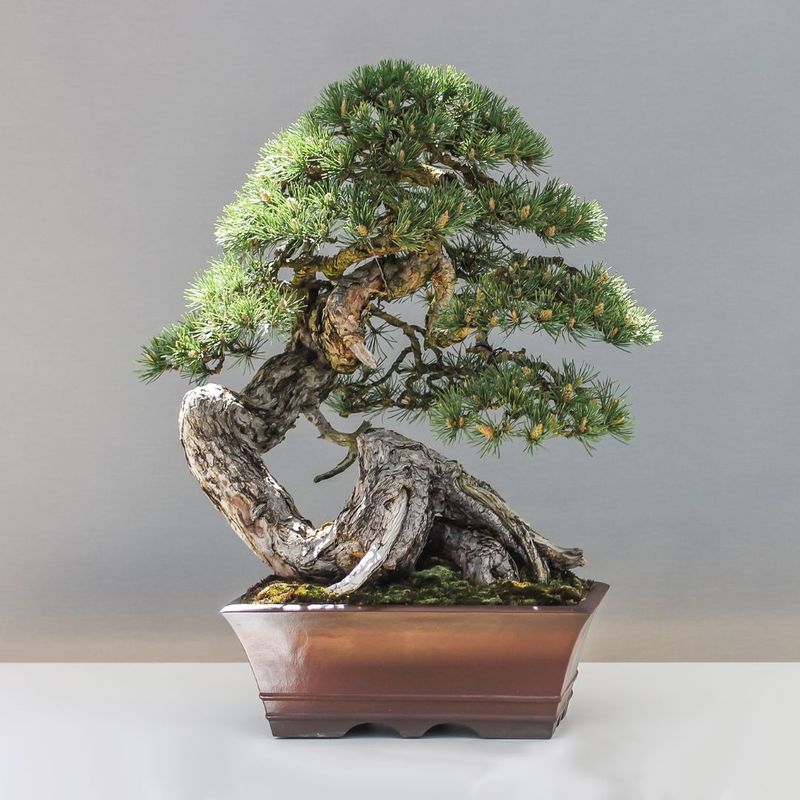
Bonsai blends horticulture and design. It is:
- An art form — composition, style, and visual balance matter.
- A craft — pruning, wiring, and repotting are technical skills.
- A philosophy — it values imperfection, time, and nature’s cycles.
As you read more about what does bonsai mean in japanese, remember it also signals a way of seeing nature. A bonsai suggests the essence of a full-grown tree and the story of a landscape in a small pot.
Differences and related terms: penjing, saikei, and more
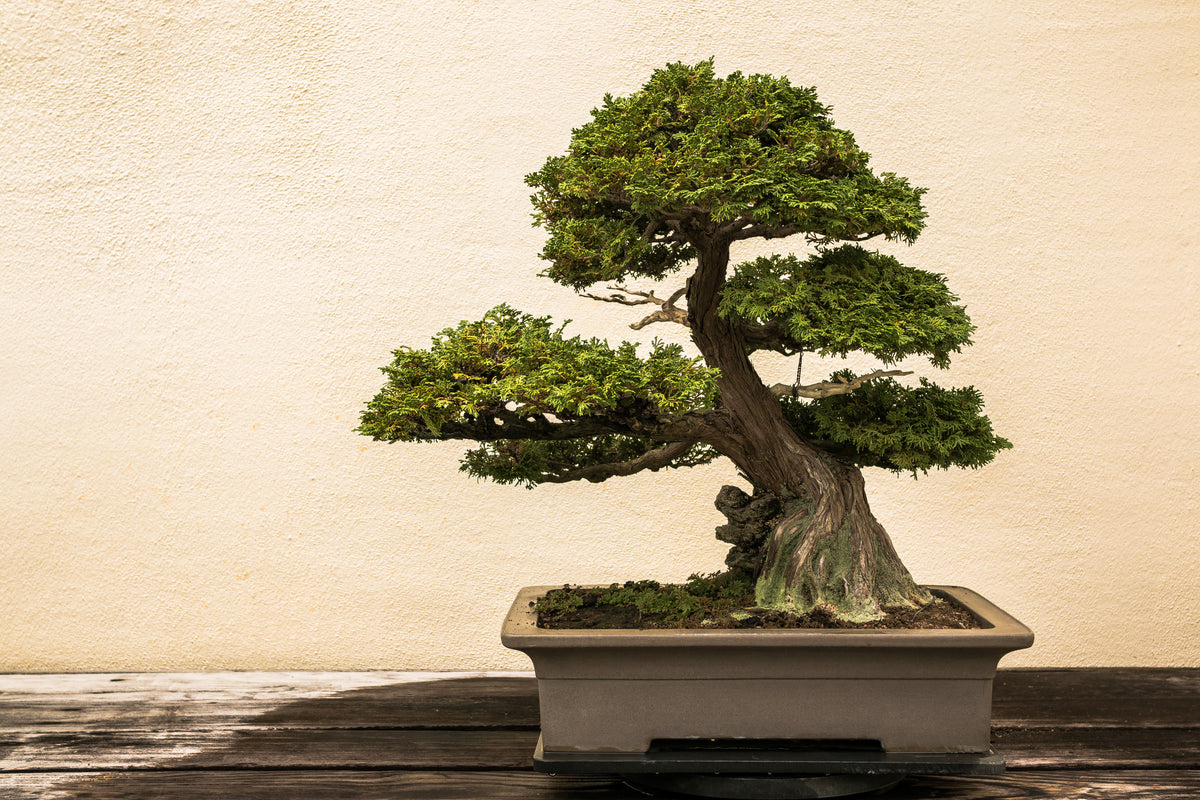
People often confuse bonsai with other miniature plant arts. Here’s a quick guide.
- Penjing — Chinese tradition that often includes rocks and miniature scenes.
- Saikei — Japanese art that combines small trees with landscape elements.
- Kusamono and shitakusa — accent plantings used alongside bonsai.
When comparing terms, asking what does bonsai mean in japanese helps place bonsai among these sibling arts. Bonsai focuses mainly on individual trees and their form.
Practical meaning: care, purpose, and benefits
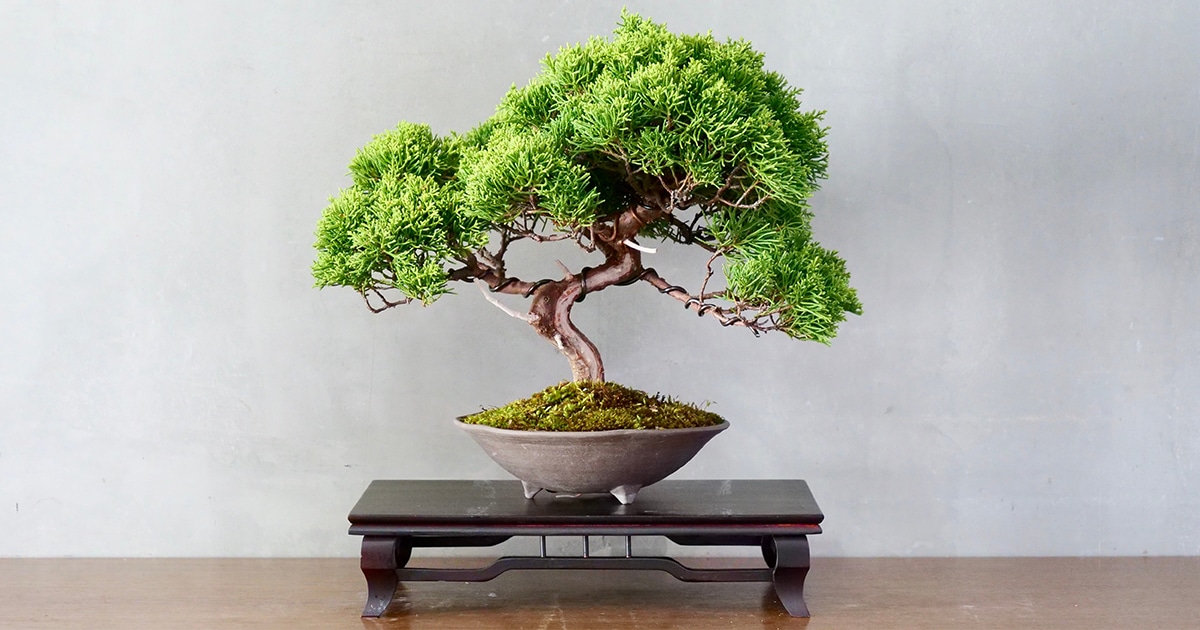
Bonsai is also practical. Its meaning includes how you tend it and why.
- Care routines — pruning, wiring, watering, and repotting.
- Purpose — display, study of tree growth, and meditation.
- Benefits — stress relief, patience building, and a connection to nature.
From my own experience, tending bonsai calms the mind. Learning what does bonsai mean in japanese changed how I prune and plan. The word reminded me to treat the tree as a living artwork.
Common misconceptions and limitations
Clear up these common errors.
- Bonsai is not a species. Any tree species can be bonsai.
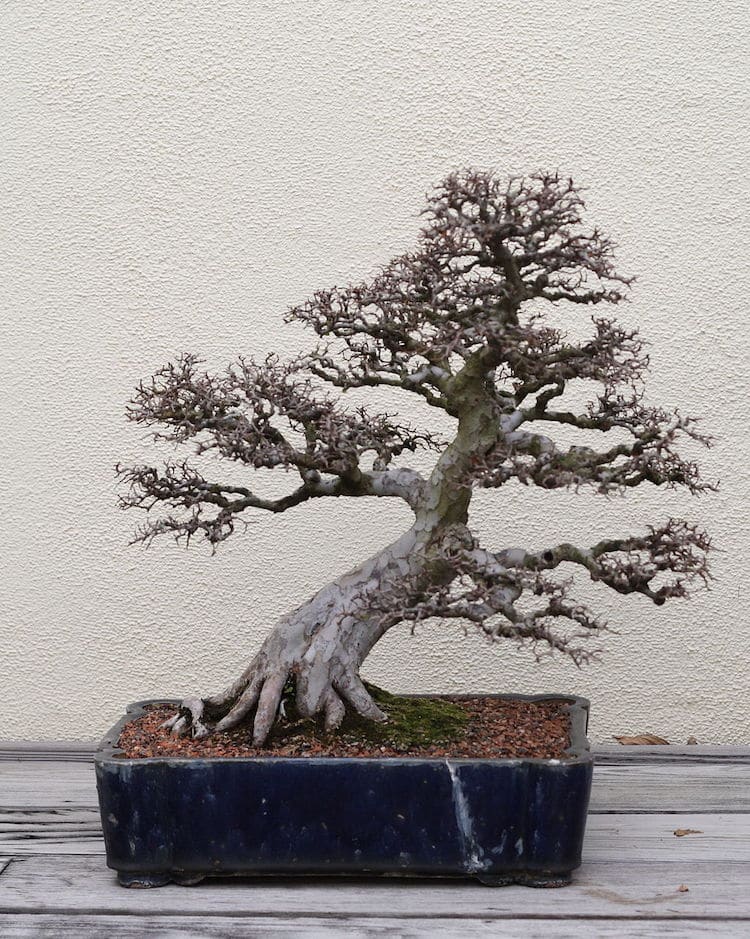
- Small pots do not make a bonsai alone. The shaping and care define it.
- Bonsai is not instantly achieved. It takes years to develop style and proportion.
When people ask what does bonsai mean in japanese and expect a quick craft, I remind them of time and commitment. Be ready for slow progress. That is part of the art.
How to talk about bonsai in Japanese: useful phrases and pronunciation
If you want to use the term naturally, try these short notes.
- Bonsai — pronounced bon-sigh.
- 盆栽です (Bonsai desu) — This is a bonsai.
- 盆栽を育てる (Bonsai o sodateru) — To grow or raise a bonsai.
- 盆栽の手入れ (Bonsai no teire) — Bonsai care.
Knowing these helps when you ask what does bonsai mean in japanese in conversation or when shopping for tools and trees.
Personal experience: lessons learned and tips
I began with a juniper in a thrift-store pot. I learned three hard lessons fast.
- Be patient. Rapid changes harm the tree.
- Learn one technique at a time. Wiring, pruning, and repotting are separate skills.
- Respect species needs. Some trees like more root space or sun.
These lessons shaped how I now answer what does bonsai mean in japanese to new students. I stress practice, study, and respect for seasonal cycles.
Short PAA-style questions you might ask
Q: Can any tree become bonsai?
A: Almost any woody plant can be trained as bonsai, but success depends on species and care.
Q: Is bonsai a Japanese invention?
A: The art evolved across East Asia. The Japanese refined and named the practice as bonsai.
Q: How long before a bonsai looks mature?
A: It can take years; the most visible changes often appear after five to ten years of shaping.
Frequently Asked Questions of what does bonsai mean in japanese
What does bonsai literally mean in Japanese?
Literally, bonsai means "tray planting" or "plant in a shallow container," from the kanji 盆 (bon) and 栽 (sai).
Is bonsai only a Japanese art form?
Bonsai is closely associated with Japan, but related practices exist across East Asia. The Japanese term and style are distinct, however.
Can any plant be a bonsai?
Most woody plants can be trained as bonsai, but the best results come from species that respond well to pruning and root work.
How is bonsai different from a potted houseplant?
A bonsai is intentionally shaped to mimic a full-size tree in miniature. It involves styling, wiring, and long-term training, unlike typical potted plants.
Do you need special tools to care for a bonsai?
Special tools help: bonsai shears, concave cutters, wire, and root rakes. You can start with basic tools, then upgrade as skills grow.
How should I pronounce bonsai in Japanese?
Pronounce it as "bon-sigh" with short, even syllables.
Is bonsai a hobby or a meditative practice?
It can be both. Many people treat bonsai as a hobby, an art, or a form of mindful practice.
Conclusion
Bonsai is more than a tiny tree. It literally means "tray planting" and carries deep cultural, artistic, and practical meaning in Japan. If you want a quick next step, pick one species, learn basic pruning, and practice patience. Try a small project this month and notice how the work changes your attention and time. Share your progress, ask questions, or subscribe to keep learning about bonsai and the rich meaning behind the Japanese word.

Laura Bennett is a gardening writer at MyGardenLabs who creates beginner-friendly guides focused on solving common plant care and gardening problems.