How To Start A Bonsai Plant: Easy Beginner Steps
Start by picking a healthy young tree, good soil, the right pot, and learn basic pruning.
I’ve spent years growing bonsai and teaching beginners how to start a bonsai plant with steady success. This guide lays out clear steps, tool lists, and care tips so you can begin confidently. Read on to learn practical, tested methods that make starting a bonsai plant simple and rewarding.
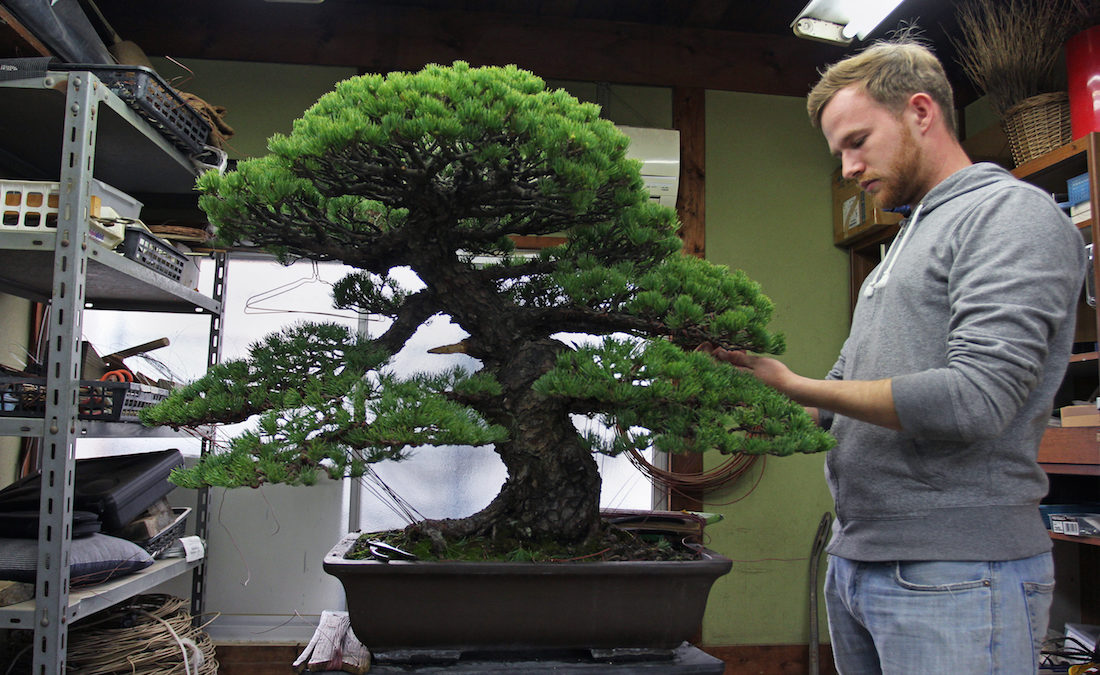
Choosing a Bonsai Tree
Picking the right tree is the first big step in how to start a bonsai plant. Choose a species that fits your climate, indoor or outdoor space, and patience level. For beginners, juniper, ficus, and Chinese elm are forgiving and widely available.
- Consider outdoor vs indoor care. Outdoor species need seasonal changes; indoor species tolerate stable indoor conditions.
- Start from a nursery sapling or pre-bonsai for faster results. Seed-grown trees give more control but take longer.
- Look for healthy roots and a straight trunk. Avoid trees with pests, soft wood, or overly pot-bound roots.

Tools and Supplies You Need
Good tools make how to start a bonsai plant easier and safer for the tree. You do not need expensive gear to begin, but a few basics speed learning and reduce mistakes.
- Bonsai shears for clean cuts. Cheap snips can bruise branches.
- Concave cutters to remove branches cleanly and heal faster.
- Wire (aluminum or copper) in assorted gauges for shaping branches.
- Root rake and chopstick for working soil and untangling roots.
- Quality bonsai pot and well-draining bonsai soil mix.

How to Start a Bonsai Plant: Step-by-Step
This practical, step-by-step section shows the core actions for how to start a bonsai plant. Follow each short step and move slowly. Bonsai is about patience and small, steady changes.
- Select the tree.
- Pick a healthy young tree suited to your environment.
- Prepare tools and pot.
- Clean tools. Pick a pot with drainage and the right size.
- Remove from nursery pot and prune roots.
- Trim 20–30% of roots for potted trees. Keep cuts clean and small.
- Add soil and position the tree.
- Place mesh over drain holes, add coarse soil layer, position tree, then backfill.
- Initial pruning and wiring.
- Remove crossing branches. Wire main branches gently to shape.
- Water well and place in correct light.
- Water until it drains. Keep in appropriate light levels for the species.
- Monitor and adjust.
- Check water, pests, and wiring weekly. Remove wire after 3–6 months or before it cuts in.
Practical tip: work in stages. Don’t try to finish styling in one session. Small changes over months create a healthy bonsai.

Potting Mix, Pots, and Repotting
Soil and pots affect growth more than most beginners expect when learning how to start a bonsai plant. Bonsai soil must drain well but retain moisture and nutrients.
- Use a mix of akadama, pumice, and lava rock, or a workable equivalent with grit and organic content.
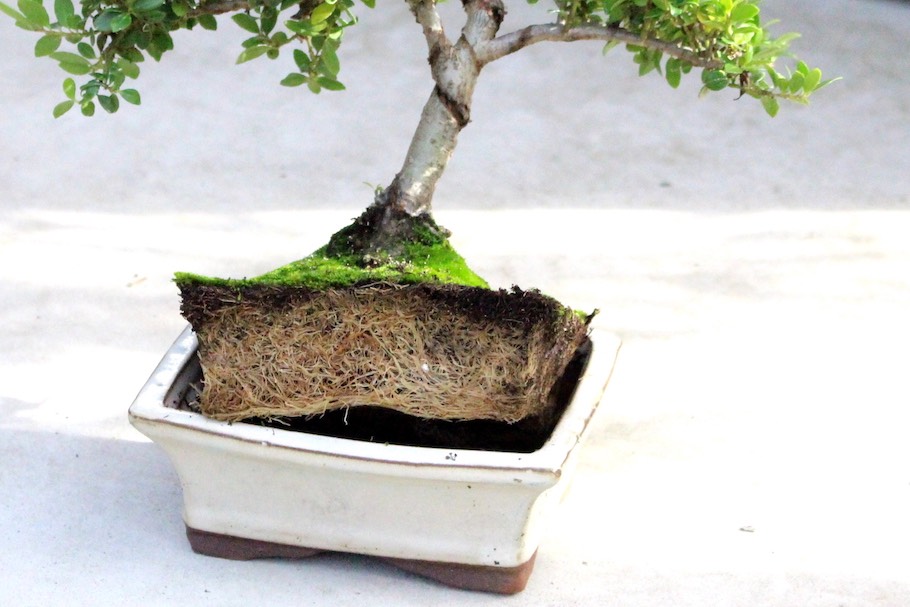
- Choose a pot that fits root ball size; too large keeps soil wet for too long.
- Repot every 1–3 years for young trees, 3–5 years for mature specimens. Spring is a typical time for repotting.
Watch root health: white, firm roots are good; black, mushy roots mean overwatering or root rot. Repotting refreshes soil and lets you prune roots to keep the bonsai small.
Watering, Light, and Feeding
Knowing how to start a bonsai plant includes mastering water, light, and feeding. These three basics drive tree health.
- Water when the top soil feels slightly dry. Check daily in warm weather.
- Provide bright light; outdoor trees need full sun while most indoor species need strong filtered light.
- Feed with a balanced fertilizer during the growing season. Use lower doses for young or recently repotted plants.
Avoid constant wet soil. Bonsai roots need air pockets. I learned early that careful watering beats frequent fertilizing if you must choose one habit to master first.

Styling, Pruning, and Wiring
Styling is where bonsai becomes art. When you learn how to start a bonsai plant, you must balance growth control with aesthetics.
- Structural pruning sets the main branches in year one or two.
- Maintenance pruning refines foliage pads and encourages ramification.
- Use wire to shape branches. Wrap carefully and check wire often to prevent scarring.
Start with simple styles: informal upright or slanting. I often recommend beginners prune for structure first, then refine shape over seasons.
Common Problems and Troubleshooting
Troubleshooting is part of how to start a bonsai plant successfully. Expect some setbacks, and learn simple fixes.
- Yellow leaves often mean overwatering or nutrient imbalance. Adjust watering and check soil.
- Leaf drop in indoor trees can come from low light or drafts. Move the tree to a more stable spot.
- Pests like aphids or scale respond well to gentle washing and targeted treatments. Inspect new plants before bringing them home.
If a tree struggles after repotting, give it shelter and reduce fertilizer for a season. Plants often need time to recover from stress.
:strip_icc()/GettyImages-598322873-409b66c4895d492eb28fde9e752d98ad.jpg)
Personal Experience and Lessons
I started my first bonsai from a nursery ficus that was root-bound and overwatered. I pruned the roots, repotted into fast-draining soil, and learned to water by feel rather than schedule. The tree recovered and taught me three lasting lessons.
- Patience matters. Small, regular care beats drastic changes.
- Observe daily. Books help, but your tree signals what it needs.
- Start simple. Early success comes from modest styling and honest maintenance.
Sharing these steps helps when you decide how to start a bonsai plant yourself. Expect trial and error; that’s how skills grow.
:max_bytes(150000):strip_icc()/ML_Grow_Bonsai-8-2000-54d3d1a7424b4359b44e52383f40b834.jpg)
Frequently Asked Questions of how to start a bonsai plant
How often should I water a new bonsai?
Water when the top soil feels slightly dry and before it fully dries out. Frequency depends on pot size, soil, and weather, so check daily at first.
Can I start a bonsai from seed or should I buy a young tree?
You can start from seed for full control but expect years before it looks like a bonsai. Buying a young tree or pre-bonsai gives faster visual results.
Do indoor bonsai need special lighting?
Most indoor bonsai need bright, indirect light or supplemental grow lights. Place near south- or west-facing windows if natural light is limited.
When should I repot my bonsai for the first time?
Repot young nursery plants within 1–2 years after initial styling, usually in spring before active growth resumes. Mature bonsai require repotting every 3–5 years.
Is wiring safe for beginners?
Wiring is safe if done gently and checked often. Use proper gauge wire and remove it before it bites into bark to avoid permanent scars.
Conclusion
Starting a bonsai plant is a blend of simple steps, steady care, and patient observation. Choose the right tree, use good soil and tools, learn basic pruning and watering, and grow your skill with a few seasons of practice. Try one tree, keep a care journal, and enjoy the slow progress—small daily habits lead to beautiful bonsai. If you found this guide helpful, try the steps today, subscribe for more tips, or leave a comment with your starter tree and questions.

Laura Bennett is a gardening writer at MyGardenLabs who creates beginner-friendly guides focused on solving common plant care and gardening problems.