How To Care For A Ficus Bonsai Tree: Easy Care Guide
Place in bright light, water when topsoil is dry, prune often, feed lightly—keep warm and humid.
I have grown and taught others how to care for a ficus bonsai tree for years. I know the daily habits, common mistakes, and simple fixes that keep a ficus bonsai healthy and beautiful. This guide lays out clear, practical steps on how to care for a ficus bonsai tree—covering light, water, soil, pruning, pests, and styling—so you can enjoy a strong, long-lived miniature tree.
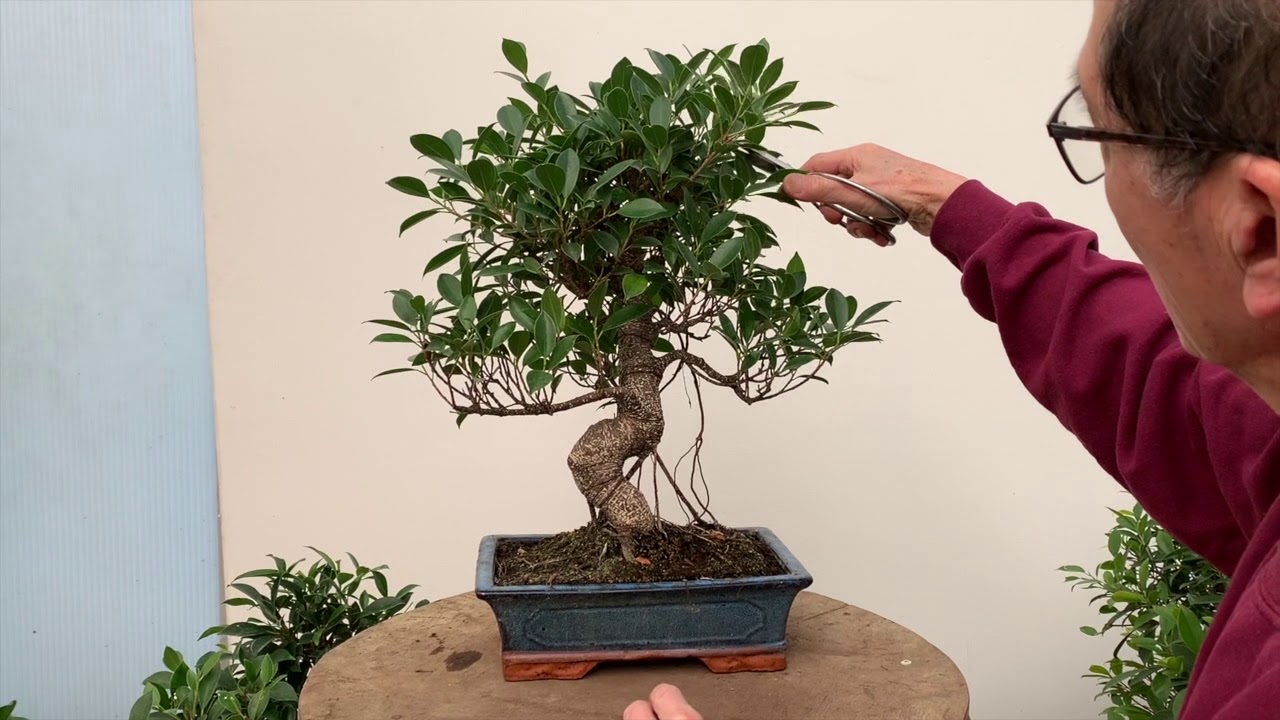
Understanding the ficus bonsai and why care matters
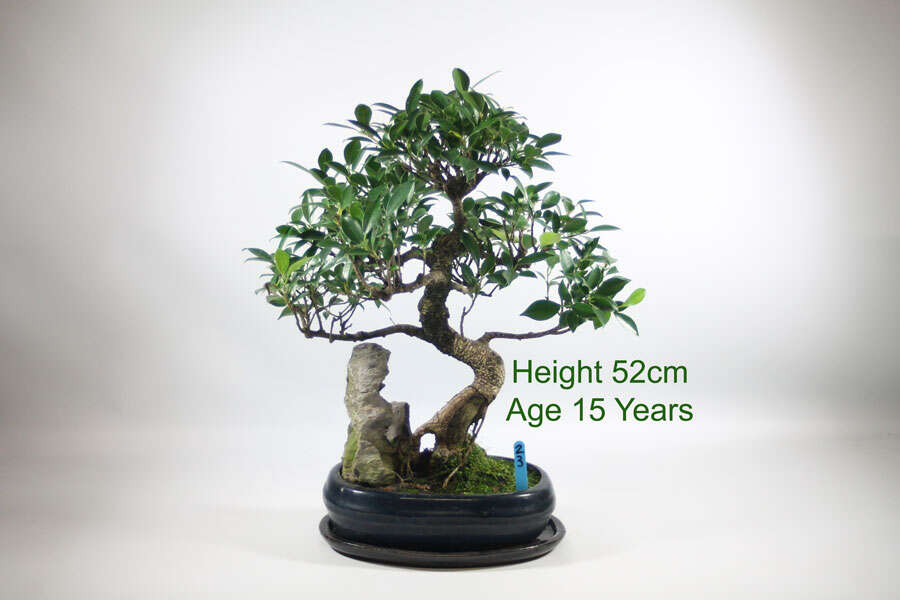
A ficus bonsai is a member of the Ficus genus. It adapts well to indoor life. It is forgiving, so it’s a great choice for beginners. Yet, it still needs consistent care to thrive and show good trunk and leaf health.
Why care matters
- Proper care helps roots stay healthy.
- Good pruning keeps the shape and scale.
- Right watering prevents root rot and drought stress.
How this guide helps
- Step-by-step routines you can use daily.
- Troubleshooting tips from real experience.
- Clear do’s and don’ts to avoid common errors.
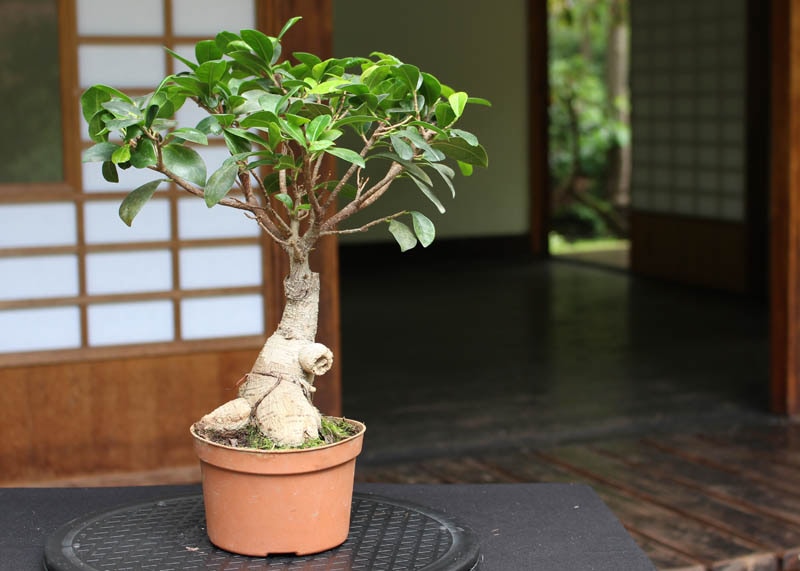
Light: the single most important tip
Ficus bonsai like bright, indirect light. Place them near a south- or west-facing window with filtered sun. If light is low, use a grow light for 8–10 hours a day. Rotate the tree weekly so all sides get even light and growth.
Signs of light problems
- Pale leaves and leggy growth mean too little light.
- Crispy leaf edges and sunburn spots mean too much direct sun.
Practical tip from experience
I moved one ficus from a dim hallway to a bright window. Leaves filled out in weeks. Light made the biggest difference.

Watering: when and how to water a ficus bonsai
Watering well is about rhythm, not volume. Check the top 1/3 inch of soil. Water thoroughly when that surface feels dry. Let excess water drain fully. Never let the tree sit in a saucer of water for long.
Watering steps
- Check soil with your finger every few days.
- Water until water runs from drainage holes.
- Empty the saucer after 10–30 minutes.
Common watering mistakes
- Watering on a strict schedule without checking soil.
- Overwatering in low light or during cool months.
- Letting the soil dry out for too long.
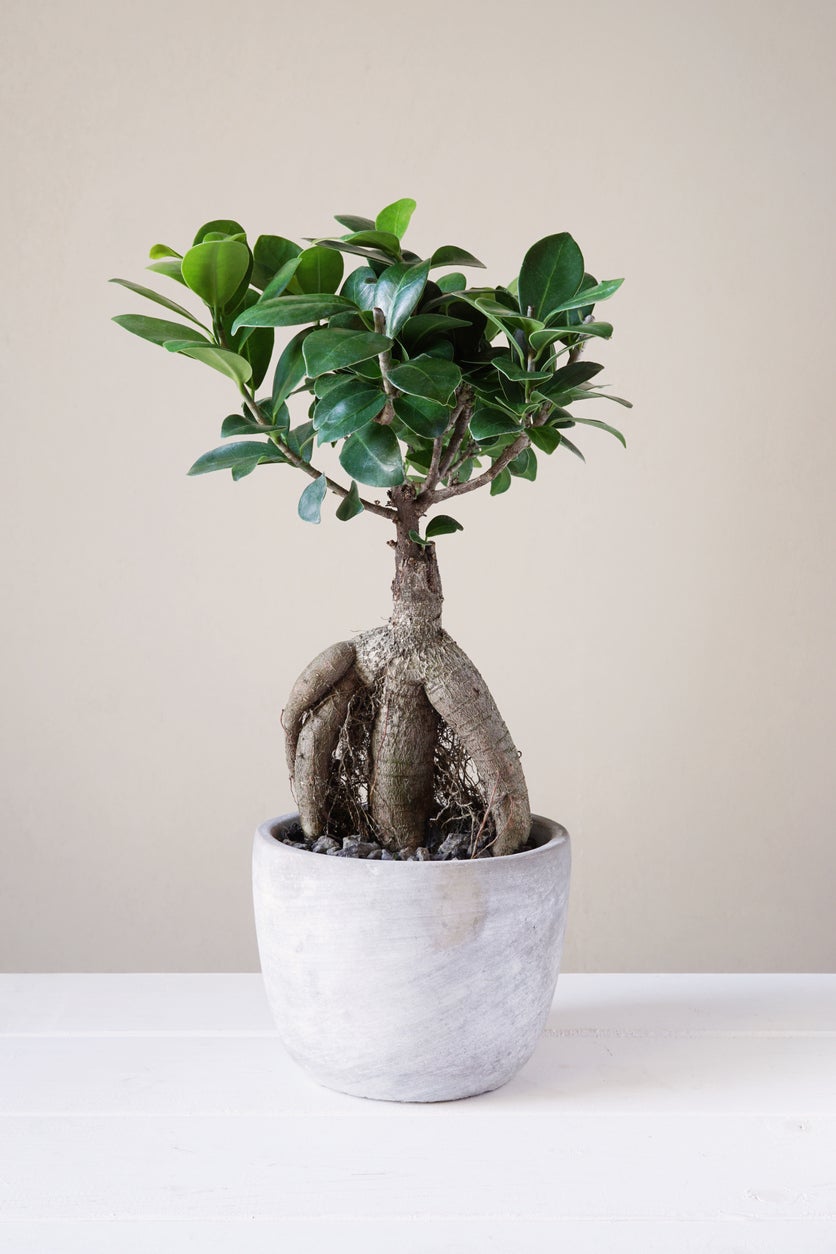
Humidity and temperature: create a cozy microclimate
Ficus bonsai prefer warm temps between 60–75°F. They like humidity above 40% when kept indoors. Use a humidity tray or group plants together to boost moisture. Avoid cold drafts and sudden temperature swings.
Quick tips
- Place the pot on a tray with pebbles and water but keep the pot base above the water line.
- Use a small humidifier if your home is very dry in winter.
- Keep away from vents and external doors.
 repotting: give the roots room to breathe”
style=”max-width: 100%; height: auto; border: 2px solid black; border-radius: 10px; display: block; margin: 0 auto;”
loading=”lazy”
/>
Soil and repotting: give the roots room to breathe
Use a fast-draining bonsai or cactus mix. Soil should hold some moisture but not stay soggy. Repot young ficus bonsai every 1–2 years in spring. Older, established trees can be repotted every 2–4 years.
Repotting steps
- Repot during active growth in spring.
- Trim up to 30% of the root mass for young trees.
- Replace old soil with fresh mix and water well.
Signs repotting is needed
- Roots circling the pot or growing through drainage holes.
- Slow growth despite proper care.

Pruning and wiring: shape and health go hand in hand
Prune regularly to maintain scale and promote ramification. Trim new shoots back to two or three leaves. Structural pruning is best in spring or early summer. Use wiring to train branches but check wires often to avoid scarring.
Pruning essentials
- Pinch back new growth for dense foliage pads.
- Remove dead or crossing branches promptly.
- Wire thin branches with soft wire and remove after 2–3 months.
My mistake and lesson
I once left wire on too long and found indent marks. Now I check wiring weekly. Quick checks prevent permanent scars.

Fertilizing: feed for steady, healthy growth
Ficus bonsai respond well to regular, balanced feeding. Use a low-dose, balanced fertilizer during the growing season (spring through early fall). Cut back feeding in winter when growth slows.
Feeding schedule
- Use a diluted liquid fertilizer every 2–4 weeks during growth.
- Switch to a slow-release formula in spring for sustained nutrition.
- Avoid fertilizing a stressed or recently repotted tree for 2–4 weeks.

Pest and disease management: watch and act early
Common pests include scale, mealybugs, and spider mites. Check leaves and stems weekly. Treat early with insecticidal soap, neem oil, or a targeted systemic for severe infestations.
Disease notes
- Root rot comes from overwatering and poor drainage.
- Leaf drop can result from stress, pest attack, or sudden environment change.
Practical prevention
- Quarantine new plants for a few weeks.
- Keep leaves clean and dust-free with occasional gentle sprays.
- Use clean tools to avoid spreading disease.

Styling and training: why form follows health
Styling is patience and gentle guidance. Start with healthy growth, then refine shape slowly. Use pruning, wiring, and selective pinching to create movement and depth. Respect the tree’s natural growth habit—forceful shaping can harm a ficus bonsai.
Styling tips
- Begin with a clear design plan.
- Work on branches gradually over seasons.
- Emphasize taper, proportion, and a natural-looking trunk line.
Troubleshooting common problems
Yellow leaves, leaf drop, or new limp leaves are common. First check light and water. Adjust one factor at a time and monitor for a week to see improvement. Patience is key—ficus bonsai respond but not overnight.
PAA-style questions
How often should I water my ficus bonsai?
Water when the top third inch of soil feels dry. This usually means every 3–7 days depending on light and season.
Can ficus bonsai live indoors year-round?
Yes, ficus bonsai can thrive indoors with bright light and stable temperatures. Move them outdoors in summer for extra light if possible.
What is the best soil for a ficus bonsai?
A fast-draining, airy bonsai mix is best. Add akadama, pumice, or coarse sand to improve drainage and air flow.
Personal lessons and practical tips from experience
I have killed and revived ficus bonsai. The biggest lesson: consistency beats heroics. Small, regular actions prevent crises. If a tree looks stressed, I check light, soil moisture, and root health first. Often it’s one simple change that brings recovery.
Real-world tips
- Label watering days after repotting until you know the tree’s rhythm.
- Take photos when you prune. This helps track progress.
- Keep a small journal of feeding and repotting dates.
Caring schedule you can follow
A simple weekly routine keeps things easy and clear.
Weekly
- Check soil moisture and water if dry.
- Inspect leaves for pests and dust them gently.
- Rotate the tree for even light.
Monthly
- Feed during the growing season.
- Tighten or adjust wires as needed.
Seasonal
- Repot in spring for young trees.
- Reduce watering and feeding in winter.
When to seek expert help
If leaves continue to yellow despite changes, or if you see extensive root rot, seek help. A local bonsai club, nursery, or an arborist can diagnose tricky issues. Professional repotting or lab-tested treatments may be needed in severe cases.
Frequently Asked Questions of how to care for a ficus bonsai tree
How often should I repot a ficus bonsai?
Young ficus bonsai should be repotted every 1–2 years. Older trees can go 2–4 years between repots, depending on root health.
Why is my ficus bonsai dropping leaves?
Leaf drop often means stress from light, water change, drafts, or pests. Check recent changes and adjust one factor at a time.
Can I keep a ficus bonsai outside?
You can keep it outside in warm months with filtered sun and no frost. Bring it in before temperatures drop below about 50°F.
How do I deal with scale or mealybugs on my ficus bonsai?
Remove pests by hand when possible and use insecticidal soap or neem oil for small infestations. Repeat treatments weekly until pests are gone.
Is pruning necessary for a ficus bonsai?
Yes. Pruning keeps the scale and encourages a dense branch structure. Regular light pruning gives better results than infrequent heavy cuts.
Conclusion
Caring for a ficus bonsai tree is a rewarding mix of steady habits and small corrections. Focus on bright light, consistent watering, proper soil, and regular pruning. Start simple, learn from small mistakes, and build a routine that fits your home and schedule. Try one change at a time, and watch your ficus bonsai grow stronger each season. If you found this guide helpful, leave a comment, share your ficus story, or subscribe for more bonsai tips.

Laura Bennett is a gardening writer at MyGardenLabs who creates beginner-friendly guides focused on solving common plant care and gardening problems.