Do Fast Growing Trees Make Good Bonsai: Pros And Tips
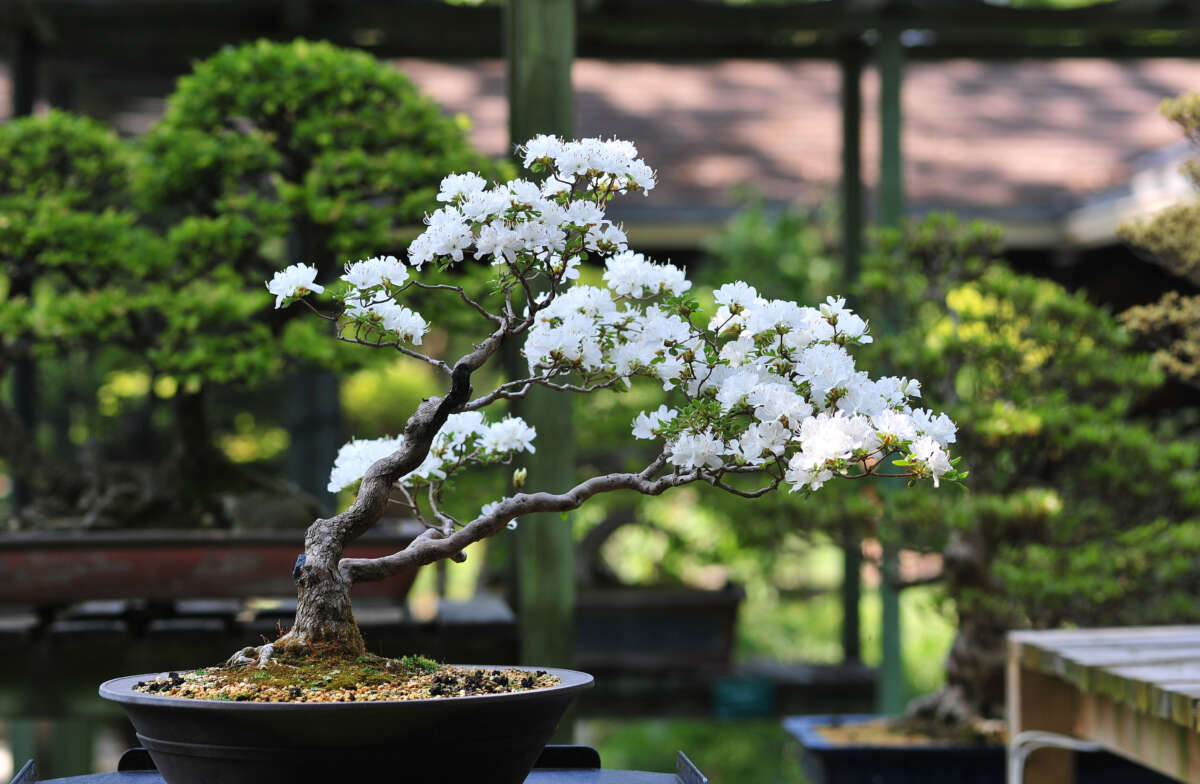
Yes — many fast-growing trees can make excellent bonsai with careful pruning and training.
I’ve trained bonsai for years and tested fast growers in pots, patios, and displays. This article explains whether do fast growing trees make good bonsai, which species work, the pros and cons, and step-by-step care. You’ll get practical tips, real mistakes I made, and proven methods that help fast growers become striking bonsai. Read on to learn how to turn quick growth into refined bonsai form without losing control.

Why fast-growing trees attract bonsai growers
Fast growth gives quick results. That appeals to beginners and busy hobbyists who want visible progress in months instead of years.
Key benefits of fast growers for bonsai
- Rapid trunk and branch development lets you establish basic shape fast.
- Faster back-budding helps create finer ramification sooner.
- Easier lofting from nursery stock to display size in a few seasons.
- More forgiving of root pruning and re-potting because they recover quickly.
How fast growth affects styling
- Vigorous shoots let you form complex structures quickly.
- You can sacrifice branches without killing the tree.
- Fast growth requires frequent pruning to keep proportions.
Real-world context
- In workshops I run, students often prefer fast growers because they see value quickly. This builds skill and confidence. If you want visible progress, do fast growing trees make good bonsai in many cases, provided you use the right species and techniques.
Challenges of using fast-growing species for bonsai
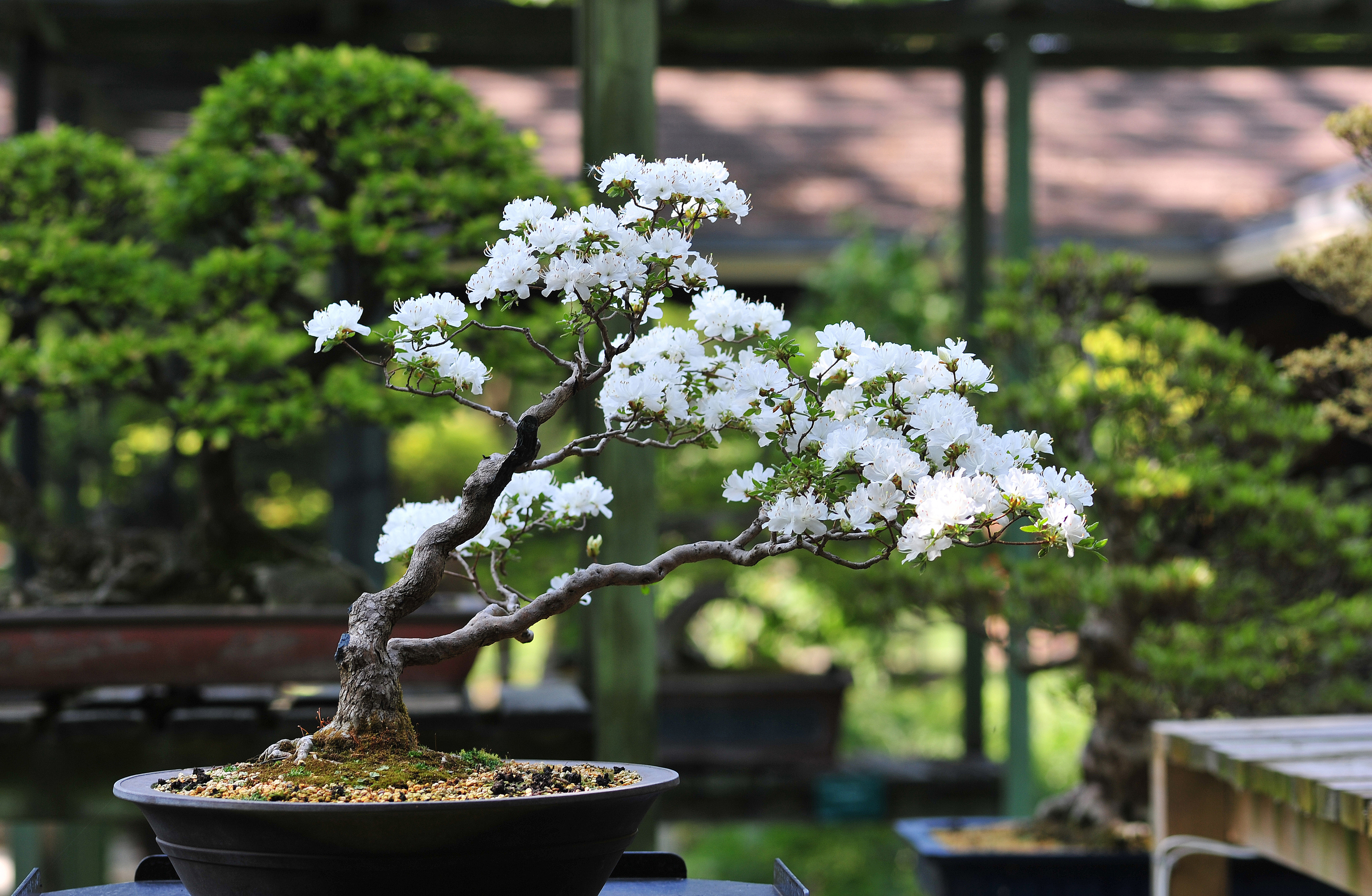
Fast growth can be a double-edged sword. Without control, vigorous trees become coarse and lose finesse.
Common challenges
- Large leaves: Fast growers often have big leaves that look out of scale on a small tree.
- Weak taper: Rapid trunk thickening can produce straight, uniform trunks with little taper.
- Coarse ramification: Branches may remain thick and stubby unless trimmed constantly.
- Woody quality: Some fast species have soft or brittle wood that does not hold fine detail.
- Pest and disease pressure: Rapid growth can be prone to pests if nutrition is high.
How these issues show up in practice
- A rapidly grown trunk may look powerful but lack the tapered elegance bonsai needs.
- Too much growth between pruning cycles creates long internodes and oversized foliage.
- Overfertilizing to drive growth increases soft tissue that pests target.
Mitigation is possible
- Regular pruning and timely defoliation improve ramification and leaf size.
- Wiring earlier and using progressive thinning help create taper and movement.
- Select species with favorable wood and leaf traits when possible.

Best fast-growing species for bonsai and pros/cons
Not all fast growers are equally useful. Here are species that bonsai artists commonly use, with practical notes.
Ficus (benjamina, microcarpa)
- Pros: Great back-budding, small leaves on juvenile growth, indoor-tolerant, forgiving of root work.
- Cons: Leaf size can be large on mature growth; needs warmth and humidity.
Chinese elm (Ulmus parvifolia)
- Pros: Fast back-budding, good bark texture, small leaves when stressed, hardy outdoors.
- Cons: Can develop long internodes if growth runs unchecked.
Ligustrum (privet)
- Pros: Very fast, great for beginners, easy to root, responds well to pruning.
- Cons: Leaves may be too large for very small bonsai; wood can be soft.
Trident maple (Acer buergerianum)
- Pros: Fast juvenile growth, excellent seasonal color, good ramification with work.
- Cons: Needs careful root pruning and wiring during active growth periods.
Willow, poplar, eucalyptus (species to avoid or use cautiously)
- Pros: Extremely fast growth, dramatic movement possible.
- Cons: Very brittle wood, large leaves, poor branch ramification, short-lived in pots.
Species selection tips
- Choose species known to back-bud and refine foliage.
- Avoid trees that produce overly large leaves or brittle wood.
- Consider climate: some fast growers need tropical conditions to thrive as bonsai.
How to train and care for fast-growing bonsai
Turn speed into an advantage by using disciplined techniques. Fast growth demands consistent attention.
Pruning schedule
- Shorten shoots frequently during the growing season to encourage branching.
- Thin heavy branches to open the canopy and improve air flow.
- Use structural pruning in late winter and maintenance pruning in spring and summer.
Defoliation and leaf management
- Partial or full defoliation can reduce leaf size and encourage back-budding.
- Defoliate only on healthy trees and when weather is stable for recovery.
Root work and repotting
- Repot every 1–2 years for vigorous species to refresh soil and control roots.
- Root prune lightly for rapid growers who recover quickly; keep more fine roots than you might for slow growers.
Wiring and shaping
- Wire earlier in the season but check wires often; rapid growth can make wiring cut in fast.
- Use heavier gauges for main structure and adjust as the tree thickens.
Feeding and water
- Use a balanced fertilizer at moderate strength to avoid overly soft growth.
- Adjust water frequency for the species’ vigor—faster growers often use more water but need well-draining soil.
Common maintenance checklist
- Inspect wiring weekly during rapid growth.
- Pinch back new shoots regularly.
- Monitor for pests when growth surges.

Design and aesthetic considerations for fast growers
Fast growth can create bold, dramatic bonsai if managed for proportion and detail.
Managing leaf scale
- Use leaf reduction techniques like defoliation, branch thinning, and timed fertilization.
- Choose pot size carefully; restricted root space often produces smaller leaves.
Creating trunk taper and movement
- Combine staggered pruning and trunk chopping to force new taper.
- Use sacrifice branches that grow rapidly to thicken the trunk, then remove them later.
Improving ramification
- Focus on secondary and tertiary branching early.
- Regular short pruning cycles increase the number of fine branches.
Balancing vigor and refinement
- Rapid growth gives you raw material; refinement comes from repeated, patient pruning cycles.
- Think sculptor, not gardener—shape the mass, then refine the detail.

Personal experience: lessons learned and mistakes to avoid
I’ve trained several fast-growing bonsai over a decade. Here are honest takeaways from hands-on work.
What worked
- Using ficus and Chinese elm allowed quick styling and fast recovery after root work.
- Regular, small pruning sessions created fine ramification without shocking the trees.
Mistakes I made
- Over-fertilizing to speed growth led to soft tissue and a pest outbreak on one tree.
- Wiring once and forgetting it caused scars when the branches thickened quickly.
Practical tips from real cases
- Set a pruning calendar and stick to it—consistency beats overcorrection.
- Use temporary “sacrifice” branches to build trunk girth, then remove them over a season.
- Keep a notebook of when you prune, repot, and defoliate to learn your tree’s rhythm.

Quick practical questions while training fast bonsai
Will a fast-growing tree outgrow its pot quickly?
Yes. Fast growers often need repotting every 1–2 years. Keep soil fresh and roots trimmed to maintain health.
Can I use fast-growing trees for show-quality bonsai?
Yes, with disciplined pruning and leaf reduction you can achieve show-quality results. The key is time spent refining ramification and scale.
How often should I wire a fast-growing bonsai?
Wire early but check every few weeks; rapid growth can make wire cut in. Reapply or adjust wire more frequently than with slow growers.

Frequently Asked Questions of do fast growing trees make good bonsai
How do fast-growing trees compare to slow-growing species for bonsai?
Fast-growing trees provide quicker results and easier recovery from work, while slow growers often develop finer detail and denser ramification over many years.
Are fast-growing trees easier for beginners to learn bonsai with?
Often yes. Beginners can see progress quicker, which helps learning. However, beginners must still learn regular pruning and wiring.
Which maintenance task is most important for fast growers?
Regular pruning and monitoring of wires. Fast growers demand frequent correction to keep form and scale.
Can fast growth ruin bonsai aesthetics?
If left unchecked, yes. Uncontrolled growth leads to large leaves and thick, leggy branches that lose bonsai proportion.
Should I defoliate fast-growing trees?
Yes, when appropriate. Defoliation helps reduce leaf size and produce back-budding, but only on healthy trees and in the right season.
Are indoor fast-growing trees suitable for bonsai?
Some are, like certain ficus species. Indoor bonsai need stable warmth and light; not all fast growers adapt well to indoor conditions.
How do I reduce leaf size on a vigorous tree?
Use repeated pruning, seasonal defoliation, and careful root restriction. Avoid excessive fertilization that promotes large leaves.
Conclusion
Fast-growing trees can make excellent bonsai when you plan for their vigor. They give rapid structure, quick recovery, and fast learning curves. The trade-off is discipline: you must prune, wire, repot, and manage leaves regularly to convert strong growth into refined form. Try a forgiving species, set a maintenance schedule, and use sacrifice branches to build trunk character. If you commit to consistent work, do fast growing trees make good bonsai becomes an easy “yes”—and you’ll enjoy both quick satisfaction and long-term beauty. Ready to start? Try one fast grower, keep notes, and share your results in the comments or subscribe for more step-by-step bonsai guides.

Laura Bennett is a gardening writer at MyGardenLabs who creates beginner-friendly guides focused on solving common plant care and gardening problems.