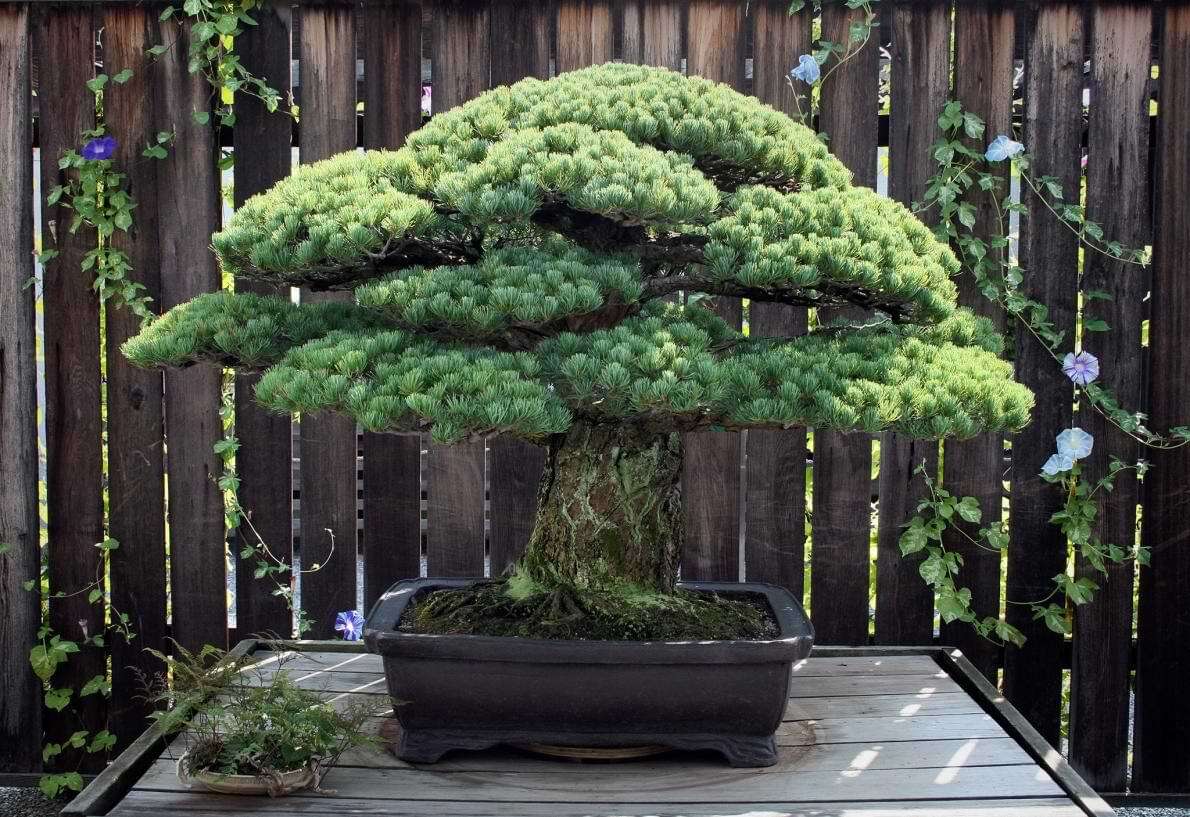
How Long Do Bonsai Trees Live: Lifespan, Care Tips
Bonsai trees can live from decades to many centuries when given steady, expert care.
I’ve worked with bonsai for years and helped rescue and revive many trees, so I know what keeps them alive and what kills them. This article explains how long do bonsai trees live, why some survive for only a few years while others become family heirlooms, and practical steps you can take to extend a bonsai’s life. Read on for species lifespans, care routines, common mistakes, and real-world tips that will help your bonsai thrive for generations.

Understanding bonsai lifespan
Bonsai is not a species. Bonsai is a method of growing and shaping a tree in a small container. That means how long do bonsai trees live depends on the species, genetics, growing conditions, and care over time. A bonsai’s lifespan can be shorter or much longer than the same species grown in the ground.
Key ideas to remember:
- Species sets the baseline lifespan. Some trees naturally live longer.
- Care extends or shortens that baseline. Good soil, water, and root care add years.
- Bonsai techniques like root pruning and potting are crucial to long-term health.
How long do bonsai trees live varies widely. For a realistic view, think in ranges: some live 10–30 years, many live 50–200 years, and a few prized specimens last centuries.
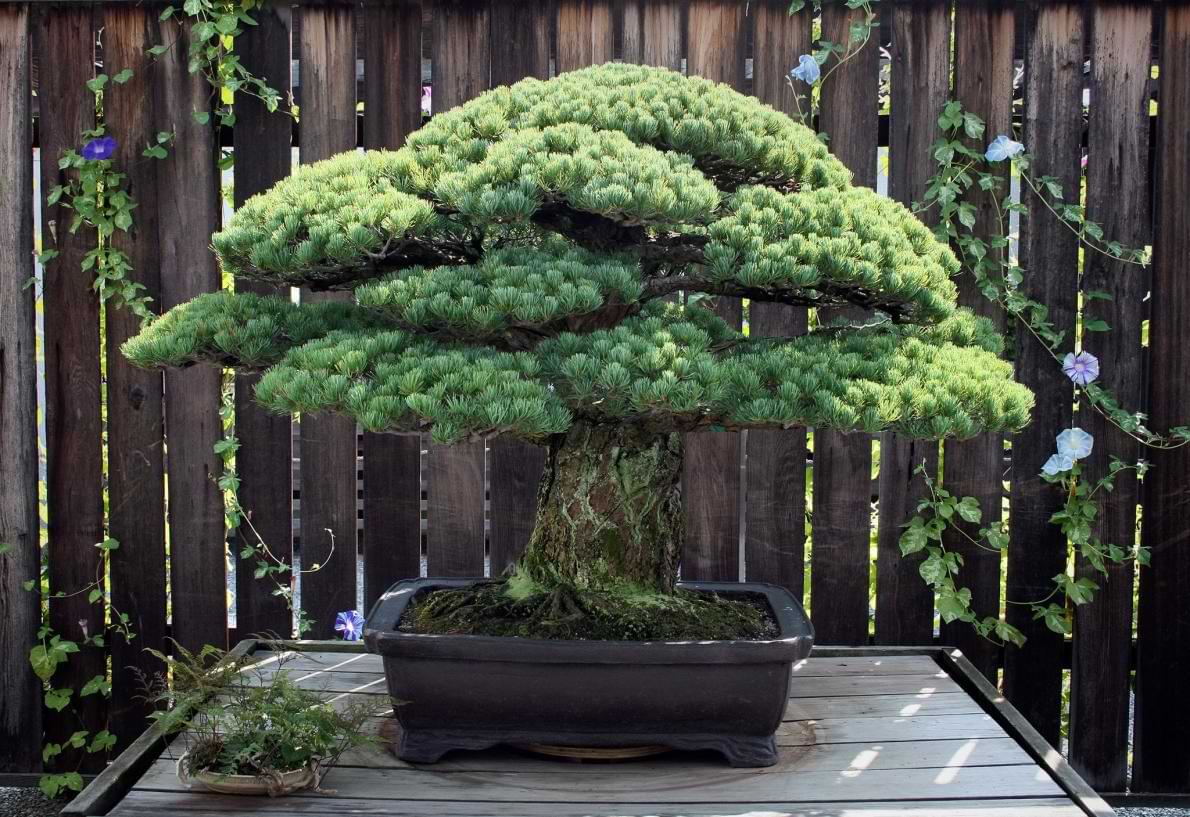
Typical lifespans by species
Different species handle container life better. Here are common bonsai species and typical lifespans you can expect with decent care.
- Juniper
- Lifespan: 50–200 years
- Notes: Hardy, forgiving, good for beginners.
- Ficus (tropical)
- Lifespan: 20–100 years
- Notes: Indoor-friendly, sensitive to cold.
- Japanese Maple
- Lifespan: 30–150 years
- Notes: Needs seasonal care and protection from heat.
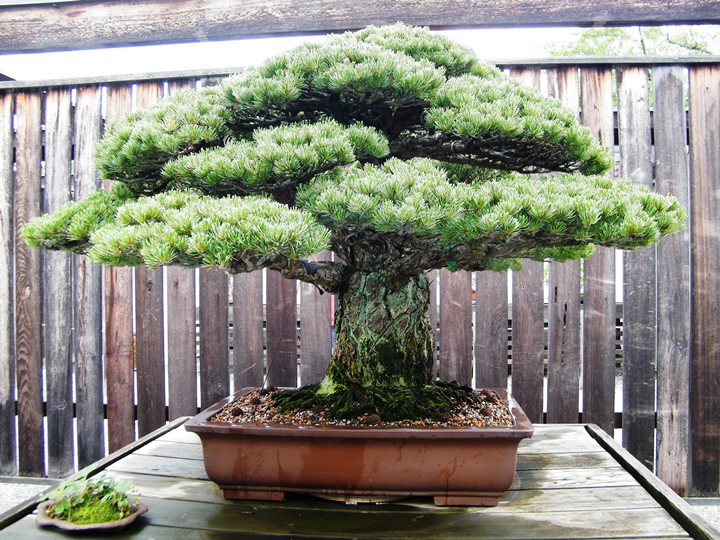
- Pine (various species)
- Lifespan: 100–500+ years
- Notes: Many long-lived bonsai are pines; they can handle pruning well.
- Chinese Elm
- Lifespan: 50–200 years
- Notes: Robust and fast to recover from pruning.
- Olive
- Lifespan: 50–500 years
- Notes: Long-lived in warm climates; drought-tolerant.
- Ginkgo
- Lifespan: 200–1,000+ years in the wild; in bonsai, often 100+ years
- Notes: Extremely long-lived species, adapts to container life slowly.
These ranges are broad because how long do bonsai trees live depends as much on your care as on the species. A well-cared-for ficus can outlive a neglected pine.
Factors that determine how long do bonsai trees live
Several factors control a bonsai’s life expectancy. Address these to extend your tree’s life.
- Species and genetics
- Some species are naturally long-lived. Genetics within a species matter too.
- Soil and drainage
- Poor soil shortens life. Fast-draining, nutrient-retentive mixes last longer.
- Watering routine
- Overwatering and underwatering both reduce longevity.
- Root management and repotting
- Root pruning keeps trees healthy but must be done correctly and on schedule.
- Pot size and material
- Too-small pots stress roots; heavy pots affect temperature and moisture.
- Fertilization
- Balanced, seasonal feeding supports growth and stress resistance.
- Sunlight and climate
- Species must match your local climate; stress from heat or cold shortens life.
- Pests and disease control
- Early detection and treatment prevent long-term damage.
- Human care consistency
- Consistent, calm care over years is the biggest determinant.
In short, how long do bonsai trees live is often directly proportional to how consistently you meet their needs.
Care practices to maximize bonsai lifespan
Practical steps you can follow to keep a bonsai healthy for decades.
Daily and weekly care
- Check moisture daily in warm months. Water when the top soil feels dry.
- Look for pests and leaf damage during each check.
Seasonal care
- Repot every 1–5 years depending on species and pot size.
- Prune branches and roots according to seasonal growth cycles.
- Adjust fertilization for active growth and dormancy.
Soil and water
- Use a well-draining bonsai mix with inorganic components.
- Water thoroughly until water runs from drainage holes; avoid soggy soil.
Light and positioning
- Match light levels to species needs. Most temperate bonsai need strong outdoor light.
- Protect tropical bonsai from cold drafts and frost.
Pruning and wiring
- Prune to balance root and crown growth. Root pruning is as important as crown pruning.
- Wire carefully; remove wire before it cuts into bark.
Pest and disease control
- Treat pests early with targeted methods.
- Keep tools clean; sterilize between cuts to avoid disease spread.
Personal tips from experience
- Keep a simple care log with watering, feeding, and repotting dates.
- Start with forgiving species while you learn root pruning and potting.
Following these steps will help your bonsai reach or exceed typical lifespan ranges. Remember: how long do bonsai trees live often comes down to consistency.
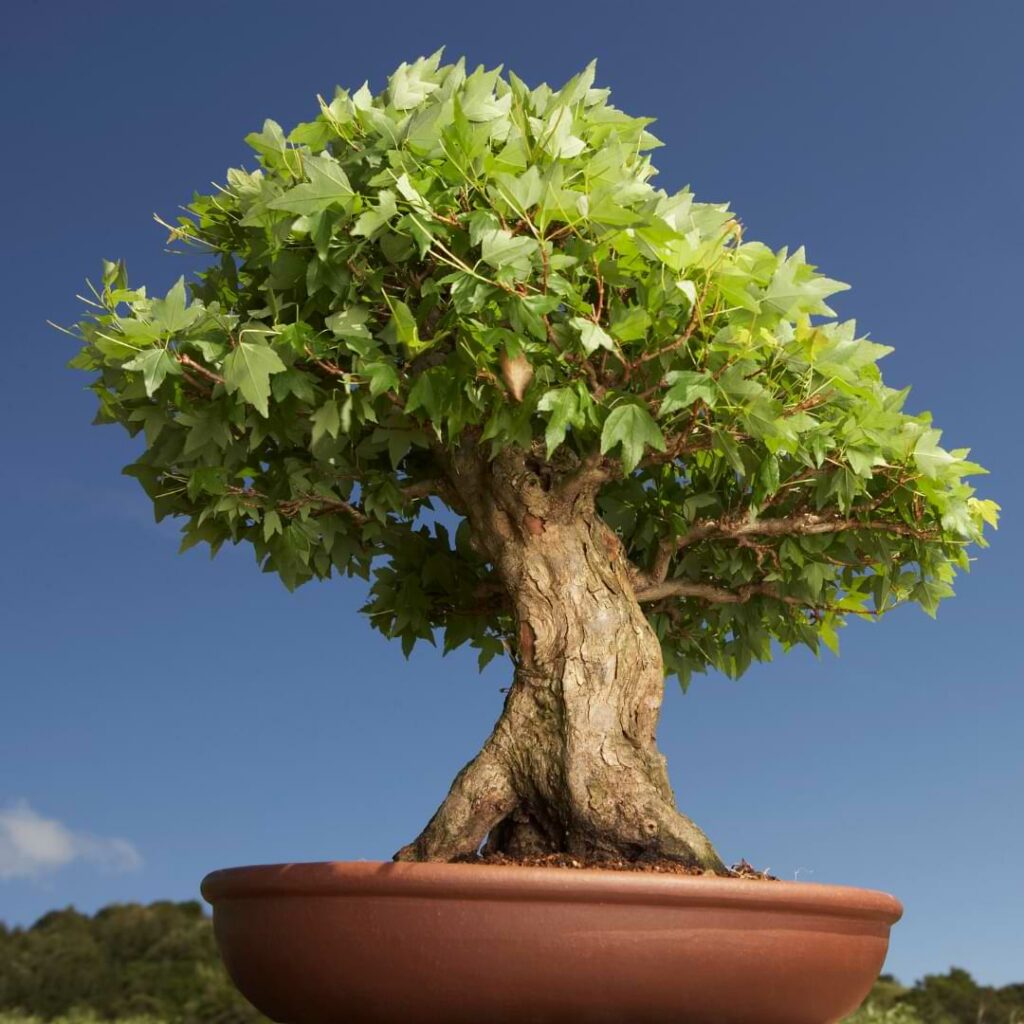
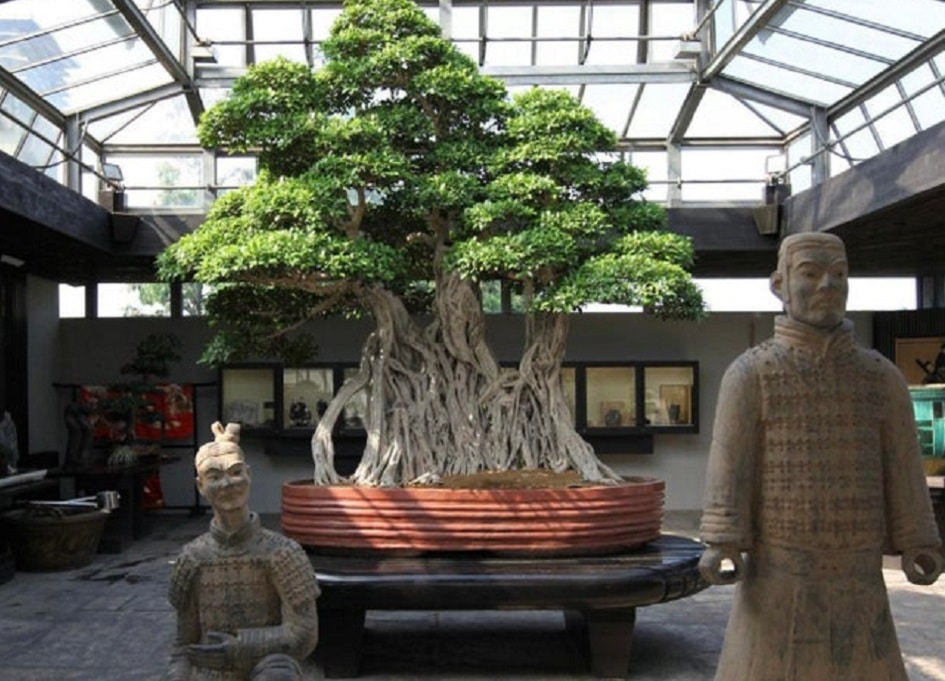
Long-lived bonsai: famous examples and lessons
Some bonsai have been cared for by families and temples for centuries. These trees teach us what matters most.
- Longevity correlates with steady, generational care. Many long-lived bonsai were passed down with care notes and established routines.
- Simplicity and respect for the tree’s needs win. Overstyling or aggressive wiring often shortens life.
- Patience beats speed. Long-lived bonsai reflect slow improvement over generations.
While not every bonsai will become an heirloom, you can adopt the same principles to extend your tree’s life. Think in decades, not months.

Mistakes that kill bonsai and how to avoid them
Common errors that shorten bonsai life and how to prevent them.
- Overwatering
- Problem: Root rot and fungal disease.
- Fix: Use well-draining soil and water only when topsoil is slightly dry.
- Underwatering
- Problem: Leaves brown and drop; roots die back.
- Fix: Check moisture daily in hot weather and water thoroughly.
- Ignoring root health
- Problem: Roots become pot-bound and weak.
- Fix: Repot and root-prune on schedule to renew root vigor.
- Wrong pot or soil
- Problem: Poor temperature and moisture control.
- Fix: Match pot size and soil mix to species needs.
- Too much or wrong pruning
- Problem: Over-pruning causes stress and slow recovery.
- Fix: Prune conservatively and maintain a balanced tree.
- Neglecting seasonal needs
- Problem: Frost damage, sunburn, or nutrient gaps.
- Fix: Protect from extremes and adjust care by season.
Avoid these mistakes and you’ll dramatically increase how long do bonsai trees live.
My experience: lessons from years with bonsai
I began with a rescued juniper that was root bound and overwatered. It lived because I focused on roots first. That tree taught me three core lessons.
- Prioritize roots. Root health is more important than leaf styling.
- Keep records. A care log saved one elm after a winter dieback.
- Learn the species. Each tree has its quirks; treat them individually.
A simple routine and patient care let me convert struggling trees into healthy specimens that added value and joy for years.

Quick questions people ask (PAA-style)
How soon will I know if my bonsai is dying?
Look for discolored leaves, soft or dry roots, and steady leaf drop. Early signs mean early intervention can save the tree.
Can indoor bonsai live as long as outdoor bonsai?
Some indoor species live long, but many temperate trees need outdoor seasons to reach full longevity. Species selection matters.
Does repotting shorten a bonsai’s life?
If done correctly and on schedule, repotting extends life by refreshing roots and soil. Improper repotting can cause shock, so follow species guidelines.
Frequently Asked Questions of how long do bonsai trees live
What is the average life expectancy of a bonsai?
Average lifespan depends on species and care; many bonsai live 50–200 years with good care, while some common beginner trees may live 10–30 years.
Do indoor bonsai live shorter lives?
Indoor bonsai often have shorter lives if the species is not suited to indoor conditions; choose species adapted to indoor light and humidity to increase lifespan.
Can a bonsai live forever?
No tree is truly immortal, but with careful, generational care, a bonsai can live for many centuries and effectively be passed down through families.
How does root pruning affect lifespan?
Root pruning, when done correctly, maintains root health and extends lifespan. Done poorly, it can stress the tree and shorten its life.
Will wiring harm my bonsai long-term?
Wiring is safe if monitored and removed before it digs into the bark. Neglecting wire can cause scarring and weaken long-term health.
Conclusion
How long do bonsai trees live depends on species, care, and patience. Focus on strong roots, the right soil, proper watering, and gentle seasonal pruning to add decades to your bonsai’s life. Start simple, keep a care log, and treat your bonsai like a living legacy. Try one new habit this month—repot, adjust your watering, or create a seasonal plan—and see how your bonsai responds. Leave a comment with your questions or your own bonsai story, and consider subscribing for more hands-on bonsai tips.

Laura Bennett is a gardening writer at MyGardenLabs who creates beginner-friendly guides focused on solving common plant care and gardening problems.