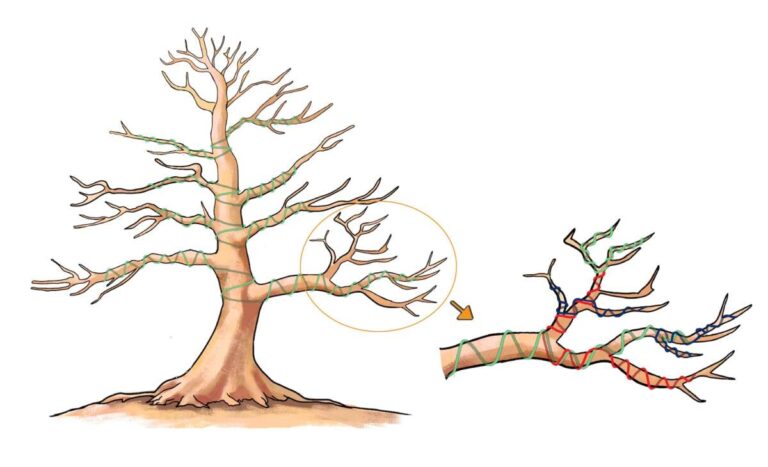
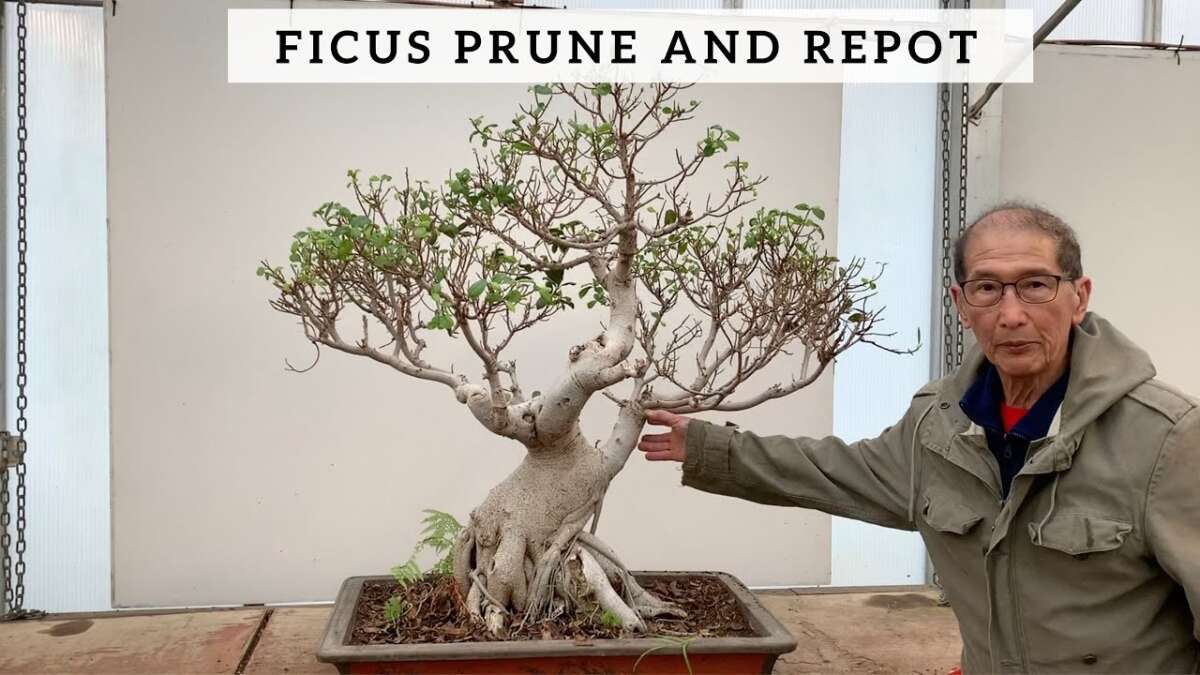
How To Trim A Bonsai Ficus: Expert Pruning Guide
Trim a bonsai ficus by removing unwanted shoots, shaping branches, and cutting just above healthy leaves during active growth.
Learning how to trim a bonsai ficus is less about cutting many branches and more about guiding the tree with care. Ficus bonsai respond well to regular pruning, but poor cuts, weak tools, or harsh timing can cause stress. This guide explains the safest method, from choosing the right tools to caring for your tree after each trim.

Why Trim a Bonsai Ficus?
Trimming keeps a ficus bonsai small, healthy, and visually balanced. It also helps the tree grow fine branches instead of long, weak shoots.
A ficus can grow quickly in warm, bright conditions. Without pruning, new growth may become crowded or uneven. Leaves may block light, and branches may cross or rub against each other.
Regular trimming can help you:
• Maintain the bonsai’s shape
• Encourage dense branch growth
• Improve light and air flow
• Remove dead, weak, or damaged growth
• Keep leaves and branches in scale with the trunk
• Direct energy toward the tree’s best branches
Ficus bonsai, including Ficus microcarpa, Ficus retusa, and Ficus benjamina, tolerate pruning well. Still, they are living trees, not sculptures. Each cut changes the tree’s future growth, so it helps to pause and study the structure first.
When Is the Best Time to Trim a Bonsai Ficus?
The best time to trim a bonsai ficus is during active growth. In the United States, this often means late spring through early fall, especially when the tree receives strong light and warm temperatures.
A healthy ficus can handle light pruning at other times. However, heavy pruning is less suitable during winter or during a period of low light. Growth slows then, and large cuts may heal more slowly.
Look for these signs before pruning:
• New leaves or shoots are forming
• The tree has firm, healthy leaves
• The soil drains well
• The plant is not recovering from repotting
• No major pest problem is present
• The tree receives bright light each day
Avoid major trimming right after repotting. Repotting already disturbs the roots, while pruning reduces the foliage that helps feed root recovery. Give the tree time to settle unless you are removing dead or unsafe growth.

Tools You Need to Trim a Bonsai Ficus
Clean, sharp tools make clean cuts. A smooth cut usually heals better than a crushed or torn stem.
Use:
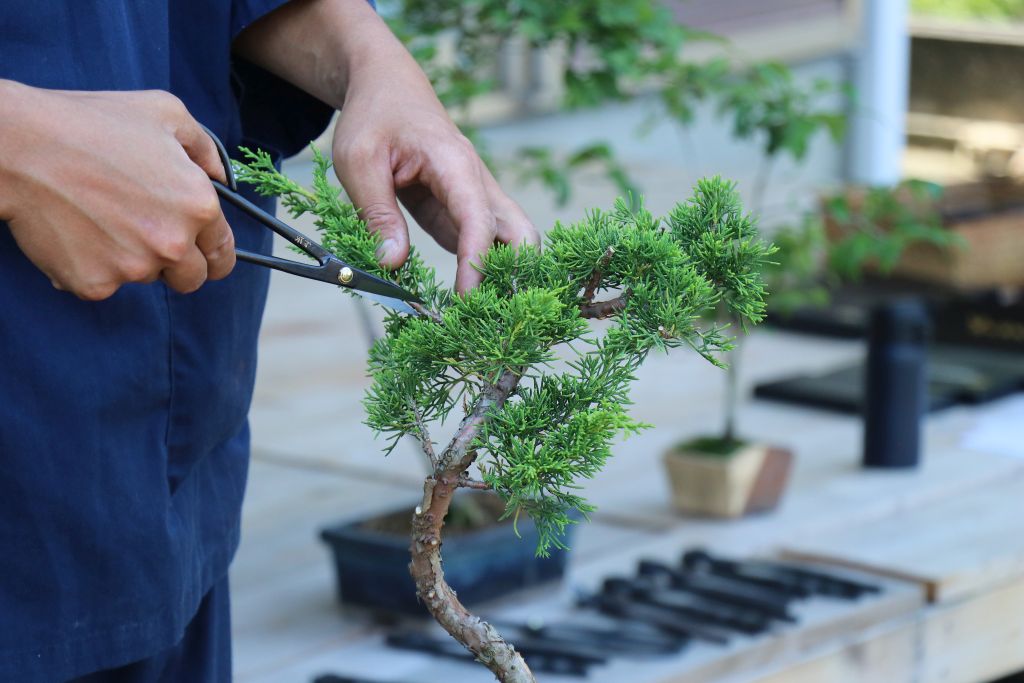
• Bonsai scissors for small shoots and leaves
• Concave branch cutters for thicker branches
• Sharp pruning shears for larger outdoor ficus bonsai
• Twig cutters for small interior branches
• Rubbing alcohol for cleaning blades
• A clean cloth or paper towel
• Cut paste for large wounds, if desired
Disinfect your tools before and after trimming. Wipe the blades with 70% isopropyl alcohol, then let them dry. This step lowers the risk of spreading bacteria, fungi, or pests between plants.
Do not use dull kitchen scissors. They can crush tender stems and leave uneven wounds. Also, never pull branches by hand. A tear can extend into healthy tissue.
I once saw a ficus lose several small branches after a grower pinched them off with his fingers. The damage looked minor at first, but the torn ends turned brown. Sharp scissors would have made a much safer cut.
How to Trim a Bonsai Ficus Step by Step
Trimming a bonsai ficus becomes simple when you work from the tree’s overall design toward the smaller details. Do not begin by cutting random leaves.
1. Study the tree before cutting
Place the ficus at eye level and view it from all sides. Look at the trunk, main branches, branch spacing, and overall silhouette.
Ask yourself:
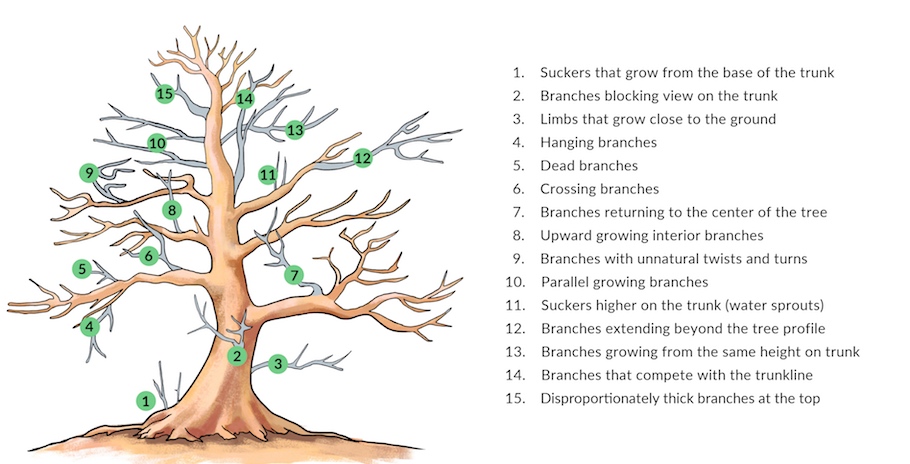
• Which branches form the main structure?
• Which branches cross or grow inward?
• Where is the tree too dense?
• Which shoots are too long?
• Does the tree have a clear front view?
Take a photo before you begin. A photo often reveals problems that are hard to notice while holding the tree close.
2. Remove dead or damaged growth
Start with branches that are clearly dead, broken, diseased, or badly damaged. Cut back to healthy wood.
Dead wood often looks gray, dry, or brittle. A small scratch with a clean blade can reveal green tissue beneath the bark. Do not scratch deeply, and avoid damaging healthy bark.
If a branch shows signs of rot, isolate the tree from other plants. Clean your tools after the work.
3. Remove unwanted shoots
Next, cut shoots that grow:
• Straight down
• Straight up from a branch
• Toward the trunk’s center
• Across another branch
• From the same point as several other shoots
• Outside the desired silhouette
These shoots create visual clutter. Removing them opens the structure and allows light to reach inner leaves.
4. Shorten long shoots
For routine maintenance, allow a new shoot to grow until it has six to eight leaves. Then cut it back to two or four leaves, depending on the tree’s design and strength.
Make the cut just above a leaf node. A node is the point where a leaf or side shoot joins the stem. New growth often develops from buds near that point.
Cut slightly above the node rather than directly through it. A small stub can dry back without harming the bud. Avoid leaving a long stub, since it may die back and look untidy.
5. Choose the direction of new growth
The leaf or bud below your cut often influences the direction of the next shoot. If you want growth to move outward, cut above an outward-facing leaf.
This technique helps shape the bonsai over time. It is not instant wiring or instant design. Think of each cut as a small instruction to the tree.
6. Thin crowded areas
If several shoots emerge from one spot, keep the strongest and best-placed branch. Remove the others with a clean cut.
Too many branches at one junction can create a swollen area. This is common in fast-growing ficus bonsai. Early thinning helps prevent ugly knobs and improves the taper of the branch.
7. Trim large leaves when needed
Ficus leaves can become oversized when the tree receives weak light or too much fertilizer. Improving light and growth control is usually better than removing leaves alone.
You may remove a few very large leaves to improve balance. Use clean scissors and cut the leaf stem, called the petiole. Do not strip the tree bare. The leaves produce energy that the ficus needs for recovery.
A healthy bonsai should keep enough foliage to support its roots and new growth.
How to Make Correct Pruning Cuts
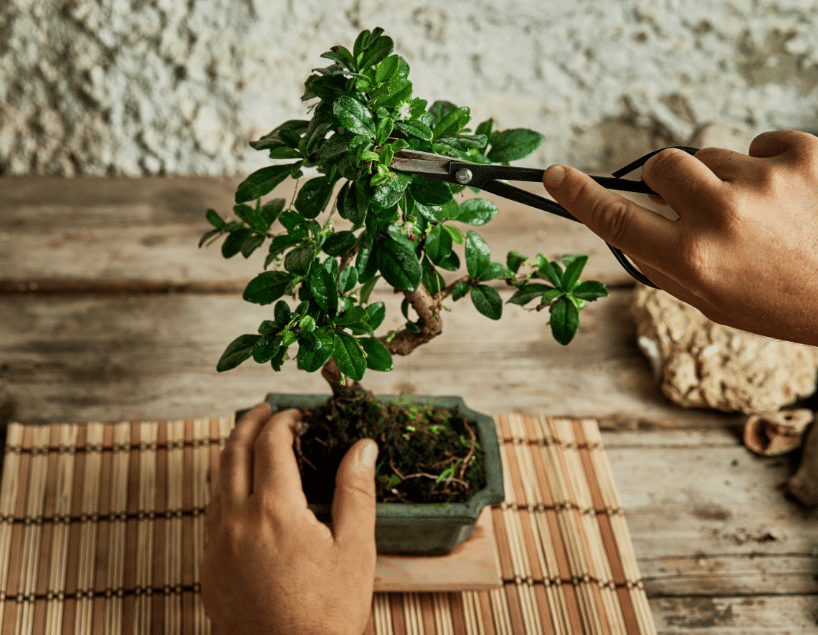
A good pruning cut is clean, small, and placed with future growth in mind. The exact cut depends on the branch size and location.
For a small shoot, use sharp bonsai scissors. Cut at a slight angle, just above a healthy node. The angle helps water move away from the cut, although cleanliness and placement matter more than creating a perfect angle.
For a thicker branch, use concave cutters. These remove a small amount of wood and leave a shallow hollow that can heal with less swelling.
Do not cut flush against the trunk unless you are removing a dead branch or know the branch collar well. The branch collar contains tissue that helps the wound close. Cutting into it can create unnecessary damage.
Do not seal every small cut. Ficus usually heal small wounds without paste. For a large cut, wound paste may protect the surface in dry conditions, but it cannot replace correct technique or good aftercare.

Pruning Styles for a Ficus Bonsai
The right pruning method depends on your goal. A young ficus may need structural pruning, while an established tree may need only light maintenance.
Maintenance pruning
Maintenance pruning keeps the current shape. It includes shortening long shoots, removing crossing branches, and thinning crowded growth.
This is the most common type of trimming for indoor ficus bonsai.
Structural pruning
Structural pruning changes the main design. You may remove a large branch, select a new leader, or create better spacing between primary branches.
Make major structural cuts slowly. It is safer to remove one large branch and wait than to remove several key branches at once.
Clip-and-grow pruning
Clip-and-grow is a useful method for ficus bonsai. You allow a branch to extend, then cut it back hard to encourage new side shoots.
Over time, repeated cycles create taper and ramification. Ramification means the development of many fine branches. This process may take years, but it creates a natural mature look.
Defoliation
Defoliation means removing many or all leaves at one time. It can produce smaller replacement leaves in a strong, healthy ficus, but it is not a beginner’s first pruning method.
Never defoliate a weak, newly repotted, diseased, or poorly lit tree. The tree must have enough stored energy and strong growing conditions to recover.
How Much Can You Trim at Once?
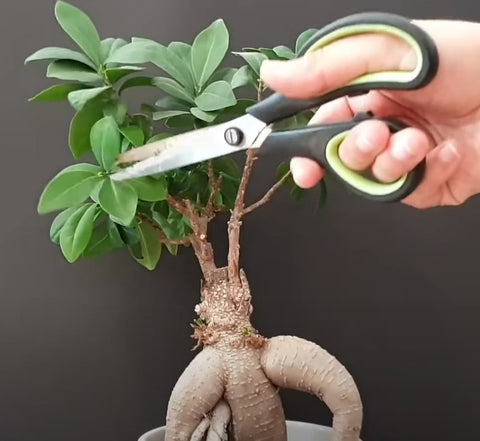
A safe rule is to avoid removing more than one-third of the foliage during a normal trimming session. The exact amount depends on the tree’s age, health, root condition, light, and climate.
A vigorous ficus in warm, bright conditions may recover from heavier pruning. A small indoor ficus in winter may not. When unsure, trim less and wait for new growth.
Use this simple approach:
• Remove dead and unsafe growth first
• Make a few key structural cuts
• Wait several weeks
• Watch for new buds and shoots
• Continue shaping only if the tree remains strong
A bonsai is not improved by one dramatic afternoon. It is improved by many careful decisions over time.

Caring for a Ficus Bonsai After Trimming
After you trim a bonsai ficus, place it in bright, indirect light or gentle morning sun. Strong light helps the tree produce energy, but a freshly pruned tree may scorch if moved suddenly into intense afternoon sun.
Keep watering normal. Water when the upper layer of soil begins to dry, then soak the soil thoroughly until water drains from the bottom. Do not water by habit alone, and do not let the pot sit in a tray of standing water.
For the first week after heavy pruning:
• Avoid strong fertilizer
• Protect the tree from cold drafts
• Keep humidity steady
• Check the cuts for dark, spreading damage
• Watch for pests on new shoots
• Avoid repotting unless there is an emergency
Resume light feeding when new growth appears. A balanced bonsai fertilizer can support recovery, but fertilizer cannot correct poor light or waterlogged soil.
Ficus bonsai may release white latex sap after cutting. This sap can irritate skin and may stain surfaces. Wear gloves if your skin is sensitive, and keep pets away from fresh sap.
Common Mistakes When Trimming a Bonsai Ficus
Many pruning problems come from rushing. The tree may forgive small mistakes, but repeated poor cuts can weaken its shape.
Avoid these common errors:
• Cutting without a design goal
• Removing too many leaves at once
• Using dirty or dull tools
• Cutting into the trunk collar
• Leaving long stubs
• Pruning during cold, dark conditions
• Removing all inner branches
• Fertilizing heavily right after pruning
• Ignoring pests or root problems
• Repotting and heavily pruning on the same day
One mistake I learned to avoid is trimming only the outer leaves. This creates a green shell with weak growth inside. Every few weeks, inspect the inner branches and remove shoots that block light or cross the main structure.
Another mistake is shaping the tree from one angle only. A bonsai should look convincing from its chosen front, but the branches must also be healthy and well spaced from the sides and back.
How Light, Water, and Fertilizer Affect Pruning
Pruning works best when basic care is already correct. A ficus kept in low light may produce long, weak shoots. These shoots are called leggy growth, and they often create wide gaps between leaves.
Move the tree toward brighter light before expecting compact growth. A south-facing window may work well indoors, but protect the plant from sudden heat behind glass. A grow light can help during short winter days.
Overwatering can cause root stress, yellow leaves, and slow recovery. Underwatering can cause leaf drop and dry branches. Check the soil and roots before blaming pruning for every problem.
Fertilizer supports new growth, but too much nitrogen can produce large leaves and long shoots. Use a balanced product at the label rate. Good bonsai form comes from the balance of light, water, nutrition, and pruning.
Ficus Bonsai Trimming: A Simple Example
Imagine a ficus with one branch growing six inches beyond the silhouette. It has eight leaves and two side shoots.
First, remove any leaves or shoots growing inward. Next, keep the side shoot that points toward an open space. Then cut the long branch back to two or four leaves, choosing a node that faces outward.
After trimming, the tree may look slightly bare. That is normal. With warmth and good light, new buds can form near the cut and fill the space with fresh branches.
This example shows why you should not simply cut every branch to the same length. Natural bonsai shapes have varied branch lengths, open spaces, and a clear flow from trunk to twig.
Frequently Asked Questions About How to Trim a Bonsai Ficus
How often should you trim a bonsai ficus?
Trim light new growth whenever it extends beyond the desired shape. During active growth, this may be every few weeks, while slower indoor trees may need attention only every few months.
Where should I cut a ficus bonsai branch?
Cut just above a healthy leaf node or outward-facing bud. For larger branches, avoid cutting into the branch collar, and use a sharp concave cutter when suitable.
Can I trim a bonsai ficus in winter?
You can remove dead, broken, or unsafe growth in winter. Avoid heavy pruning when light and temperatures are low because the tree may heal and regrow slowly.
Should I remove large leaves from a ficus bonsai?
Remove a few large leaves when they disturb the tree’s balance, but do not strip a weak tree. Better light, correct watering, and controlled fertilizer often reduce oversized leaves over time.
Can I prune a ficus bonsai after repotting?
Wait until the tree shows signs of recovery before heavy pruning. Removing dead growth is fine, but combining major root work with major branch pruning can create too much stress.
Does pruning make ficus bonsai leaves smaller?
Regular shoot pruning can help keep growth compact, but leaf size also depends on light, fertilizer, water, tree variety, and overall health. Severe defoliation is not always needed and can weaken an unprepared tree.
Why is my ficus bonsai losing leaves after trimming?
Some leaf drop can occur after sudden changes in light, temperature, watering, or humidity. Check the roots and soil, provide stable care, and look for pests before assuming the pruning cut caused the problem.
Conclusion
Learning how to trim a bonsai ficus is a gradual practice. Use clean tools, prune during active growth, remove weak or crossing branches, and shorten long shoots above healthy nodes. Keep enough foliage for recovery, and give the tree bright light, careful watering, and time.
Start with a small maintenance trim rather than a dramatic redesign. Study the tree from all sides, make one thoughtful cut at a time, and let new growth show you the next step. Share your ficus bonsai progress or explore more bonsai care guides to keep improving your technique.

Laura Bennett is a gardening writer at MyGardenLabs who creates beginner-friendly guides focused on solving common plant care and gardening problems.