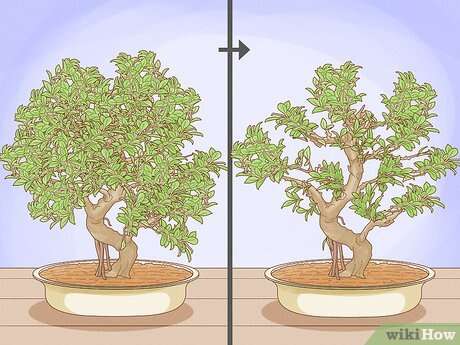
Why Is My Bonsai Tree Losing Its Leaves: Causes And Fixes
Most likely causes are watering mistakes, light or temperature stress, pests, or root problems.
I’ve spent years caring for bonsai and diagnosing leaf drop. If you’re asking why is my bonsai tree losing its leaves, this guide walks you through clear causes, simple checks, and reliable fixes. I blend hands-on experience, practical troubleshooting, and easy steps you can try today to help your bonsai recover and thrive. Read on to learn how to spot the real reason and what to do next.

Common reasons why bonsai lose their leaves
Bonsai drop leaves for many reasons. Some causes are normal, like seasonal shedding. Others are signs of stress you can fix.
- Overwatering usually causes yellowing and soft leaves, then drop.
- Underwatering makes leaves dry, crispy, and fall off.
- Incorrect light levels lead to gradual leaf loss or stretched growth.
- Temperature shock or cold drafts cause sudden leaf drop.
- Pests such as spider mites, aphids, or scale can defoliate a tree.
- Fungal or bacterial diseases make spots, wilting, and leaf loss.
- Root problems from compacted soil, poor drainage, or root rot.
- Fertilizer burn and sudden feed changes can scorch leaves.
- Transplant or repotting shock often causes temporary drop.
If you’re wondering why is my bonsai tree losing its leaves, start with these common causes.

How to diagnose leaf drop: a simple checklist
A quick diagnosis saves time and prevents mistakes. Use this checklist.
- Look at the pattern of leaf loss. Is it all over or on one branch?
- Check soil moisture. Stick a finger 1–2 inches down.
- Inspect leaves for spots, webs, or sticky residue.
- Examine roots when you repot. Are they brown and mushy or healthy and white?
- Note recent changes: repotting, fertilizer, new placement, or weather swings.
- Consider species and season. Deciduous bonsai naturally lose leaves in fall.
As you read each section, match symptoms to your bonsai’s signs. This will answer why is my bonsai tree losing its leaves for your specific case.

Detailed causes and what they look like
Overwatering
Overwatering is the top cause of leaf loss. Soil that stays wet rots roots. Leaves yellow and fall. You may also smell a sour odor from the soil.
Underwatering
Underwatered bonsai have dry, brittle leaves. Leaves often curl and drop starting at the edges. Soil pulls away from the pot sides.
Light deficiency or excess
Low light causes thinning foliage and leaf drop. Too much direct midday sun can scorch leaves. Look for pale or sunburned patches.
Temperature stress and drafts
Sudden cold or hot drafts cause shock and quick leaf drop. Indoor heating that dries air can also trigger loss.
Pests
Spider mites create fine webbing and stippled leaves. Scale and aphids leave sticky honeydew. Heavy infestations cause leaves to fall.
Fungal and bacterial disease
Leaf spots, black mold, and wilting point to disease. Diseased leaves drop irregularly and often show lesions.
Nutrient imbalances and fertilizer burn
Overfertilizing burns roots. Leaves brown and drop at margins. Deficiencies produce pale new growth and weakened foliage.
Root problems and compacted soil
Roots need air. Compacted or poor-draining soil kills roots and causes general yellowing and loss.
Seasonal or species-specific shedding
Many maples, elms, and other deciduous bonsai shed leaves in fall. Tropical types should keep leaves year-round unless stressed.
When you ask why is my bonsai tree losing its leaves, checking these signs narrows the cause quickly.
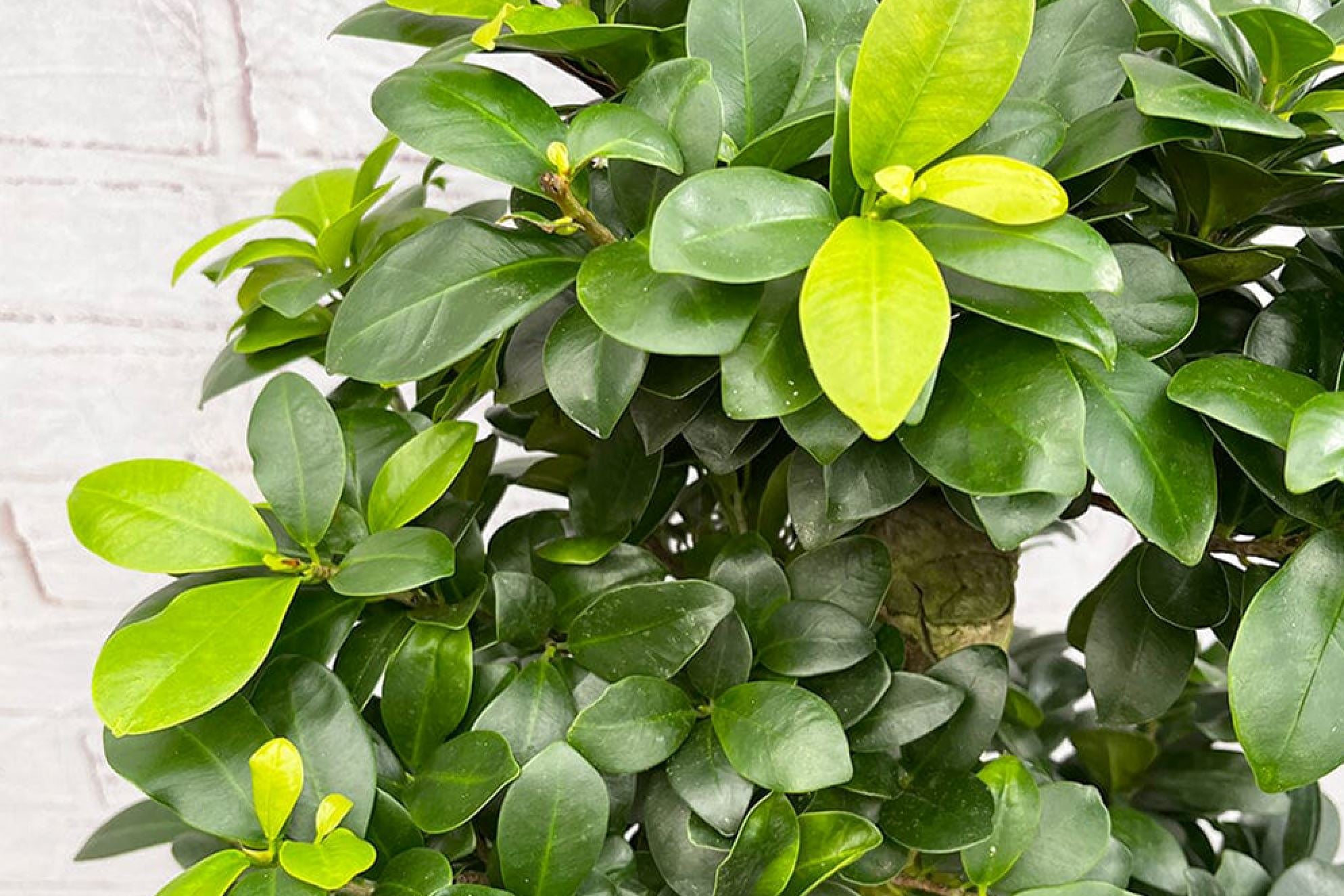
How to treat leaf loss and help recovery
Here are practical steps to help your bonsai recover.
-
Stabilize watering
- Adjust watering to the tree’s needs. Water thoroughly, then wait until the top soil dries slightly.
- If overwatered, reduce watering and improve drainage; if underwatered, soak the pot to rehydrate the root ball.
-
Improve light and temperature
- Move the bonsai to a spot with bright, indirect light for most species.
- Avoid drafts and sudden temperature swings.
-
Treat pests and disease
- Remove affected leaves and prune heavily infested areas.
- Use insecticidal soap or horticultural oil for pests. Apply fungicide if disease signs persist.
-
Fix root and soil problems
- Repot with a fast-draining bonsai substrate if roots are unhealthy or soil is compacted.
- Trim rotten roots during repotting and let cuts callus slightly before replanting.
-
Adjust feeding
- Pause fertilizer for stressed trees. Resume with a balanced, diluted feed after new growth appears.
-
Increase humidity
- Group plants, use a humidity tray, or mist occasionally for tropical bonsai.
-
Be patient with recovery
- Recovery may take weeks to months. Avoid heavy pruning until the tree shows new growth.
I once killed a ficus by repotting and fertilizing right away. Now I wait four to six weeks after repotting before feeding. That saved other trees later. If you’re asking why is my bonsai tree losing its leaves, start with these steps and track changes weekly.

Prevention and ongoing care tips
Good daily care prevents most leaf loss.
-
Use the right soil
- Choose a mix that drains well and holds some moisture.
-
Water the right way
- Water deeply and infrequently. Avoid constant dampness.
-
Provide proper light
- Match light levels to the species and rotate the pot for even exposure.
-
Feed carefully
- Use a balanced fertilizer on a regular but moderate schedule.
-
Maintain humidity
- Keep indoor bonsai near other plants or use trays to raise humidity.
-
Inspect regularly
- Check for pests and disease weekly.
-
Quarantine new plants
- Keep new purchases separate for two weeks to spot problems before they spread.
Taking these steps will lower the chance you ask why is my bonsai tree losing its leaves again.

Species-specific notes
-
Ficus and other tropical bonsai
- They drop leaves when moved or when light drops. Keep stable conditions.
-
Juniper and conifers
- They can shed inner needles as they grow. Sudden mass drop often points to watering or pests.
-
Maples and elms
- Deciduous types naturally lose leaves seasonally. Stress-related loss shows early or off-season drop.
-
Azalea and flowering bonsai
- Bud drop or leaf loss often links to water stress or sudden temperature changes.
Matching your species helps answer why is my bonsai tree losing its leaves more accurately.

Quick troubleshooting checklist (step-by-step)
- Check soil moisture and drainage.
- Inspect for pests and signs of disease.
- Note recent changes in location, light, or temperature.
- Evaluate feeding history and repotting timing.
- If roots look bad, consider repotting with fresh mix.
- Stabilize conditions and wait for new growth.
Follow these steps to find the reason why is my bonsai tree losing its leaves and take action fast.

Frequently Asked Questions about why is my bonsai tree losing its leaves
How can I tell if my bonsai is underwatered or overwatered?
Underwatered bonsai have dry, brittle leaves and soil that pulls away from the pot. Overwatered bonsai show yellowing leaves, soft stems, and often a sour smell from the soil. Inspect roots if unsure.
Will a bonsai recover after all its leaves drop?
Many bonsai can recover if roots remain healthy and stress is removed. Recovery may take weeks, so stabilize care and be patient while new buds form.
Should I prune a bonsai that is losing leaves?
Avoid heavy pruning during stress. Remove dead material and diseased foliage, but wait to do structural pruning until the tree regains vigor and shows new growth.
Can seasonal changes cause leaf drop?
Yes. Deciduous bonsai naturally drop leaves in autumn. Tropical bonsai may drop leaves if light or temperature changes suddenly. Check species-specific patterns.
When should I repot a bonsai with leaf drop?
Repot only if you find root rot, compacted soil, or roots circling heavily. If the tree is stressed but roots look healthy, improve care first and delay repotting for a few months.
Conclusion
Leaf drop is a clear signal your bonsai needs attention. Start by checking water, light, and roots, then treat pests, adjust care, and give the tree time to recover. Small, steady changes often fix the problem faster than dramatic interventions. Try the diagnosis checklist and one or two simple fixes this week. If you found this helpful, leave a comment with your tree’s symptoms or subscribe for more care guides and troubleshooting tips.

Laura Bennett is a gardening writer at MyGardenLabs who creates beginner-friendly guides focused on solving common plant care and gardening problems.