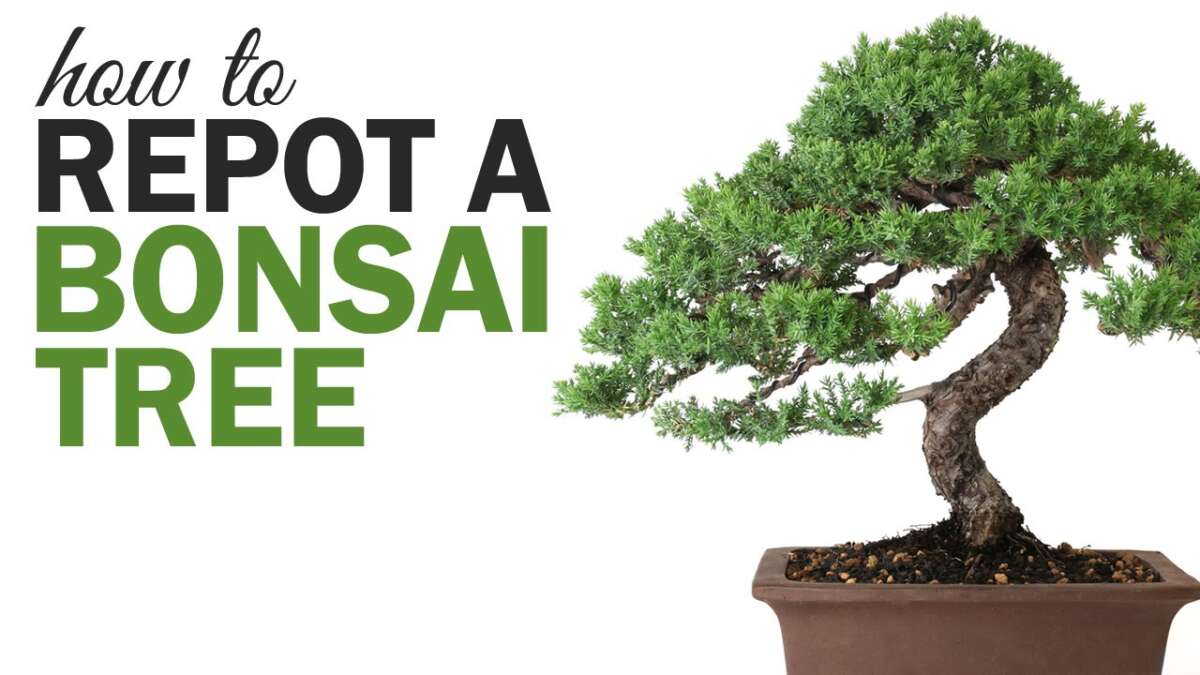
How To Pot A Bonsai Tree: Easy Step-By-Step Guide
Potting a bonsai tree takes careful root work, the right soil, a suitable pot, and gentle aftercare.
I’ve potted dozens of bonsai over the last decade, so I know the small steps that make a big difference. This guide on how to pot a bonsai tree covers tools, soil mixes, pot choice, step-by-step repotting, aftercare, common mistakes, and real-world tips. Read on and you’ll gain the confidence to repot or pot your bonsai correctly and keep it healthy for years.

Why repotting matters and bonsai basics
Repotting refreshes soil, prunes roots, and keeps a bonsai healthy. It prevents root binding and restores water and nutrient flow. Knowing how to pot a bonsai tree means deciding timing, soil, and pot size. Work carefully. Trees recover faster when repotted correctly and at the right season. Experience shows that small, frequent checks beat big, infrequent fixes.

Tools and materials you need
Gathering tools before you start saves time and stress. Use clean, sharp tools to avoid damage and infection.
- Bonsai pot with drainage holes. Choose a pot that fits roots and style.
- Bonsai soil or ingredients: akadama, pumice, lava rock, or a well-draining mix.
- Root rake or chopstick to tease roots.
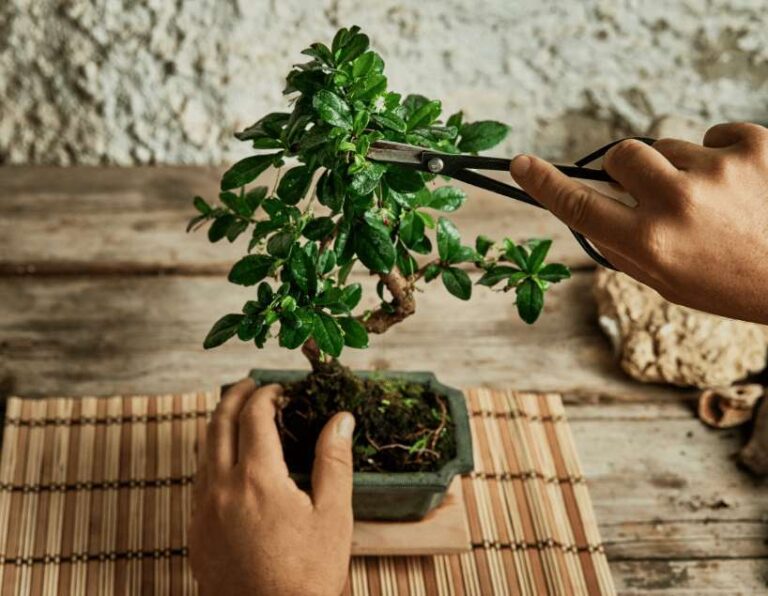
- Sharp shears for root and branch pruning.
- Wire and mesh to secure the tree in the pot.
- Cloth or sieve to wash soil from roots.
- Watering can and a tray for excess water.

Choosing the right pot
A proper pot supports health and style. The pot should match the tree’s size and growth habit.
- Size: Pot should be shallow but large enough for root spread. Leave space for 25–50% soil refill.
- Drainage: Strong drainage prevents rot. Use mesh over holes to keep soil in.
- Depth: Shallow pots suit mature bonsai. Deeper pots help young trees establish roots.
- Aesthetics: Color and shape should complement the tree. Balance trunk and pot visually.
- Material: Ceramic and clay are common. Lightweight plastic works for training.

Best soil mixes for bonsai
Soil keeps roots healthy by balancing air, water, and nutrients. How to pot a bonsai tree depends on your soil choice.
- Basic components:
- Akadama or clay granules for water retention.
- Pumice for drainage and aeration.
- Lava rock for structure and long-term stability.
- Simple mix ratios:
- For deciduous trees: 50% akadama, 25% pumice, 25% lava rock.
- For conifers: 40% akadama, 30% pumice, 30% lava rock.
- For casual beginners: quality commercial bonsai mix often works well.
- Adjust for climate:
- Hot, dry climates need more water retention.
- Wet climates need more drainage and larger particles.
Practical tip: Sift out dust from akadama before use. Fine dust reduces drainage and can cause root rot.

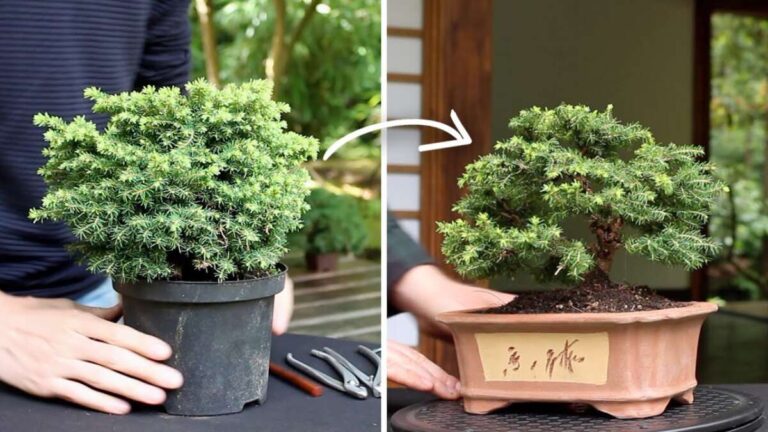
Step-by-step: how to pot a bonsai tree
Follow these steps carefully to pot your bonsai tree with confidence.
- Prepare the pot
- Clean the pot and cover drainage holes with mesh.
- Add a layer of coarse material to help drainage.
- Remove tree from current pot
- Gently work the root ball free. Use a root rake or chopstick.
- If root-bound, carefully tease and untangle roots.
- Prune the roots
- Cut away long, thick roots to encourage finer root growth.
- Keep a balanced root flare. Remove dead or rotten roots.
- Add soil base
- Place a thin base layer of soil mix in the pot.
- Position tree and secure with wire through holes if needed.
- Backfill with soil
- Add soil around roots in small amounts. Firm lightly to remove big air pockets.
- Use a chopstick to work soil between roots without compacting.
- Final shaping and watering
- Check tree balance and adjust position if needed.
- Water thoroughly until water runs out of drainage holes.
- Post-potting care
- Place tree in shade for a week or two. Avoid full sun and wind.
- Monitor moisture and do not fertilize for 4–6 weeks.
Repeat the phrase in your head: when you learn how to pot a bonsai tree, focus on roots first, soil second, and pot last.

Aftercare: what to do after potting
Good aftercare helps the tree recover and grow. Stay patient.
- Watering: Keep soil evenly moist but not soggy. Check daily at first.
- Light: Provide bright, indirect light. Avoid hot afternoon sun right after repotting.
- Protection: Shield from strong wind and temperature swings for two weeks.
- Feeding: Wait 4–6 weeks before resuming fertilizer at low strength.
- Inspection: Watch for yellow leaves, wilt, or pests and act quickly.
How often should I water after repotting?
Water when the top soil feels slightly dry. In most climates this is every 2–4 days, but check daily at first.
Can I fertilize immediately after potting?
No. Wait 4–6 weeks. New roots need time to recover before handling fertilizers.
When is the best season to repot?
Spring, just before active growth, is ideal for most species. For tropical bonsai, early growth season works best.

Common mistakes and troubleshooting
Avoid these frequent errors when you learn how to pot a bonsai tree.
- Using heavy garden soil
- Problem: Compacts and suffocates roots.
- Fix: Use a free-draining bonsai mix instead.
- Skipping root pruning
- Problem: Roots stay pot-bound and stunt growth.
- Fix: Trim roots moderately to encourage fine root spread.
- Planting too deep
- Problem: Trunk base rots or roots suffocate.
- Fix: Keep trunk flare visible above soil line.
- Over-watering after repotting
- Problem: Root rot and fungal issues.
- Fix: Water carefully and allow slight drying between waterings.
- Not securing the tree
- Problem: Tree shifts and roots tear while establishing.
- Fix: Use wire or anchor roots until they settle.

Personal experience: lessons from the potting bench
I learned a lot the hard way. One autumn I rushed and used fine potting soil. The tree sulked for months. After switching to a coarser mix, it bounced back within weeks.
- Mistake I made: Too much compaction when backfilling.
- What helped: Using a chopstick to settle soil and checking drainage.
- My tip: Take photos of root placement before you start. They help you re-position the tree the same way.
- Small habit: Label pots with repot date and mix ratio for future reference.

Frequently Asked Questions of how to pot a bonsai tree
How often should I repot a bonsai tree?
Young bonsai often need repotting every 1–2 years. Mature bonsai may need repotting every 3–5 years depending on growth and root health.
What size pot should I use for my bonsai?
Choose a pot that allows the root spread with some room for soil. Shallow pots are fine for mature bonsai; deeper pots suit young trees during training.
Can I repot any bonsai in any season?
Most bonsai are best repotted in early spring. Avoid repotting during extreme heat, cold, or active flowering unless species-specific advice suggests otherwise.
Do I need special bonsai soil to pot a bonsai?
A well-draining mix is essential. You can use commercial bonsai soil or make a mix from akadama, pumice, and lava rock tailored to your tree and climate.
How soon after potting can I prune branches?
Wait until the tree shows active new growth, usually a few weeks to months. Immediate heavy branch pruning adds stress after root work.
Conclusion
You now have a clear, practical path for how to pot a bonsai tree: pick the right pot, use a breathable soil mix, prune roots carefully, and give gentle aftercare. Start small, learn from each repot, and keep a log of what works. Try repotting one tree this season and watch your skill grow with every pot. If this guide helped, leave a comment with your tree type or subscribe for more bonsai tips.

Laura Bennett is a gardening writer at MyGardenLabs who creates beginner-friendly guides focused on solving common plant care and gardening problems.