Are Bonsai Trees Hard To Grow: Easy Tips For Beginners
Most bonsai trees are not inherently hard to grow; they need steady care, not miracles.
I’ve worked with bonsai for over a decade and coached many beginners. If you’re wondering are bonsai trees hard to grow, this guide breaks it down clearly. I’ll explain the real work behind bonsai care, common pitfalls, and practical steps that make success likely. Read on to learn what to expect, what to do, and how to enjoy bonsai without stress.

Why many people ask: are bonsai trees hard to grow?
Bonsai carry a myth of rare skill and constant fuss. That makes new growers hesitate. In truth, the question are bonsai trees hard to grow comes from a mix of myth and selective storytelling. People see dramatic displays and assume constant, delicate work. The reality is simpler: bonsai require steady attention and learning, not perfection.
:max_bytes(150000):strip_icc()/indoor-bonsai-tree-f3f558eb4fab4c07bb17e41bdaa9adf4.jpg)
What basic care really looks like
Answering are bonsai trees hard to grow means knowing the core tasks. These tasks are routine, predictable, and become second nature.
- Watering: Check daily in warm weather; water when the topsoil feels slightly dry. Proper watering keeps roots healthy.
- Light: Most bonsai need bright light. Match species to indoor or outdoor light needs.
- Pruning: Trim new growth monthly to shape and balance. Pruning is skill, not a mystery.
- Soil and drainage: Use fast-draining bonsai mix to avoid root rot. Repot every 1–3 years depending on species and growth.
- Feeding: Use a balanced fertilizer during the growing season to maintain vigor.
- Pest and disease checks: Inspect your tree weekly and treat early.
From my experience, learning a simple care rhythm cuts stress. When you ask are bonsai trees hard to grow, think routine, not constant crisis.
 mistakes and how to avoid them”
style=”max-width: 100%; height: auto; border: 2px solid black; border-radius: 10px; display: block; margin: 0 auto;”
loading=”lazy”
/>
Common beginner mistakes and how to avoid them
Beginners often assume bonsai are fragile. These errors make care harder than it needs to be.
- Overwatering: Roots breathe poorly in soggy soil. Water less, check soil moisture.
- Underwatering: Small pots dry fast. Check soil more often in heat.
- Wrong light: Indoor species differ from outdoor ones. Pick the right species.
- Wrong pot or soil: Cheap garden soil retains too much water. Use bonsai mix and proper pots.
- Too much pruning early: Wait until the tree is healthy. Shape slowly over seasons.
I killed a juniper by pruning too aggressively my first year. I learned to prune less and observe more. That lesson alone shifted my view of are bonsai trees hard to grow toward manageable.
Step-by-step beginner plan to grow a bonsai
If you wonder are bonsai trees hard to grow, follow this simple plan. Each step builds confidence.
- Choose an easy species suited to your climate.
- Get a healthy sapling or starter bonsai.
- Use a proper bonsai soil mix and a shallow pot with good drainage.
- Place the tree in its ideal light spot.
- Water consistently and check soil moisture every few days.
- Feed with a mild fertilizer during the growing season.
- Prune small amounts, observe results, repeat slowly.
Stick with this plan for 6–12 months before making big styling changes. The question are bonsai trees hard to grow becomes less scary with a plan.

Choosing the right bonsai for beginners
One big reason people ask are bonsai trees hard to grow is species choice. Some trees forgive mistakes. Start with forgiving species.
- Ficus: Good for indoor light and forgiving of watering hiccups.
- Juniper: Hardy outdoor tree, tolerant of pruning and styling.
- Chinese Elm: Adapts well to indoor or outdoor settings, strong growth.
- Serissa and Schefflera: Common indoor starters with manageable needs.
Match species to your climate and home. If you live in a cold zone, pick outdoor-hardy trees. If you want indoor bonsai, pick true indoor species. Choosing right reduces work and answers are bonsai trees hard to grow before it even starts.

Costs, time commitment, and realistic expectations
Many think bonsai are expensive and time-consuming. That can be true for show trees, but not for learning trees.
- Initial cost: $20–$100 for a starter tree and basic tools.
- Ongoing cost: Potting mix, fertilizer, and occasional tools under $50 yearly.
- Time: 10–30 minutes a few times a week for basic care; more time for styling.
If you ask are bonsai trees hard to grow because of money or time, know you can start small. Simple care habits deliver healthy results without big expense.
Benefits of growing bonsai and why the effort pays off
Understanding are bonsai trees hard to grow also means seeing the rewards. Bonsai offer steady benefits for the time you invest.
- Stress relief: Caring for a tree calms the mind and gives focus.
- Learning: You pick up botany, pruning skills, and patience.
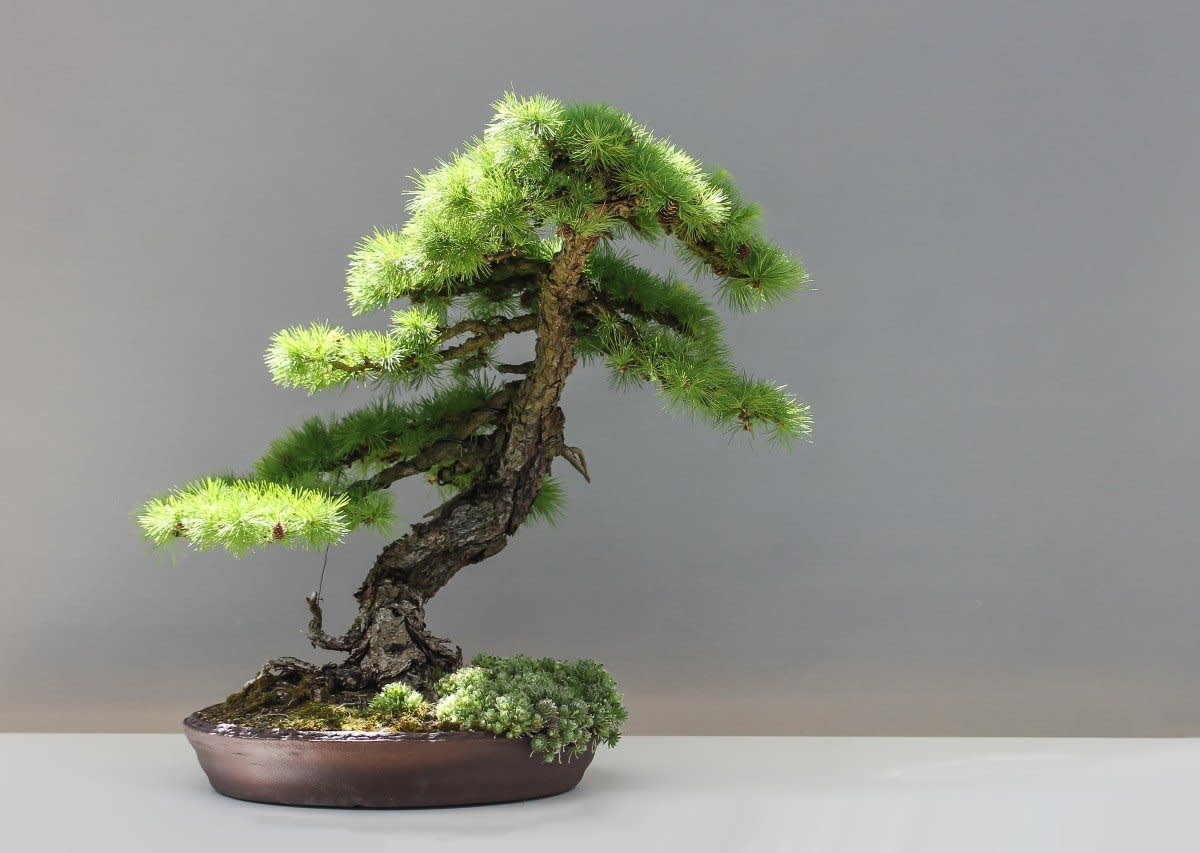
- Beauty: A healthy bonsai is a living art piece that evolves with you.
From my experience, the quiet satisfaction of a thriving bonsai outweighs the small effort it takes to care for it. That keeps me growing trees season after season.

PAA-style quick questions
Q: Will my bonsai die if I forget once?
A: Missing one watering is rarely fatal for most species. Rehydrate soil slowly and watch recovery.
Q: Do bonsai need sunlight every day?
A: Yes, they need bright light most days. Adjust placement by species and season.
Q: Can beginners prune right away?
A: Light pruning is fine, but major reshaping should wait until the tree is healthy and established.
Q: Are indoor bonsai easier than outdoor?
A: Not always. Indoor bonsai need consistent light and humidity. Outdoor bonsai follow natural cycles and can be easier in some climates.
Q: How long before a bonsai looks good?
A: Expect months to years. Basic health shows in weeks; refined styling takes time.
Frequently Asked Questions of are bonsai trees hard to grow
What makes bonsai different from regular houseplants?
Bonsai live in small pots and need frequent monitoring of water, light, and root health. Their small root space makes care more precise, but not more difficult.
How often should I water a bonsai?
Water when the top soil feels slightly dry. In warm months check daily; in cool months you may water less. The pot size and species change the schedule.
Can I keep any tree as a bonsai?
Most trees can be trained as bonsai, but success depends on species, climate, and care. Start with species known to be beginner-friendly.
Do bonsai need special soil?
Yes. Bonsai soil drains well and supports healthy root systems. Regular garden soil often holds too much water.
Is bonsai a long-term commitment?
Yes. Bonsai can live decades with proper care. They reward steady attention and can become a family legacy.
Will my bonsai survive indoor heating and air conditioning?
Indoor climate control can dry soil and air. Use humidity trays and adjust watering to cope with dry indoor air. Choose species that tolerate indoor conditions.
How do I know when to repot my bonsai?
Repot every 1–3 years for young trees and 3–5 years for older trees, when roots fill the pot or soil breaks down. Repotting in spring is common for many species.
Conclusion
Are bonsai trees hard to grow? Not if you treat them like small living projects. They need steady care, the right species, and patience more than perfection. Start with a simple plan, learn from small mistakes, and build habits that fit your life. Try a forgiving species, follow the basics, and enjoy the process—your first healthy bonsai is closer than you think. If this helped, try a starter tree, subscribe for more tips, or share your bonsai story in the comments.

Laura Bennett is a gardening writer at MyGardenLabs who creates beginner-friendly guides focused on solving common plant care and gardening problems.