How To Replant A Bonsai Tree: Step-By-Step Tips
Repot by pruning roots, refreshing bonsai soil, and placing the tree correctly in its new pot.
I’ve replanted dozens of bonsai over more than a decade, and I’ll walk you step-by-step through how to replant a bonsai tree so it thrives. This guide combines practical experience, clear photos in your mind, and reliable horticultural principles to help you repot confidently and avoid common mistakes.

When and why to replant a bonsai tree
Replanting, also called repotting, keeps roots healthy and soil active. You replant when roots crowd the pot, soil breaks down, or watering no longer drains properly. Most deciduous bonsai need repotting every 1–3 years; pines and slower growers may need it less often.
Signs it’s time:
- Roots circling at the drainage holes.
- Water runs off quickly or pools on top.
- Growth slows or the tree looks stressed after growing season.
Why repot matters:
- Fresh soil restores nutrients and aeration.
- Root pruning keeps the root-to-canopy balance healthy.
- Moving to a larger or cleaned pot prevents root rot and pests.
My experience: I once delayed repotting a maple for three years. Roots filled the pot and watering became erratic. After repotting and root pruning it recovered within a season. That taught me to watch root signs, not just the calendar.

Tools and materials you’ll need
Use the right tools for clean cuts and safe handling. Gather everything before you start to reduce stress to the tree.
Essential items:
- Bonsai pot or temporary container sized for the tree.
- Fresh bonsai soil (well-draining mix of akadama, pumice, and lava or an equivalent blend).
- Root rake, chopstick, or small fork to tease roots.
- Sharp bonsai shears and concave cutters for clean pruning.
- Wire for anchoring the tree if needed.
- Mesh for drainage holes and fresh water for rinsing roots.
Optional helpful items:
- Root hormone for fragile species.
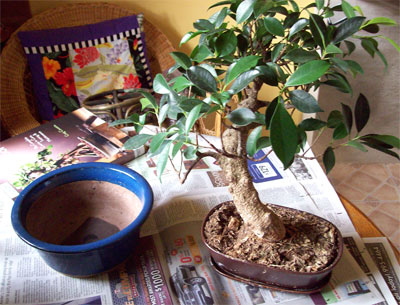
- A work tray or newspaper to keep the workspace tidy.
- Gloves to protect hands during heavy root work.
From experience, a clean, sharp cutter makes all the difference. Dull tools bruise roots and slow recovery.

Step-by-step: how to replant a bonsai tree
This section covers a clear, repeatable routine. Read through the steps before you begin.
- Prepare and time the repotting
- Choose the right season. For most species, repot in early spring just before bud burst. For tropicals, repot in late winter or early spring when growth resumes.
- Water the tree a day before to make root ball removal easier.
- Remove the tree from its pot
- Gently loosen the soil around the pot edge.
- Turn the pot on its side and slide the tree out, supporting the trunk. If roots are stuck, carefully run a blade around the pot’s inner rim.
- Inspect and prune roots
- Remove old soil with a root rake or chopstick. Work gently to expose the root structure.
- Trim unwanted roots: cut long, circling, or thick downward roots. Keep fine feeder roots. Aim to reduce root mass by about 20–30% for mature trees; younger trees can handle a larger reduction.
- Sterilize cuts if disease is present. Avoid over-pruning two critical parts at once: heavy root reduction and heavy top pruning.
- Prepare the new pot and soil
- Place mesh over drainage holes and add a thin layer of coarse material for drainage.
- Add fresh bonsai soil to the base to set the tree at the correct planting height.
- Position and anchor the tree
- Place the tree so the nebari (root flare) sits slightly above the soil surface.
- Use wire through drainage holes to secure the tree if it’s top-heavy or slightly loose.
- Fill around roots with soil, pressing gently to remove large air pockets. Avoid compacting the soil too tightly.
- Initial watering and placement
- Water thoroughly until water drains freely from the bottom.
- Place the bonsai in a shaded area for 1–2 weeks to reduce transplant shock, then gradually reintroduce it to its normal light conditions.
Practical tip: Photograph the bonsai before repotting to remember orientation and design. I’ve saved many hours by checking a quick photo.

Soil mixes and species-specific notes
Soil choice affects drainage, root health, and watering frequency. Match soil to species and climate.
General mixes:
- Fast-draining mix for conifers and pines: higher pumice/lava ratio.
- Water-retentive mix for broadleaf and tropical bonsai: more akadama or organic component.
- Uniform particle sizes help roots grow evenly.
Species tips:
- Maples prefer slightly moisture-retentive mixes and repotting every 1–2 years.
- Junipers like very free-draining soil and less frequent repotting.
- Tropical bonsai may be repotted year-round but do best when growth is active.
From practice, adjusting soil by small percentages has big effects. If a tree dries too fast, add more organic component. If it stays soggy, increase grit.

Aftercare: watering, feeding, and monitoring recovery
Good aftercare helps the bonsai recover quickly after replanting.
Watering:
- Keep soil evenly moist but not waterlogged for the first 2–4 weeks.
- Avoid strong fertilizer for 4–6 weeks until roots reestablish.
Feeding:
- Resume light feeding after the initial recovery period.
- Use slow-release or diluted liquid fertilizer during the growing season.
Monitoring:
- Watch for yellowing leaves, sudden leaf drop, or slow new growth—signs of transplant shock or root issues.
- Check drainage and adjust watering as the tree settles.
Personal note: I mark repot dates on a calendar. It helps me track recovery and plan the next feeding. That small routine reduces guesswork.

Common problems and troubleshooting
Even careful repotting can cause issues. Here’s how to troubleshoot quickly.
Problem: Tree wilts after repotting
- Cause: Root damage or poor watering. Action: Move to shade, water gently, and reduce stress. Avoid pruning foliage right after heavy root work.
Problem: Roots rot or smell bad
- Cause: Poor drainage or compacted soil. Action: Remove from pot, trim rotten roots, replace with a well-draining mix.
Problem: New growth slow or sparse
- Cause: Root balance or nutrient deficiency. Action: Ensure correct soil, light, and resume gentle feeding once new roots form.
Mistakes to avoid:
- Waiting too long to repot when roots bind the pot.
- Using garden soil that compacts.
- Pruning too many roots and too much foliage at the same time.
From my first repotting mistakes, the worst was compacting soil; recovery took two seasons. Keep soil loose and let roots re-knit naturally.
Frequently Asked Questions of how to replant a bonsai tree
How often should I replant my bonsai tree?
Most bonsai need repotting every 1–3 years, depending on species and growth rate. Rapid growers like maples need more frequent attention than slow growers like pines.
What is the best season to replant a bonsai tree?
Early spring, just before new growth, is ideal for temperate species. Tropical bonsai can be repotted when they enter an active growth phase.
How much root should I prune when repotting?
Aim to remove about 20–30% of the root mass for mature trees and more for young trees to encourage new feeder roots. Avoid extreme root removal on unhealthy or stressed trees.
Can I use regular potting soil to replant a bonsai tree?
No, regular potting soil often compacts and holds too much water for bonsai. Use a well-draining bonsai mix with coarse particles for healthy roots.
How soon can I fertilize after repotting?
Wait 4–6 weeks to allow roots to heal. Start with a diluted fertilizer and increase as the tree resumes normal growth.
Conclusion
Replanting a bonsai tree keeps it healthy and balanced. Follow the steps: choose the right time, prepare tools and soil, lift and inspect roots, prune carefully, position and secure, then care gently during recovery. Start small, learn from each repot, and track what works for your species and climate. Try repotting one bonsai this season and note the differences in growth and vigor—your patience will pay off. Share your questions or experiences below, and consider subscribing for more practical bonsai tips.

Laura Bennett is a gardening writer at MyGardenLabs who creates beginner-friendly guides focused on solving common plant care and gardening problems.