How To Care For Juniper Bonsai Indoors: Easy Care Guide
Place your juniper bonsai outdoors in bright light, with careful watering, airflow, and a cool winter rest.
Juniper bonsai are beautiful, hardy trees, but they are not naturally indoor plants. Learning how to care for juniper bonsai indoors means copying outdoor conditions as closely as possible while understanding one key limit: a juniper needs strong light, fresh air, and seasonal dormancy to stay healthy. This guide explains the right setup, daily care, common mistakes, and signs of trouble so you can protect your tree for years.
Can a juniper bonsai live indoors?
A juniper bonsai can survive indoors for a short time, but it usually cannot thrive inside all year. Junipers are outdoor conifers that need direct sun, moving air, temperature changes, and a cold winter rest. A warm room with low light may keep the tree green for a while, yet hidden stress can build slowly.
The best place for most juniper bonsai is outdoors on a balcony, patio, porch, or sheltered garden bench. It should receive several hours of direct sunlight each day and protection from extreme wind, intense heat, and deep frost.
If you must keep the tree indoors, treat it as a temporary arrangement. Place it near the brightest window, use a strong grow light, improve airflow, and plan a cool winter period. This approach improves the odds, but it does not fully replace outdoor growing.
My first major lesson with juniper bonsai was that green needles do not always mean a healthy tree. Junipers can remain green for weeks after their roots have suffered from poor light or excess water. By the time the foliage turns brown, the damage may be serious.
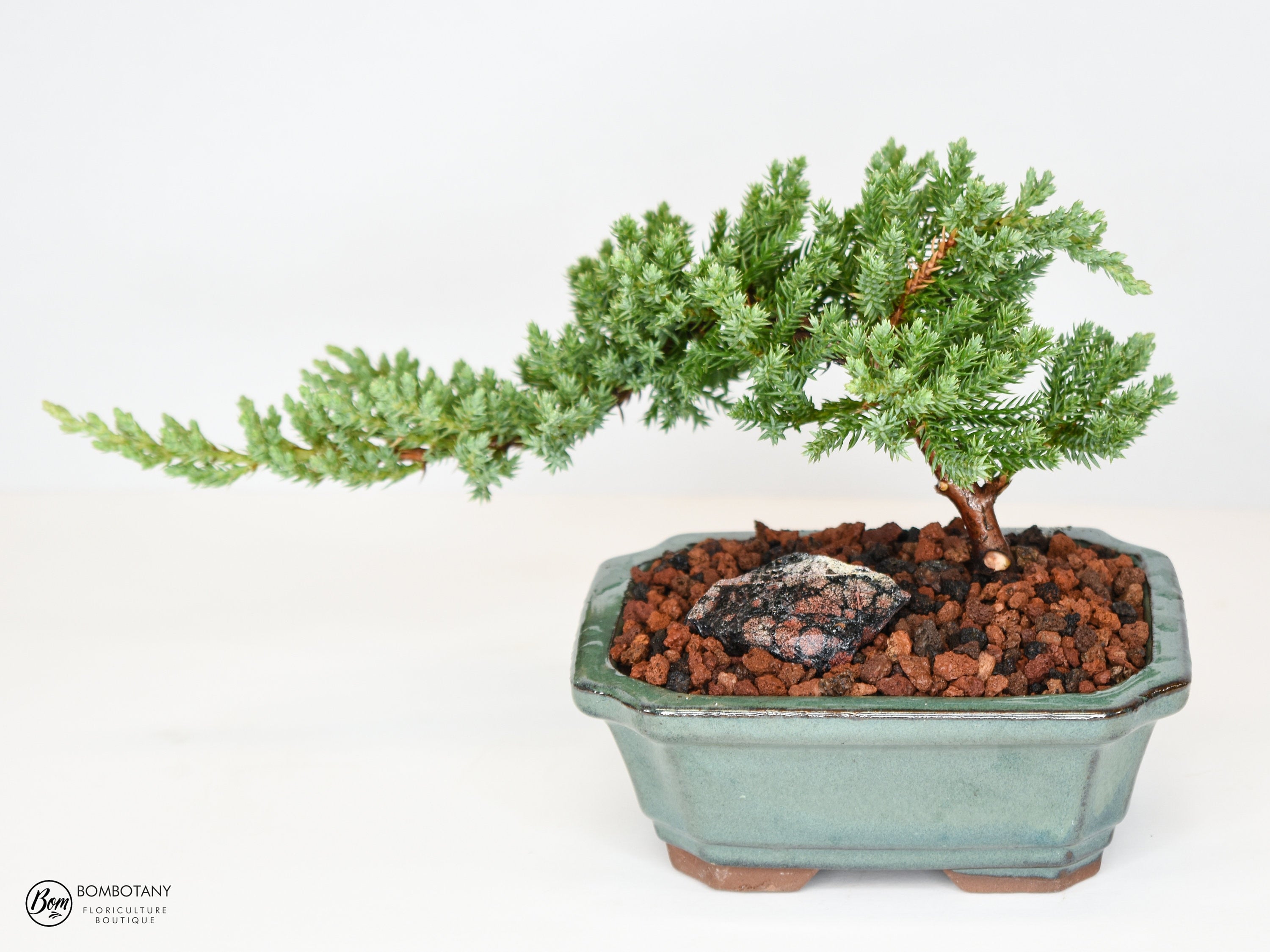
Choose the right indoor location
Location is the foundation of how to care for juniper bonsai indoors. A bright windowsill is helpful, but window glass can reduce light and create sharp temperature swings. An east or south-facing window often works best in the Northern Hemisphere, provided the tree does not overheat.
Keep the bonsai close to the window without allowing its foliage to touch cold glass. A few inches of space can reduce cold damage and improve air movement. Turn the pot a quarter turn each week so one side does not grow much faster than the other.
Good indoor locations include:
- A sunny south-facing room with steady airflow
- A bright east-facing window with morning sun
- A cool sunroom that does not freeze
- A plant shelf with a full-spectrum grow light
- An enclosed porch with protection from severe weather
Avoid these locations:
- Dark corners
- Rooms heated by a radiator or furnace
- Areas beside air-conditioning vents
- Kitchens with heavy steam and temperature changes
- Rooms where pets may chew the branches or foliage
A small fan can help in a closed room. Use it on a low setting and let air move around the tree, not blast directly at it. Good airflow lowers stagnant humidity and helps the foliage dry after watering.

Provide enough light
Light is often the hardest part of indoor juniper bonsai care. Outdoors, junipers may receive intense sunlight for much of the day. Indoors, even a bright window can provide far less usable light.
Aim for at least four to six hours of direct sun when possible. If the tree receives weak winter light or sits several feet from a window, add a full-spectrum LED grow light. Keep the light close enough to be useful, but follow the manufacturer’s distance guide to prevent heat stress.
- Place the grow light above the canopy.
- Run it for about 10 to 14 hours during the growing season.
- Use a timer for a steady daily cycle.
- Keep the light off at night.
- Check the foliage for bleaching, heat, or dry tips.
Pale new growth, long spaces between shoots, and weak branches often point to insufficient light. Brown tips can result from several problems, including root damage, dry soil, salt buildup, or low humidity, so do not assume light is the only cause.
Do not rely on a standard household bulb. A regular lamp may brighten a room without giving the tree the right intensity or spectrum for strong growth.

Water a juniper bonsai correctly
Watering is central to how to care for juniper bonsai indoors. The goal is not to keep the soil wet. The goal is to keep the root ball evenly moist while allowing excess water to drain away.
Check the soil every day or two. Push a wooden chopstick or your finger about half an inch into the surface. Water when the upper layer feels slightly dry, while the deeper root area still has some moisture.
When watering, follow these steps:
- Move the bonsai to a sink or tray.
- Apply water slowly across the entire soil surface.
- Stop when water flows from the drainage holes.
- Wait a minute and water again.
- Empty the saucer so the pot never sits in standing water.
A juniper may need water daily during hot, bright weather. In a cool room with low light, it may need water only every few days. Always check the soil instead of following a fixed calendar.
Overwatering does not simply mean giving too much water at once. It usually means watering too often, using soil that drains poorly, or leaving the roots in a full saucer. These conditions remove oxygen from the root zone and can lead to root rot.
Underwatering causes dry, brittle foliage and shrinking soil. However, brown foliage may appear weeks after the original stress. That delay makes it important to review the tree’s care over time, not just the day symptoms appear.
Use well-draining bonsai soil
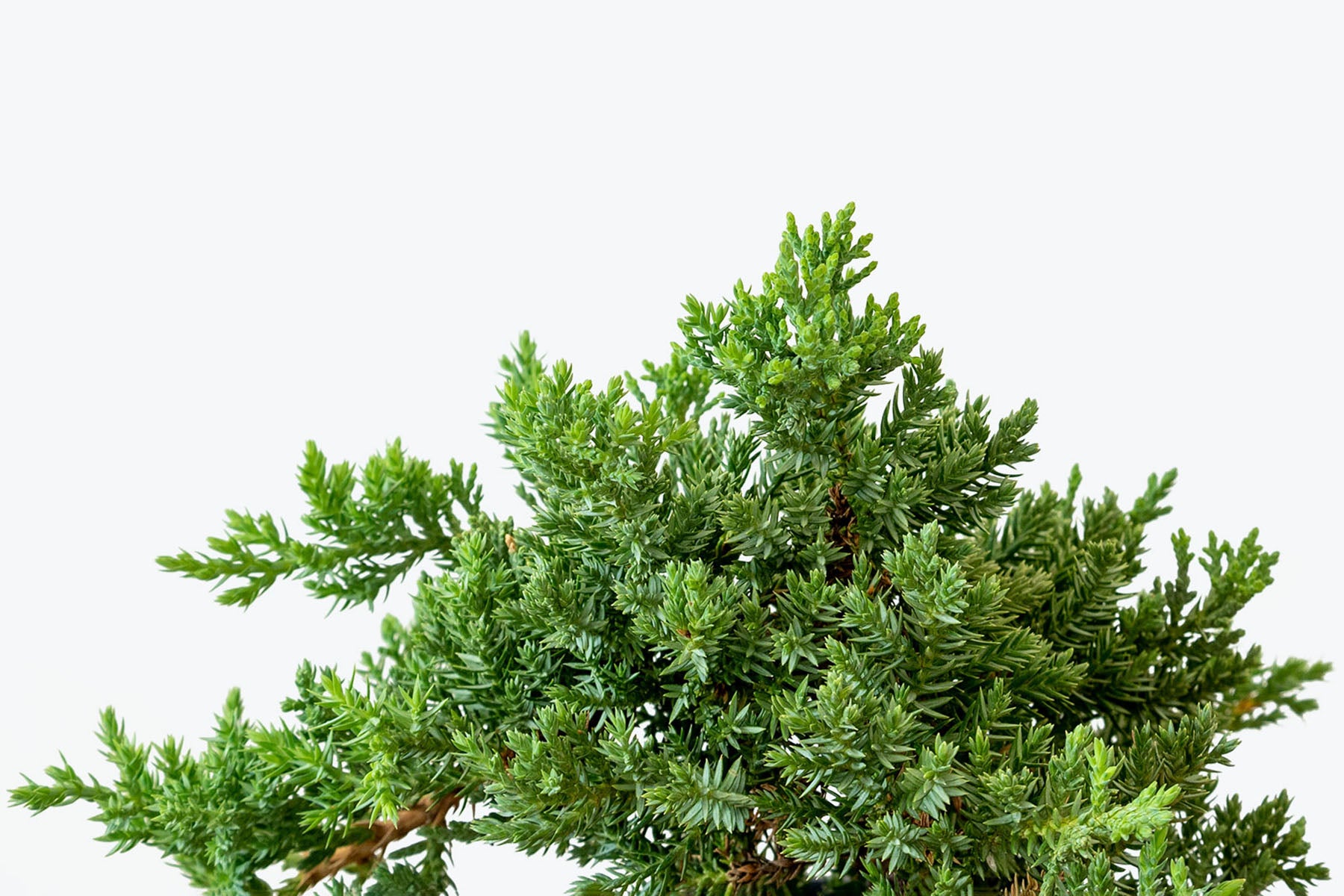
Juniper bonsai need a loose, fast-draining soil mix. Standard garden soil or dense houseplant soil can hold too much water around the roots. A quality bonsai mix often contains materials such as akadama, pumice, lava rock, expanded shale, or coarse bark.
The exact mix can vary with climate and watering habits. In a humid home, use more mineral material. In a very dry home, a mix with a little more moisture-holding content may be useful.
A suitable soil should:
- Drain freely after watering
- Hold enough moisture for the roots
- Allow air to reach the root system
- Resist collapsing into a muddy mass
- Fit the tree and pot size
The pot must have open drainage holes. Never place a bonsai in a decorative container without checking that water can escape. If you use a cachepot, remove the tree from it before watering and let the pot drain fully.
Repotting is best done in early spring, just before strong growth begins. Do not repot a weak, recently purchased, or severely stressed juniper unless the soil has become dangerous and water cannot drain. Root pruning should be modest because junipers recover slowly from major root loss.

Maintain temperature and winter dormancy
A cool winter rest is one of the most important parts of how to care for juniper bonsai indoors. Shorter days and lower temperatures help the tree enter dormancy. Without this rest, the tree may weaken over time.
When possible, keep the juniper outdoors through the year. Protect the pot from hard freezes because bonsai roots are more exposed than roots in the ground. In very cold areas, place the pot in an unheated garage, cold frame, or sheltered area once severe freezing begins.
If the tree must stay indoors, use the coolest bright space available. A temperature around 35 to 50 degrees Fahrenheit during winter is often more suitable than a warm living room. Keep it away from heaters and do not place it beside a heat vent.
Do not move a winter-resting juniper directly from freezing outdoor weather into a hot room. Make changes gradually. Sudden shifts can cause moisture loss, premature growth, or shock.
A juniper that grows indoors all winter may produce weak shoots. It may also become more vulnerable to pests and disease. This is a major limitation of keeping a juniper bonsai indoors, even when other care seems correct.
Fertilize during active growth
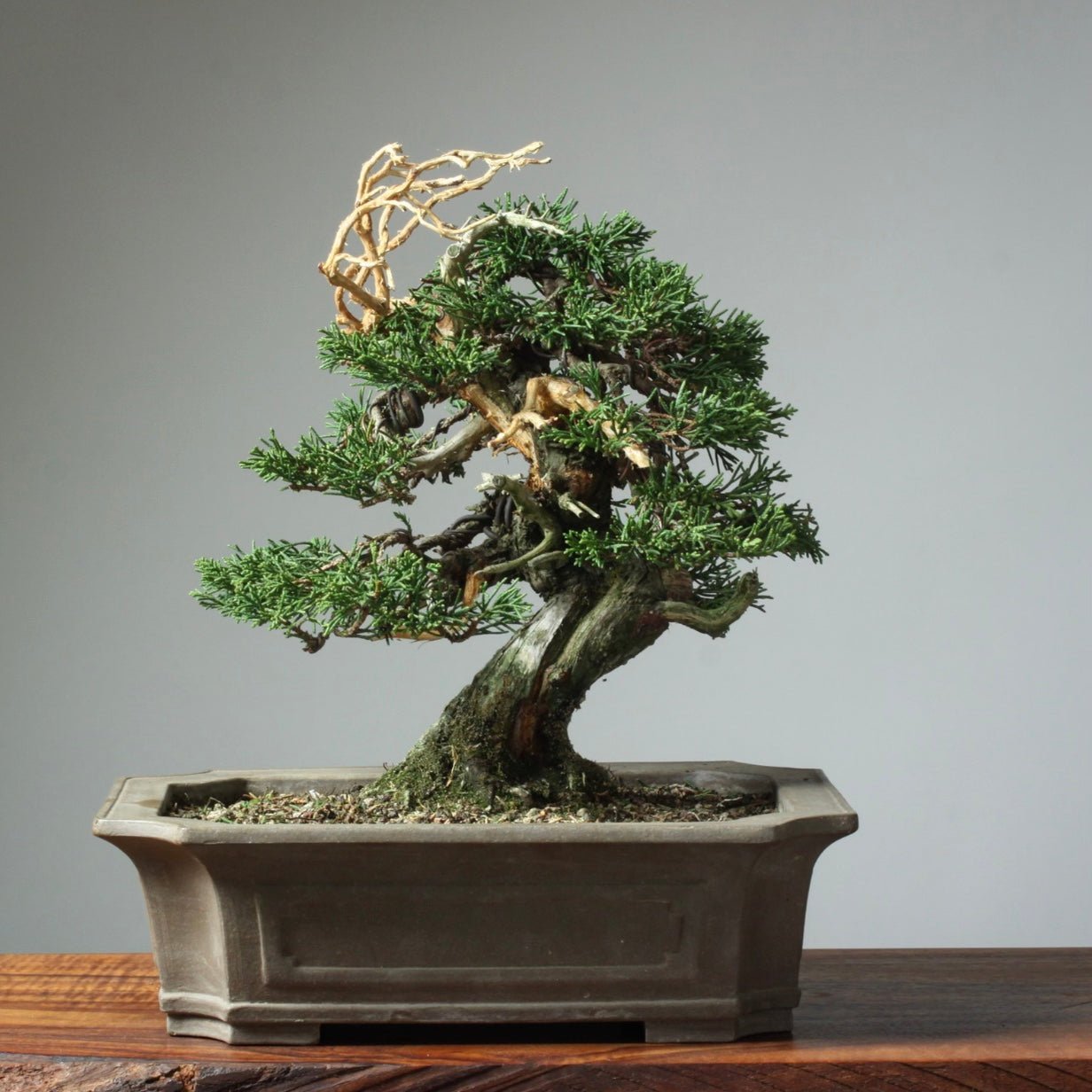
Fertilizer supports healthy shoots, roots, and foliage, but it cannot fix poor light or damaged roots. Feed a healthy juniper during active growth, usually from spring through early fall.
Use a balanced, slow-release bonsai fertilizer or a diluted liquid fertilizer. Follow the product label carefully. More fertilizer does not produce a better bonsai. Excess salts can damage fine roots and cause brown needle tips.
A simple feeding plan includes:
- Feed during active growth.
- Reduce or stop feeding during winter dormancy.
- Water the soil before applying liquid fertilizer if it is very dry.
- Flush the soil with clean water from time to time.
- Avoid feeding a newly repotted or sick tree until it shows recovery.
Yellowing foliage can result from low light, root problems, nutrient issues, or natural aging. Diagnose the growing conditions first. Fertilizer should be a measured tool, not a rescue treatment.

Prune and shape with care
Juniper bonsai respond well to careful pruning, but they do not reliably produce new growth from old, bare wood. This rule matters. If you cut a branch back beyond all living green shoots, that section may never fill in again.
Use clean, sharp bonsai scissors for small shoots. Remove dead, weak, crossing, or unwanted growth. Pinch or trim strong shoots during the growing season while leaving enough green foliage to support the branch.
Avoid stripping all the tips from a branch at once. A juniper needs foliage to create energy through photosynthesis. Heavy pruning can weaken the tree, especially when it is already dealing with low indoor light.
Wiring can shape young branches, but inspect the wire often. Juniper branches may thicken quickly during active growth, and wire can leave deep marks. Remove wire before it cuts into the bark.
In my own early bonsai work, I made the mistake of pruning for appearance before checking the tree’s strength. The shape looked neat, but the tree had poor light and weak growth. Now I improve the growing conditions first and prune second.
:max_bytes(150000):strip_icc()/growing-juniper-bonsai-508312-01-d20b5d68bd784efd8a8ccfe8474c685b.jpg)
Watch for pests and disease
Indoor juniper bonsai can attract spider mites, scale insects, aphids, and fungal problems. Dry air and poor airflow often increase pest stress, while wet foliage and saturated soil can support disease.
Inspect the tree once a week. Look under the foliage and along the branches. Fine webbing, speckled needles, sticky residue, cotton-like spots, or small shells may indicate pests.
Useful prevention steps include:
- Keep the foliage clean and dry when possible.
- Improve airflow around the canopy.
- Isolate a sick tree from other plants.
- Remove dead foliage from the soil surface.
- Avoid spraying chemicals in a hot, closed room.
- Read and follow every pesticide label.
A strong spray of water can remove some soft-bodied pests. For larger problems, use a product labeled for the specific pest and plant. Test any spray on a small area first, and never assume a household cleaner is safe for bonsai foliage.
Root rot often appears as dull, gray-green, or brown foliage and a sour smell from the soil. If the pot stays wet for many days, review drainage, watering frequency, and light before treating the foliage.
Create a simple care routine
A regular routine makes how to care for juniper bonsai indoors much easier. The tree does not need constant attention. It needs steady conditions and quick action when something changes.
Use this schedule:
Daily or every other day
- Check soil moisture.
- Look for sudden foliage changes.
- Confirm that the grow light and timer work.
- Check for drafts, heat, or direct contact with cold glass.
Weekly
- Rotate the tree.
- Inspect for pests.
- Remove fallen foliage.
- Check the drainage tray.
- Look for wire marks or broken branches.
Monthly
- Review light levels and growth.
- Flush excess fertilizer salts from the soil.
- Clean dust from nearby surfaces.
- Check whether the tree needs seasonal relocation.
Keep a simple care log. Write down watering dates, fertilizer use, repotting, pruning, and changes in light. This turns guesswork into useful information. It also helps reveal patterns, such as soil drying too slowly after a move.
Common mistakes to avoid
Many problems come from good intentions. People often water a juniper daily because the foliage looks dry, place it in a dim room because it is small, or keep it warm because they want to protect it.
Avoid these common errors:
- Keeping the tree in a dark room
- Watering on a fixed schedule without checking soil
- Letting the pot sit in water
- Using ordinary garden soil
- Misting instead of watering the root ball
- Keeping the tree beside a heater
- Pruning heavily during stress
- Removing all green growth from a branch
- Feeding a sick or recently repotted tree
- Expecting an indoor juniper to behave like a tropical houseplant
Misting may briefly raise surface humidity, but it does not replace proper watering. It can also leave foliage wet without solving dry roots. A humidifier may help a very dry room, but strong light and root health still matter more.
The safest approach is to correct one major issue at a time. Move the tree to better light, then monitor moisture. Avoid changing soil, pruning roots, fertilizing, and applying pesticides all in the same week.
How long can a juniper bonsai stay indoors?
A healthy juniper may tolerate indoor conditions for a short period, such as a few days or several weeks. Long-term indoor growing is risky because homes rarely provide enough direct light, airflow, and winter cold.
If you recently bought a juniper bonsai, ask where it was grown. A tree kept outdoors may suffer if moved suddenly into a warm, dark room. Transition it slowly and watch soil moisture closely.
Some sellers label juniper bonsai as indoor plants because they are sold inside stores. That label often describes the sales location, not the tree’s natural needs. Always check the species and its growing requirements before choosing a permanent spot.
Frequently Asked Questions About How to Care for Juniper Bonsai Indoors
Can I keep a juniper bonsai indoors all year?
You can keep it indoors for limited periods, but year-round indoor care is usually not ideal. Junipers need strong light, fresh air, and a cool winter dormancy, so outdoor placement is healthier when weather allows.
How often should I water an indoor juniper bonsai?
Water when the top layer of soil begins to feel slightly dry. Water deeply until it drains from the holes, then empty the saucer; the schedule may range from daily to every several days.
What is the best window for a juniper bonsai?
A bright south-facing window often provides the most useful light, while an east-facing window can also work well. Add a full-spectrum grow light if the tree receives less than four to six hours of direct sun.
Should I mist my juniper bonsai?
Misting is not required and cannot replace watering the soil. It may offer brief surface moisture, but good light, airflow, and proper root watering are more important.
Why is my juniper bonsai turning brown indoors?
Brown foliage may result from low light, root rot, underwatering, pests, heat, or sudden environmental change. Check the soil, drainage, light, and branches before choosing a treatment.
Does a juniper bonsai need winter dormancy?
Yes, a cool winter rest supports long-term health. Keeping the tree warm and actively growing indoors all winter can weaken it, especially when light levels are low.
Can I use regular potting soil for a juniper bonsai?
Regular potting soil often holds too much moisture in a shallow bonsai pot. Use a coarse, free-draining bonsai mix with good air space around the roots.
Conclusion
The best way to care for juniper bonsai indoors is to provide strong light, careful watering, excellent drainage, fresh air, and a cool winter rest. Remember that a juniper is an outdoor tree first, even when it is sold in a small decorative pot.
Start by improving the location and checking the soil before pruning or feeding. With steady care and realistic expectations, you can enjoy a healthy bonsai and learn what its foliage, roots, and growth are telling you. Share your experience, explore trusted bonsai resources, and keep a simple care log as your tree grows.

Laura Bennett is a gardening writer at MyGardenLabs who creates beginner-friendly guides focused on solving common plant care and gardening problems.