When To Prune A Juniper Bonsai Tree: Best Timing Tips
Prune a juniper bonsai mainly in late winter through early spring, with light maintenance pruning during the growing season.
Knowing when to prune a juniper bonsai tree helps you shape strong branches without weakening the plant. Timing matters because junipers grow slowly, heal gradually, and do not reliably produce new buds from old, bare wood. This guide explains the best pruning seasons, safe methods, common mistakes, and aftercare steps used by experienced bonsai growers.
When to Prune a Juniper Bonsai Tree
The best time to prune a juniper bonsai tree for major shaping is usually late winter or early spring. At this time, the tree is preparing for active growth, but new shoots have not fully opened.
In many parts of the United States, this means pruning from February through April. The exact month depends on your local climate, the juniper species, and whether the tree grows outdoors or in a protected area.
You can also perform light maintenance pruning during spring and early summer. This includes removing unwanted shoots, correcting small changes in the silhouette, and shortening long runners.
Avoid heavy pruning during extreme heat, freezing weather, or periods of drought. A stressed juniper has fewer resources for recovery, so a large cut can lead to dieback.
A useful rule is:
- Perform structural pruning in late winter or early spring.
- Do light foliage maintenance during active growth.
- Avoid major cuts in late summer and fall.
- Never prune a weak, newly repotted, diseased, or badly dehydrated tree.
Why Pruning Time Matters
Junipers are evergreen conifers. They keep their foliage through winter, but their growth still follows seasonal patterns. Pruning at the right time allows the tree to seal wounds and redirect energy more effectively.
A juniper does not usually grow new shoots from old, leafless branches. This is one of the most important facts to understand before you cut. If you remove all green growth from a branch, that branch may never produce foliage again.
Pruning also creates stress. Even a healthy tree needs energy to respond to cuts, produce new growth, and defend damaged tissue. Timing your work around active growth gives the tree a better chance to recover.
Correct pruning can help you:
• Improve the tree’s shape and balance
• Remove crossing, weak, or dead branches
• Increase light and air movement inside the canopy
• Create a clear trunk line
• Develop pads of foliage over time
• Reduce unwanted growth before it becomes thick and difficult to remove
Research and guidance from horticultural extension services support the same basic principle: prune woody plants when the plant can recover well, while avoiding periods of environmental stress. Bonsai requires an even more careful approach because the tree grows in a small amount of soil.

The Best Seasons for Juniper Bonsai Pruning
Late winter
Late winter is often the best time for major structural work. The tree is dormant or nearly dormant, and its branch structure is easy to see.
This season is ideal for removing:
• Large unwanted branches
• Branches that grow straight up or straight down
• Crossing branches
• Weak interior growth
• Unnecessary shoots that disturb the design
Do not prune during a hard freeze. Fresh cuts can suffer damage when temperatures drop sharply. Wait for a mild period, especially if the tree is kept outdoors.
Early spring
Early spring is another excellent period to prune a juniper bonsai tree. Buds begin to swell, and the tree is close to entering a strong growth phase.
This is a good time to refine the structure and shorten selected shoots. It is also easier to see which branches remain healthy after winter.
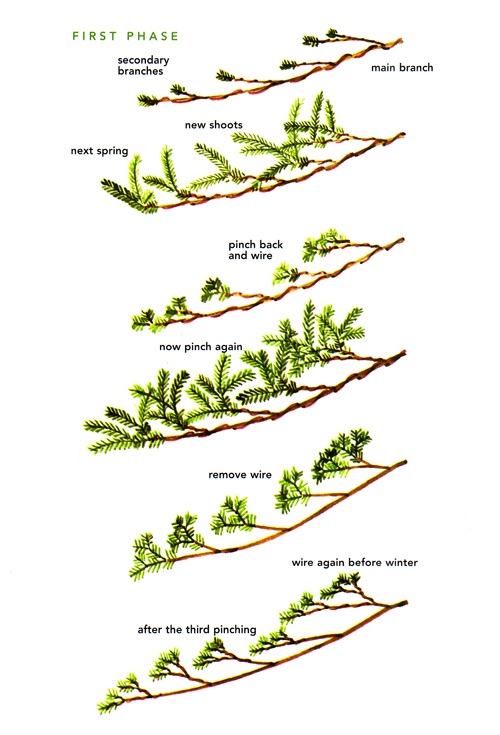
Avoid cutting every green tip at once. Leave enough foliage on each branch to support growth and protect the tree from stress.
Late spring and early summer
Light pruning is safe during active growth. You can pinch or trim overly long shoots and maintain the basic outline.
Use restraint during this period. Repeatedly shearing all the tips can create dense outer foliage while leaving the inner branches weak and shaded. Junipers need careful thinning, not constant clipping.
Late summer and fall
Late summer and fall are usually poor times for heavy pruning. The tree may be slowing down, and new cuts may not heal well before winter.
You can still remove dead twigs or a clearly damaged shoot. Save major design changes for the next late winter or early spring unless an urgent health problem requires action.
Winter
Winter is a rest period for many junipers, but the tree is not completely inactive. Avoid heavy pruning during freezing weather.
You may remove dead material if the weather is mild and dry. However, wiring, repotting, and major pruning together can place too much stress on the tree.
How to Tell If Your Juniper Bonsai Is Ready
The calendar gives you a starting point, but the tree itself provides useful clues. Before you prune, inspect its health, soil, and recent growth.
A healthy juniper usually has:
• Firm, flexible foliage with good color
• No strong smell from the soil
• A stable trunk and root base
• No major pest infestation
• New growth or firm buds during the growing season
• Soil that drains well after watering
Do not prune simply because the tree looks untidy. First ask why it looks untidy. It may need better light, improved watering, or a change in its position.
A juniper kept indoors often struggles because it needs strong light and good air movement. Most juniper bonsai trees should live outdoors year-round, with protection from extreme heat, harsh wind, or severe cold.
If your tree has recently been repotted, wait before pruning. A common guideline is to avoid combining major root work and major branch work in the same season. Let the tree recover from one stressful task before asking it to handle another.
A simple health check can prevent a serious mistake:
- Check the foliage for healthy color.
- Inspect the trunk and branches for pests or damage.
- Test whether water drains freely.
- Look for signs of new growth.
- Delay pruning if the tree is weak or recently disturbed.

How to Prune a Juniper Bonsai Tree Safely
Pruning is more than cutting off long shoots. Each cut changes the tree’s future shape. Work slowly and study the tree from every side before making a decision.
Step 1: Study the tree
Place the juniper at eye level. Turn it slowly and identify the front, trunk line, primary branches, and strongest viewing angle.
Look for branches that compete with the trunk or hide the tree’s natural movement. Imagine the final design before you cut.
Step 2: Remove obvious problems
Start with simple cuts. Remove dead branches, broken twigs, and growth that clearly crosses or rubs against another branch.
Also remove branches that point directly toward the trunk or grow from the same spot in a crowded cluster. These cuts improve structure without forcing you to make difficult design choices at the beginning.
Step 3: Protect important green growth
Keep green foliage on every branch you want to preserve. Do not cut a living branch back to a completely bare section unless you are certain that the branch will be removed later.
Juniper foliage can appear in different forms, including scale-like growth and sharp juvenile needles. Both types may occur on the same tree. Do not remove juvenile foliage automatically; it can be healthy and useful during development.
Step 4: Thin instead of shear
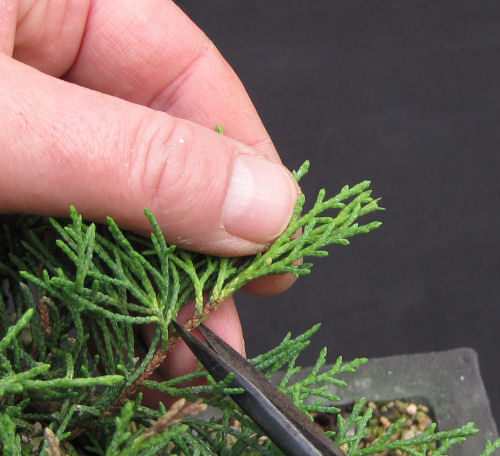
Use sharp bonsai scissors or twig shears to remove selected shoots. Avoid cutting every branch tip into a flat ball.
Shearing can produce a dense shell of foliage. Over time, the inner growth may receive little light and die back. Selective pruning creates better air movement and more natural foliage pads.
Step 5: Make clean cuts
Use clean, sharp tools. A clean cut causes less crushing and gives the tree a smaller damaged area.
For small branches, cut just outside the branch collar without leaving a long stub. For larger branches, use a suitable bonsai concave cutter only when you understand the tree’s design and healing limits.
Do not apply wound paste automatically to every cut. Some bonsai growers use it on larger wounds, while others leave small cuts open. The key factors are clean tools, correct timing, and preventing repeated damage.

Maintenance Pruning Versus Structural Pruning
Understanding the difference between these two types of pruning makes the answer to when to prune a juniper bonsai tree much clearer.
Structural pruning changes the framework of the tree. It may involve removing a major branch, shortening a long limb, or selecting the best branches for the final design.
Maintenance pruning preserves the existing design. It includes removing a few unwanted shoots and keeping foliage pads from becoming too dense.
Structural pruning should be limited and carefully planned. Maintenance pruning can happen more often, but each session should still be light.
For example, imagine a juniper with one long branch extending beyond the outline. During spring, you might shorten that branch to a healthy side shoot with green foliage. You would not cut it back to a bare section and expect new growth to appear there.
This distinction also helps beginners avoid overworking the tree. A tidy outline is not always a healthy bonsai. The tree needs enough foliage to produce energy through photosynthesis.

Tools You Need for Pruning
Good tools make accurate cuts easier. They also reduce the chance of crushing branches or spreading disease.
Useful tools include:
• Sharp bonsai scissors for small shoots
• Twig shears for precise branch removal
• Concave cutters for selected larger branches
• Knob cutters for shaping larger wounds
• Clean wire cutters for removing bonsai wire
• Rubbing alcohol for disinfecting tools
Clean your tools before and after pruning. Disinfect them between trees if you maintain several bonsai plants. This simple habit can reduce the spread of fungal and bacterial problems.
Do not use rusty or dull scissors. Dull blades crush tissue and make it harder for the tree to seal the wound.
Wear gloves when handling junipers. Some varieties have sharp needles, and sap can irritate sensitive skin.

What to Do After Pruning
After pruning a juniper bonsai tree, place it in a bright outdoor location with good air movement. Protect it from intense midday heat for a short period if you removed a large amount of foliage.
Do not respond to pruning stress by keeping the soil constantly wet. Water when the soil surface begins to dry, then water thoroughly until excess water drains from the pot.
Avoid heavy fertilizing immediately after major pruning. Wait until the tree shows active recovery or new growth. Then use a balanced bonsai fertilizer according to the label.
Watch the tree for several weeks. Healthy recovery may include firm foliage, stable color, and new growth at suitable points. Browning foliage, soft roots, a sour soil smell, or sudden branch dieback may signal a deeper problem.
Aftercare should include:
- Strong light without sudden exposure to extreme heat.
- Careful watering based on soil moisture.
- Good air circulation.
- No major repotting or heavy wiring right away.
- Regular checks for spider mites, scale, and fungal issues.

Common Juniper Bonsai Pruning Mistakes
Many beginner problems come from cutting too much, cutting at the wrong time, or misunderstanding how junipers grow.
Cutting into bare wood
This is the most serious mistake. A bare juniper branch may not produce new foliage after you cut away its green growth.
Keep green shoots on branches that must remain. If a branch is bare and unwanted, remove it rather than cutting it shorter and hoping it will bud.
Pruning a weak tree
A weak tree cannot recover as quickly as a vigorous one. Fix the growing conditions first.
Check light, drainage, watering, pests, and root health before using your shears.
Pruning after repotting
Repotting already disturbs the roots. Heavy pruning at the same time can overwhelm the tree.
When possible, separate major root work from major branch work. This gives the juniper a better chance to recover.
Shearing the outer foliage
Flat, tightly clipped pads may look neat at first. Over time, they can block light from reaching the interior.
Thin selected shoots and preserve the tree’s natural structure instead.
Removing too much foliage
A juniper needs foliage to create energy. Removing a large percentage of the green canopy in one session can cause stress and dieback.
A cautious approach is better. You can always prune more later, but you cannot quickly replace a branch that has been cut away.
Ignoring the climate
A pruning schedule for a juniper in Arizona may not fit a juniper in Minnesota. Heat, humidity, frost, and winter protection all affect recovery.
Use the seasons as a guide, then adjust for your local weather and the tree’s health.
A Practical Pruning Schedule
A simple yearly plan can help you decide when to prune a juniper bonsai tree without relying on guesswork.
Late winter to early spring
Inspect the structure and perform planned major pruning. Remove dead, crossing, or unwanted branches while leaving healthy green growth on branches you keep.
Spring
Watch for strong new shoots. Shorten selected runners and improve the shape with light maintenance pruning.
Early summer
Thin crowded foliage and remove shoots that spoil the design. Avoid stripping entire branches of green growth.
Late summer
Reduce pruning. Focus on observation, watering, pest control, and steady care.
Fall and winter
Avoid major design work. Protect the tree from severe weather and inspect it for damage, pests, or winter stress.
This schedule is flexible. A tree in a warm coastal climate may grow for longer than one in a cold northern region. Local conditions matter more than a fixed date.
Frequently Asked Questions About When to Prune a Juniper Bonsai Tree
What is the best month to prune a juniper bonsai tree?
Late winter or early spring is usually best for major pruning. In the United States, this often falls between February and April, but local weather and tree health should guide the exact timing.
Can I prune a juniper bonsai tree in summer?
Yes, but keep summer work light. You can remove a few unwanted shoots or shorten long runners, but avoid heavy structural pruning during hot or dry conditions.
Can I prune a juniper bonsai tree in the fall?
Light cleanup is possible in early fall, but major pruning is best delayed. Late-season cuts may heal slowly and can leave the tree more exposed to winter stress.
Should I prune a juniper bonsai tree before or after repotting?
Avoid doing both major tasks at the same time when possible. Let the tree recover from repotting before performing heavy branch pruning.
Can a juniper bonsai grow new branches from bare wood?
Usually, no. Junipers do not reliably produce new buds on old, bare branches, so keep green foliage on branches that you want to preserve.
How much can I prune from a juniper bonsai tree?
The safe amount depends on the tree’s health, size, age, and design. Conservative pruning is best, especially for a weak or recently repotted tree.
Should I pinch juniper bonsai foliage?
Lightly removing selected young shoots can help maintain shape, but constant pinching is not always ideal. Selective pruning usually supports better inner growth than shearing every tip.
How often should I prune a juniper bonsai tree?
Most junipers need one planned structural session and occasional light maintenance during active growth. Prune based on new growth and the tree’s design, not on a strict weekly schedule.
Conclusion
The best time to prune a juniper bonsai tree is generally late winter or early spring, when the tree is preparing for active growth. Use light maintenance pruning in spring and early summer, but avoid heavy cuts during extreme weather, late fall, or periods of stress.
Always preserve healthy green foliage on branches you want to keep. Use clean tools, make careful cuts, and give the tree bright light, proper watering, and time to recover.
Start with a small, thoughtful pruning session rather than trying to redesign the entire tree at once. With patience, your juniper can develop a strong structure and a graceful form. Explore more bonsai care guides, and share your pruning questions or experiences in the comments.

Laura Bennett is a gardening writer at MyGardenLabs who creates beginner-friendly guides focused on solving common plant care and gardening problems.