How To Make Bonsai Soil: Simple Steps For Healthy Trees
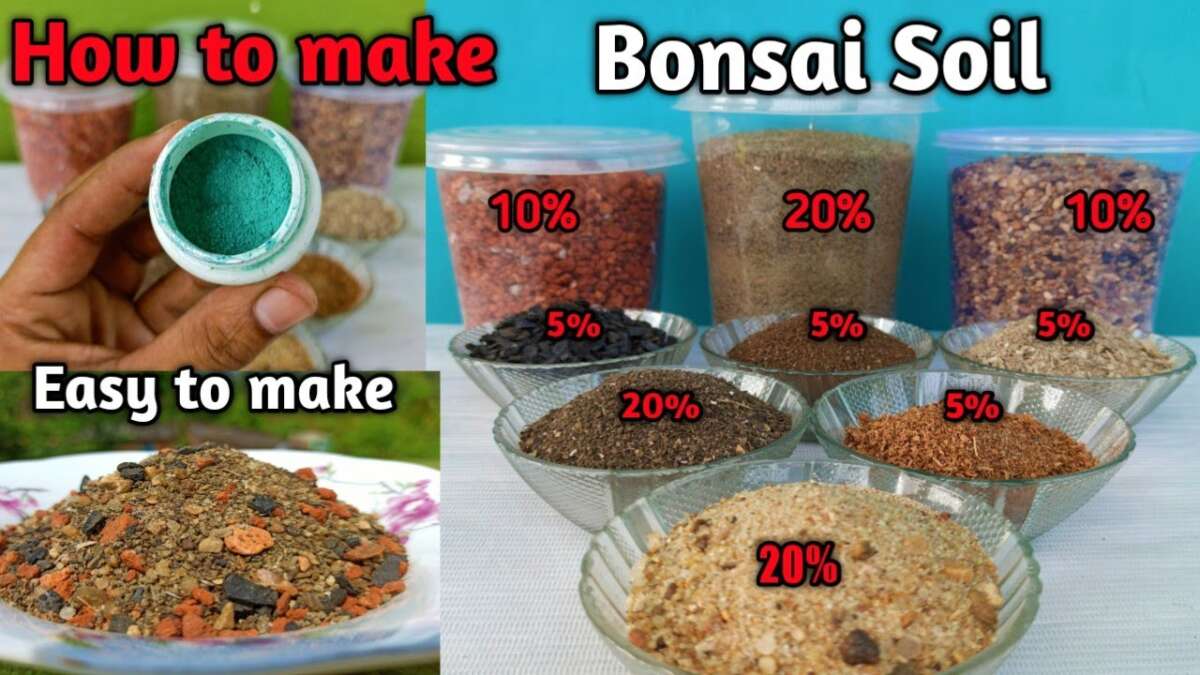
Use a gritty, well-draining mix of akadama, pumice, and lava rock for best bonsai soil.
I’ve worked with bonsai for years and I’ll walk you through exactly how to make bonsai soil that keeps roots healthy, prevents rot, and helps trees thrive. This guide breaks down materials, step-by-step mixing, recipes for common species, troubleshooting tips, and real-life lessons from my own bench work so you can confidently make the right bonsai soil for your trees.
Why good bonsai soil matters
Healthy bonsai start at the roots. The right soil gives oxygen, drains well, and holds enough moisture between waterings. Poor soil causes root rot, slow growth, and weak trees.
Good soil is not potting mix. Bonsai soil is a balance of structure and water retention. Knowing how to make bonsai soil helps you control that balance for each tree type and climate.

Key components: what goes into bonsai soil
Each ingredient plays a clear role. Learn their functions so you can mix with confidence.
- Akadama: A baked Japanese clay that holds water and nutrients while keeping structure.
- Pumice: Lightweight volcanic rock that stores some moisture and improves aeration.
- Lava rock: Very porous, adds stability and drainage.
- Grit / crushed granite: Adds weight and prevents compaction.
- Organic components (pine bark, compost, or composted fir bark): Provide nutrients and some moisture retention.
- Sphagnum peat or coco coir: Use sparingly for species that need more water retention.
- Screened topsoil or soil-less mixes: Avoid heavy garden soils in most cases.
When you learn how to make bonsai soil, think of it as building a breathable, layered bed for roots. Particle size matters more than brand. Use consistent particle sizes for predictable water flow.
How to make bonsai soil: a step-by-step guide
This step-by-step shows the basic process I use when I prepare new mixes or repot trees.
- Gather materials. Decide on akadama, pumice, lava rock, and an organic element. Measure with cups or by weight for repeatability.
- Screen materials. Use a 2–6 mm screen for most bonsai. Remove fines under the screen to avoid compaction.
- Select ratios based on species and climate. Use coarser mixes for junipers and pines, more organic for maples or tropicals.
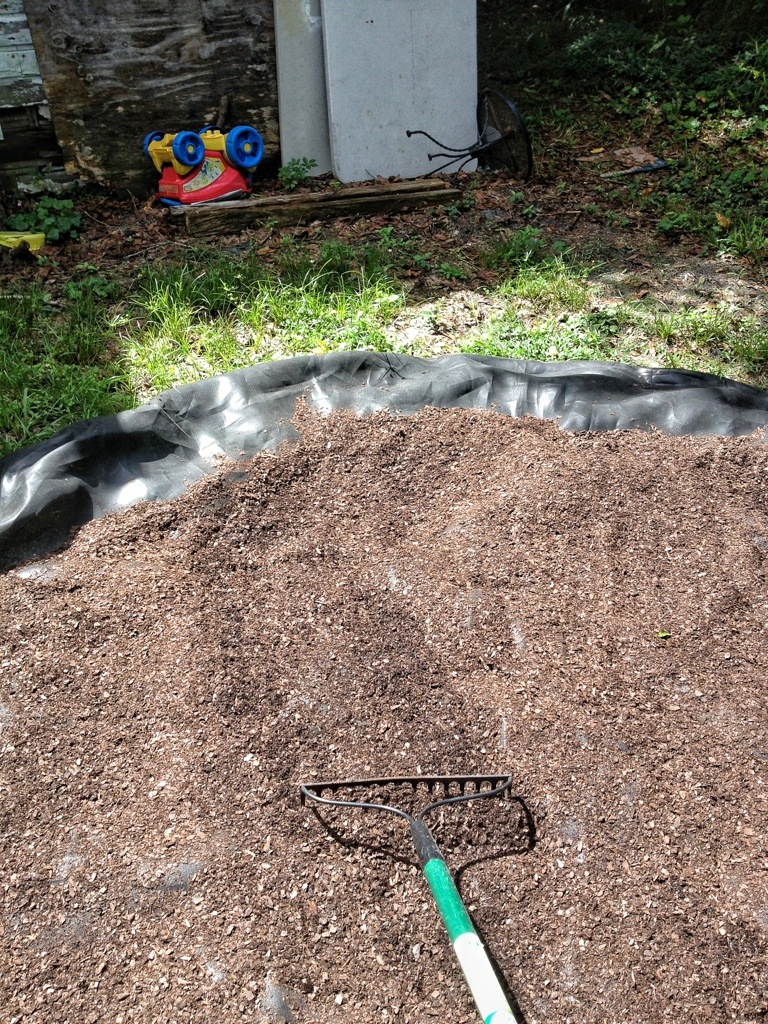
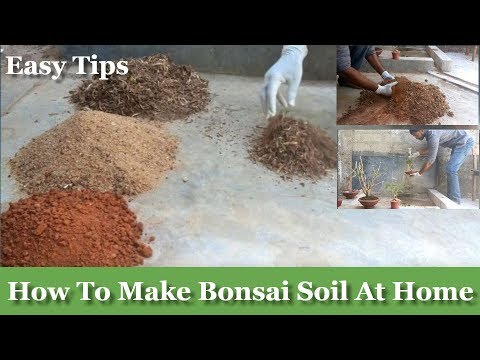
- Mix thoroughly. Combine components in a large tub or on a tarp. Turn the mix multiple times until even.
- Pre-wet if needed. Lightly moisten to test drainage and retention. The mix should drain fast but hold a little moisture.
- Fill and plant. Add a drainage layer if you like, position your tree, and backfill with your prepared bonsai soil.
- Water and monitor. Watch the next few waterings to confirm moisture behavior.
When learning how to make bonsai soil, test small batches first. I usually mix a few cups, observe how they drain over 24 hours, and tweak ratios before making a full batch. That saved me from redoing a whole pot several times.

Practical recipes by tree type
These starting recipes are easy to adapt. Ratios are by volume and assume 2–5 mm particle sizes.
- Conifers (pines, junipers)
- 50% akadama or coarse grit
- 25% pumice
- 25% lava rock
- Use this gritty mix for fast drainage and healthy root tips.
- Deciduous (maple, elm)
- 40% akadama
- 30% pumice
- 20% lava rock
- 10% organic bark
- A touch more organic helps feed growth without waterlogging roots.
- Tropical / indoor bonsai (ficus, schefflera)
- 30% akadama or crushed granite
- 30% pumice
- 20% lava rock
- 20% coco coir or fine bark
- Keeps humidity needs while maintaining aeration.
- Azalea / ericaceous species
- 40% akadama or grit
- 30% pumice
- 15% lava rock
- 15% ericaceous peat mix (acidic)
- These plants prefer slightly acidic, moisture-retentive mixes.
- Seedlings and bonsai soil for root development
- 50% pumice
- 30% akadama (or fine grit)
- 20% fine organic compost
- Use finer-grade particles to support young roots.
When you practice how to make bonsai soil, keep records. Write down ratios and results. Over seasons you’ll refine mixes for your local weather and watering habits.
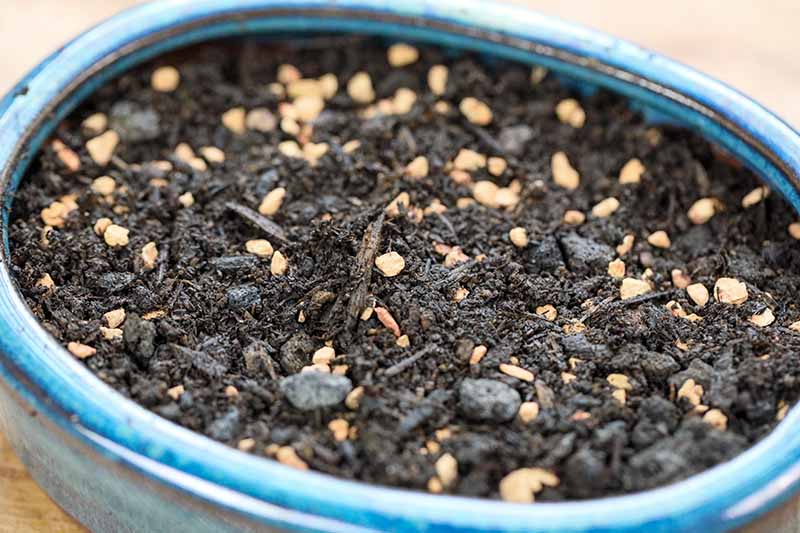
Mixing, screening, and preparation tips
Good prep makes the soil reliable. Here are practical steps I use every repot.
- Screen by particle size to remove dust and very fine particles.
- Rinse dusty volcanic materials to remove fines that block pores.
- Sterilize if you suspect pests or pathogens: brief oven bake or solarize in sealed bags.
- Age mixes that contain fresh organic matter for a few weeks to stabilize nutrient release.
- Adjust pH only when necessary. Most bonsai do fine with neutral mixes; azaleas need acidic media.
- Store dry mixes in labeled bins to keep consistency.
A common mistake is using bagged “potting soil” without modifications. That mix compacts quickly. Learning how to make bonsai soil with the right particles saves trees and time.
Troubleshooting and maintenance
Signs of poor soil and quick fixes.
- Slow drainage and soft roots: The mix is too fine or organic. Repot with a coarser mix and prune roots.
- Soil dries out too quickly: Increase the organic or water-retentive fraction slightly.
- Compaction over time: Add grit or larger particles and re-pot when needed.
- Salt build-up: Flush thoroughly and use slow-release or diluted liquid fertilizers.
- Mold on surface: Improve airflow and reduce surface organic matter; rinse and replace top layer.
When you observe issues, change only one variable at a time. Small changes make it easier to learn what works for your trees.
Quick common questions
How often should I repot using my homemade bonsai soil?
Repot every 2–5 years depending on the tree species, age, and root health. Repot when roots circle the pot or soil no longer drains well.
Can I substitute akadama if it’s unavailable?
Yes. Use calcined clay or crushed ceramic as a structural alternative. Adjust ratios and test drainage when substituting.
Is store-bought bonsai soil okay to use?
Yes, but inspect particle sizes and remove fine dust. Mix with extra grit if the store mix contains too much organic matter.

Frequently Asked Questions of how to make bonsai soil
What is the best particle size for bonsai soil?
Use 2–6 mm particles for most bonsai. Smaller sizes suit seedlings; larger sizes suit big conifers.
How do I balance water retention and drainage?
Increase organic matter slightly for retention and add pumice or lava for drainage. Test by wetting and timing drain rate.
Can I reuse bonsai soil from an old pot?
Yes after removing roots and sifting out fines. Refresh with new components and sterilize if needed.
Do indoor bonsai need a different soil than outdoor bonsai?
Often yes. Indoor bonsai may need more organic matter to compensate for lower light and humidity, while outdoor bonsai prefer grittier mixes.
How much organic matter should I add?
Keep organic content between 0–30% based on species. Too much leads to compaction and root rot.
Conclusion
Making bonsai soil is simple when you understand the roles of particle size, drainage, and retention. Start with tested ratios, test small batches, and adjust for your climate and species. Try one mix this week, monitor how it performs, and tweak as needed. Share your results or ask questions below — I’d love to hear which recipe worked for your bonsai and help you refine it.

Laura Bennett is a gardening writer at MyGardenLabs who creates beginner-friendly guides focused on solving common plant care and gardening problems.