Are Ginseng Bonsai Trees Toxic To Cats: Safety Guide
Ginseng bonsai trees can irritate cats and may cause illness if chewed or swallowed.
Ginseng bonsai trees are usually a type of ficus, often sold as Ficus microcarpa with thick, exposed roots. Their sap can irritate a cat’s mouth, skin, and stomach. This guide explains the risks, warning signs, first-aid steps, and safer ways to keep a bonsai in a cat-friendly home.
Are ginseng bonsai trees toxic to cats?
Yes, ginseng bonsai trees should be treated as potentially toxic to cats. They are not usually among the most deadly houseplants, but chewing the leaves, roots, bark, or stems may cause irritation and stomach upset.
The main concern is the plant’s milky sap. Ficus sap contains compounds that can irritate tissue. A cat may develop drooling, vomiting, diarrhea, mouth pain, or skin irritation after contact.
The risk depends on several factors:
• The amount of plant material eaten
• The cat’s size, age, and health
• Whether the cat swallowed sap or only touched the plant
• The exact ficus species and cultivar
• How quickly treatment begins
Plant labels can also cause confusion. “Ginseng bonsai” describes the tree’s shape and thick roots, not always one exact species. Most are ficus plants, but sellers may use broad names. If the label is missing, take a photo of the tree for a veterinarian or poison expert.

Why can ginseng bonsai trees harm cats?
Ginseng bonsai trees can irritate cats because ficus plants produce a latex-like sap. This sap may cause a burning or prickly feeling in the mouth. A cat that bites the plant may then paw at its face, drool, or stop eating for a short time.
The sap can also irritate the skin. This matters most for cats with sensitive skin or small cuts around the mouth. A cat may lick sap from its paws and swallow more of it during grooming.
Gastrointestinal upset is another concern. After swallowing part of a ginseng bonsai, a cat may vomit or have loose stools. In most mild cases, signs pass with proper care, but repeated vomiting can lead to dehydration.
It is useful to think of the plant as a chemical irritant rather than a harmless decoration. A small nibble may cause mild discomfort, while a larger amount can create a more serious problem.

Signs of ginseng bonsai poisoning in cats
Symptoms may appear soon after chewing the plant, although the timing can vary. Watch your cat closely for changes in behavior and appetite.
Common signs include:
• Drooling or foaming at the mouth
• Lip licking or repeated swallowing
• Pawing at the mouth or face
• Redness around the lips
• Vomiting
• Diarrhea
• Loss of appetite
• Lethargy or hiding
• Skin redness after sap contact
• Swelling of the mouth or face
More serious signs need urgent veterinary care. These include trouble breathing, severe weakness, repeated vomiting, collapse, seizures, or swelling that affects swallowing.
Cats often hide pain. A quiet cat under the bed may not simply be “having a lazy day.” If you know your cat chewed a ginseng bonsai, do not wait for severe symptoms before seeking advice.

What to do if your cat eats a ginseng bonsai
If your cat has chewed a ginseng bonsai, stay calm and act in a clear order. Quick action can reduce exposure and help a veterinarian decide what care is needed.
-
Remove the plant from your cat’s reach. Check the floor for leaves, stems, or pieces of root.
-
Look at your cat’s mouth from the outside. Do not force the mouth open, especially if your cat is upset or painful.
-
Wipe visible plant sap from the fur or skin with a damp cloth. If sap is on the paws, gently rinse the paws with lukewarm water.
-
Call your veterinarian, an emergency animal hospital, or a pet poison service. Tell them the plant name, the amount eaten, the time of exposure, and your cat’s weight.
-
Keep a photo or sample of the plant. This can help confirm whether it is a ficus species.
-
Follow professional instructions. Do not give milk, oil, salt, or human medicine unless a veterinarian tells you to do so.
Never try to make a cat vomit at home. Hydrogen peroxide and other home remedies can injure a cat’s stomach or lungs. Cats also handle many medicines differently from people.
If your cat has trouble breathing, collapses, vomits repeatedly, or appears severely distressed, go straight to an emergency clinic.

How veterinarians treat ficus exposure
Treatment depends on the symptoms and the amount eaten. A veterinarian may first rinse the mouth, assess hydration, and check for swelling or breathing problems.
Mild cases may need observation and supportive care. This can include fluids, medicine for nausea, and a bland feeding plan if the cat is able to eat. Skin exposure may require gentle cleaning and treatment for inflammation.
More serious cases may need intravenous fluids, close monitoring, or medication to protect the stomach. A veterinarian may also check for another cause if the symptoms do not match a simple plant exposure.
There is no single home treatment that works for every cat. The safest choice is to get advice based on the individual animal. This is especially important for kittens, senior cats, cats with kidney disease, and cats that already have digestive problems.

Are ginseng bonsai trees toxic to cats in small amounts?
A tiny nibble may cause no visible problem, but it should not be assumed to be safe. Even a small amount of sap can irritate a cat’s mouth or stomach.
Some cats chew only a leaf tip and remain well. Others may react after a small bite because they are sensitive or because they swallowed more sap than expected. There is no reliable “safe amount” that applies to every cat.
Monitor your cat for at least several hours after a known exposure. Keep fresh water available, but do not force food or water into the mouth. Call a veterinary professional if any symptom appears or if you cannot estimate how much was eaten.

Can cats touch a ginseng bonsai tree?
Touching the outside of the trunk is less concerning than chewing the plant. However, sap on the fur or paws can cause skin irritation and may be swallowed during grooming.
Place the tree where your cat cannot rub against broken stems or fallen leaves. Pruning can release sap, so keep pruning tools and plant debris away from pets.
Wash your hands after handling the plant, especially before preparing your cat’s food. If you notice sap on your cat’s fur, remove it with water and prevent licking until the area is clean.
How to keep a ginseng bonsai safe in a cat home
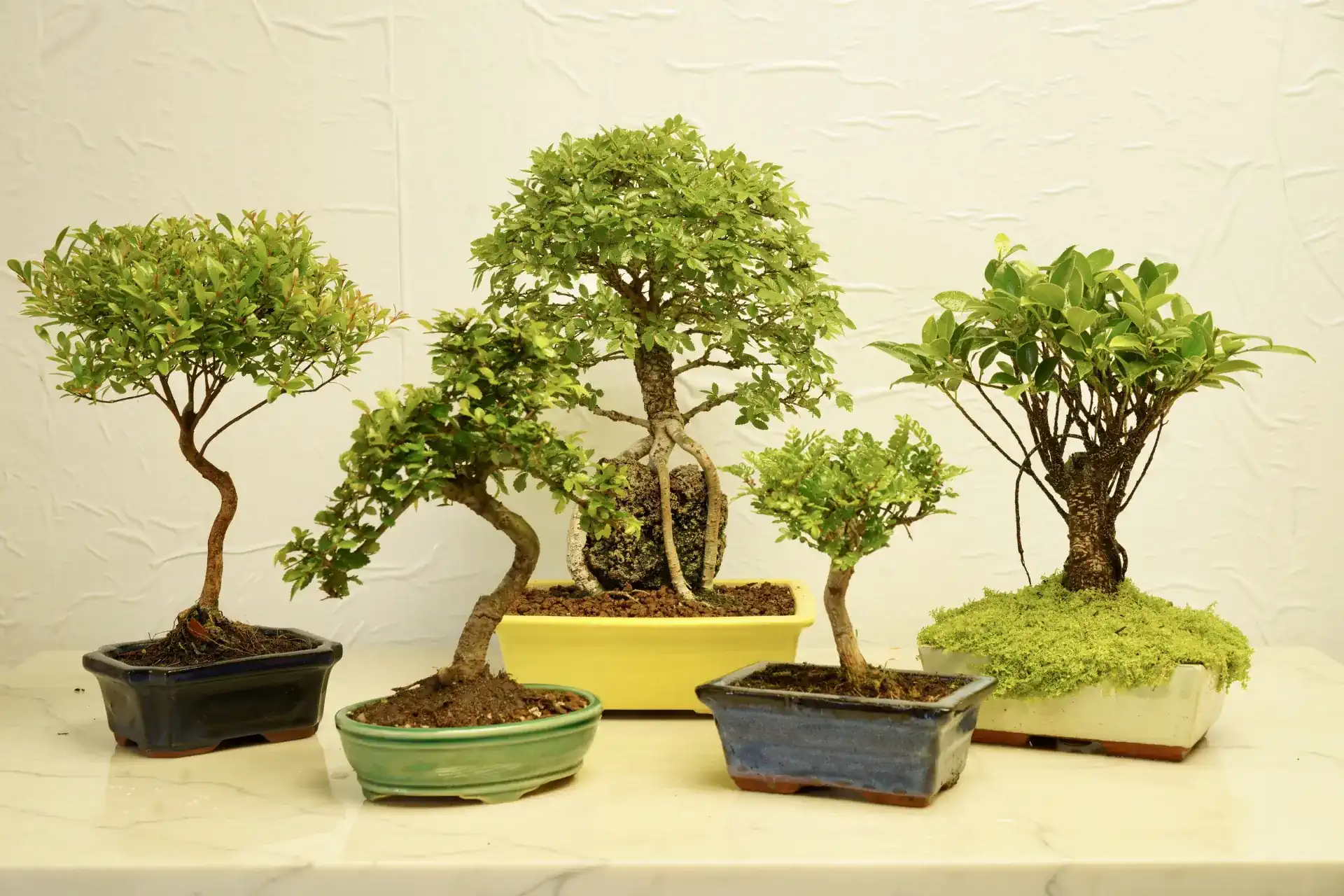
The best protection is physical separation. Training can help, but it is not a complete safety plan. Cats climb, explore, and may become interested in a plant months after ignoring it.
Try these practical steps:
• Put the bonsai in a closed room your cat cannot enter.
• Use a sturdy shelf that cannot tip when bumped.
• Keep the tree away from nearby furniture that acts as a launch point.
• Remove fallen leaves every day.
• Cover exposed soil if your cat likes to dig.
• Do not use chemical sprays as a main deterrent.
• Inspect the plant after pruning or repotting.
• Ask everyone in the home to keep the plant out of reach.
A heavy pot helps prevent spills, but it does not stop a determined cat from chewing. A glass cabinet with ventilation may offer better protection if the tree needs to stay indoors.
If separation is not realistic, consider replacing the tree with a cat-safe plant. Spider plants, many calatheas, and Boston ferns are often chosen for pet-friendly homes, but verify each plant before buying because common names can be misleading.
Ginseng bonsai care and cat safety
Healthy plant care can reduce some risks, but it does not make a ginseng bonsai safe to chew. The tree still produces sap even when it is well watered and properly pruned.
Avoid placing the bonsai beside food bowls, water dishes, or favorite sleeping areas. Cats are more likely to investigate objects placed along their normal walking routes.
Use clean tools for pruning. Wear gloves if your skin reacts to plant sap. After trimming, collect every cutting and place it in a sealed bin.
A common mistake is moving the plant to a low table “just for a few minutes.” That is often enough time for a curious cat to pull off a leaf. In homes with pets, plant placement should be planned like childproofing: remove access rather than relying on good behavior.
What other risks should cat owners know?
The plant itself may not be the only danger. Bonsai trees can contain fertilizer, insect treatments, wire, stones, or decorative moss that cats may swallow.
Fertilizer exposure can cause additional stomach irritation and, in large amounts, more serious illness. Insecticides may be dangerous even when the plant is considered pet-safe. Always read the product label and keep treated plants away from pets until the label says they are safe.
Small stones and wire can cause choking or intestinal blockage. Check the pot after repotting, and avoid loose decorations that can be pushed onto the floor.
If you buy a ginseng bonsai, ask the seller:
• What is the scientific name?
• Has the plant been treated with pesticides?
• What fertilizer was used?
• Is the soil mixed with any chemical products?
• Are the roots, stones, or wires secured?
These questions help separate plant toxicity from other household hazards.
Expert guidance and limits of available information
Veterinary poison-control references commonly list ficus exposure as an irritant risk for pets. Reported effects often involve the mouth, digestive system, and skin. Still, plant toxicity databases may use different common names, and “ginseng bonsai” can refer to more than one ficus plant.
That naming issue is important. A reliable answer depends on the exact species, the part eaten, and the amount involved. A veterinarian can give the most useful advice when you provide a clear photo, product label, or plant sample.
Online articles cannot diagnose a cat. If symptoms are severe, worsening, or unusual, professional care is safer than watching and waiting. When in doubt, treat the exposure seriously but avoid unsafe home remedies.
Frequently Asked Questions
Are ginseng bonsai trees toxic to cats?
Yes, ginseng bonsai trees may be toxic or irritating to cats, especially when chewed or swallowed. Their ficus sap can cause drooling, mouth irritation, vomiting, diarrhea, and skin problems.
What happens if my cat eats a ginseng bonsai leaf?
Your cat may develop drooling, pawing at the mouth, vomiting, diarrhea, or reduced appetite. Remove the plant, save a photo for identification, and contact a veterinarian for advice.
Are ginseng bonsai trees toxic to cats if they only touch the plant?
Touching the plant is usually less risky than eating it, but sap can irritate the skin. Clean any sap from the fur or paws and prevent your cat from grooming the area until it is rinsed.
Should I make my cat vomit after eating a ginseng bonsai?
No. Do not use hydrogen peroxide, salt, oil, or other home methods to induce vomiting in a cat. Call a veterinarian or pet poison service and follow its instructions.
How long should I watch my cat after ficus exposure?
Watch for drooling, vomiting, diarrhea, mouth pain, skin irritation, and unusual tiredness for several hours. Seek urgent care right away for breathing trouble, collapse, severe swelling, or repeated vomiting.
Can I keep a ginseng bonsai in a home with cats?
You can reduce the risk by keeping the bonsai in a closed room or secure cabinet that your cat cannot reach. If your cat is an active plant chewer, replacing it with a verified cat-safe plant is the safer choice.
Is ginseng bonsai more dangerous than other ficus plants?
Its risk is similar to that of other ficus plants because the sap can irritate the mouth, stomach, and skin. The exact danger depends on the species, the exposure amount, and the cat’s health.
Conclusion
Ginseng bonsai trees should not be treated as cat-safe plants. Most exposures cause irritation rather than life-threatening poisoning, but vomiting, diarrhea, mouth pain, and skin reactions can still occur. The safest plan is to prevent chewing, remove fallen leaves, and contact a veterinarian after any known exposure.
Keep the plant behind a closed door or choose a verified pet-safe alternative. Save the plant label and learn the warning signs before an accident happens. If this guide helped, explore more pet-safe plant resources or share your experience with other cat owners.

Laura Bennett is a gardening writer at MyGardenLabs who creates beginner-friendly guides focused on solving common plant care and gardening problems.