What Does Bonsai Mean In War: Origins And Symbolism
What does bonsai mean in war? It is often a misspelling; people mean "banzai," a wartime battle cry.
I’ve researched language, military history, and cultural memory for years. I know how small spelling shifts change meaning. This article explains what does bonsai mean in war, why the confusion happens, and what "banzai" actually signified in combat and society. Read on to get clear definitions, historical context, real examples, and practical takeaways you can trust.
Bonsai vs Banzai: Definitions and origins
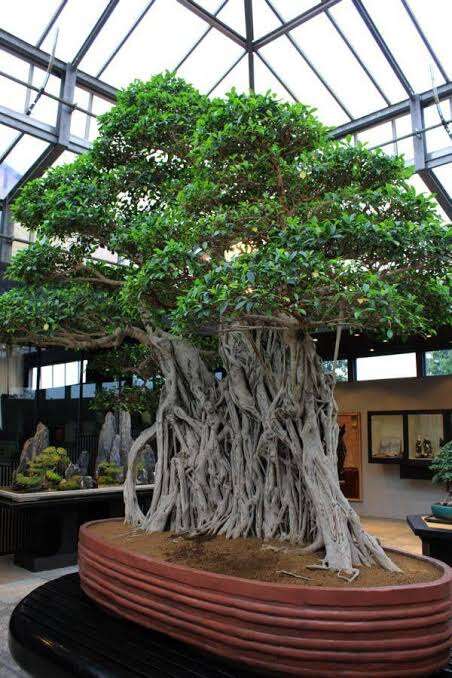
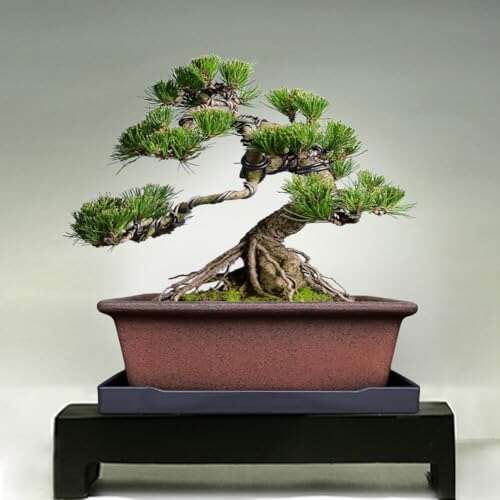
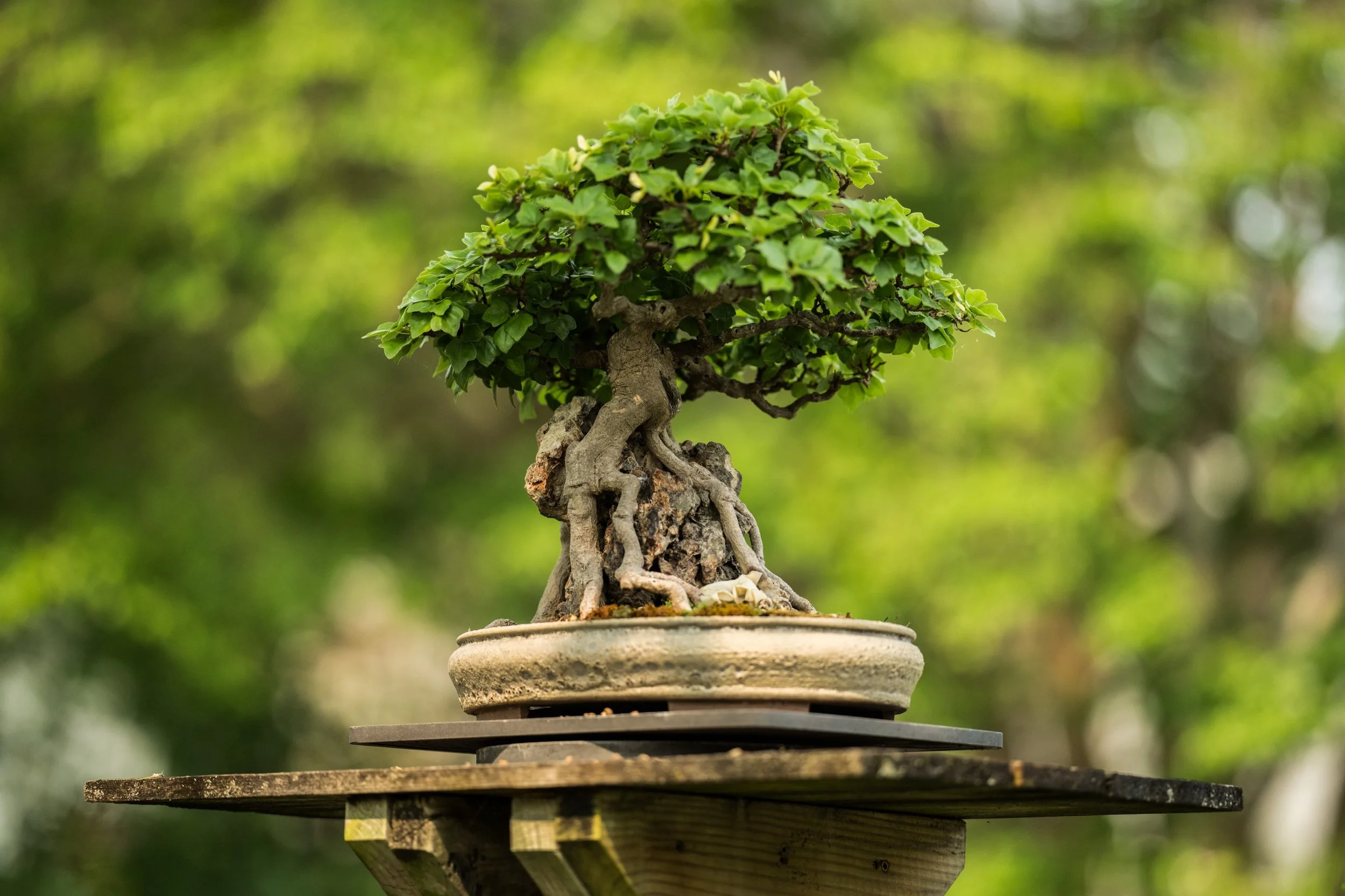
Many people ask what does bonsai mean in war because the words sound similar. Bonsai is a Japanese art. It refers to cultivating small trees by pruning roots and branches. It has no martial meaning.
Banzai is different. It is a Japanese cheer that literally means "ten thousand years" and became a shout of loyalty to the emperor. In modern English, banzai also describes a reckless attack or charge in battle. Knowing this clears up the basic mix-up between the tree art and the battle shout.
Historical use in war: the banzai charge and World War II
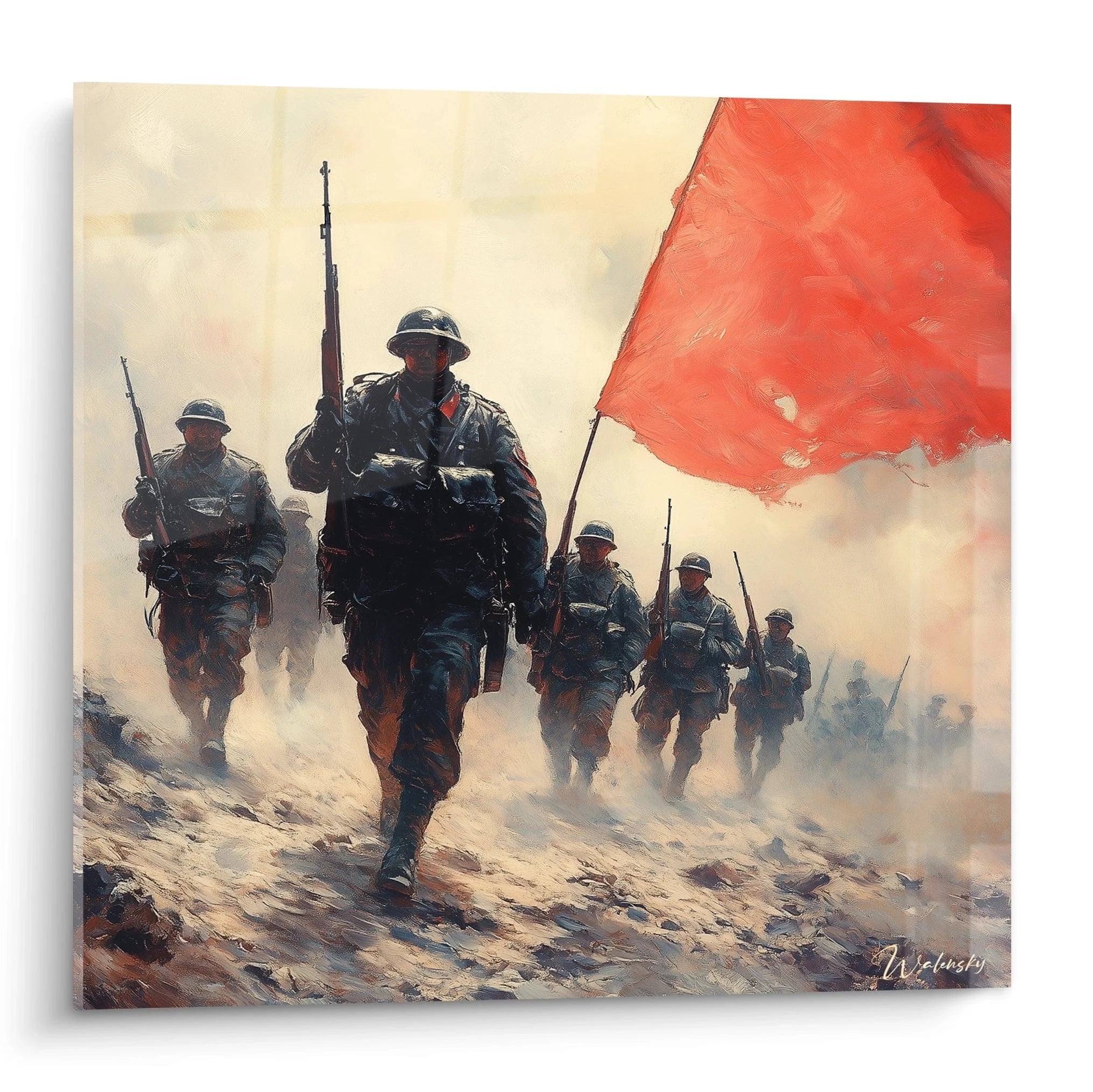
When people ask what does bonsai mean in war, they usually want to know about banzai charges in WWII. Japanese soldiers used banzai cries during human wave attacks in the Pacific. These charges often aimed to surprise and overwhelm but frequently ended in heavy casualties.
The term also appears in descriptions of last-ditch assaults. Commanders sometimes ordered banzai charges to break stalemates or to avoid surrender. Records and eyewitness accounts show these tactics were driven by doctrine, desperation, and cultural factors, rather than being a sound military solution.

Cultural meaning: honor, loyalty, and sacrifice
As you explore what does bonsai mean in war, remember that banzai carried deep cultural weight. It invoked loyalty to the emperor. It connected to values of honor and self-sacrifice. This made banzai charges both a symbol and a tactic.
That symbolic role influenced morale and public perception. In wartime propaganda, the cry became a rallying phrase. After the war, it remained a complex symbol tied to memory, guilt, and national identity.

Common misconceptions: bonsai trees and battlefield yells
Confusion about what does bonsai mean in war spreads through casual conversation and online searches. People often type bonsai when they mean banzai. This leads to wrong images and mixed meanings in articles and social feeds.
Simple facts help. Bonsai = miniature tree art. Banzai = shout or charge. If you write or teach about wartime language, double-check the spelling. That preserves both botanical and historical accuracy.

Modern usage and legacy
When people still ask what does bonsai mean in war today, the answer highlights language drift and pop culture. Banzai appears in films, books, and games. It sometimes keeps its original sense. Other times it becomes a cartoonish battle cry divorced from context.
The legacy is uneven. Museums and memorials treat banzai with solemnity in historical exhibits. Popular media may treat it as dramatic flavor. Understanding the real cost behind the shout helps prevent trivialization.
Practical lessons and reflections from history
If you wonder what does bonsai mean in war from a practical angle, there are clear lessons. Language matters. Misused words can erase important nuance. Military history shows how emotion, ideology, and command choices shape tactics.
From my research and visits to battle sites, I learned to ask simple questions. Who used the phrase? Why? What were the consequences? These questions clarify meaning and keep discussions honest. Use them when you read historical accounts or teach younger audiences.
Frequently Asked Questions of what does bonsai mean in war
What is the difference between bonsai and banzai?
Bonsai is a horticultural art of growing miniature trees. Banzai is a Japanese exclamation often used as a battle cry or to mean "long live." They are unrelated words with different meanings.
Did Japanese soldiers shout "banzai" in battle?
Yes. Japanese troops sometimes shouted "banzai" during charges, especially in the Pacific theater of World War II. It served as a morale booster and a symbolic expression of loyalty and resolve.
Are banzai charges effective militarily?
Banzai charges occasionally achieved surprise but were often costly and tactically unsound. They reflected cultural and situational factors more than strategic advantage.
Is it offensive to use "banzai" casually?
Using "banzai" casually can be insensitive if it ignores historical suffering. Context matters; avoid using it in ways that trivialize wartime losses.
How should I correct someone who types "bonsai" when they mean "banzai"?
Politely point out the difference and offer a short explanation. Say that bonsai refers to trees while banzai refers to the shout used historically in wartime.
Conclusion
Understanding what does bonsai mean in war is mostly about clearing up a common word mix-up. Bonsai belongs to gardening and art. Banzai belongs to language, history, and sometimes desperate military tactics. Learning the difference helps you speak and write more accurately and shows respect for history.
Takeaway: double-check spellings, ask context questions, and treat wartime terms with care. If this topic interests you, read primary accounts, visit memorials, or subscribe to history channels to learn more. Leave a comment with your questions or experiences so we can keep the conversation going.

Laura Bennett is a gardening writer at MyGardenLabs who creates beginner-friendly guides focused on solving common plant care and gardening problems.