Where Are Bonsai Trees From: Origins And History
Bonsai trees come from East Asia, especially China and Japan, where the art began centuries ago.
I’ve studied and grown bonsai for years, so I’ll walk you through where are bonsai trees from with clear history, practical insights, and hands-on tips. This article covers origins, cultural meaning, species, care basics, and real lessons from my experience so you can understand not just where are bonsai trees from but why they matter today.
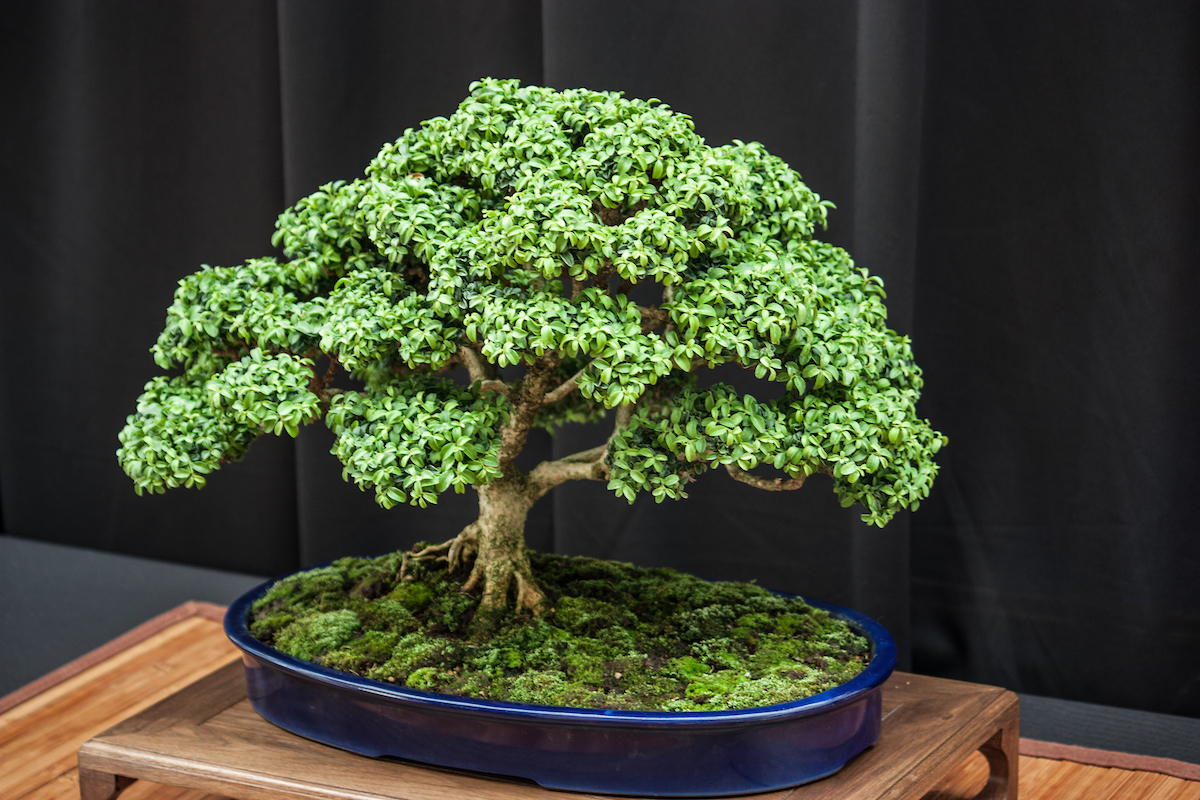
Origins and early history
Bonsai began as a living art in East Asia. The earliest roots trace back to China. There, the practice called penjing shaped small landscapes in pots. Over time, the art moved to Japan and evolved into what most people know as bonsai.
When people ask where are bonsai trees from, the short historical answer points to China first, then Japan. Chinese artists first cultivated miniature trees to reflect nature on a small scale. Japanese masters refined the style, focusing on simplicity, balance, and form.
Key timeline points
- 800s to 1200s: Small-tree cultivation appears in Chinese art and gardens.
- 1200s to 1600s: Buddhist monks and nobles bring and adapt the practice to Japan.
- 1600s onward: Bonsai becomes an established art form in Japan with rules and styles.
I learned to trace styles by studying old illustrations and visiting garden collections. That helped me see how a practice shifts across cultures and climates. Understanding where are bonsai trees from means seeing both the technical roots and the cultural shifts that shaped them.

How bonsai spread across Asia and reached the West
The path of bonsai is a story of trade, religion, and curiosity. Monks and merchants carried small trees and ideas along trade routes. Korea and Vietnam adopted similar miniature tree traditions. Western interest grew in the 19th and 20th centuries.
When asking where are bonsai trees from, remember the movement was gradual. Japanese exhibitions in the late 1800s and early 1900s helped introduce bonsai to Europe and America. After World War II, returning soldiers and hobbyists further popularized the art.
Things that helped spread bonsai
- Monastic and aristocratic exchanges.
- International botanical shows and expositions.
- Books, photographs, and hobby clubs in the 20th century.
From my travels, I saw how regional climates influenced species choices and styling. That taught me that where are bonsai trees from is also a question about local adaptation and innovation.
:strip_icc()/GettyImages-598322873-409b66c4895d492eb28fde9e752d98ad.jpg)
What makes a tree a bonsai
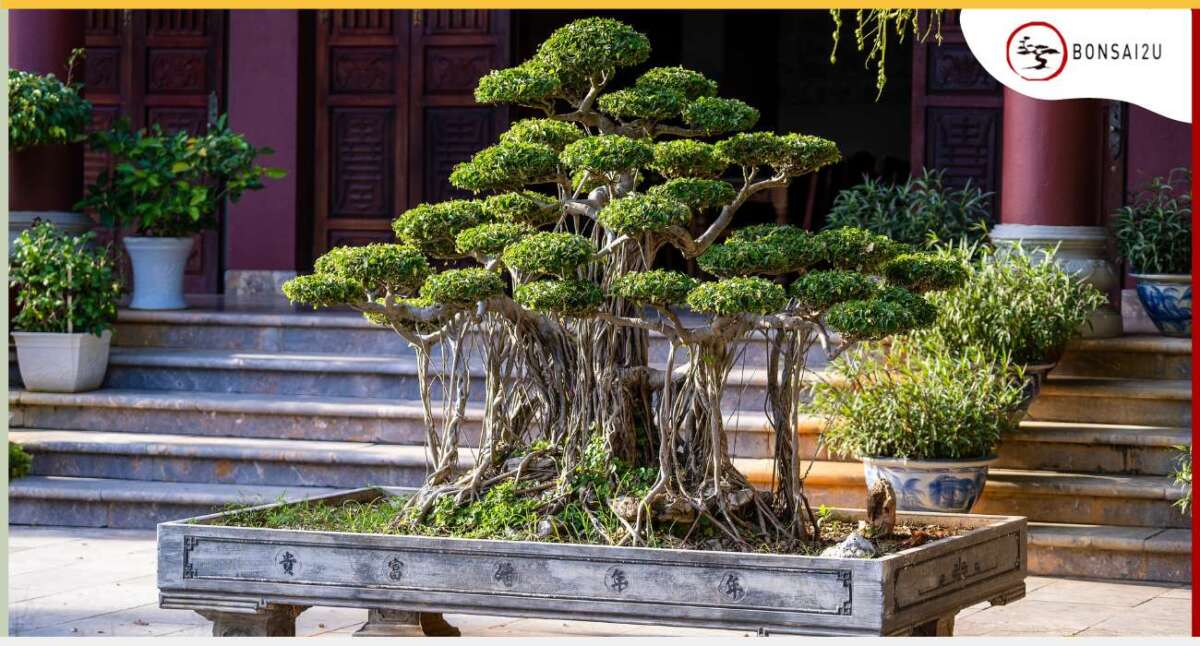
Bonsai is not a tree species. It is a tree cultivated and styled to appear mature and natural but in miniature. The craft uses pruning, wiring, potting, and root trimming to control size and shape.
Core bonsai techniques
- Pruning: Controls branch size and shape.
- Wiring: Guides branch direction and curve.
- Root pruning: Keeps the tree small and healthy.
- Pot selection: Balances aesthetics and root space.
People often ask where are bonsai trees from and expect a single location or species. The truth is a bonsai can be made from many tree types. The art is about method, not origin of the seed.
PAA-style questions
How old are most bonsai trees?
Many bonsai are decades old; some are centuries old. Age depends on species, care, and how long artists have trained them.
Are bonsai trees genetically dwarf?
Most bonsai are not genetically dwarf. Miniaturization comes from pruning and growth control, though dwarf varieties can be easier to keep small.

Common species used for bonsai and climate notes
Different regions favor different species. Knowing where are bonsai trees from helps match species to climate and care needs.
Popular species and why they are chosen
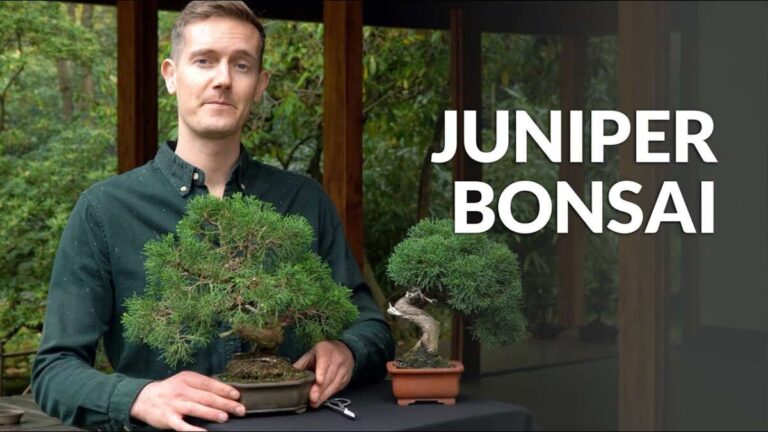
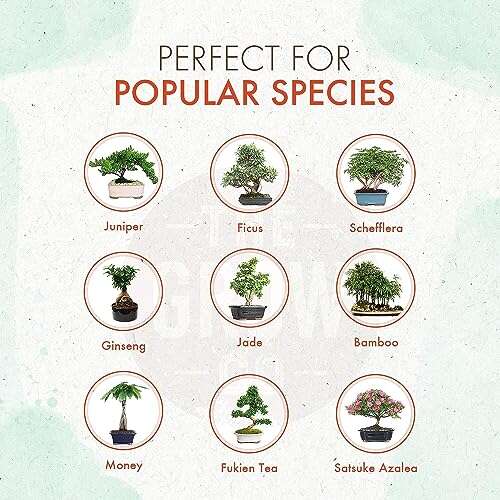
- Juniper: Hardy, great for wiring and outdoor display.
- Maple: Lovely fall color and good leaf reduction.
- Pine: Classic bonsai silhouette and long life.
- Ficus: Good for indoor bonsai in warm homes.
- Azalea: Beautiful flowers and common in temperate gardens.
Indoor versus outdoor
- Outdoor species: Pines, junipers, maples. They need winter dormancy.
- Indoor-friendly species: Ficus, tropical serissas. They tolerate steady indoor climates.
From my own collection, a local juniper adapted faster than an imported tropical. That taught me to choose species by climate and to ask where are bonsai trees from when picking a tree for your area.

Cultural significance and meaning
Bonsai carries deep cultural meaning. In East Asia, it blends aesthetics, philosophy, and nature. The practice reflects ideals like harmony, patience, and respect for seasons.
Cultural themes
- Simplicity and balance as artistic goals.
- Nature’s representation, often with symbolic elements.
- A meditative practice that requires patience and care.
When people wonder where are bonsai trees from, they often miss this cultural layer. The art is as much about mindset as it is about horticulture.
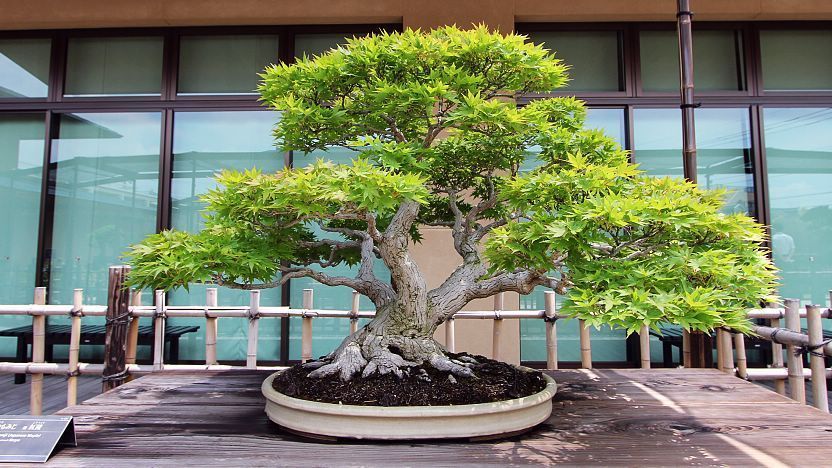
Benefits and limitations of growing bonsai
Growing bonsai offers unique rewards and clear limits. Knowing both helps set realistic expectations.
Benefits
- Stress reduction through slow, mindful care.
- A creative outlet and home décor with meaning.
- Learning plant science and seasonal rhythms.
Limitations
- Time and patience required for visible results.
- Some species need specific climates or light.
- Pests and root issues can be harder to manage in small pots.
In my early years, I expected fast results and lost a few trees. That mistake taught me to respect where are bonsai trees from and the needs of each species.

How to start if you want a bonsai
Begin with clear steps and a simple species. Ask where are bonsai trees from and pick a species suited to your climate.
Starter checklist
- Choose a beginner species suited to your climate.
- Get basic tools: pruning shears, wire, concave cutters, soil.
- Learn seasonal care: watering, repotting cycles, pruning times.
- Join a local or online bonsai community for hands-on advice.
Common beginner mistakes
- Overwatering due to small pot size.
- Wiring too tightly and damaging bark.
- Using the wrong soil mix for drainage.
My practical tip: start with a nursery stock tree and prune it gradually. I trained my first bonsai over three years, learning to balance form and health. That steady approach answers where are bonsai trees from in the sense of practice: the art grows with patience.
Frequently Asked Questions of where are bonsai trees from
Where did bonsai originate?
Bonsai originated in East Asia, with early forms in China known as penjing. Japan refined the aesthetic into the bonsai art we recognize today.
Is bonsai a Japanese or Chinese art?
Bonsai has roots in Chinese miniature planting traditions and was shaped into its modern form in Japan. Both cultures played key roles.
Can any tree be a bonsai?
Many tree species can become bonsai, but not all are ideal. Choose species suited to your climate and bonsai goals.
Did bonsai come to the West recently?
Bonsai became known in the West in the late 19th and 20th centuries through exhibitions and cultural exchange. Interest grew rapidly after World War II.
Are bonsai trees native to one country?
No single country owns bonsai. The practice evolved across East Asia, so bonsai cannot be tied to just one native land.
How does climate affect bonsai choices?
Climate determines which species thrive and whether trees need indoor protection or outdoor dormancy. Match species to local weather for best results.
Conclusion
Understanding where are bonsai trees from means seeing history, culture, and craft together. The art started in China, flourished in Japan, and traveled worldwide, adapting to new climates and tastes. If you want to start, pick a species suited to your area, learn basic techniques, and be patient—bonsai rewards steady care.
Try one small step this week: choose a beginner tree and a simple pruning task. Share your progress or questions in a local group or comment below to learn faster and connect with others.

Laura Bennett is a gardening writer at MyGardenLabs who creates beginner-friendly guides focused on solving common plant care and gardening problems.