How To Wire A Bonsai Tree: Step-By-Step Wiring Guide
Wiring a bonsai tree gently wraps wire around branches so you can bend, shape, and train them.
I have trained and wired bonsai for over a decade. In this guide I explain exactly how to wire a bonsai tree. You will learn why and when to wire, the tools to use, step-by-step wiring, common mistakes, and aftercare. I mix practical tips from my experience with clear, safe techniques so you can shape your bonsai with confidence.
Why wire a bonsai tree?
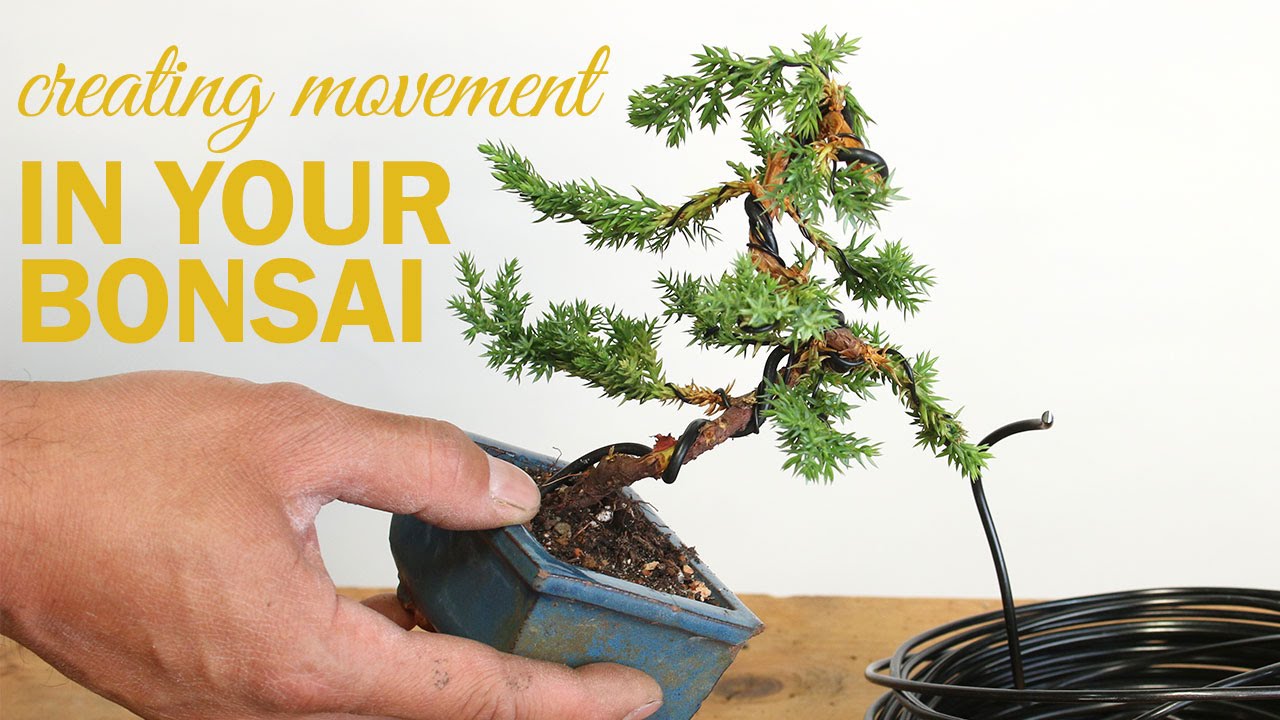
Wiring is the main tool for shaping bonsai. It lets you set branch angles and create movement. Wiring changes branch direction by holding branches in a new position. Over time the branch sets in the new shape.
Benefits of wiring a bonsai tree
- Helps develop strong branch structure.
- Creates artistic movement and style.
- Corrects crossing, vertical, or awkward branches.
- Trains young growth for future ramification.
When wiring is not needed
- If the branch is very thin and flexible, pinching or pruning may suffice.
- When a tree is in shock, avoid wiring until it recovers.
- Do not wire brittle or dead wood that will snap.
From my experience, wiring early in a branch’s life gives the best results. I learned to wire small adjustments often, rather than big bends at once. This reduces bark damage and broken branches.
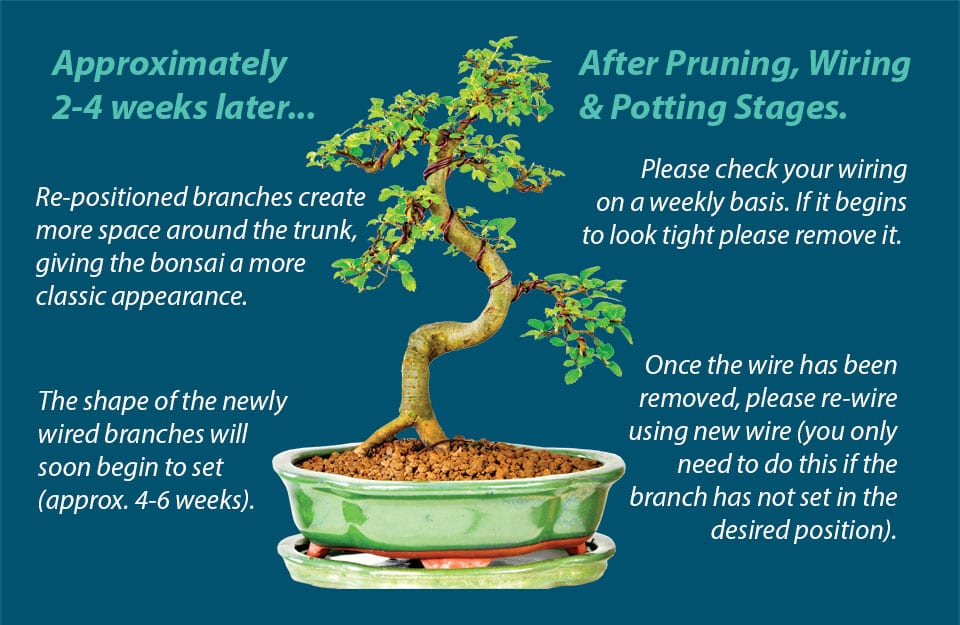
Tools and materials for wiring a bonsai tree
Use the right tools. Cheap wire or dull cutters can harm your tree.
Essential items
- Aluminum bonsai wire, 1.0 mm to 3.0 mm for most tasks.
- Copper wire for permanent or slower-setting work.
- Wire cutters for clean cuts.
- Pliers for anchoring and tightening wire.
- Branch pads or cork for protection when wiring thicker trunks.
Optional items
- Training rope for very thick trunks.
- Guage chart to match wire thickness to branch size.
- Gloves to protect your hands.
Tip from practice: buy a few wire gauges. I often keep a set from 1.0 mm to 2.5 mm to match different tree species. Replace wire each season; old wire can bite into bark.

When to wire a bonsai tree
Timing matters. The right season reduces stress and speeds setting.
General timing rules
- Wire in late winter or early spring for temperate trees. Buds are dormant or just swelling.
- For tropical bonsai, wire during active growth but avoid heat stress.
- Avoid wiring in high heat or drought.
Age and branch condition
- Wire young branches for easier shaping.
- Avoid wiring brittle branches that break easily.
- Do not wire a tree that is actively recovering or heavily root-pruned.
PAA-style question: When is the best time to wire a bonsai tree?
Answer: Wire when growth is flexible but not during peak heat or drought. Late winter to early spring works well for most temperate species.
PAA-style question: How long should bonsai wire stay on?
Answer: Check every 4 to 8 weeks and remove before wire starts cutting into bark. Timing varies with species and growth rate.

Step-by-step: how to wire a bonsai tree
Follow these steps for safe and effective wiring. Keep each action slow and measured.
-
Assess the tree
- Check branch thickness, bark health, and overall vigor.
- Decide which branches need shaping and why.
-
Choose the right wire
- Match wire diameter to about one-third of branch thickness.
- Use aluminum for beginners; copper holds shape longer.
-
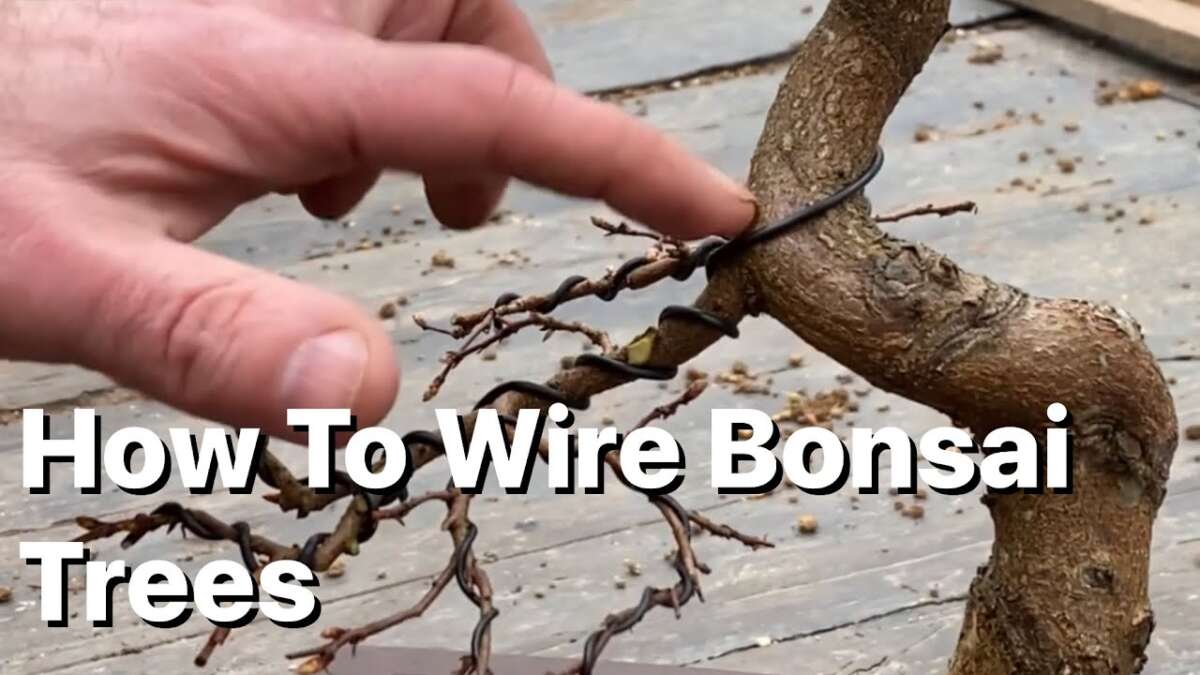
Anchor the wire
- Start at the trunk or a strong, inner branch.
- Wrap the wire around the trunk or anchor point to secure it.
-
Wrap the branch
- Wrap at a 45-degree angle from base to tip.
- Keep wraps close but not overlapping too tightly.
- Wrap branches and trunk separately when needed.
-
Bend gradually
- Bend the branch slowly in small increments.
- Use both hands: one to steady, one to bend.
- Avoid sharp or sudden bends that can split wood.
-
Check tension and knots
- Ensure wire holds branch without cutting into bark.
- Anchor ends by tucking or twisting neatly with pliers.
-
Monitor and remove
- Inspect every month during growth season.
- Remove wire before it digs into bark.
- Use cutters to cut wire, do not unwind by pulling.
Practical example from my work: I once wired a young maple in stages over two seasons. Small bends first, then stronger shaping later. This prevented bark tearing and produced graceful curves.

Wiring techniques by tree type
Different trees respond differently to wiring. Adjust technique by species.
Deciduous trees
- Branches are softer in spring. Wire early for easy shaping.
- Check frequently during rapid growth.
Coniferous trees
- Conifers have brittle tips. Bend slowly and support tips.
- Consider translating wire tighter for firmer hold.
Tropical and subtropical bonsai
- Growth can be year-round. Wire in cooler, stable weather.
- Aluminum wire works well for most tropical species.
Thick trunks and heavy branches
- Use wrapping pads or cork under wire to protect bark.
- Consider guy wires or training rope for major trunk bends.
Personal tip: For a juniper, I use aluminum for initial shaping and then copper for final, long-term placement. This combination keeps lines clean and reduces bark scarring.

Common mistakes and fixes when wiring a bonsai tree
Mistakes are part of learning. Here are the usual ones and how to fix them.
Common errors
- Wire left on too long, causing scarring.
- Wire too tight from the start, which digs into bark.
- Bending too fast, causing branch cracks.
- Using wrong wire thickness.
How to fix or avoid them
- Inspect every 4 to 8 weeks and remove wire as needed.
- Use correct gauge; test with small bends before major work.
- Bend slowly and support long branches with hands or props.
- If wire scars appear, allow time for healing and adjust future technique.
A real lesson: I once found a wire cutting into a trunk after a wet spring. I removed it, pruned damaged bark, and used bark-friendly padding afterward. The tree healed well after a cautious recovery period.
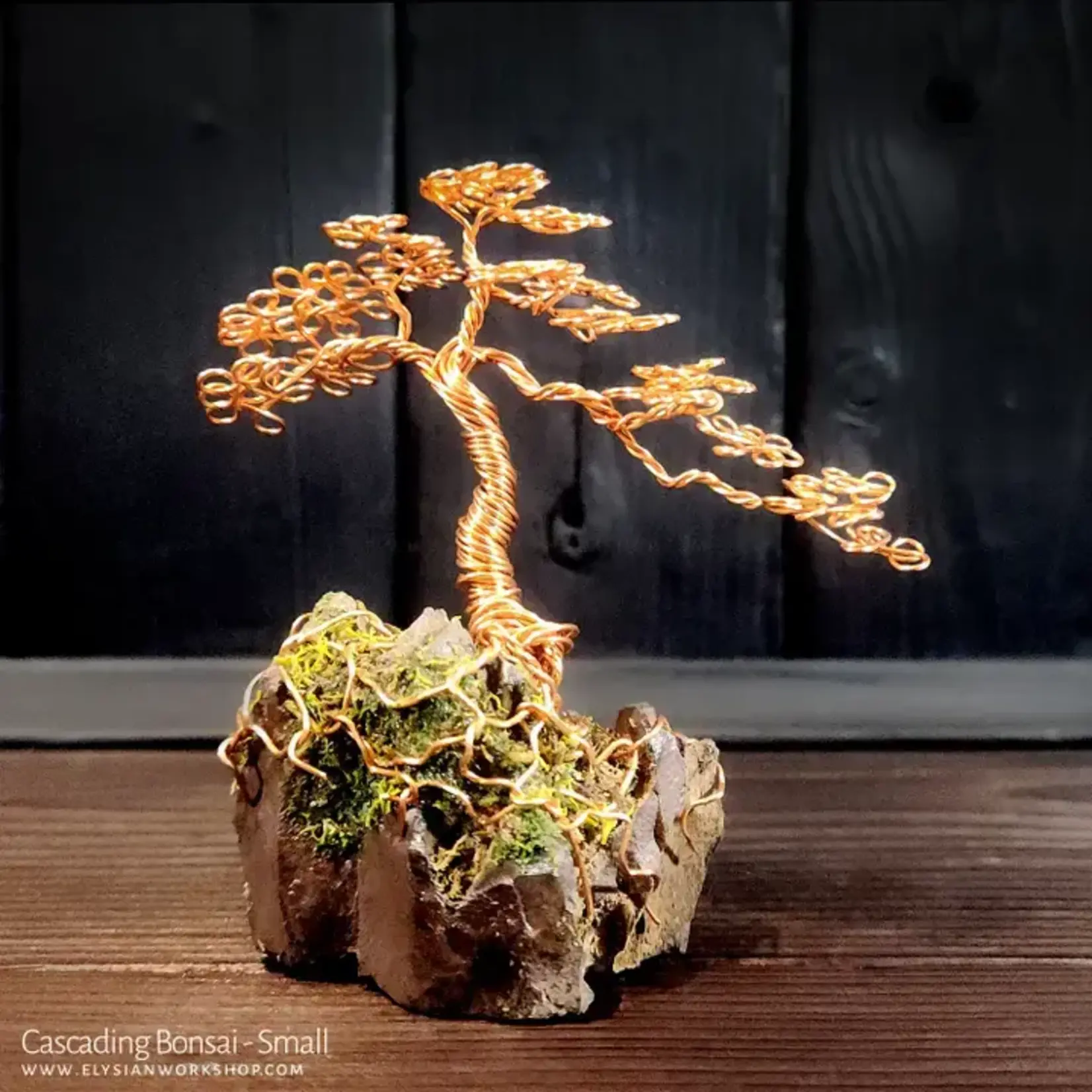
Care after wiring and long-term maintenance
Wiring does not end with placement. Ongoing care matters.
Routine checks
- Inspect wire at least monthly during growth.
- Look for signs of girdling or bark damage.
When to remove wire
- Remove when branch holds new position without resistance.
- Cut wire with clippers rather than trying to unwrap it.
Aftercare steps
- Prune only after wired branches have set, unless blocking growth.
- Provide regular water and light to reduce stress.
- Fertilize moderately to support healing and growth.
Long-term plan
- Revisit structure annually.
- Gradually refine wiring to add ramification and finer movement.
My approach: I keep a wiring log for each tree. I note wire date, gauge, and removal date. This simple habit prevents missed checks and reduces scarring.
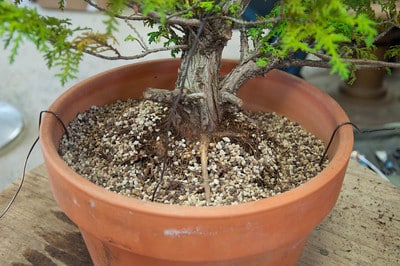
Frequently Asked Questions of how to wire a bonsai tree
How tight should I wrap the wire around bonsai branches?
Wrap firmly enough to hold the branch but not so tight it compresses bark. Leave a small space between wraps and check often to avoid girdling.
Can I wire a bonsai tree and bend it immediately?
You can bend immediately, but do so slowly and gently in small steps. Rapid bending risks cracking or splitting the branch.
What wire material is best for beginners?
Aluminum wire is best for beginners because it is easy to shape and less likely to damage bark. Copper holds shape better but is harder to work with.
How long does it take for a wired branch to set?
Setting time varies by species and growth rate, typically 3 to 6 months for many trees. Faster-growing trees set sooner; check regularly.
Will wiring harm my bonsai tree long-term?
If done correctly and checked regularly, wiring will not harm your tree long-term. Most scars heal well when wires are removed in time.
Conclusion
Wiring a bonsai tree is a skill you can learn step by step. Use the right tools, match wire to branch size, bend slowly, and check often. My experience shows small, regular adjustments beat dramatic reshapes. Start with young branches, keep careful records, and remove wire before it cuts in. Try one simple wiring project this month and observe how your bonsai responds. Share your results, subscribe for more guides, or ask a question below.

Laura Bennett is a gardening writer at MyGardenLabs who creates beginner-friendly guides focused on solving common plant care and gardening problems.