How Much Light Does A Bonsai Tree Need: Light Care Tips
Most bonsai need 4–8 hours of bright light daily; some species need up to full sun.
I have grown and taught bonsai care for years, and I know that clear guidance matters. This article answers how much light does a bonsai tree need in practical terms. You will learn species needs, indoor vs outdoor rules, how to measure light, signs of stress, and simple fixes. Read on for hands‑on tips and tested advice to help your bonsai thrive.

Why light matters for bonsai growth and health
Light drives photosynthesis. Without enough light, a bonsai will weaken. With too much, leaves can burn. Knowing how much light does a bonsai tree need helps you choose a spot and avoid common mistakes.
Light affects:
- Leaf size and color
- Branch strength and ramification
- Flowering and fruiting for some species
- Root vigor and overall health
Experienced growers and horticulture guidelines agree: light is one of the top three factors for bonsai success, along with water and pruning. I have seen fir and juniper thrive in bright sun. I have also watched ficus and chinese elm struggle in dim rooms. Learn to match species to light and you will avoid wasted time and plant loss.

General light requirements by bonsai type
Different bonsai need different light. Ask: is the tree an indoor houseplant style or a true outdoor bonsai? That guides how much light does a bonsai tree need.
Indoor bonsai
- Common species: ficus, jade, schefflera, serissa.
- Needs: bright, indirect light for 4–8 hours daily. Some indoor species tolerate lower light but will grow slowly.
- Tip: place near east or south windows. Rotate weekly.
Outdoor bonsai
- Common species: juniper, pine, maple, elm, azalea.
- Needs: many need full sun for 6–10 hours daily. Some maples prefer morning sun and afternoon shade.
- Tip: check species hardiness and native habitat. Most outdoor bonsai do best under natural seasonal light.
Semi‑shade and shade lovers
- Species like some ferns and ginkgo can tolerate less light.
- Needs: 2–4 hours of filtered light, or bright indirect light most of the day.
- Use these for low‑light rooms or patios.
How much light does a bonsai tree need varies by species, but the rule of thumb is: mimic the tree’s native situation. If it grew in an open field, give lots of sun. If it grew in forest understory, give filtered light.
How to measure and provide the right light
Measuring light gives you control. Use simple tools and methods to answer how much light does a bonsai tree need in your specific spot.
Tools and units
- Light meter or smartphone app: measures lux or foot‑candles.
- Lux guidelines:
- Low light: under 1,000 lux
- Bright indirect: 1,000–10,000 lux
- Direct sun: 10,000–100,000 lux
- Hours of light matter as much as intensity.
Placement tips
- South or west windows: brightest. Use for sun‑loving bonsai.
- East windows: good morning light, good for species that prefer cooler sun.
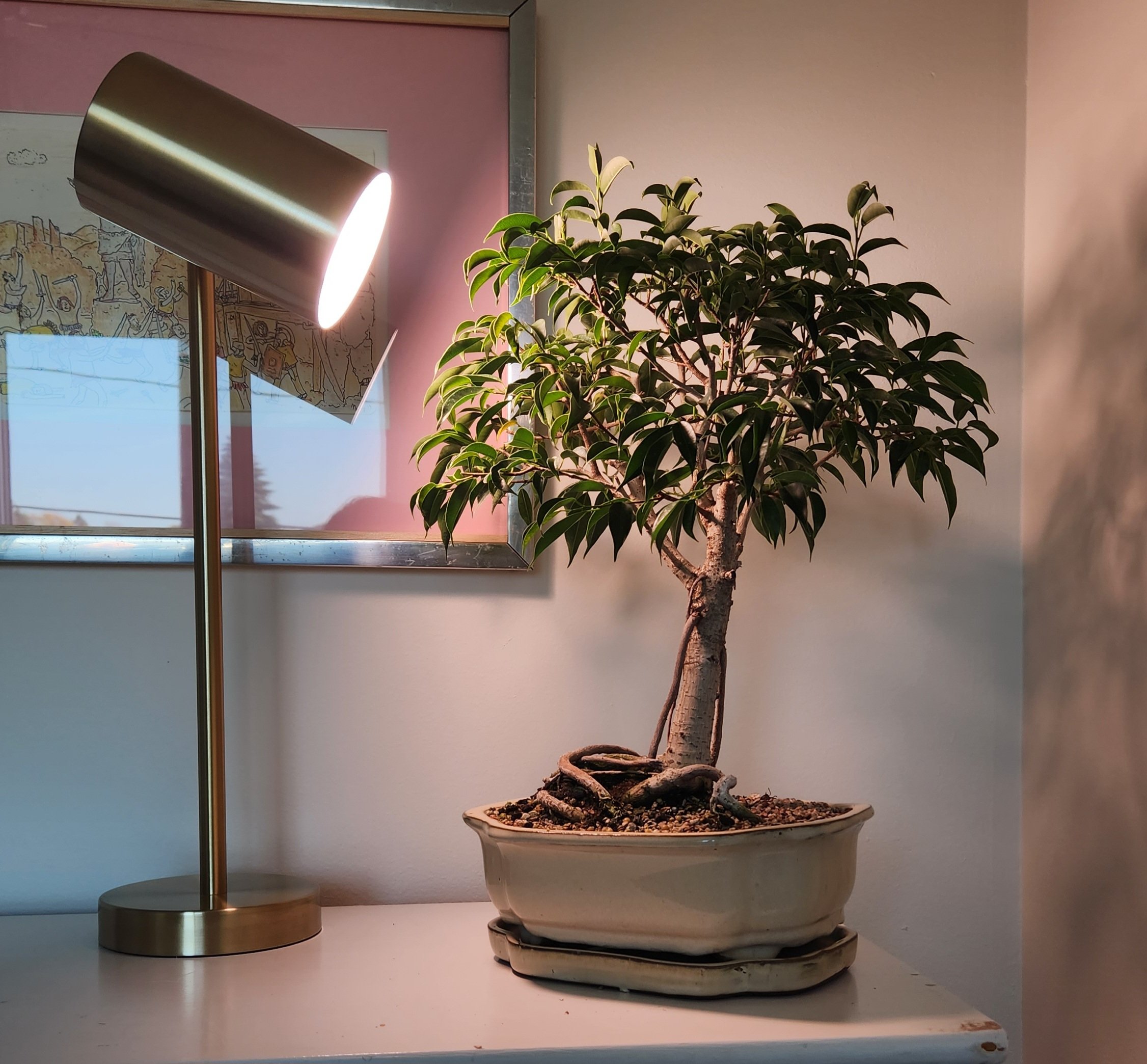
- North windows: best for shade‑loving or supplemental light with a grow lamp.
Using grow lights
- LED grow lights are efficient and low heat.
- Aim for 12–14 hours per day for indoor bonsai that lack natural light.
- Keep LEDs 12–24 inches above foliage depending on power.
- Use full spectrum lights for balanced growth.
Practical test
- Move a potted houseplant to a spot for a week. Watch leaf color and new growth.
- If new shoots are pale and leggy, the light is low. If leaves scorch or curl, the light is too strong.
Repeat: how much light does a bonsai tree need depends on species and placement. Test and adjust.

Signs of too little or too much light and fixes
Spotting stress early prevents loss. Here are clear signs and quick fixes related to how much light does a bonsai tree need.
Too little light
- Signs:
- Thin, elongated stems
- Small, pale leaves
- Slow or no new growth
- Fixes:
- Move to brighter window or add grow light for 10–14 hours.
- Prune weak stems to encourage compact growth.
- Avoid fertilizer until light improves.
Too much light or heat
- Signs:
- Leaf scorch or brown edges
- Rapid leaf drop in sensitive species
- Wilt from heat stress even if soil is moist
- Fixes:
- Provide afternoon shade or move to east exposure.
- Increase humidity and mist if indoors.
- Use shade cloth outdoors during peak summer sun.
Balanced light problems
- Some bonsai need bright, but not direct, midday sun. Learn the species needs.
- Observe seasonally. Spring and fall light differs from summer.
How much light does a bonsai tree need can change with the seasons. Adjust placement and protection accordingly.
Seasonal care, practical tips, and lessons from experience
Season matters. I learned this the hard way when a maple moved from a bright porch to an indoor shelf. It weakened in autumn and needed repotting. Here are practical tips to manage light year‑round.
Seasonal moves
- Spring and fall: give outdoor bonsai maximum sun while temperatures are cool.
- Summer: protect tender species from harsh midday sun.
- Winter: move indoor bonsai close to bright windows or supplement with grow lights.
Water + light balance
- More light means faster soil drying. Water more often when light is high.
- Less light slows growth. Cut back watering and fertilizing to prevent root rot.
Training and pruning
- Adjust wiring and pruning after you stabilize light. Strong light promotes ramification.
- If light is low, delay heavy pruning until growth resumes.
Personal mistakes to avoid
- Don’t assume a window equals enough light. Glass can filter intensity.
- Don’t rely only on visual checks; use a light meter or simple hour tests.
- Don’t overfertilize a weak plant. Improve light first.
How much light does a bonsai tree need is a moving target. Use observation, simple tools, and seasonal adjustments to get it right.
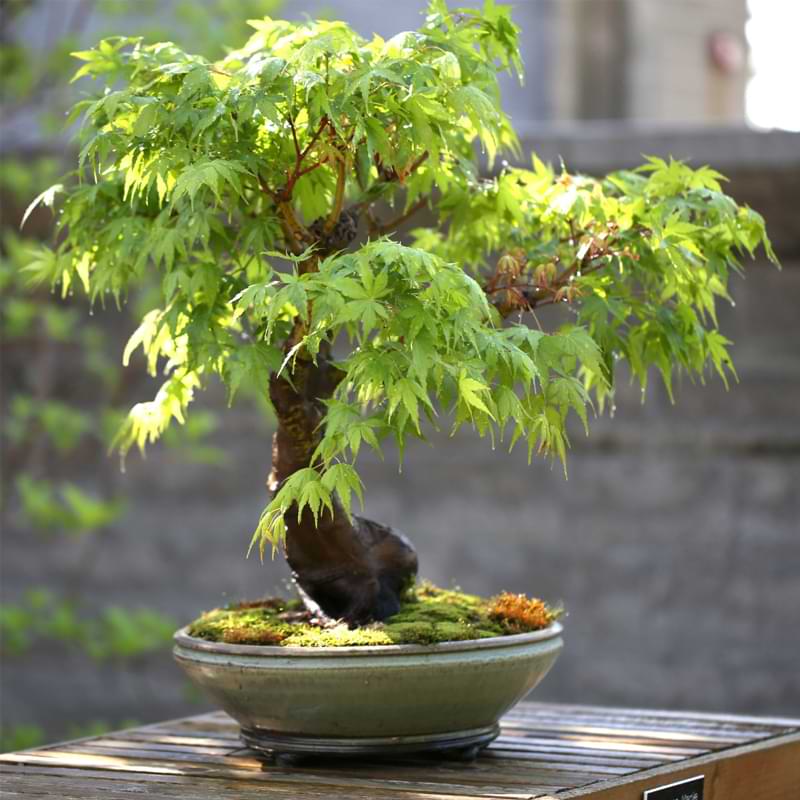
Frequently Asked Questions of how much light does a bonsai tree need
How many hours of sunlight does a bonsai need each day?
Most bonsai do well with 4–8 hours of bright light, while sun‑loving species may need 6–10 hours. Indoor trees often need supplemental light.
Can bonsai survive in low light indoors?
Some indoor bonsai can survive in low light but will grow slowly and lose vigor. Add a grow light or move to a brighter spot for healthy growth.
How do I know if my bonsai is getting too much light?
Watch for scorched or brown leaf edges, rapid wilting, or sunburn spots. Move the tree to filtered light or provide afternoon shade.
Are grow lights necessary for indoor bonsai?
Grow lights are recommended if natural light is limited. They give steady, controllable light and can replace several hours of sunlight.
Should outdoor bonsai be moved indoors in winter?
Only if the species is tropical or cannot handle cold. Most outdoor temperate bonsai need winter dormancy and should stay outside or in a cool shelter.
Conclusion
Light is simple but vital. Know your species, measure your spot, and adjust with placement, shade, or grow lights. Remember that how much light does a bonsai tree need will vary by tree, season, and location. Start small: observe, change one factor, and watch how your bonsai responds. Try a light meter or a simple week‑long test in different spots. If this helped, leave a comment, share your bonsai story, or subscribe for more practical bonsai tips.

Laura Bennett is a gardening writer at MyGardenLabs who creates beginner-friendly guides focused on solving common plant care and gardening problems.