
Is Bonsai A Type Of Tree: Simple Answer
Bonsai is not a separate species; it is a tree trained and cultivated to remain small.
I’ve worked with trees and bonsai for years, and I’ll walk you through exactly what bonsai is, how it relates to ordinary trees, and why the question "is bonsai a type of tree" matters to gardeners and collectors. You’ll learn botanical facts, practical care tips, common myths, and clear examples so you can tell a bonsai from a dwarf species and decide whether bonsai growing is right for you.
:max_bytes(150000):strip_icc()/Bonsai-Pine-Tree-46265373c5e24989b99bfc3e78fe880f.jpg)
What is bonsai?
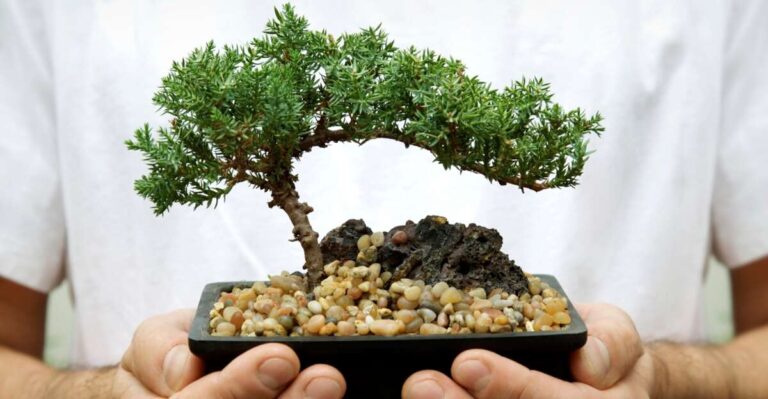
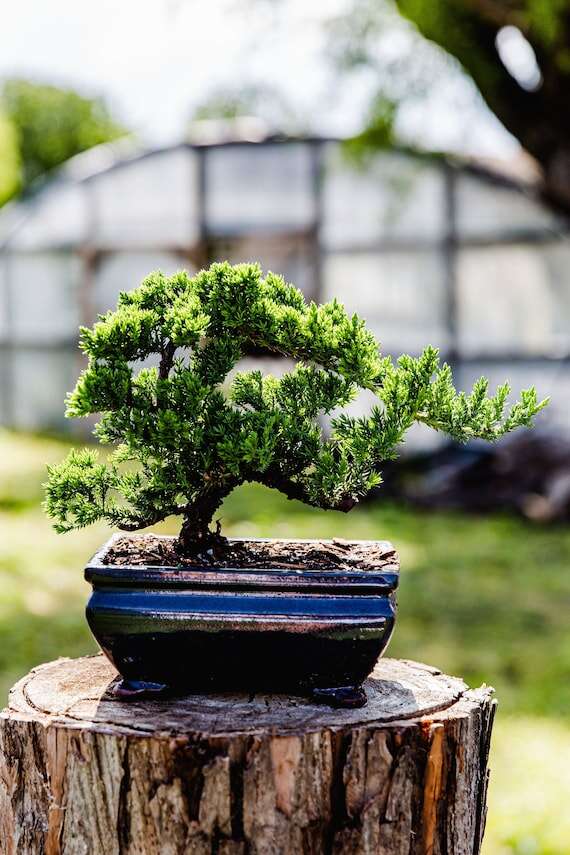
Bonsai is the art of growing trees in containers and shaping them to look like mature, full-sized trees at a miniature scale. The word bonsai comes from Japanese words that mean "tray planting," but the practice started in China and evolved over centuries. Bonsai uses regular tree species, not a unique botanical group. It relies on pruning, root reduction, wiring, and careful pot selection to control size and shape.
I learned early that bonsai is more horticulture than magic. A maple, pine, or fig became a bonsai because someone trained it. The species stays the same, but the form and scale change.

Is bonsai a type of tree? Clear answer and explanation
When people ask "is bonsai a type of tree," they often mean "is bonsai a distinct species or botanical category." The short, clear answer is no: bonsai is not a botanical type or species. Bonsai describes a method and an aesthetic applied to many tree species.
Here’s how to think of it:
- Bonsai is a cultivation method. It is a way to grow and style ordinary trees.
- The same species can exist as a full-size tree in the ground and as a bonsai in a pot.
- Bonsai trees are regular trees trained over time to stay small via pruning and root work.
From a botanical standpoint, classification uses genus and species, not cultivation style. So asking "is bonsai a type of tree" is like asking if "potted" or "trained" is a species — it isn’t. It’s a horticultural label applied to many species.
:max_bytes(150000):strip_icc()/popular-types-of-bonsai-trees-5025687-hero-b3197ea872024ba982ff94380b6456c6.JPG)
How bonsai is created: techniques and principles
Bonsai grows from three main practices: pruning, root management, and styling. Each practice helps keep the tree small and gives it the desired shape.
- Pruning branches and leaves. This controls canopy size and encourages ramification, which creates a mature look.
- Root pruning and repotting. Roots are trimmed to limit growth and keep the tree healthy in a small container.
- Wiring and shaping. Wire guides branch placement and trunk curves to mimic age and natural movement.
- Soil and water control. A fast-draining bonsai mix and precise watering prevent root rot and control vigor.
I’ve trained junipers and maples using these steps. Early mistakes I made were pruning too aggressively and repotting at the wrong season. Those taught me to be patient and to match technique to species.
Why people confuse bonsai with a tree type
Several things cause confusion about "is bonsai a type of tree":
- Visual difference. A bonsai looks unlike its full-size counterpart, so people assume it’s a different kind.
- Dwarf cultivars. Some species have naturally dwarf varieties. People mix up dwarf cultivars and bonsai.
- Cultural labels. In gardening shops, "bonsai tree" is used as a product label, reinforcing the idea it’s a type.
To clarify, a dwarf cultivar is a genetic variant. Bonsai is an artistic method. Both can produce small trees, but their origins differ.
:max_bytes(150000):strip_icc()/Bonsai-Juniper-Tree_GettyImages-1191078639-c86fffdd513648b6b2ee0d658710bc7d.jpg)
Benefits and limitations of bonsai
Bonsai brings unique rewards, but it also has constraints. Knowing both helps you decide if bonsai fits your lifestyle.
Benefits
- Deep connection to a living plant and long-term satisfaction from shaping growth.
- Compactness lets you enjoy trees in small spaces like apartments.
- Artistic and mindful practice that teaches patience and observation.
Limitations
- Time commitment for pruning, watering, and repotting.
- Some species need specific climates or light that indoor settings can’t provide.
- Mistakes can stress or kill the tree; learning curve can be steep.
From my experience, the joy of coaxing a leafing branch into place outweighs the work, but be honest about the time you can give.

Common misconceptions and myth-busting
People often say bonsai trees are genetically stunted, low-maintenance, or only for experts. Here’s the truth.
- Myth: Bonsai are naturally tiny species. Fact: Most bonsai start as ordinary seedlings or nursery stock.
- Myth: Bonsai require little care. Fact: Bonsai demand regular attention, especially watering and seasonal pruning.
- Myth: Bonsai take decades to start. Fact: You can begin a bonsai project from nursery stock and create a pleasing form in a few years, though refinement takes time.
I once bought a "beginner bonsai" that came with vague care notes. I learned to research species-specific needs before buying. That made a big difference in survival.

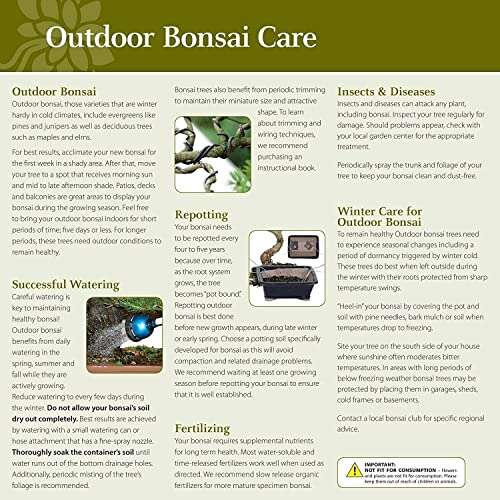
Practical care basics and beginner examples
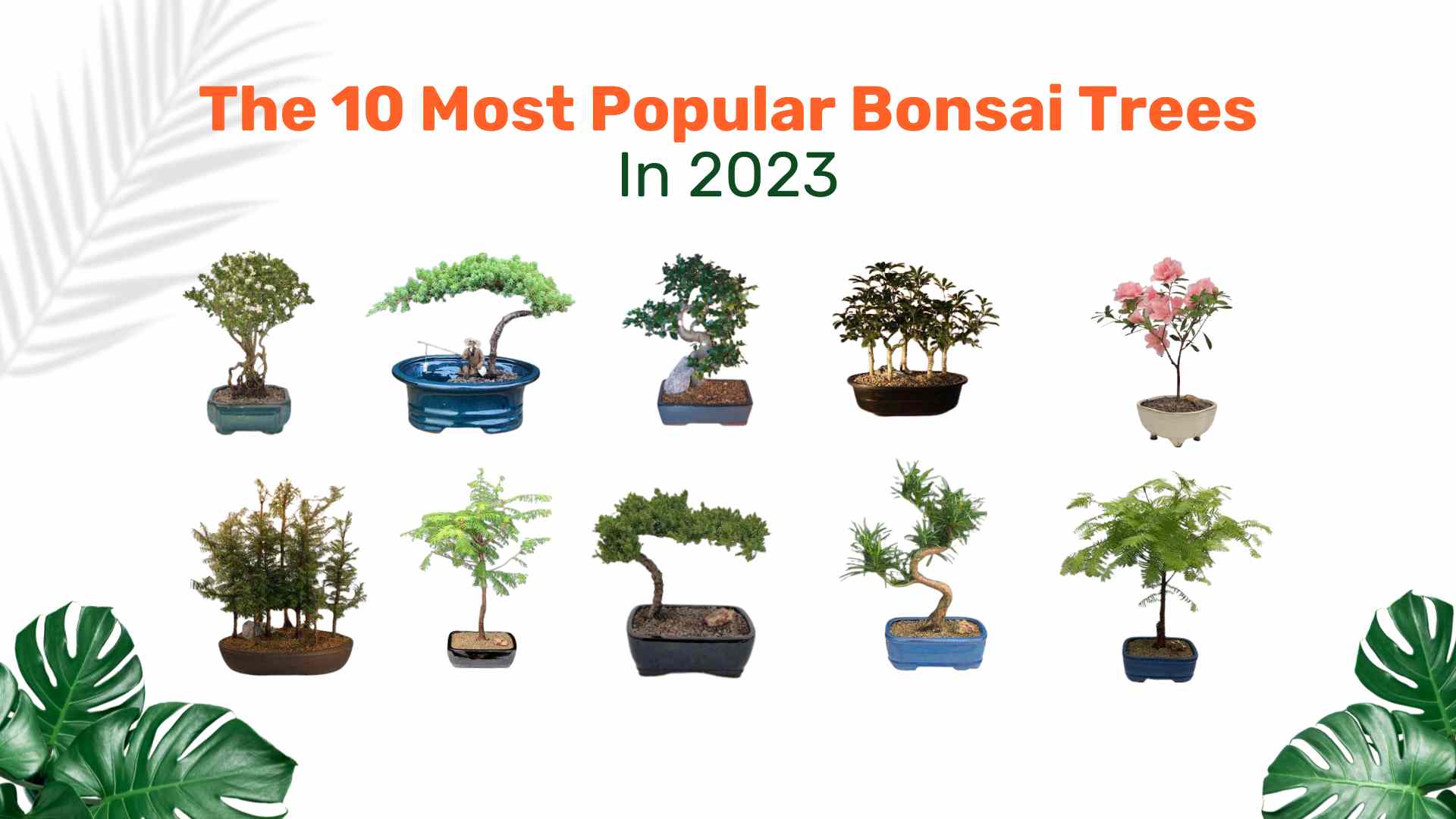
Start with species that tolerate pruning and containers. Common beginner-friendly species include ficus, jade, juniper, and certain maples.
Care basics
- Light. Most bonsai need bright light; outdoor species require direct sun.
- Water. Check soil daily for small pots; water thoroughly when the surface feels slightly dry.
- Feeding. Use a balanced fertilizer during the growing season to replace nutrients lost in confined soil.
- Pruning schedule. Trim new shoots to maintain shape; major structural pruning is best in dormancy for temperate trees.
Examples from my practice
- Ficus bonsai thrived indoors with consistent light and humidity.
- Juniper bonsai did best on a balcony with winter exposure and summer sun.
If you’re asking "is bonsai a type of tree" to decide buying one, pick species suited to your home and time.
Related concepts: dwarf cultivars, penjing, and more
To fully answer "is bonsai a type of tree," it helps to know related practices and terms.
- Dwarf cultivars. Plants bred to be small by genetics.
- Penjing. A Chinese art similar to bonsai that can include landscapes and rocks.
- Topiary. Shaping hedges or shrubs into sculpted forms.
- Container gardening. Broad category that includes bonsai but also larger potted trees and shrubs.
Understanding these terms helps you choose whether you want a bonsai, a dwarf houseplant, or a different form of miniature gardening.
Frequently Asked Questions of is bonsai a type of tree
Is bonsai a separate species of tree?
No. Bonsai is not a species. It is a horticultural practice applied to many tree species to keep them small.
Can any tree species become bonsai?
Many species can be trained as bonsai, especially woody trees with small leaves or adaptable growth. However, suitability depends on climate and care needs.
Are bonsai genetically altered to stay small?
Not usually. Most bonsai are normal species kept small through pruning and root control. Some dwarf cultivars are genetically small, but those are not true bonsai by definition.
Is bonsai better grown indoors or outdoors?
It depends on the species. Tropical species can live indoors, while many true bonsai species need outdoor seasonal changes to thrive.
How long does it take to make a bonsai?
You can shape a pleasing bonsai in a few years from nursery stock, but creating a refined, aged look often takes a decade or more. Patience and consistent care speed progress.
Conclusion
Bonsai is not a type of tree; it’s an artful way to grow ordinary trees at a small scale. You now know the botanical facts, the core techniques, common myths, and practical care steps. If you’re curious, start with an easy species, practice basic pruning and watering, and learn from small mistakes—bonsai rewards steady attention and patience. Try a starter pot, join a local club, or follow a simple how-to course and share your progress in the comments below.

Laura Bennett is a gardening writer at MyGardenLabs who creates beginner-friendly guides focused on solving common plant care and gardening problems.