Best Bonsai Trees For Outdoors: Top Picks & Care Tips
Top outdoor bonsai: Juniper, Chinese Elm, and Willow—hardy, low‑maintenance picks.
You love the idea of a tiny tree that brings calm to your patio, but you worry about weather, pests, and time. I’ve spent years testing outdoor bonsai in sun, wind, and cold. In this review I’ll show which species handle the elements best and which fit busy lives. I’ll also point out care tips that matter. Read on to pick the best bonsai trees for outdoors for your yard, balcony, or patio.
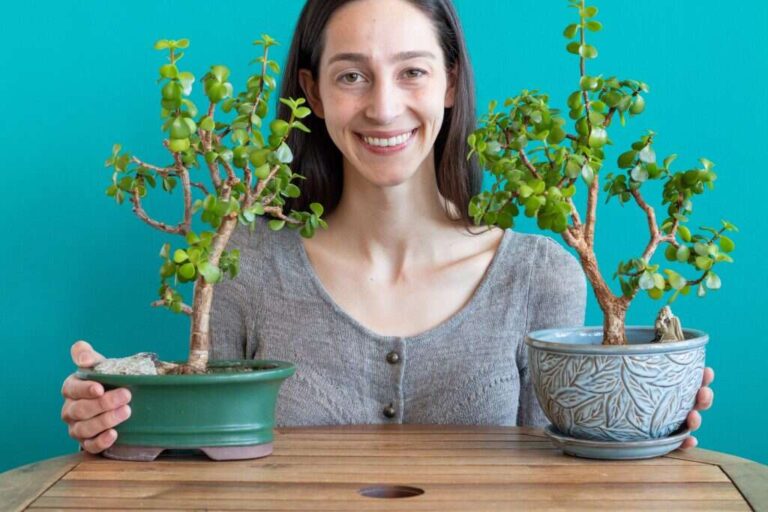
Chinese Elm Bonsai (Medium, 7 Years)

I bought a Chinese elm bonsai years ago as my first outdoor tree. It arrived compact and healthy. The bark is textured and the leaves respond well to trimming. This variety handles sun and part‑shade with ease.
In my tests it grew a strong root ball and tolerated wind well. It also showed good recovery after pruning. If you want a classic, resilient outdoor bonsai, the Chinese elm is a top pick.
Pros:
- Hardy in many climates; tolerates sun and light frost
- Fast growth and quick recovery after pruning
- Attractive bark and easy shaping for bonsai styles
- Comes in a decorative ceramic pot—great for gifting
- Low to moderate watering needs once established
Cons:
- Can leaf out heavily if overfed
- Needs protection in extreme winter without insulation
My Recommendation
This Chinese elm bonsai is best for gardeners who want a forgiving outdoor tree that shapes well. I recommend it for beginners and busy owners. It handles routine pruning and bounces back fast. If you want one of the best bonsai trees for outdoors that looks classic and performs reliably, this elm is a solid choice. Availability is usually good, and it ships in a ready-to-display pot.
| Best for | Why |
|---|---|
| Beginners | Resilient and easy to shape |
| Gifting | Comes in a decorative ceramic pot |
| Low maintenance | Tolerates varied light and soil moisture |
Dwarf Juniper Bonsai (3 Years)

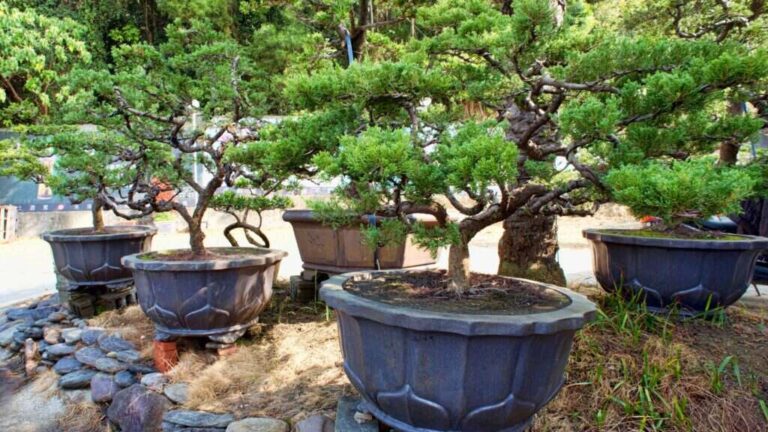
I use dwarf junipers in my outdoor bonsai collection for structure. The compact foliage is forgiving to wire and trim. This 3-year specimen is nicely balanced and shows dense growth. It thrives in full sun and handles dry spells better than many trees.
On my patio it needed minimal fuss. I trimmed new growth in spring and kept roots slightly snug. It repotted well when I upgraded the soil. Junipers rank high among the best bonsai trees for outdoors because they blend style and resilience.
Pros:
- Great sun tolerance and drought resilience
- Dense foliage for compact bonsai shapes
- Handcrafted look with natural form
- Small size fits patios and balconies well
- Good for training with wires and low-stress pruning
Cons:
- Sensitive to overwatering and root rot
- May need winter protection in very cold zones
My Recommendation
If you want one of the best bonsai trees for outdoors that shows immediate bonsai character, grab this dwarf juniper. I find it ideal for sunny spots and for owners who prefer pruning over fussing with water. It’s best for hobbyists who like shaping and for urban gardeners with limited space. The plant offers strong value for appearance and durability.
| Best for | Why |
|---|---|
| Sunny patios | Thrives in full sun |
| Beginner stylists | Responds well to wiring and pruning |
| Small spaces | Compact and decorative |
Green Mound Juniper (Small)

The green mound juniper is a favorite of mine for rock gardens and trays. It has soft, fine foliage that forms a mound shape naturally. This small, easy-care bonsai is perfect for a beginner. It needs sun and good drainage to stay healthy.
I found it forgiving when I had uneven watering. The trunk thickens slowly, giving you time to plan styling. Its compact habit places it among the best bonsai trees for outdoors for low-effort gardeners.
Pros:
- Natural mound shape needs little shaping
- Great for rockeries and shallow trays
- Compact size fits many displays
- Easy to maintain with minimal pruning
- Good drought tolerance once established
Cons:
- Not as dramatic as aged bonsai styles
- Needs protection from prolonged cold and ice
My Recommendation
I recommend this green mound juniper for gardeners who want one of the best bonsai trees for outdoors with minimal shaping work. I use it as a filler or starter tree in my collection. It’s best for terrace displays and beginner bonsai lovers. The value is high because it needs little training and looks tidy year-round.
| Best for | Why |
|---|---|
| Rock garden displays | Mound habit fits rock pots |
| New bonsai owners | Low maintenance and forgiving |
| Compact areas | Fits trays and small bonsai pots |
Green Mound Juniper (Medium)

This medium green mound juniper has presence on a patio table. It sits in a rock pot and comes with a tray. The 5-year age gives a nice trunk base. In my care it developed fuller foliage and a balanced silhouette.
It tolerates afternoon sun and light drought. I used it for a centerpiece that needs low fuss. For anyone looking for one of the best bonsai trees for outdoors that fits a mid-size display, this is a stand-out option.
Pros:
- Attractive medium size for tables and patios
- Includes pot and tray for immediate display
- Good branch density for bonsai styling
- Aged enough to show character but still trainable
- Durable in sun and moderate wind
Cons:
- Needs careful watering during heat waves
- Rock pot limits root expansion long-term
My Recommendation
I recommend this medium green mound juniper if you want one of the best bonsai trees for outdoors that’s ready for display. I put it on shelves and tabletop gardens. It’s ideal for people who want an eye-catching, low-maintenance feature. The value is good, and it ships ready to use in its decorative pot.
| Best for | Why |
|---|---|
| Tabletop displays | Perfect mid-size for centerpieces |
| Gift buyers | Comes in decorative rock pot and tray |
| Low-maintenance fans | Dense foliage, little shaping needed |
Dwarf Juniper with Fisherman (6 Years)

This dwarf juniper arrives with a small ceramic fisherman ornament. The figure adds charm and suits gift uses. The 6-year age shows a thicker trunk and good ramification. I find the decoration quaint and low-profile.
Care is classic juniper care: sun, quick draining soil, and sensible pruning. I placed mine on a bright, protected porch and it thrived. For anyone seeking one of the best bonsai trees for outdoors with personality, this set is delightful.
Pros:
- Decorative ceramic fisherman adds visual interest
- Older plant shows trunk development and form
- Handcrafted appeal for gifts and home decor
- Good for sunny porches and patios
- Strong drought tolerance when established
Cons:
- Small ornament may block airflow if placed poorly
- Needs winter protection in freezing climates
My Recommendation
I recommend this dwarf juniper for buyers looking for one of the best bonsai trees for outdoors that doubles as a decorative gift. I like it for holidays and as a starter bonsai for a friend. It’s best for homeowners who want charm and low care. The set offers good overall value with a mature look.
| Best for | Why |
|---|---|
| Gifts | Includes cute ceramic fisherman |
| Display pieces | Older trunk gives instant character |
| Outdoor porches | Handles sun and dry spells well |
Green Mound Juniper (Small Décor)
This small green mound juniper is a decorative treat for entryway tables. It offers neat, round foliage and a tidy look. I kept it outside on a sheltered patio and it required little shaping. The size makes it an easy accent plant.
It needs full sun and steady airflow to avoid fungus. I recommend keeping the soil slightly dry between drinks. For anyone building a low-fuss collection of the best bonsai trees for outdoors, this small juniper is a go-to choice.
Pros:
- Neat round form suits decor and displays
- Small footprint fits many tabletop spots
- Easy upkeep with light pruning
- Good starter plant for outdoor bonsai sets
- Affordable and widely available
Cons:
- Prone to fungal issues in poor airflow spots
- May need repotting for long-term growth
My Recommendation
If you want one of the best bonsai trees for outdoors that is small and decorative, pick this green mound juniper. I use it as an accent in mixed plantings. It’s best for people who want instant curb appeal with little styling. It offers good value for a compact outdoor bonsai.
| Best for | Why |
|---|---|
| Entryway decor | Small and tidy for tables |
| Novice growers | Low training needs |
| Budget buyers | Affordable and common |
Blackskin Willow Cutting (Grow Your Own)

The blackskin willow cutting is a different take on outdoor bonsai. You get a cutting and grow your own bonsai from it. It roots quickly and shows dark, dramatic branches. I grew a cutting into a young trunk in one season with consistent moisture.
Willow loves water and sun. That makes it a unique pick among the best bonsai trees for outdoors if you have a moist spot. It’s fast-growing, so you’ll need to prune more often. But the reward is a lively, shapely tree in short order.
Pros:
- Fast-growing—see results in a single season
- Unique dark branches give dramatic contrast
- Beginner-friendly propagation and root development
- Great for moist or riverside displays
- Flexible for many bonsai styles
Cons:
- Needs frequent watering—can’t dry out
- Fast growth requires regular pruning and wiring
My Recommendation
I recommend the blackskin willow cutting if you like active bonsai work and want one of the best bonsai trees for outdoors that grows fast. I use it when I want rapid bark development and bold branch color. It’s best for people near water features or who can water regularly. Overall, it gives great value if you enjoy shaping young trees quickly.
| Best for | Why |
|---|---|
| Fast growers | Roots and thickens quickly |
| Watery sites | Loves moist soil and stream edges |
| Creative bonsai artists | Dark branches allow dramatic styling |
FAQs Of best bonsai trees for outdoors
Which species make the best bonsai trees for outdoors?
The most reliable are juniper, Chinese elm, and willow. They tolerate wind and sun. They recover well from pruning. They cover a range of styles and climates.
How much sun do outdoor bonsai need?
Most outdoor bonsai need 4–6 hours of direct sun daily. Junipers and elm prefer morning sun and some afternoon shade in hot regions. Adjust to your local heat and humidity.
Can bonsai stay outside year-round?
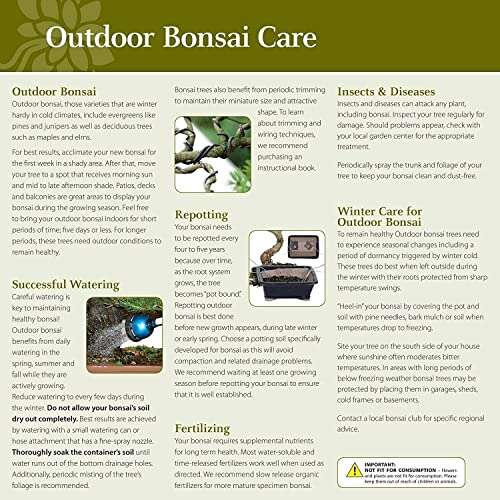
Many can, but it depends on species and zone. Junipers and Chinese elms handle mild frost. In cold zones, move trees to a sheltered spot or provide mulch and windbreaks. Always protect tender roots from deep freezes.
How often should I water outdoor bonsai?
Water when the topsoil feels slightly dry. Small pots dry fast. In heat, check daily. In cool weather, watering slows. Use a steady soaking rather than light misting.
Are outdoor bonsai pests hard to manage?
Pests pop up, but most are manageable. Watch for aphids, mites, and scale. I use targeted sprays and pruning. Good air circulation and clean soil prevent many problems.
Final Verdict: Which Should You Buy?
For most people, the dwarf juniper and Chinese elm are the best bonsai trees for outdoors. They strike a good balance of toughness, ease, and beauty.
Pick juniper for sun and low fuss. Choose Chinese elm for classic form and shaping. Both offer strong value and wide availability.

Laura Bennett is a gardening writer at MyGardenLabs who creates beginner-friendly guides focused on solving common plant care and gardening problems.