How Do You Trim A Bonsai: Step-By-Step Pruning Guide
Trim a bonsai by pruning and pinching growth regularly to shape and maintain tree health.
I’ve trimmed hundreds of bonsai over the years, from junipers to maples. This guide explains exactly how do you trim a bonsai with clear steps, smart timing, the right tools, and simple aftercare. Read on and you’ll learn practical tips, common mistakes, and species-specific advice so your bonsai stays healthy and beautifully shaped.
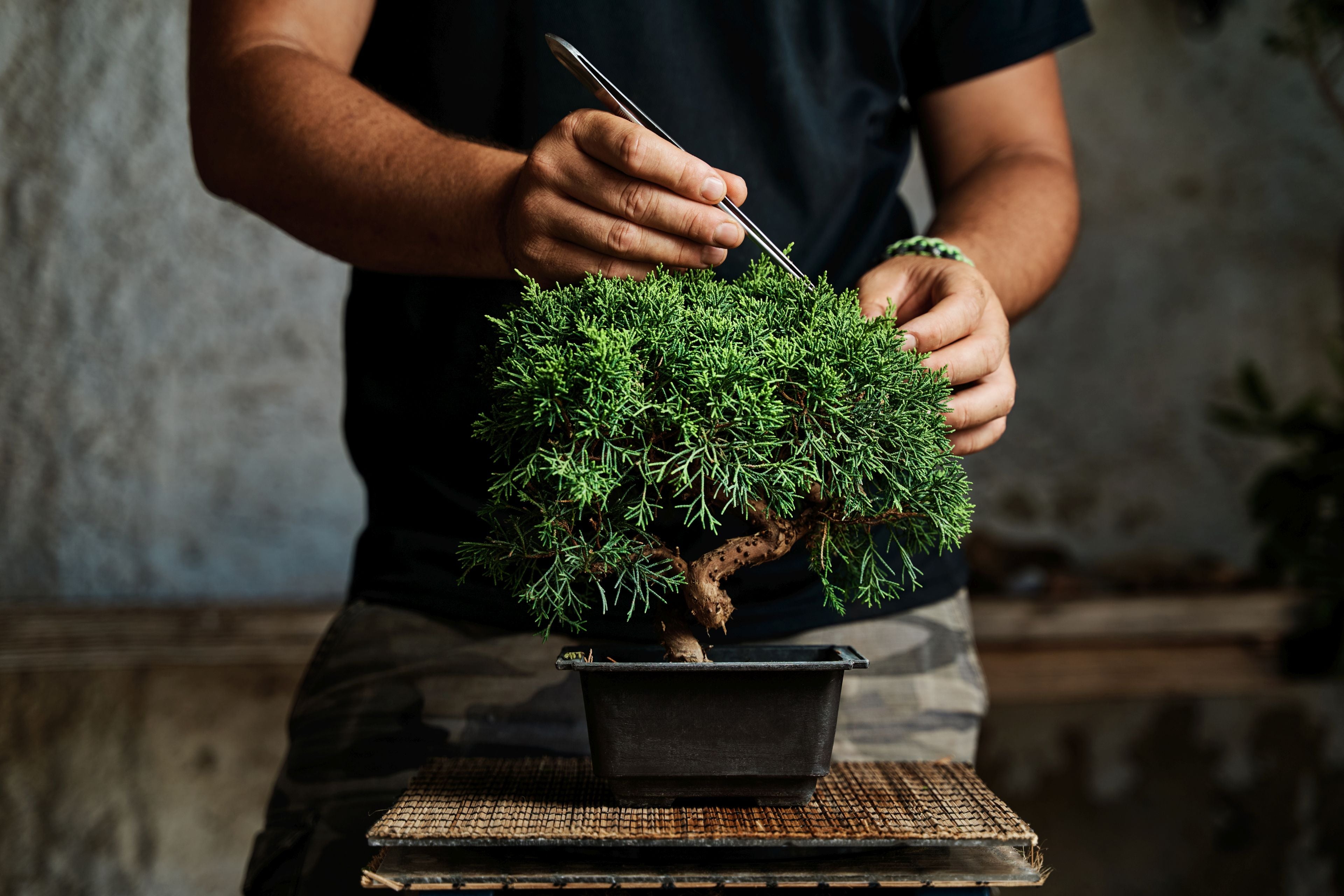
Why trimming matters for a bonsai
Trimming keeps the tree small and balanced. It improves light access and air flow through the foliage. Regular trimming makes branches produce finer growth and helps the trunk and branch structure look mature.
Trimming also prevents weak, long shoots from wasting the tree’s energy. Knowing how do you trim a bonsai means you can shape it without hurting its health. When done right, trimming boosts vigor and refines style.
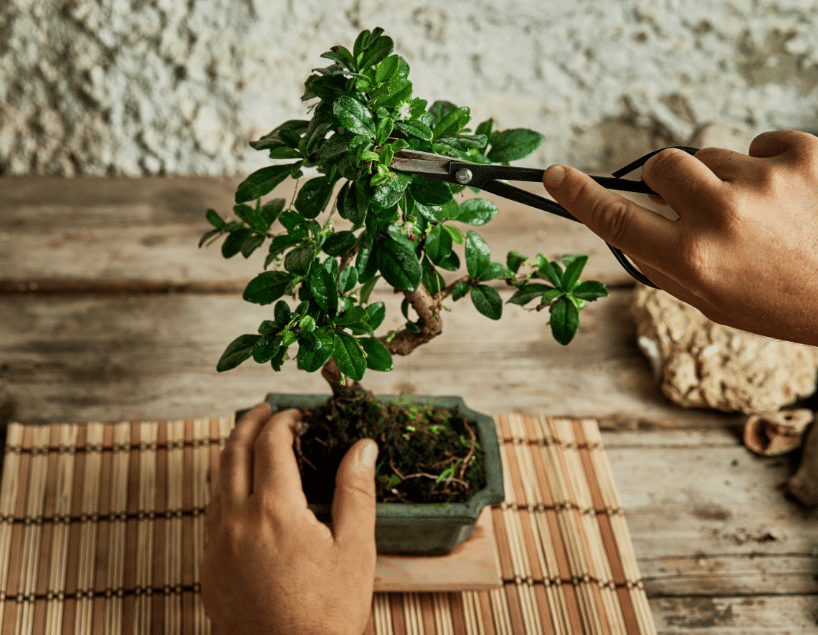
Tools you need to trim a bonsai
Use clean, sharp tools for safe cuts. Here are essentials:
- Concave cutters for branch removal and smooth healing.
- Sharp scissors or bonsai shears for small cuts and leaf trimming.
- Wire cutters if you plan to wire branches later.
- Tweezers or knob cutters for roots and jin work.
- Rubbing alcohol or disinfectant to clean tools between cuts.
Good tools reduce damage and infection. Invest in at least one quality cutter. I learned this the hard way when blunt shears tore bark on a prized elm.
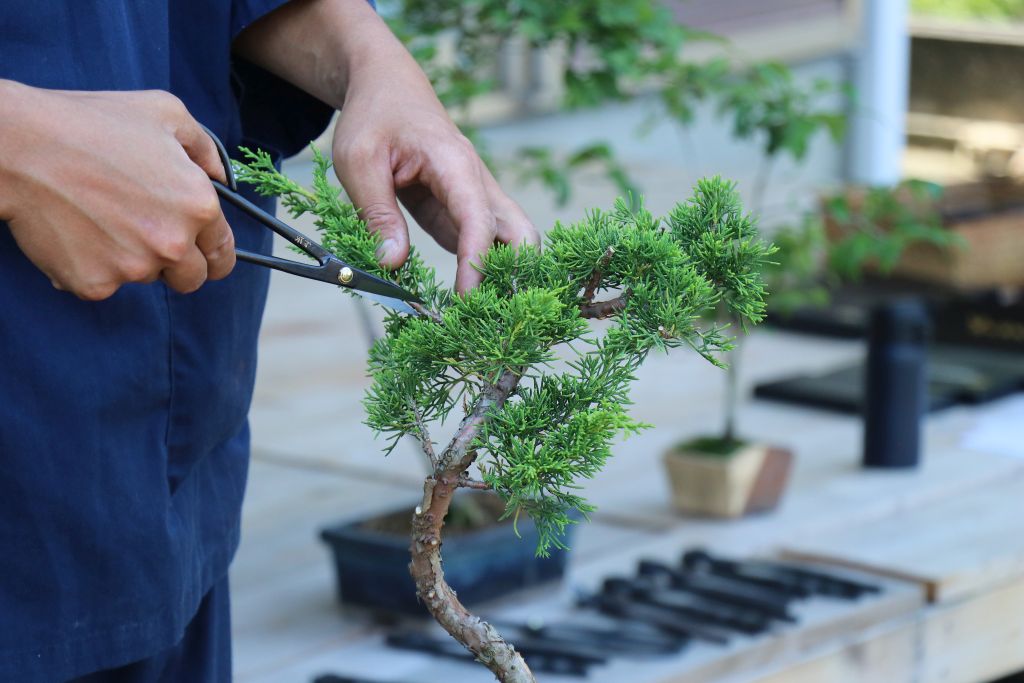
When to trim your bonsai
Timing depends on species and goal. General rules:
- Structural pruning: late winter or early spring when tree is dormant.
- Maintenance pruning: spring through summer to manage new shoots.
- Leaf pruning (defoliation): early summer for deciduous trees in strong health.
- Avoid heavy pruning in fall or late winter for sensitive species.
As you learn how do you trim a bonsai, follow seasonal cues for the species. Trimming at the wrong time can stress the tree. I always mark my calendar by species to avoid mistakes.

How do you trim a bonsai — step-by-step
Follow these steps for a safe, repeatable approach.
- Inspect the tree first
- Look at the trunk, main branches, and growth points.
- Decide on overall style and which branches must be removed.
- Do structural pruning
- Remove large unwanted branches in late winter.
- Cut at the branch collar using concave cutters to help healing.
- Do maintenance pruning
- Pinch or cut back new shoots to the first or second pair of leaves.
- Maintain the silhouette. Remove crossing or inward-growing branches.
- Thin foliage for light and airflow
- Remove dense clumps to let light reach inner branches.
- Avoid over-thinning; keep enough foliage to feed the tree.
- Consider leaf pruning for leaf size and ramification
- For deciduous trees, remove select leaves in summer to encourage smaller leaves and finer branching.
- Clean and treat cuts
- Remove debris from cuts. For large wounds, use wound dressing if your species benefits from it.
Trim regularly and gently. Practice on small branches first. The question “how do you trim a bonsai” becomes easy once you follow a step-by-step routine.

Wiring vs trimming: when to use each
Wiring shapes the branch direction. Trimming controls growth and silhouette.
- Use wiring to reposition branches over months.
- Use trimming to shorten, thin, and refine branches.
Don’t wire immediately after heavy pruning. Wait until the branch has healed enough. Both techniques work together to form a strong, balanced bonsai.
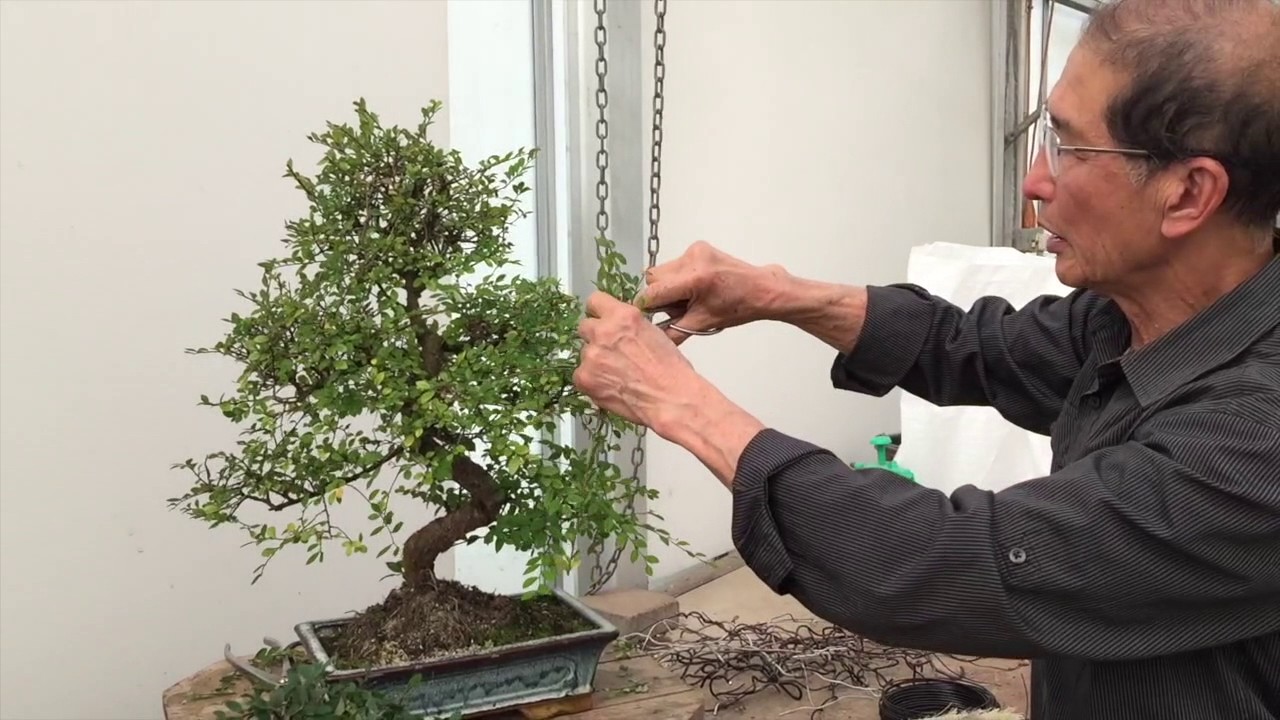
Aftercare following a trim
After trimming, help the tree recover with simple steps:
- Keep the tree out of direct harsh sun for a few days.
- Water consistently; trimmed trees may need slightly more attention.
- Avoid heavy fertilizing for two weeks after major cuts.
- Monitor for pests and disease.
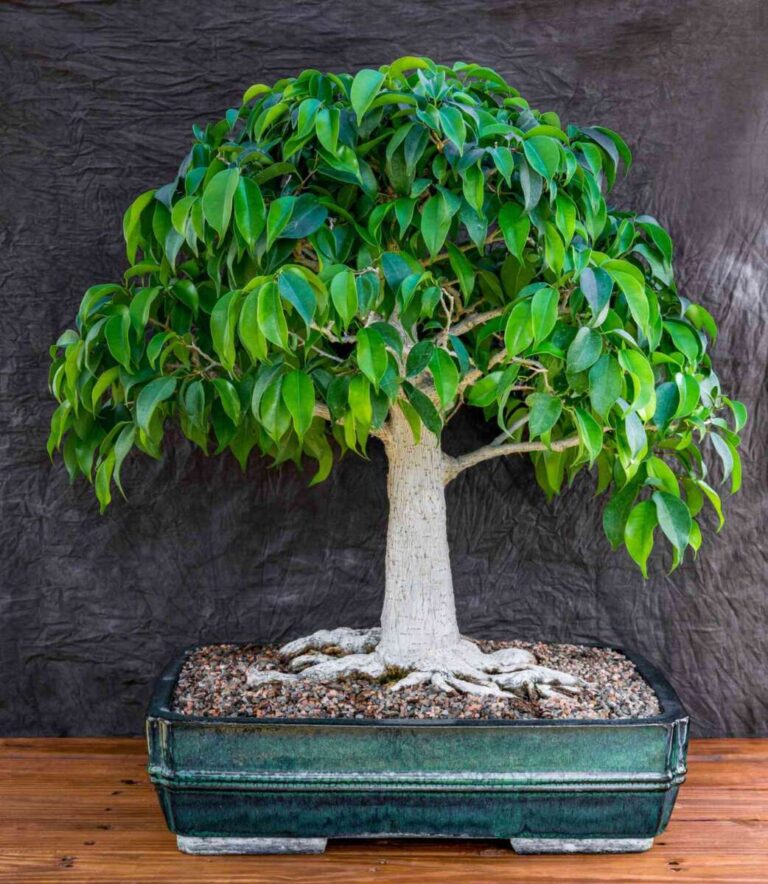
I once trimmed a ficus too heavily and kept it indoors with stable humidity. It bounced back in weeks with steady care.

Common mistakes and how to avoid them
Avoid these pitfalls:
- Cutting too much at once; prune in stages.
- Using dull or dirty tools; always clean and sharpen.
- Ignoring the branch collar; improper cuts slow healing.
- Trimming at the wrong season for that species.
- Neglecting aftercare and monitoring for stress.
Learning how do you trim a bonsai means avoiding these errors. Mistakes teach you faster than success, but steady practice prevents many common issues.

Species-specific tips
Different trees respond differently to trimming.
- Juniper: Pinch new growth; avoid heavy leaf pruning.
- Maple: Structural pruning in winter; defoliate lightly in early summer for smaller leaves.
- Pine: Prune candles in late spring; avoid removing green needles that feed the tree.
- Ficus: Cut back shoots year-round in warm climates and maintain vigor with regular watering.
Know your species. If unsure, start with conservative pruning and watch how the tree responds before cutting more.

PAA-style questions
What tools are best when learning how do you trim a bonsai?
- Start with concave cutters and good bonsai shears. Clean tools help prevent disease and make neat cuts.
How often should I trim a bonsai for shape?
- Trim maintenance every 4–8 weeks during the growing season. Structural pruning is yearly or every few years.
Can I trim a bonsai if I’m a beginner?
- Yes. Start with small maintenance cuts and learn to read growth patterns. Practice on inexpensive or young trees first.
Frequently Asked Questions of how do you trim a bonsai
How much should I cut when trimming a bonsai?
Cut conservatively. Remove no more than 20–30% of foliage in one session to avoid stress.
Is it better to pinch or use scissors?
Use pinching for soft new growth and scissors for woody branches. Pinching encourages finer ramification.
How do I prevent scarring after big cuts?
Use concave cutters and cut at the branch collar. Consider a wound dressing for very large wounds if your tree’s species needs it.
Can trimming make my bonsai bushier?
Yes. Pruning back shoots encourages side buds and denser branching, which makes the tree look bushier.
What should I do if I over-prune my bonsai?
Reduce stress by giving steady care: stable light, consistent watering, and light feeding once recovery begins. Be patient; recovery can take weeks to months.
Conclusion
Trimming is both art and care. When you learn how do you trim a bonsai with the right tools, timing, and gentle technique, your tree will thrive and gain beautiful form. Start small, practice often, and keep notes on each tree’s response. Try trimming one branch at a time this week and watch how the shape improves. If you found this helpful, subscribe, try the steps, and leave a comment with your bonsai type or a photo.

Laura Bennett is a gardening writer at MyGardenLabs who creates beginner-friendly guides focused on solving common plant care and gardening problems.