What Is A Bonsai Plant: Complete Beginner Guide
A bonsai plant is a full-size tree trained to grow in miniature form through pruning and pot culture.
I have worked with bonsai for years and taught beginners how to care for them. In this article I will explain what is a bonsai plant in clear, practical terms. You will learn roots, pruning, styles, care basics, common mistakes, and how bonsai differs from ordinary potted plants. Read on and you will know enough to pick, pot, or prune your first bonsai with confidence.
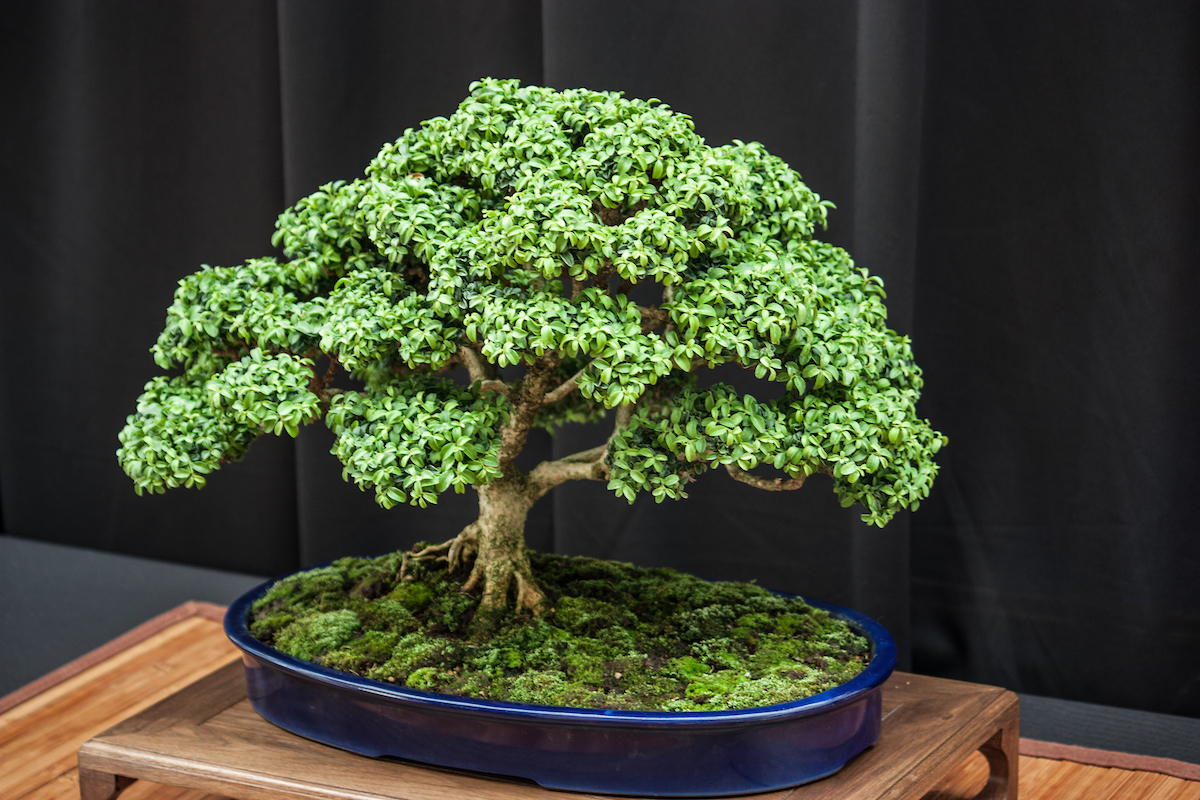
What is a bonsai plant? Definition and meaning
A bonsai plant is not a species. It is a tree or shrub grown in a small container and trained to look like a mature, natural tree. The art focuses on scale, proportion, and aesthetic form. Bonsai relies on regular pruning of roots and shoots, wiring branches, and careful watering to stay small and healthy.
Bonsai combines horticulture and design. Knowing what is a bonsai plant helps you see the difference between a mini tree and a houseplant. The aim is to evoke nature in miniature, using living material that will change over years.
:max_bytes(150000):strip_icc()/ML_Grow_Bonsai-8-2000-54d3d1a7424b4359b44e52383f40b834.jpg)
A brief history of bonsai
The practice began centuries ago in East Asia. Early forms came from China and developed further in Japan. Over time, artists refined styles and techniques that we use today.
Modern bonsai became popular worldwide in the 20th century. Today collectors and hobbyists keep bonsai for beauty, meditation, and skill. The history shows that what is a bonsai plant is both cultural art and living craft.

Bonsai versus regular potted plants
Many people ask how a bonsai plant differs from a regular potted plant. Here are the key differences:
- Scale and proportion: A bonsai mimics a full-size tree in miniature. Regular pots hold plants grown for utility or decoration without mimicking a landscape.
- Training and pruning: Bonsai demands continuous shaping by trimming roots and branches. Most potted plants get occasional pruning only.
- Lifespan and commitment: A bonsai plant is often kept for decades and passed down. A typical potted plant has a shorter, less-managed life.
- Containers and soil: Bonsai uses shallow pots and fast-draining soil. Regular pots often use deeper containers and a richer potting mix.
Understanding these differences clarifies what is a bonsai plant and why caring for one feels different.

Common bonsai styles and species
Bonsai designs use clear style categories to guide shaping. Common styles include:
- Formal upright: straight trunk, balanced branches.
- Informal upright: gentle trunk curves, natural look.
- Slanting: trunk grows at an angle, suggesting wind or slope.
- Cascade: branches hang below the pot rim, like a tree on a cliff.
- Literati: minimal branches, expressive trunk lines.
Popular species for bonsai:
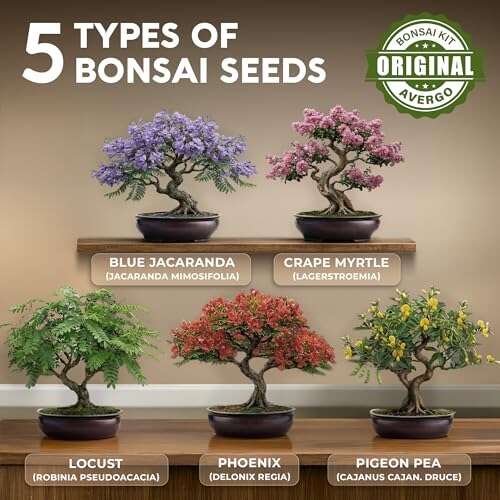
- Juniper: hardy, easy to train.
- Ficus: good indoors, fast growth.
- Maple: valued for fall color.
- Pine: classic conifer bonsai, long-lived.
- Chinese elm: tolerant and forgiving.
Choosing the right species helps you succeed. Knowing what is a bonsai plant includes matching style and species to your climate and skill.
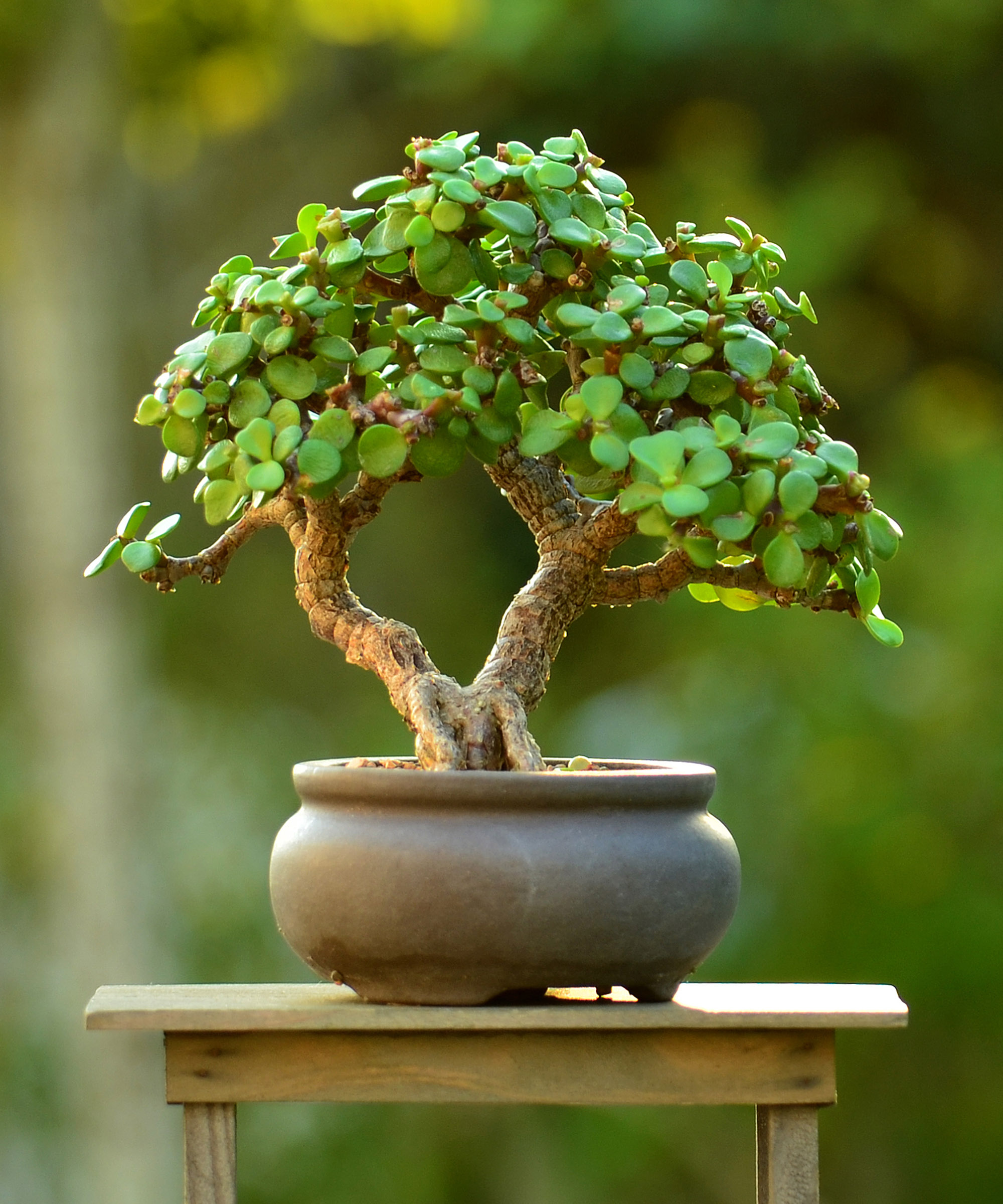
How bonsai are made: core techniques
Creating a bonsai plant uses repeatable steps. Key techniques include:
- Pruning shoots: trims leaves and branches to shape the silhouette.
- Root pruning: reduces root mass to keep the tree small and to fit the pot.
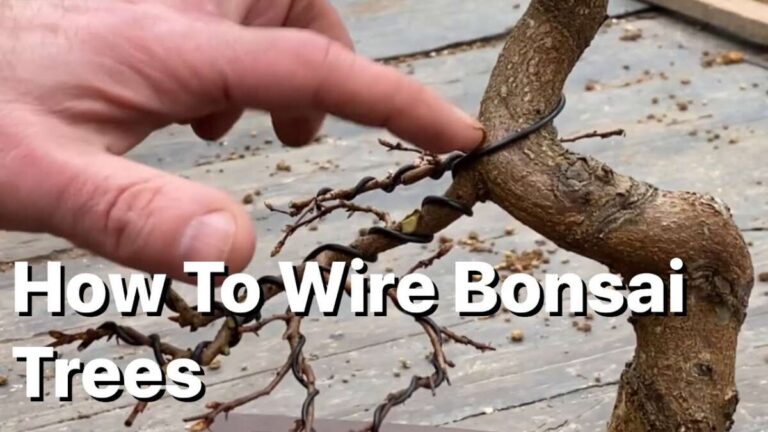
- Wiring branches: wraps wire to guide branch direction and angle.
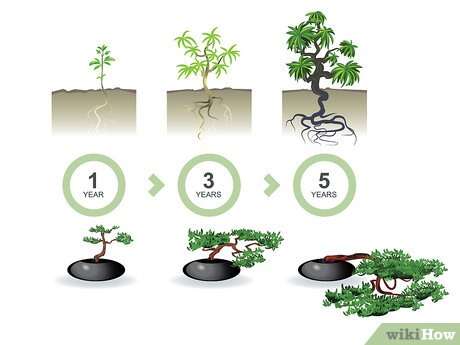
- Repotting: refreshes soil and trims roots every 1–5 years depending on the tree.
- Defoliation: removing leaves to promote smaller foliage and ramification.
These actions are done gently and timed to the tree’s growth cycle. When you understand what is a bonsai plant, you see these methods preserve health while shaping beauty.

Care basics for bonsai
Caring for a bonsai plant requires attention to light, water, soil, and feeding. Keep instructions simple:
- Light: most bonsai need bright, indirect light or direct morning sun.
- Water: water when the top soil feels slightly dry; do not let the soil stay soggy.
- Soil: use a free-draining mix that holds some moisture but allows air to reach roots.
- Fertilizer: apply balanced fertilizer during the growing season to support health.
Two quick questions readers often ask:
What is the best watering schedule for a bonsai plant? Watering varies by species, pot size, and climate; check soil daily and water thoroughly when slightly dry.
Can I keep a bonsai plant indoors? Some species, like ficus, do well indoors, but many bonsai are outdoor trees and need seasonal cold to thrive.
These concise answers show practical care without overcomplication.
Benefits and limitations of bonsai
Benefits:
- Living art: a bonsai plant brings a crafted natural focal point into your space.
- Mindful hobby: providing ongoing care builds patience and observation skills.
- Small footprint: bonsai lets you keep trees in small spaces.
Limitations:
- Time investment: regular pruning and repotting are required.
- Not low-maintenance: neglect can quickly harm the tree.
- Specific climate needs: not every species fits indoor living or every zone.
When you ask what is a bonsai plant, think about these trade-offs. The joy is large relative to the space it occupies.
Common mistakes and practical tips (from my experience)
I have killed a few trees and learned a lot. Here are practical tips I wish I had known early:
- Don’t water on a fixed schedule. Check the soil, then water deeply.
- Avoid over-pruning new bonsai. Remove small amounts and wait to see the response.
- Match species to conditions. A pine outdoors will not thrive on a sunny windowsill.
- Use proper tools. A small pair of bonsai shears gives cleaner cuts than household scissors.
- Learn repotting timing. Repot in spring for most temperate species to reduce shock.
Mistakes teach the craft. When you understand what is a bonsai plant, you become better at prevention and rescue.
Related practices: penjing, saikei, and other forms
Bonsai sits among related arts that shape nature small:
- Penjing: an older Chinese form that often includes landscape elements and figurines.
- Saikei: miniature landscapes with multiple plants and landforms.
- Topiary: sculpting hedges or shrubs into shapes, usually full-size or larger.
Knowing these helps clarify what is a bonsai plant versus similar arts. Each has its rules and aesthetic goals.
Frequently Asked Questions of what is a bonsai plant
What is the difference between bonsai and dwarf trees?
A dwarf tree is a naturally small variety or cultivar. A bonsai plant is any tree trained and kept small in a container, regardless of species.
How long does a bonsai plant live?
With proper care, many bonsai live for decades and some live centuries. Lifespan depends on species, care, and environment.
Can beginners keep a bonsai plant indoors?
Some species, like ficus and jade, are beginner-friendly indoors. However, many traditional bonsai species need outdoor light and seasonal changes.
How often should I repot a bonsai plant?
Repotting frequency depends on growth and pot size; common intervals range from every 1 to 5 years. Younger, fast-growing trees need more frequent repotting.
Do bonsai plants need special soil?
Yes. Bonsai soil must drain well yet retain some moisture and air. Commercial bonsai mixes or a mix of pumice, akadama, and organic matter is common.
Conclusion
A bonsai plant is a living tree shaped and maintained to look like a mature tree in miniature. It blends horticulture, design, and patience. If you want a living craft that rewards care and time, start with a hardy species, learn basic pruning and watering, and accept mistakes as part of learning. Try one small project: choose a starter species, buy the right soil, and prune a few small branches this season. Share your progress or ask questions to build skills and community.

Laura Bennett is a gardening writer at MyGardenLabs who creates beginner-friendly guides focused on solving common plant care and gardening problems.