How To Bonsai A Japanese Maple: Step-By-Step Guide
Start a Japanese maple bonsai by choosing the right tree, soil, timing, and pruning techniques.
I have spent years training Japanese maples as bonsai, and I will walk you through how to bonsai a Japanese maple step by step. This guide covers selection, soil, pruning, wiring, repotting, seasonal care, common issues, and styling. You will get practical tips from real experience, clear timelines, and simple routines that make this art achievable. Read on to learn how to bonsai a Japanese maple with confidence and patience.
Why choose a Japanese maple for bonsai
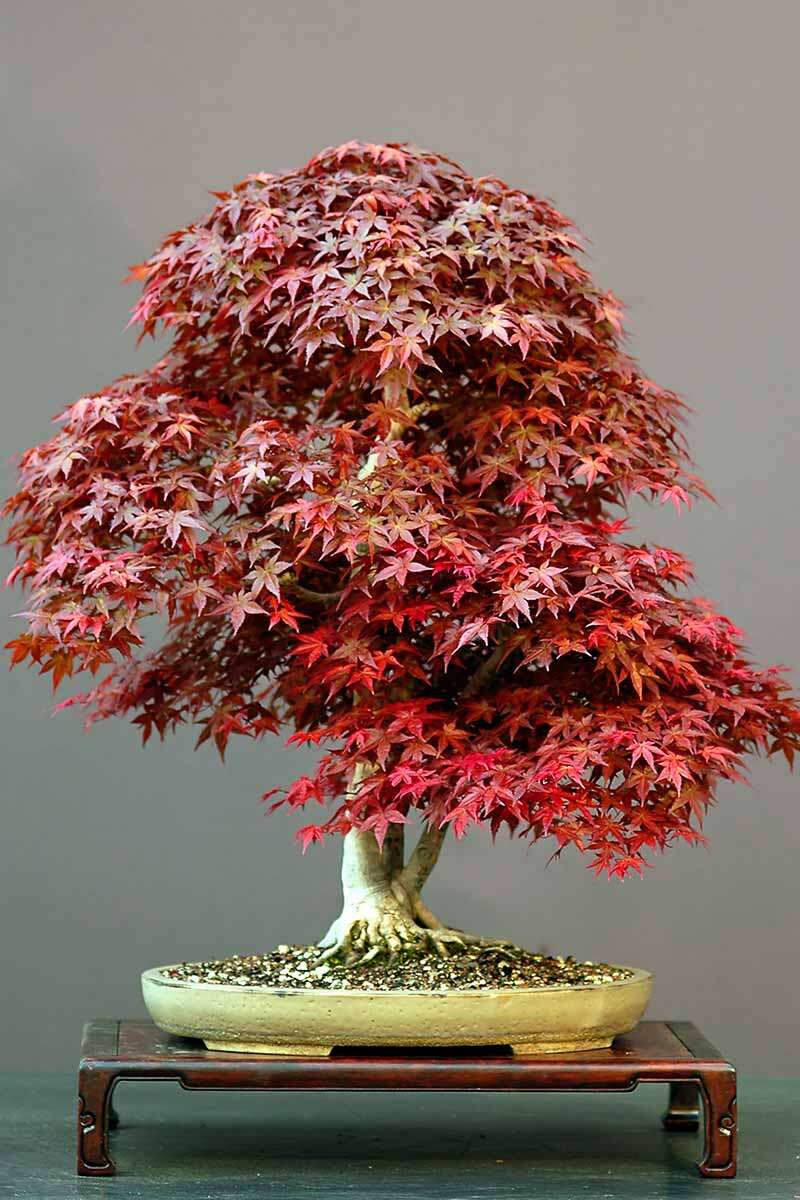
Japanese maples are prized for fine leaves, graceful branching, and striking seasonal color. They adapt well to many bonsai styles and reward careful shaping with dramatic results. If you want beauty, patience, and a tree that responds to light shaping, learning how to bonsai a Japanese maple is a smart choice.
- Aesthetic appeal: delicate leaves and vivid fall color.
- Growth habit: responsive to pruning and shaping.
- Versatility: fits formal upright, slanting, and literati styles.

Choosing the right tree and material
Selecting the right material is the first step in how to bonsai a Japanese maple. Choose between nursery stock, semi-cascade starters, or collected trees. Young nursery saplings are forgiving. Collected trees have character but need careful rehab.
Consider these factors when choosing a tree:
- Species and cultivar: Acer palmatum varieties have different leaf sizes and hardiness.
- Age: younger trees are easier to shape; older trees have more established trunks.
- Trunk and nebari: look for taper and visible root flare for a natural bonsai look.
- Health: avoid trees with pests, severe dieback, or root rot.
I once started with a small nursery maple. I lost a season due to potting mix mistakes. That taught me to inspect roots and bark closely before buying.
Tools, soil, and supplies you need
Good tools and soil make how to bonsai a Japanese maple practical and predictable. Use tools that fit your hands and tasks. Soil should drain yet hold moisture.
Essential tools and supplies:
- Pruners: sharp curved shears for branch cuts.
- Concave cutter: for neat trunk and branch wounds.
- Wiring: aluminum or annealed copper in various gauges.
- Soil mix: a free-draining mix with akadama, pumice, and lava rock, or quality bonsai soil alternatives.
- Root rake and chopstick: for repotting and settling soil.
- Pot with drainage holes: size matched to tree age and style.
I recommend testing a soil mix on a spare container first. My early maples sat too wet in heavy soil and suffered root issues. That experience taught me to prefer gritty mixes.
:strip_icc()/Bonsai-Japanese-Maple_GettyImages-482617609-6cd85951c9a7485cabe46413262dc31a.jpg)
Basic pruning and styling techniques
Pruning and wiring are core skills in how to bonsai a Japanese maple. Prune for structure first, then refine with maintenance cuts. Wire to set direction, not to force growth.
Steps to prune and style:
- Structural pruning: remove crossing branches and large inward-growth.
- Branch selection: choose primary, secondary, and tertiary branches for balance.
- Wiring: wrap from trunk outward, support branch with proper angling, and avoid tight wraps.
- Leaf pruning: use selective leaf pruning in summer to increase ramification and reduce leaf size.
Keep cuts clean and angled. I learned the hard way that leaving stubs invites rot. When wiring, check often. Maples grow fast in spring and wire can bite in just weeks.
:max_bytes(150000):strip_icc()/growing-japanese-maple-bonsai-5085314_02-d3f41f2a659e4d1ba5d1eb2b53978277.jpg)
Root work and repotting schedule
Root health is central to how to bonsai a Japanese maple. Repot young maples every 1–2 years and older ones every 3–4 years, depending on vigor. Repot in late winter to early spring before bud swell.
Repotting steps:
- Remove the tree from the pot and inspect roots.
- Trim circling roots and reduce root mass conservatively.
- Replace old soil with fresh bonsai mix and position the tree securely.
- Water thoroughly and keep the tree shaded for several weeks.
I usually keep a spare pot ready. When repotting my own maples, I prune roots by about 20–30% unless the tree is weak. That balance keeps vigor without shocking the tree.
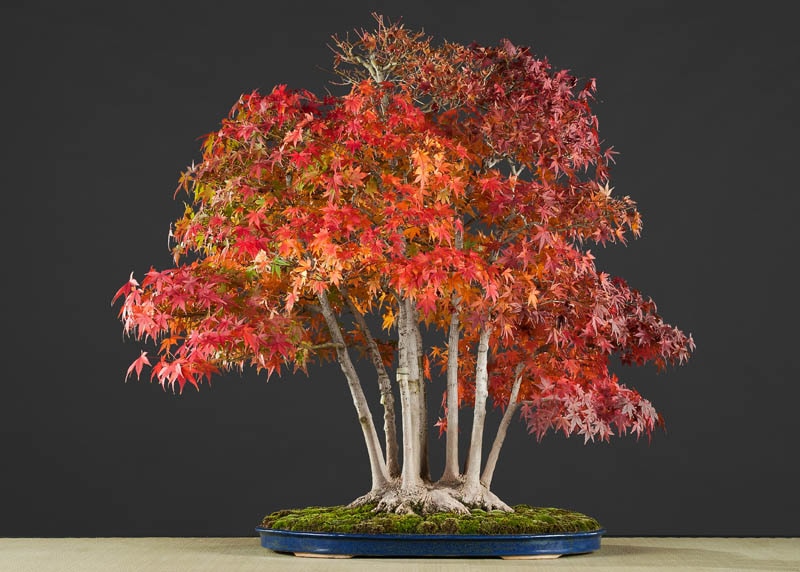
Watering, light, and feeding
Proper watering and light are essential for how to bonsai a Japanese maple. Maples like consistent moisture but not waterlogged roots. They prefer morning sun and some afternoon shade, especially in hot climates.
Care basics:
- Watering: check soil daily in summer; water thoroughly until runoff.
- Light: morning sun, afternoon shade, or dappled sunlight protects leaves.
- Fertilizing: use balanced slow-release fertilizer in spring and summer, reduce in fall.
Avoid letting the root ball dry completely. I use a simple moisture meter and touch test to avoid over-caring the tree. In heat waves, move pots to a shaded area and mist the foliage lightly.

Seasonal calendar and timing
Timing is a huge part of how to bonsai a Japanese maple. Maples have seasonal rhythms. Plan major work in late winter or early spring, wiring and branch work in spring to early summer, and light pruning in summer.
Seasonal checklist:
- Late winter to early spring: repot, root pruning, heavy structural pruning.
- Spring: wiring and shape work; watch for new growth.
- Early summer: selective leaf pruning and maintenance.
- Fall: reduce feeding; prepare for cooler weather and winter protection.
One autumn I pruned too late and triggered vigorous flush. Now I calendar my work and keep notes on each tree’s response.
:max_bytes(150000):strip_icc()/growing-japanese-maple-bonsai-5085314_02-d3f41f2a659e4d1ba5d1eb2b53978277.jpg)
Common problems and how to solve them
Knowing problems helps you master how to bonsai a Japanese maple. Expect leaf scorch, aphids, scale, and root issues if conditions are wrong. Early detection makes treatment simple.
Common problems and fixes:
- Leaf scorch: reduce sun exposure and improve watering.
- Aphids and scale: remove by hand or use insecticidal soap.
- Root rot: repot into well-draining soil and trim rotted roots.
- Winter desiccation: provide wind protection and keep root zone insulated.
I once battled scale on a small display maple. Regular checks and prompt treatment saved the tree. Learn to inspect weekly in active seasons.
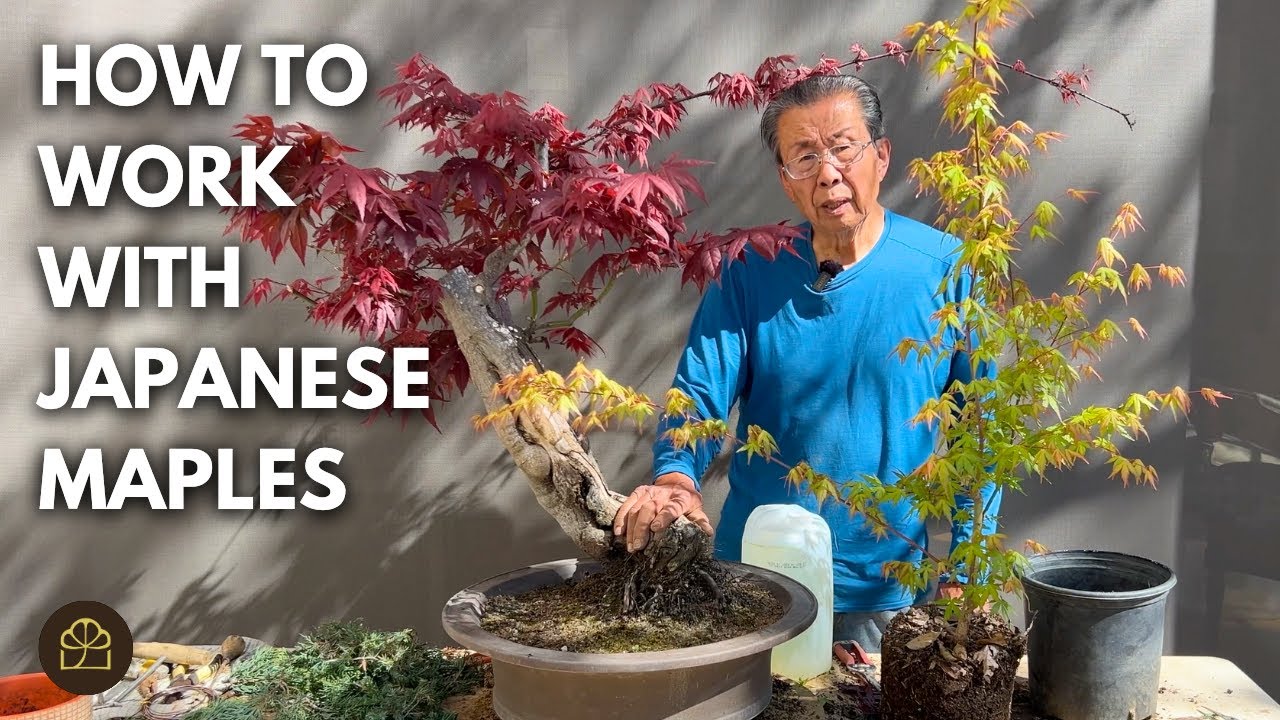
Styling ideas and design examples
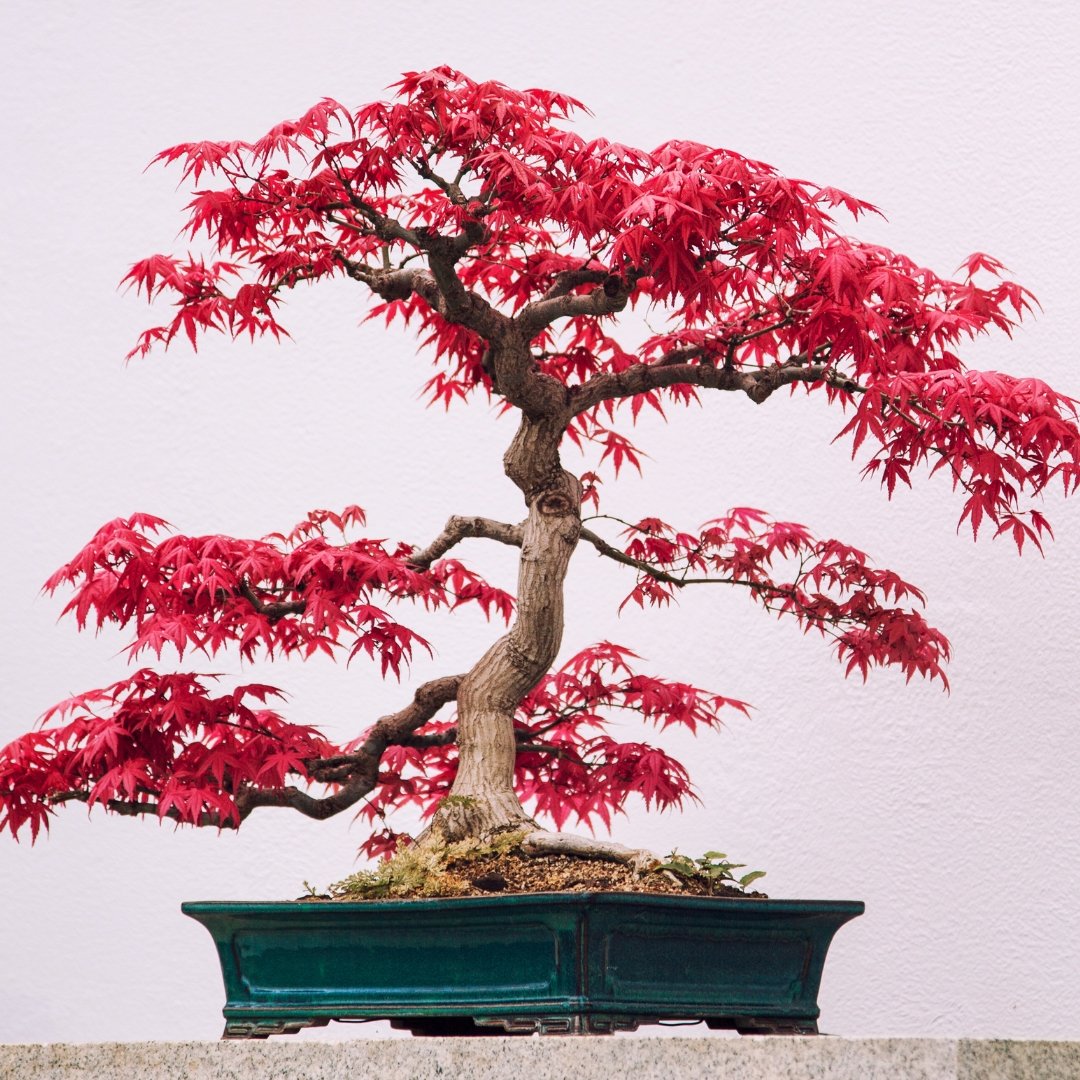
Styling is where how to bonsai a Japanese maple becomes art. Choose a style that highlights trunk movement, bark texture, and branch placement. Small leaves and vibrant fall color can create powerful displays.
Popular styles for Japanese maples:
- Formal upright: straight trunk with balanced branches.
- Informal upright: gentle curves and natural asymmetry.
- Slanting and cascade: dramatic angles for slope or overhang.
- Shohin and mame: tiny trees with precise ramification for small pots.
When designing, think of negative space and silhouette. I often take photos during different seasons to decide the next step. That habit keeps designs clear.
Practical tips, mistakes to avoid, and finishing advice
Real-world tips speed your success in how to bonsai a Japanese maple. Avoid common mistakes and adopt habits that lead to progress.
Do this:
- Keep a journal with dates, cuts, and repotting notes.
- Work gradually—small changes over years win.
- Protect from late spring frosts and hot afternoon sun.
Don’t do this:
- Don’t over-pot or use heavy soil.
- Don’t leave wires on too long; check every 4–6 weeks.
- Don’t prune heavily in late fall or during extreme heat.
My key lesson: patience matters. One careful cut now is worth a dozen corrections later.
Frequently Asked Questions of how to bonsai a japanese maple
How often should I water a Japanese maple bonsai?
Water when the topsoil feels slightly dry. In summer this may be daily; in cool months it can be every few days.
When is the best time to repot a Japanese maple bonsai?
Repot in late winter to early spring before buds swell. That timing reduces stress and allows root recovery.
Can I grow a Japanese maple bonsai indoors?
Japanese maples prefer outdoor conditions with seasonal change. They can tolerate brief indoor display but need outdoor periods to stay healthy.
How long should I leave wiring on a Japanese maple branch?
Check wired branches every 4–6 weeks and remove wiring as soon as it begins to bite. Faster growth may require earlier removal.
How do I reduce leaf size on a Japanese maple bonsai?
Use selective leaf pruning and encourage ramification through regular pinching and wiring. Proper feeding and consistent root management also help.
What soil mix works best for Japanese maple bonsai?
A free-draining mix with components like akadama, pumice, and lava rock works well. Adjust for your climate to retain enough moisture without waterlogging.
Conclusion
Mastering how to bonsai a Japanese maple is a patient, rewarding process. Focus on choosing healthy material, using well-draining soil, pruning for structure, and caring for seasonal needs. Keep notes, work slowly, and inspect your tree often. Your next step: pick one small project, follow the seasonal checklist, and start shaping. Share your progress or questions in the comments and subscribe to stay updated on practical bonsai tips.

Laura Bennett is a gardening writer at MyGardenLabs who creates beginner-friendly guides focused on solving common plant care and gardening problems.