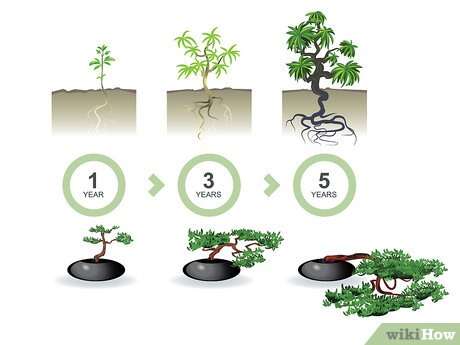
Why Is My Bonsai Turning Brown: Fast Fixes & Care
Too little water, too much sun, root rot, pests, or poor soil are the usual reasons your bonsai turns brown.
I’ve cared for many bonsai over the years, and I’ve seen the same pattern play out: brown leaves tell a clear story if you know how to read it. This article explains why is my bonsai turning brown, how to diagnose the real cause, and simple, proven steps to save your tree. Read on to learn signs, fixes, and prevention tips you can use today.

What "browning" means for your bonsai
Browning can show up as brown tips, whole brown leaves, or a brown trunk. Each pattern points to different causes. Browning is a symptom, not a single illness. Think of it like a fever: you must find the root cause.
Common patterns and what they suggest:
- Brown leaf tips and edges often mean underwatering, low humidity, or salt build-up.
- Whole leaves turning brown and dropping can signal root rot or sudden stress.
- Brown spots or patchy browning may be from pests, sunburn, or fungal disease.
- Brown trunk or bark can be frost damage, sunscald, or advanced disease.
Recognizing the pattern helps you act fast and pick the right remedy. Learning to read these signs is the fastest way to stop more damage.

Top causes of browning and how to spot them
Below are the main reasons your bonsai is turning brown, with clear signs and quick fixes.
Watering problems
Signs
- Crispy brown tips and leaf edges.
- Soil pulling away from pot edges or bone-dry surface.
Causes
- Underwatering dries leaves fast.
- Overwatering causes root rot and brown, limp leaves.
Fixes
- Check soil moisture with a finger or moisture meter.
- Water thoroughly until it drains, then let surface dry slightly.
- Repot if roots are mushy and smell bad.
Light stress and sunburn
Signs
- Scorched brown patches on the upper leaves.
- Sudden browning after moving the tree outdoors.
Causes
- Too much direct hot sun.
- Too sudden a change from low to intense light.
Fixes
- Move to bright, indirect light or provide morning sun only.
- Acclimate slowly when moving indoors or outdoors.
Humidity and temperature problems
Signs
- Brown leaf edges on species that like humidity.
- Browning after heating or cooling changes in the home.
Causes
- Dry indoor air, central heating, or air conditioning.
- Sudden cold drafts or heat spikes.
Fixes
- Use humidity trays or a room humidifier.
- Keep bonsai away from vents and drafty windows.
Soil and pot issues
Signs
- Soil that compacts or drains poorly.
- Roots circling and becoming root-bound.
Causes
- Poor soil mix holds too much or too little water.
- Small pots limit root health and lead to stress.
Fixes
- Use a well-draining bonsai mix.
- Repot every 2–3 years for most species and trim roots as needed.
Pests and diseases
Signs
- Tiny insects, sticky residue, webbing, or leaf spots.
- Brown patches that spread or a foul root smell.
Causes
- Aphids, spider mites, scale, or fungal infections.
- Bacterial or fungal root rot from constant wet soil.
Fixes
- Isolate the tree. Treat pests with appropriate methods like insecticidal soap or targeted sprays.
- For fungal issues, improve drainage and use a fungicide when needed.
Fertilizer burn and chemical damage
Signs
- Brown, crunchy leaf edges after fertilizing.
- Rapid browning after applying household cleaners or tap water with high salts.
Causes
- Over-fertilizing or using high-salt tap water.
- Exposure to pesticides or herbicides drift.
Fixes
- Flush soil with clean water to remove salt build-up.
- Follow fertilizer directions and use a balanced, slow-release formula.
Seasonal and species-related factors
Signs
- Browning during dormancy for deciduous bonsai.
- Species that naturally brown older leaves seasonally.
Causes
- Natural leaf drop or dormancy cycles.
- Species-specific sensitivity to drought or cold.
Fixes
- Know your species’ cycle. Allow normal dormancy.
- Adjust care for seasonal needs.

Quick diagnostic checklist — how to find the real cause
Follow these simple checks in order to diagnose why is my bonsai turning brown.
- Inspect the leaves closely for patterns and pests.
- Check soil moisture and smell the root ball for rot.
- Look at root health by gently removing the tree from its pot if needed.
- Note recent changes: light, temperature, watering, or fertilizing.
- Consider the season and species needs.
Use the evidence you collect to match symptoms to a cause. This stops guesswork and speeds recovery.
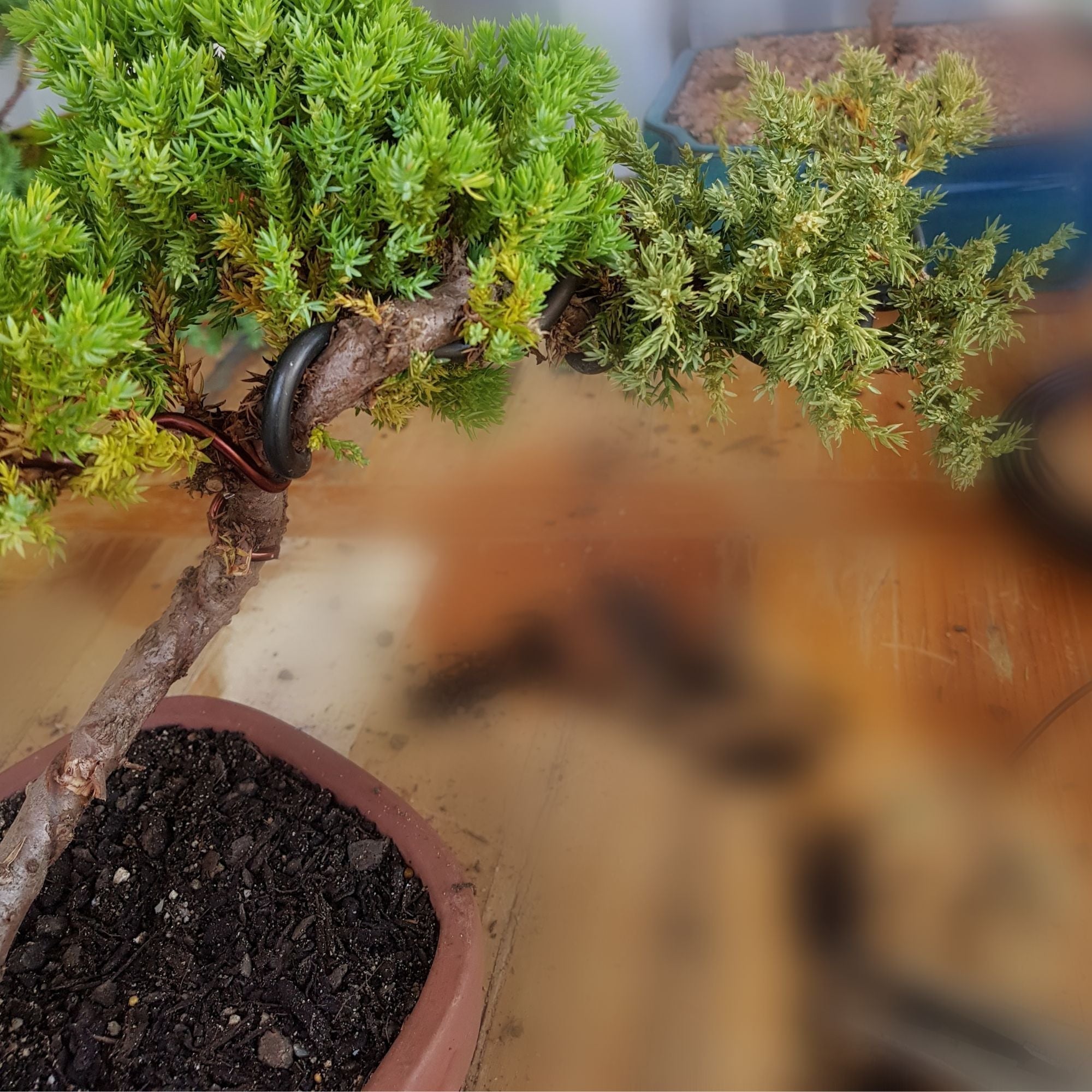
Step-by-step fixes for common problems
Practical steps you can take today to help a brown bonsai recover.
-
For underwatering
- Soak the pot in a low tray until no bubbles appear.
- Water deeply and then adjust a regular schedule.
-
For overwatering/root rot
- Remove tree, trim rotten roots, repot in fresh, fast-draining mix.
- Reduce watering frequency and improve airflow.
-
For pests
- Wipe leaves, spray with insecticidal soap, or use targeted treatments.
- Repeat treatment every 7–10 days until pests are gone.
-
For sunburn or heat stress
- Move to filtered light and provide shade during hottest hours.
- Gradually reintroduce brighter light.
-
For low humidity
- Group plants, use a humidity tray, or run a humidifier near the tree.
These steps often reverse early browning within weeks. Be patient; bonsai recover slowly but surely when conditions improve.
Prevention and long-term care to stop browning
Good routine care prevents most browning problems. Follow these simple habits.
- Use species-appropriate soil and pots to ensure healthy roots.
- Water based on soil moisture, not a strict schedule.
- Provide steady, adequate light and protect from sudden changes.
- Feed with a balanced fertilizer in the growing season, following label rates.
- Keep humidity steady and protect from drafts and heat vents.
- Inspect monthly for pests and signs of disease.
- Repot periodically and refresh soil to avoid compaction and salt build-up.
Consistency beats emergency fixes. Small daily checks avoid big problems later.
My experience: mistakes I made and lessons I learned
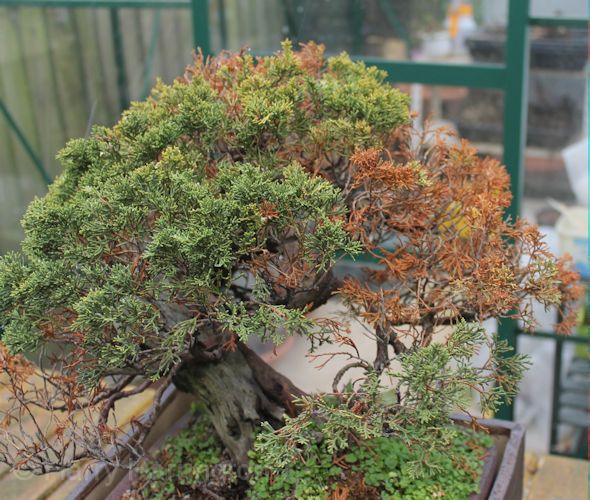
I once overwatered a juniper bonsai because I worried it looked dry. The leaves went brown and felt mushy. I had to remove it from the pot, cut away rotten roots, and set up a better drainage mix. The tree recovered slowly after I cut the dead foliage and moved it to dappled light.
Key lessons I learned:
- Trust the soil moisture, not how sad the leaves look.
- Make slow changes when moving a tree between light zones.
- Regular light inspection catches pests before they spread.
These real mistakes taught me how fast you can save a bonsai with the right steps.
When to seek expert help or consider replacement
If browning is extensive, persistent, or accompanied by a foul smell, consult an expert. Advanced root rot or systemic disease may need pro treatments. If the trunk is hollow or most of the roots are gone, it may be time to consider starting fresh with a healthy specimen.
.jpg)
PAA-style questions (short, direct answers)
Q: How long does it take for a brown bonsai to recover?
A: Recovery can take weeks to months depending on the cause and care. Quick fixes like watering correction may show new growth in weeks.
Q: Can browning be reversed on all bonsai?
A: Mild to moderate browning is often reversible with proper care. Severe root loss or trunk damage may be irreversible.
Q: Is brown always bad for bonsai?
A: No. Some seasonal leaf drop or older leaf browning is normal. Persistent or spreading browning signals a problem.

Frequently Asked Questions of why is my bonsai turning brown
Why is my bonsai turning brown at the tips only?
Brown tips often mean low humidity, salt build-up, or inconsistent watering. Flush the soil, raise humidity, and water evenly to prevent reoccurrence.
Why are my bonsai leaves turning brown and falling off?
Leaves that brown and drop may indicate root rot, shock, or pest attack. Check roots for rot, isolate the plant, and treat pests or repot as needed.
Can too much fertilizer cause my bonsai to turn brown?
Yes, over-fertilizing can burn roots and cause leaf browning. Flush with water and reduce fertilizer to the recommended dose.
Could tap water be making my bonsai brown?
Hard tap water with salts or chlorine can damage sensitive species, causing brown tips. Use filtered, rain, or distilled water when possible.
How does sunburn look on a bonsai?
Sunburn appears as pale or brown patches on the outer leaves that were exposed to intense light. Move the bonsai to milder light and acclimate slowly.
My bonsai turned brown after I moved it. Why?
Sudden changes in light, temperature, or humidity cause stress and browning. Move plants gradually to allow adaptation and avoid shock.
When is browning just normal leaf aging?
Older leaves can brown and drop as new growth appears, especially on deciduous species in autumn. Check that new buds and branches look healthy.
Conclusion
Browning is your bonsai’s way of asking for help. It most often means watering errors, light stress, pests, or poor soil. Use the diagnostic checklist, match the symptom to the cause, and apply the clear fixes here. Small, steady changes and regular checks prevent most browning problems. Try the steps above, observe your tree for changes, and take action early to improve recovery. If you found this helpful, try these tips, subscribe for more bonsai care guides, or leave a comment about your bonsai’s symptoms so I can help.

Laura Bennett is a gardening writer at MyGardenLabs who creates beginner-friendly guides focused on solving common plant care and gardening problems.