How Do Bonsai Trees Work: Simple Guide To Bonsai Care
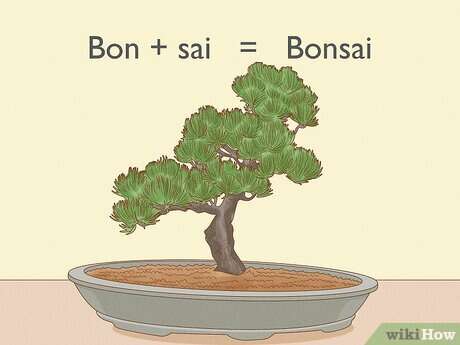
Bonsai keep full-size trees small through pruning, root control, and careful styling.
I have studied and grown bonsai for years. I will explain how do bonsai trees work in clear, practical terms. You will learn the biological principles, the shaping techniques, and the routine care that keep a bonsai healthy and small. Read on for hands-on tips and real-world lessons from my bonsai bench.

How do bonsai trees work: the basics
Bonsai work by changing a tree's growth patterns. Growers use pruning, root control, and containers to limit size. These actions alter how the tree allocates energy and hormones. Over time, the tree adapts and forms the small, aged look people want.
Key biological ideas that explain how do bonsai trees work:
- Apical dominance controls vertical growth by prioritizing the main tip.
- Pruning removes growth points and redirects energy to chosen branches.
- Root pruning limits water and nutrient uptake to slow growth.
- Container size controls root spread and nutrient availability.
- Training (wiring and bending) shapes branches and cambium for the long term.
Understanding these basics answers the core question of how do bonsai trees work. The tree is not stunted in a harmful way. It is guided to grow in shape and form that suit the pot and the artist.

Core techniques that make bonsai work
Several repeatable techniques let growers answer how do bonsai trees work through practice. Each technique nudges the tree’s biology.
Pruning
- Pruning cuts shoots or roots to shape the tree.
- It reduces apical dominance and forces new buds to grow in desired places.
Root pruning
- Root pruning shortens roots and removes excess mass.
- It keeps the tree small and keeps root-to-shoot balance healthy.
Wiring and bending
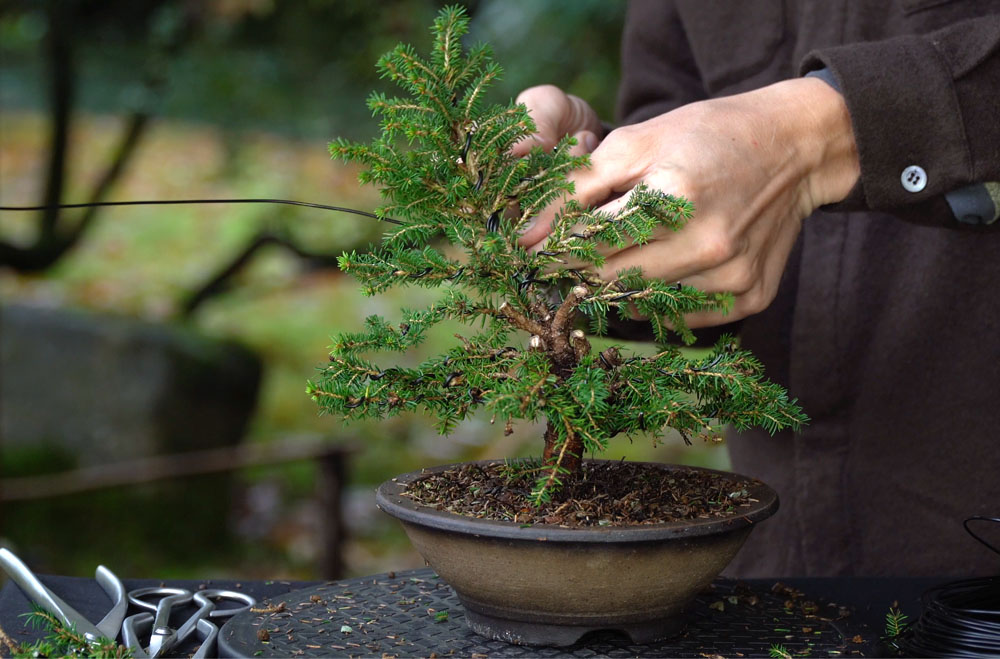
- Wiring wraps branches to hold a new shape while wood sets.
- Over months and years, the branch adopts the new angle.
Soil and pot choice
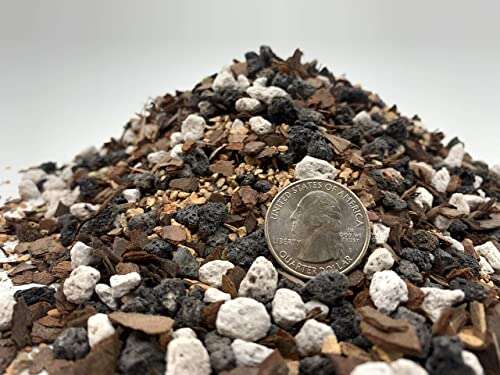
- Well-draining, mineral-rich soil keeps roots healthy while limiting rapid growth.
- Pots restrict root spread and create the compact root system bonsai need.
Defoliation and thinning
- Removing leaves can encourage smaller leaves and finer branching.
- This technique is used selectively on compatible species.
Grafting and jin/shari
- Grafting adds branches or improves taper in specific spots.
- Jin and shari create the illusion of age by exposing deadwood.
Together, these techniques show how do bonsai trees work as an art and a science. Each choice affects the tree’s hormones, water flow, and energy use.
:strip_icc()/conifer-bonsai-5b4a29c9-363681044cd84f8c927adf91f21ed9b2.jpg)
How long until a bonsai looks mature?
A simple answer: decades for a fully mature look, but visible shaping can take years. Fast results are possible with collected older material, but true refinement needs patience.
Can any tree become bonsai?
Almost any woody plant can be trained as bonsai. Some species adapt faster and hold fine branch structure better than others.
Care and maintenance: keeping the process working
How do bonsai trees work over time? Regular care keeps the controlled growth steady. These steps help your bonsai stay healthy and refined.
Watering
- Water frequently but avoid waterlogging.
- Bonsai roots sit near the pot surface and dry faster than ground soil.
Light and placement
– Most bonsai need bright light or full sun depending on species.
- Indoor bonsai need strong supplemental light to mimic outside conditions.
Feeding
- Fertilize during the growth season to replace nutrients lost in small soil volumes.
- Use balanced fertilizer in measured doses to avoid forcing too-fast growth.
Repotting
- Repot every 1–5 years depending on species and pot size.
- Repotting refreshes soil and trims roots to maintain size control.
Pest and disease management
- Check leaves and roots regularly for pests or rot.
- Early treatment prevents problems from undermining bonsai shaping.
Seasonal care
- Adjust watering and feeding by season.
- Protect tender species from frost and manage dormancy for temperate trees.
These habits explain how do bonsai trees work as a living art form. The tree responds to steady, predictable care.

Common mistakes and how to avoid them
People ask how do bonsai trees work and then make avoidable errors. Learn from mistakes I made early on.
Overwatering
- Overwatering suffocates roots and kills a bonsai fast.
- Let the top soil dry slightly before watering again.
Too much wire or left-on wire
- Wire that digs into bark causes scars.
- Check wire every few months and remove it before it embeds.
Pruning at the wrong time
- Pruning during active growth can stress some species.
- Learn seasonal needs for your tree species.
Ignoring root health
- A healthy root system supports refined structure.
- Trim roots properly and use suitable soil mixes.
Impatient shaping
- Forcing dramatic bends quickly can snap branches.
- Use gradual bends and allow time for recovery.
Avoid these issues and you’ll see how do bonsai trees work more clearly. Patience and small updates beat drastic changes.
Benefits, limits, and realistic expectations
Knowing how do bonsai trees work helps set goals. Bonsai offer rewards and require trade-offs.
Benefits
- Bonsai teach patience and observation.
- They are compact and bring nature into small spaces.
Limitations
- Bonsai require time and steady care.
- They are not tiny trees in pots; they are trained living artworks with fragility.
Realistic timeline
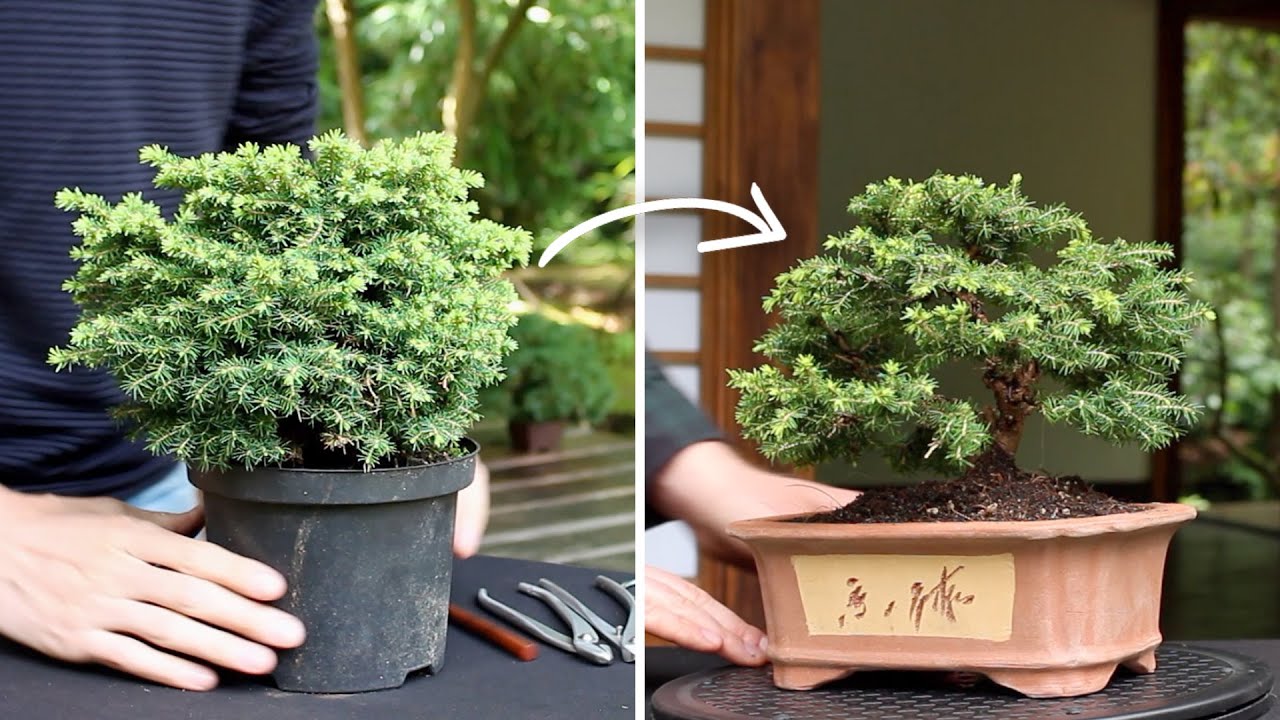
- Expect years for solid structure and decades for an aged look.
- Quick improvements are possible, but deep refinement takes time.
Accepting these facts helps you enjoy bonsai more and prevents frustration. The more you learn how do bonsai trees work, the more realistic your goals will be.

My hands-on experience and practical tips
I started bonsai with a thrift-store juniper. I killed one tree by overwatering in my first year. I learned fast.
Tips from my bench
- Start with resilient species like ficus or juniper if you are new.
- Keep a simple schedule for water and checks.
- Photograph progress; records show what works and what doesn't.
- Use wire sparingly and mark wire dates.
- When in doubt, prune less, not more.
Lessons learned
- Patience is the single best tool.
- A steady hand and steady routine will teach you how do bonsai trees work better than any book.

Frequently Asked Questions of how do bonsai trees work
What exactly limits a bonsai’s size?
A bonsai’s size is limited by pruning, root trimming, and the pot. These controls reduce the tree’s capacity to grow large.
Does pruning harm the tree?
Pruning stresses the tree briefly but is safe when done correctly. Trees heal and redirect growth when cuts are clean and timed for the species.
How often should I repot to maintain size?
Repotting is usually every 1–5 years depending on age and species. Younger trees need more frequent repotting than older, established bonsai.
Will wiring leave permanent marks?
Wiring can scar if left too long or tightened improperly. Check wires regularly and remove them before they cut into the bark.
Can indoor plants be true bonsai?
Some indoor species can become bonsai, but many classic bonsai species need seasonal changes. Indoor bonsai require bright light and stable humidity.
How do I encourage smaller leaves?
Use defoliation on suitable species and maintain balanced fertilization. Consistent light and reduced vigor help produce smaller leaves.
Conclusion
Understanding how do bonsai trees work means learning biology, technique, and steady care. Pruning, root control, and containerized growth change how the tree uses water and energy. Small, consistent actions over months and years create the bonsai form you want.
Take one step today: pick a hardy species and practice a single pruning and wiring on a branch. Observe the tree for months and record the changes. If you enjoyed this guide, try a simple project, subscribe for more tips, or leave a comment with your bonsai questions.

Laura Bennett is a gardening writer at MyGardenLabs who creates beginner-friendly guides focused on solving common plant care and gardening problems.