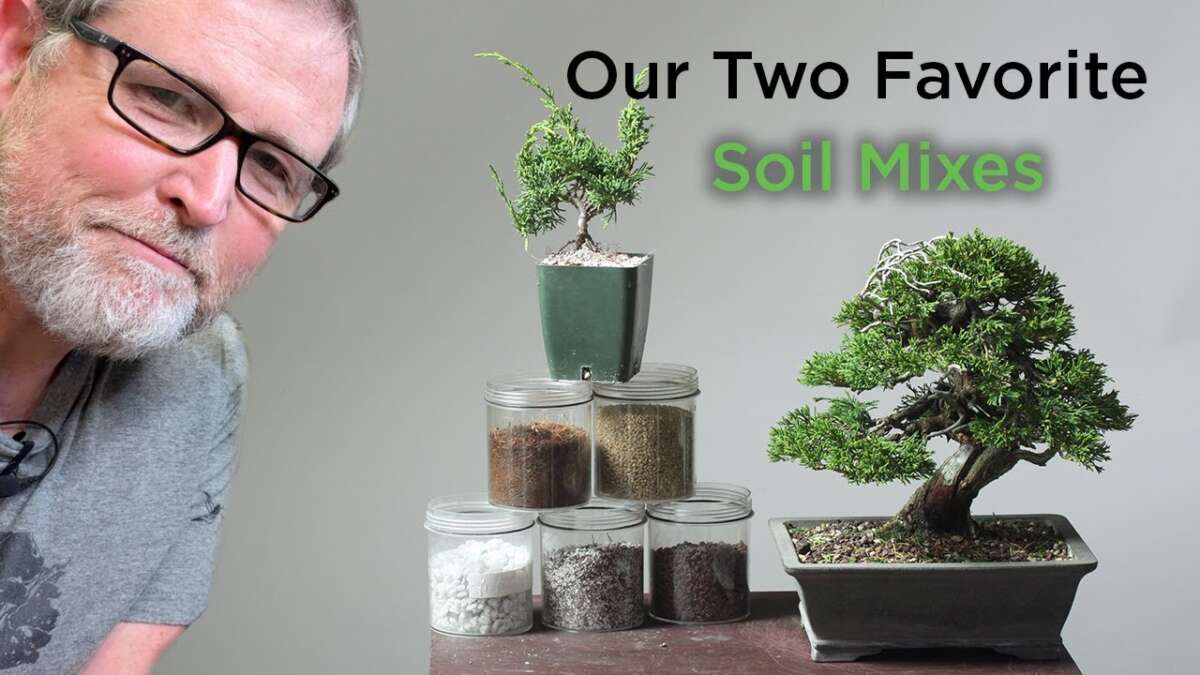
Do Bonsai Need Special Soil: Best Soil Guide
Yes, bonsai need special soil because their shallow pots require fast drainage, air space, and steady moisture control.
The question “do bonsai need special soil” matters because a bonsai pot is not like a garden bed. Its small size, limited drainage, and dense root system leave little room for error. The right bonsai soil helps roots breathe, prevents rot, and supports healthy growth, while the wrong mix can slowly weaken even a well-watered tree.
Why Bonsai Need Special Soil
Bonsai trees do not need soil because they are miniature trees. They need special soil because they grow in small containers with very different conditions from the ground.
In a garden, water can move deep into the soil and spread outward. Roots can also travel to find air, moisture, and nutrients. A bonsai root system has none of that freedom. It must live within a shallow pot, often only a few inches deep.
A good bonsai soil mix must do several jobs at once:
• Hold enough moisture for the roots to use
• Drain extra water quickly
• Keep air spaces between soil particles
• Support the tree without becoming compacted
• Allow roots to grow in a healthy balance of water and oxygen
This balance is the main reason bonsai need special soil. Ordinary garden soil often holds too much water and contains fine particles that block airflow. Potting soil may work for a short time, but it can also break down and become dense.
Think of bonsai soil as a controlled root environment. It should act more like a well-designed filter than a block of mud. Water should pass through, but the roots should still have access to moisture after watering.
What Is Bonsai Soil?
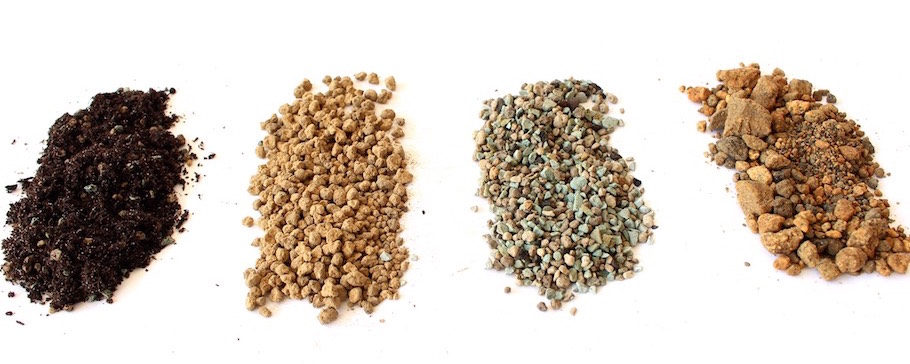
Bonsai soil is a coarse, stable growing medium made from mineral and organic materials. It usually contains particles that are larger and more durable than those found in common garden soil.
Many bonsai growers use a mix of:
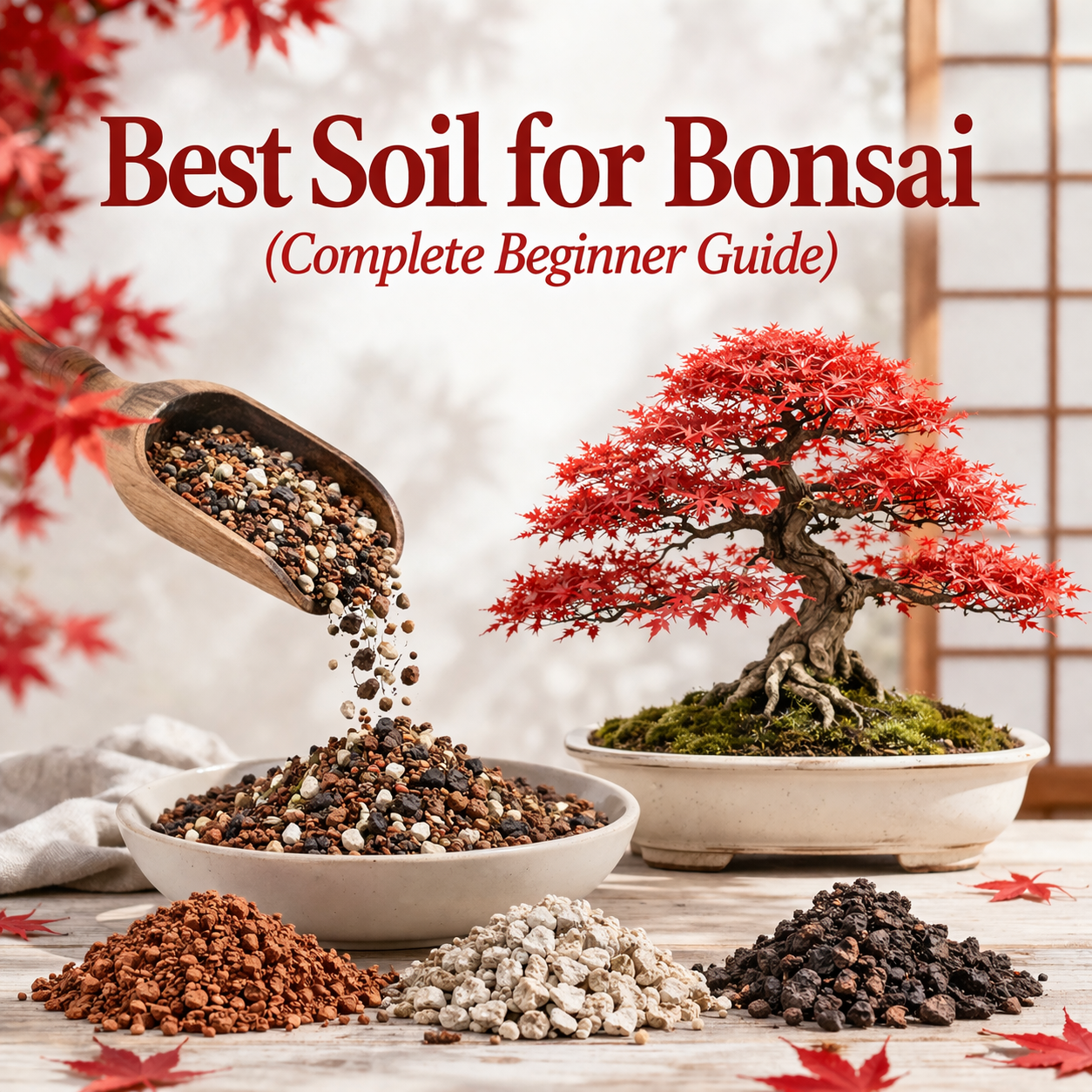
• Akadama, a fired Japanese clay that holds moisture and nutrients
• Pumice, a porous volcanic rock that improves drainage and adds air space
• Lava rock, which supports drainage and gives roots a firm structure
• Pine bark, which adds organic matter and helps retain moisture
• Horticultural grit or coarse sand, used in some mixes to improve texture
There is no single bonsai soil recipe that works for every tree. The best mix depends on the species, climate, pot size, watering habits, and growing location.
For example, a tropical bonsai grown indoors may need a mix that holds moisture a little longer. A juniper grown outdoors in a cool, rainy climate may need more drainage. A thirsty maple in a hot, dry area may need more water-holding material than the same maple grown in mild weather.
So, when asking “do bonsai need special soil,” remember that “special” does not mean rare or expensive. It means the mix should suit the tree and its growing conditions.

How Bonsai Soil Differs From Regular Potting Soil
Regular potting soil is designed for houseplants in larger containers. It often includes peat moss, compost, coco coir, or fine bark. These materials can be useful, but they may hold too much water in a shallow bonsai pot.
Bonsai soil usually has larger particles and more open spaces. This structure allows water to drain while fresh air reaches the roots. Root oxygen is easy to overlook, but it is vital for healthy growth.
Here are the main differences:
| Feature | Bonsai soil | Regular potting soil |
|---|---|---|
| Particle size | Coarse and consistent | Often fine and mixed |
| Drainage | Fast | Moderate to slow |
| Air space | High | Can decrease over time |
| Compaction risk | Low when maintained | Higher as material breaks down |
| Best use | Shallow bonsai pots | Houseplants and general containers |
This does not mean every bag of potting soil is bad. Some bonsai species can grow in a well-draining potting mix when it is amended with pumice, perlite, bark, or grit. The problem begins when fine soil stays wet for too long.
One common mistake is using garden soil because it seems natural. In a container, however, garden soil can become hard, heavy, and poorly drained. It may also contain pests, weed seeds, or plant diseases.
What Happens When Bonsai Use the Wrong Soil?
The wrong soil may not cause trouble right away. A tree can appear healthy for weeks or even months. Problems often develop slowly as the soil settles and the spaces between particles disappear.
When soil stays wet, roots may lose access to oxygen. This can lead to root stress and root rot. The first signs may include yellow leaves, weak growth, leaf drop, or a musty smell from the pot.
Soil that drains too fast can create a different problem. The roots may dry before the next watering, especially during hot weather. The tree may show wilted leaves, crispy edges, or slow growth.
Other problems include:
• Water running down the sides of the root ball instead of soaking it
• Fertilizer salts building up in the soil
• Roots circling tightly because the soil has become dense
• Moss or algae covering the surface due to constant moisture
• Poor anchoring when the tree cannot stay stable in the pot
In my experience with bonsai care questions, many watering problems are actually soil problems. People often water more or less when the real solution is to improve drainage and root-zone structure.

The Main Ingredients in Bonsai Soil
Understanding each ingredient makes it easier to choose or create a bonsai soil mix. You do not need to memorize complex formulas. Focus on what each material does.
Akadama
Akadama is a granular clay widely used in bonsai. It holds water and nutrients while keeping useful air spaces between particles.
Its main limitation is that it can break down over time, especially in wet climates or when the tree is watered often. Once akadama turns into fine dust, the soil may drain poorly and should be replaced during repotting.
Pumice
Pumice is a light volcanic rock with many small pores. It holds some moisture but also keeps the mix open and airy.
It is useful for many bonsai species because it does not collapse quickly. Pumice is often a strong choice for beginners who want a stable mix.
Lava Rock
Lava rock adds weight, drainage, and structure. Its rough surface can help roots grip the soil.
It may hold less water than akadama, so a mix with a high amount of lava rock may need more frequent watering in hot weather.
Pine Bark
Pine bark adds organic matter and moisture retention. It can work well for trees that prefer a little more water in the root zone.
Use screened, aged horticultural bark rather than fresh landscaping mulch. Fresh bark may contain large pieces, decompose unevenly, or interfere with nitrogen use.
Perlite
Perlite is light and improves drainage. It is useful in some homemade mixes, although it can float to the surface during watering and may break more easily than pumice.
It can be a practical, low-cost option for developing a basic bonsai mix.
The Best Bonsai Soil Mix for Different Trees
There is no universal recipe, but a few basic mixes can guide you. Always adjust the mix based on your climate and watering routine.
Conifer Bonsai
Junipers, pines, and spruces often prefer a very open, well-draining mix. A mineral-heavy mix can help prevent excess moisture around the roots.
A simple option is:
• One-third akadama
• One-third pumice
• One-third lava rock
In rainy areas, you may increase the pumice and lava rock. In a hot, dry area, you may use more akadama or add a small amount of pine bark.
Deciduous Bonsai
Maples, elms, and many other deciduous trees often appreciate more moisture than conifers. They still need drainage, but their mix may contain more water-holding material.
A useful starting point is:
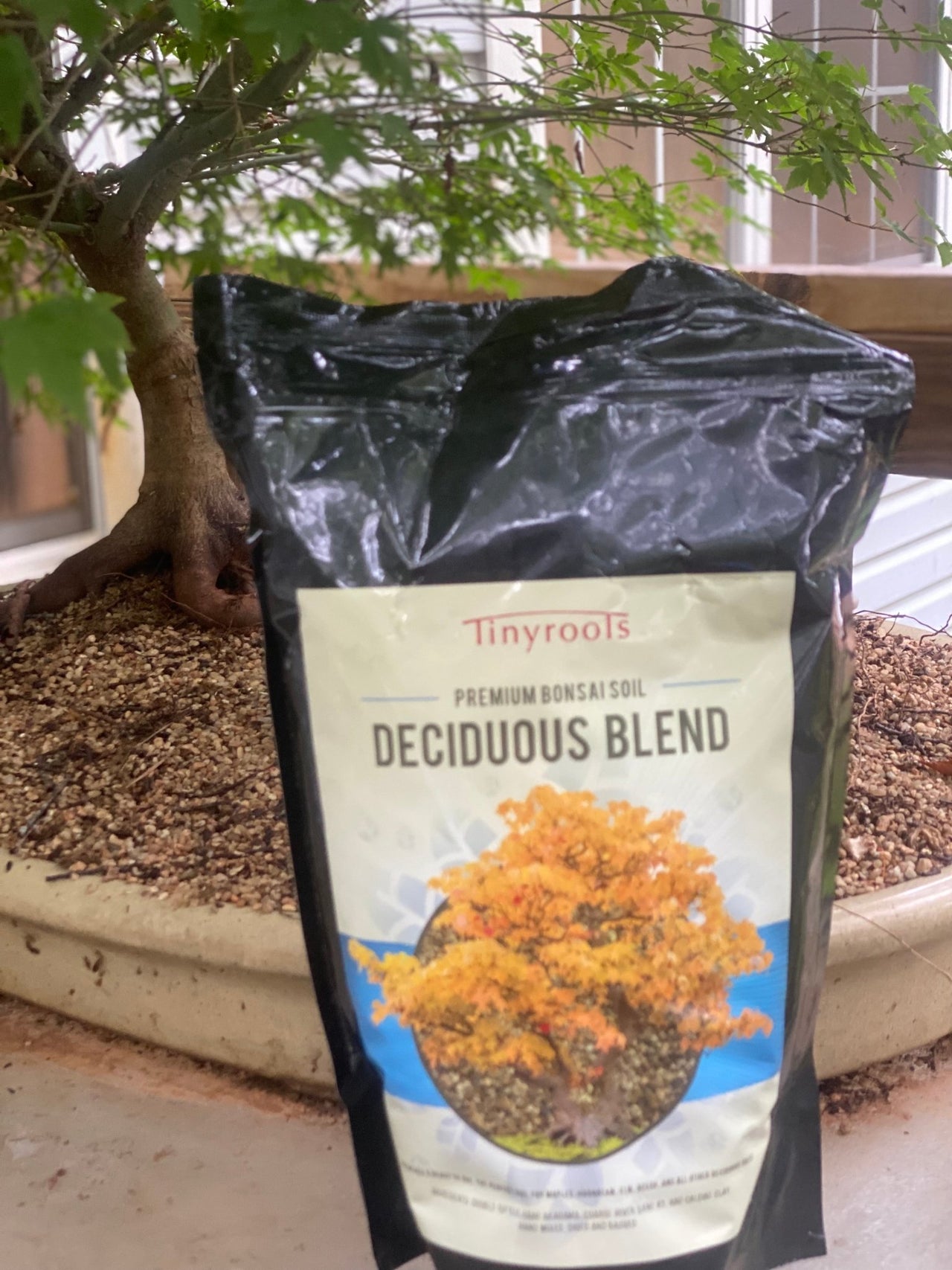
• Two parts akadama
• One part pumice
• One part pine bark or lava rock
Japanese maple bonsai can dry quickly in summer, so watch the tree rather than following a fixed watering schedule.
Tropical Bonsai
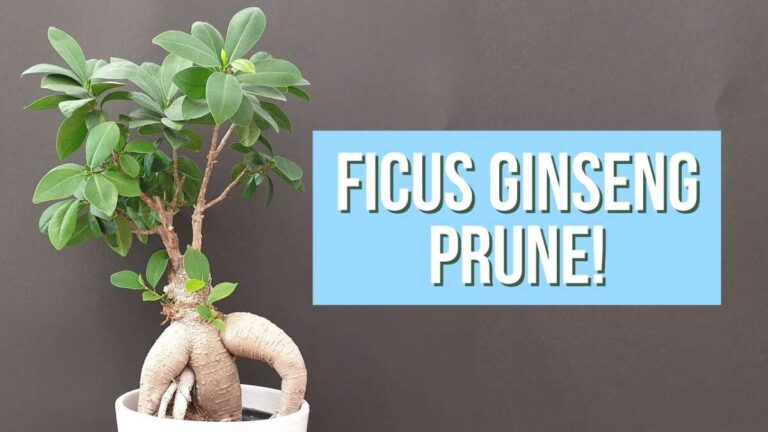
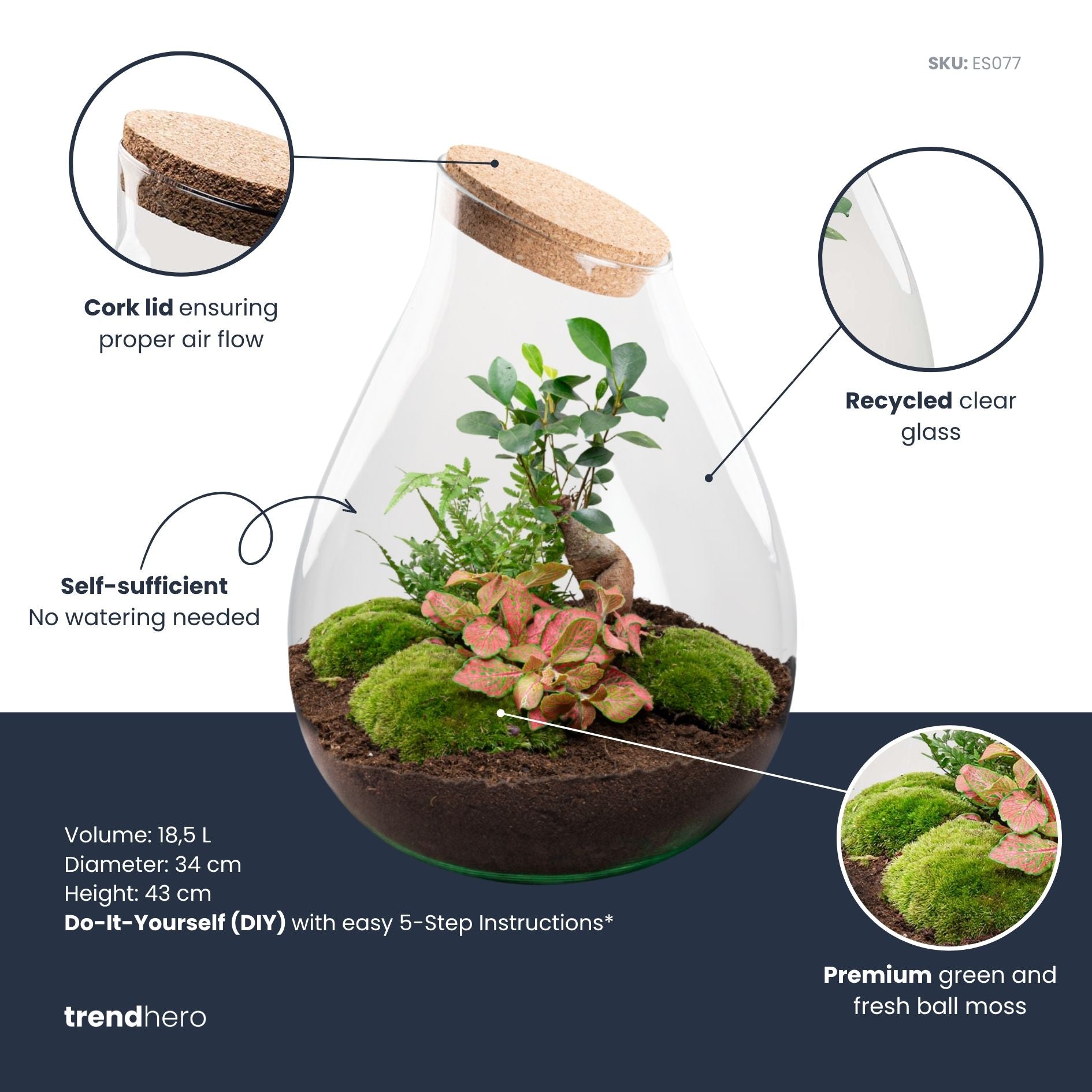
Ficus, jade, bougainvillea, and other tropical bonsai often grow well in a mix that drains freely but does not dry too quickly.
A possible mix includes:
• Two parts pumice
• One part fine pine bark
• One part lava rock
A tropical tree grown indoors may need more moisture retention than the same tree grown outside in full sun.
Succulent Bonsai
Jade and portulacaria are often treated as bonsai, but they have succulent traits. Their soil should dry more between waterings.
Use extra pumice, lava rock, or coarse grit. Avoid a high percentage of peat or fine compost, as these materials may hold too much moisture around succulent roots.
Can You Make Bonsai Soil at Home?
Yes, you can make bonsai soil at home. Many growers create excellent mixes by combining easy-to-find materials and screening them to remove dust.
A simple beginner mix may include:
• One-third pumice or perlite
• One-third pine bark
• One-third lava rock, coarse grit, or a similar mineral material
If you cannot find akadama, do not assume your bonsai will fail. Good drainage and stable particle size matter more than using one famous ingredient.
Follow these steps:
-
Choose clean, horticultural-grade materials.
-
Screen out very fine dust and very large pieces.
-
Mix the materials in a clean container.
-
Rinse dusty materials before use.
-
Cover the drainage holes with mesh.
-
Place a small layer of coarse material near the bottom if needed.
-
Add the tree and fill around the roots without leaving large air pockets.
Do not use beach sand, construction sand, untreated dirt, or random gravel. These materials may contain salt, dust, lime, or contaminants that can harm roots.
When deciding whether bonsai need special soil, cost can be a concern. A homemade mix can reduce expense, but quality still matters. Cheap, fine material may cost more in the long run if it causes root problems.
How to Choose Bonsai Soil at a Garden Center
Bagged bonsai soil can be convenient, especially for new growers. Read the label carefully because some products sold as bonsai soil contain mostly peat, compost, or fine sand.
Look for a mix that is:
• Coarse and granular
• Fast draining
• Free from strong odors
• Made for containers
• Suitable for the type of bonsai you grow
Open the bag if possible. Good bonsai soil should not look like black dust. It should contain visible particles with a fairly even size.
A simple drainage test can help. Place some soil in a small pot with drainage holes and pour water through it. Water should pass through without pooling on top for a long time. The soil should also absorb water rather than repel it.
Remember that a drainage test is only a starting point. The result can change with pot shape, root mass, weather, and watering habits.

How Soil Affects Watering and Fertilizing
Bonsai soil and watering are closely linked. Coarse soil dries faster, while fine or organic soil holds moisture longer. The tree, pot, sun, wind, and season also affect drying time.
Do not water by the calendar. Check the soil and the tree each day during hot or dry weather.
Water thoroughly when the surface begins to dry. Apply water until it flows from the drainage holes. This helps wet the entire root ball and flushes out some built-up salts.
Avoid giving only a few drops each day. Light watering may wet the surface while leaving the deeper roots dry.
Fertilizer also works best in a well-draining mix. Nutrients can wash through quickly, so bonsai often need regular, modest feeding during active growth. Always follow the product label and reduce or stop fertilizer when the tree is dormant or stressed.
Too much fertilizer can damage roots. More is not better, especially in a small pot.
When Should You Repot a Bonsai?
Repotting replaces old soil, trims unhealthy or overly long roots, and restores drainage. Most bonsai do not need repotting every year, but young or fast-growing trees may need it more often.
General timing depends on the species:
• Deciduous trees are often repotted in early spring before strong new growth.
• Conifers are commonly repotted in early spring or another species-appropriate period.
• Tropical bonsai may be repotted during warm, active growth.
• Older trees in large pots may need repotting less often.
Signs that repotting may be needed include:
• Water takes a long time to drain
• Water runs over the surface instead of soaking in
• Roots fill the pot completely
• The tree dries out unusually fast
• The soil has broken down into fine particles
• The tree shows weak growth without another clear cause
Do not repot a sick, severely dehydrated, or pest-damaged bonsai unless the soil problem is urgent. Repotting is stressful, and the tree needs enough strength to recover.
Common Bonsai Soil Mistakes to Avoid
Many bonsai problems begin with a well-meaning shortcut. Avoid these common errors.
Using Garden Soil
Garden soil is usually too dense for a shallow pot. It can block drainage and reduce oxygen around the roots.
Using Only Peat Moss
Peat holds water well but can become difficult to rewet after it dries. It may also compact in a small bonsai container.
Adding a Thick Gravel Layer
A thick layer of gravel at the bottom does not always improve drainage. In many containers, it can cause water to collect above the gravel instead of moving out faster.
Use a pot with open drainage holes and a suitable soil mix instead.
Ignoring Particle Size
Very fine soil can clog the spaces that roots need. Very large particles may dry too quickly and leave roots poorly supported.
Aim for particles that suit the tree and the pot.
Watering on a Fixed Schedule
A bonsai may need water every day in summer and much less in winter. Weather and soil moisture should guide your routine.
Repotting Without Aftercare
After repotting, protect the tree from harsh sun and strong wind for a short recovery period. Keep the soil lightly moist, but do not leave it constantly soaked.
Do Bonsai Need Special Soil Indoors?
Indoor bonsai still benefit from a bonsai-specific soil mix. Indoor air may be dry, but indoor light is often weaker than outdoor light, so the tree may use water more slowly.
A moisture-retentive but well-draining mix can work well indoors. Place the bonsai near a bright window, provide suitable humidity, and check the soil before watering.
Do not place the pot in standing water. A humidity tray can raise local humidity, but it should not block the pot’s drainage holes.
Indoor bonsai also need species-appropriate care. A ficus may adapt well to indoor conditions, while a juniper usually performs poorly indoors for long periods. Good soil cannot replace the correct light, temperature, and airflow.
Frequently Asked Questions About Do Bonsai Need Special Soil
Do bonsai need special soil, or can I use regular potting soil?
Bonsai do best in a coarse, fast-draining mix, but regular potting soil can sometimes work when mixed with pumice, perlite, bark, or grit. Avoid using fine potting soil by itself because it may stay wet and compact in a shallow pot.
Can I use cactus soil for a bonsai?
Cactus soil may work for jade, portulacaria, and some other drought-tolerant bonsai. Check the texture first, because some cactus mixes contain too much peat and need extra pumice or lava rock.
How often should bonsai soil be replaced?
Many bonsai need repotting every two to five years, although young trees may need it sooner and older trees may need it less often. Replace the soil when it breaks down, drains poorly, or becomes heavily filled with roots.
Is akadama required for bonsai?
No, akadama is useful but not required. Pumice, lava rock, pine bark, and other stable materials can create a healthy mix when they provide the right balance of drainage, moisture, and air.
How do I know if my bonsai soil drains well?
Water should flow from the drainage holes soon after you water, and the surface should not remain flooded. If water sits on top, smells sour, or takes many minutes to pass through, the soil may be too fine or compacted.
Should bonsai soil dry out completely?
Most bonsai should not dry out completely because their fine roots can suffer damage. Let the surface begin to dry based on the species, season, and soil mix, then water thoroughly.
Can I use sand in bonsai soil?
Coarse horticultural grit can help improve structure, but fine sand may reduce drainage and create a dense mix. Avoid beach sand and unknown sand because salt and contaminants can harm the tree.
Conclusion
Bonsai need special soil because their shallow pots demand a careful balance of drainage, moisture, oxygen, and root support. A good mix is coarse, stable, and suited to the tree, climate, pot, and watering routine. Akadama, pumice, lava rock, pine bark, and other quality materials can all play a useful role.
Start with a simple, well-draining mix, watch how fast it dries, and adjust over time. Your bonsai will show you what it needs through its leaves, growth, and soil behavior. Try these soil tips with your tree, explore trusted bonsai resources, and share your growing experience with other bonsai enthusiasts.

Laura Bennett is a gardening writer at MyGardenLabs who creates beginner-friendly guides focused on solving common plant care and gardening problems.