Best Soil For Bougainvillea Bonsai: Ideal Mix Guide
The best soil for bougainvillea bonsai drains fast, holds air, and keeps roots lightly moist without staying wet.
A bougainvillea bonsai can look healthy one day and wilt the next when its soil turns dense and soggy. I have seen many growers blame watering, fertilizer, or sunlight when the real problem sits below the trunk. The right bonsai mix gives roots air, supports strong growth, and helps prevent root rot. It also makes watering easier in small pots. Below, I review popular bonsai soils and explain which mix fits bougainvillea best.
The Bonsai Supply All-Purpose Mix
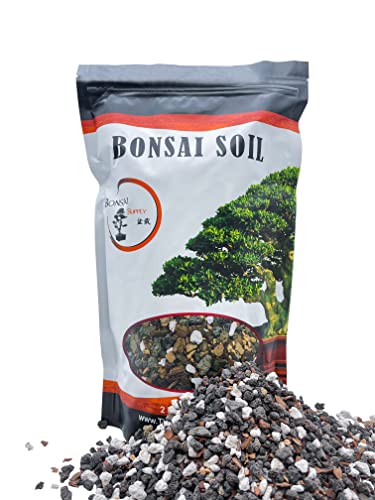
This pre-mixed soil uses pumice, lava rock, calcined clay, and pine bark. That blend gives bougainvillea roots a useful balance of drainage, air, and modest moisture. The gritty particles also help keep the soil from collapsing in a shallow bonsai pot. I like this mix for growers who want to plant without measuring several separate ingredients.
The 2-quart bag suits one small tree or a few young plants. Pumice and lava add long-term structure, while calcined clay helps hold small amounts of water and nutrients. Pine bark adds organic matter without making the mix feel like common garden soil. For the best soil for bougainvillea bonsai, I would use this mix as sold or add extra pumice in a humid area.
Pros:
- Fast drainage for sensitive bougainvillea roots
- Contains durable mineral particles
- Ready to use from the bag
- Good air space in small bonsai pots
- Works for many bonsai species
- Easy choice for new growers
Cons:
- Only a 2-quart bag
- Pine bark may break down over time
- May need more water in very hot, dry areas
Agralife Premium Organic Bonsai Mix

Agralife offers a larger 4-quart bag with an organic-focused formula for indoor bonsai trees. Its main appeal is convenience for growers who want a softer, more natural-feeling medium. The mix can support steady root growth when the pot has open drainage holes. It is also a practical option for repotting more than one small tree.
I would watch the watering pattern with this type of organic mix. Bougainvillea prefers a thorough drink followed by partial drying, not constant moisture. If the mix feels slow to drain, add pumice, lava rock, or coarse perlite before planting. Used with that adjustment, it can become a good candidate for the best soil for bougainvillea bonsai in a warm indoor space.
Pros:
- Generous 4-quart quantity
- Organic-style mix for indoor trees
- Useful for several small bonsai plants
- Can support active root growth
- Convenient for routine repotting
- Easy to customize with grit
Cons:
- May hold more moisture than bougainvillea needs
- Needs close watering control indoors
- Organic materials can settle as they age
Bonsai Jack Gritty Mix
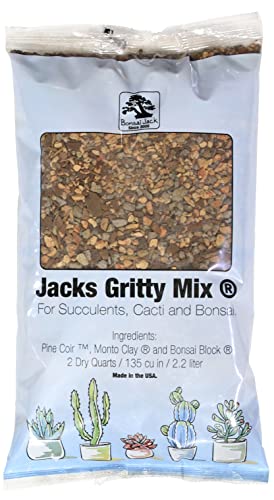
Bonsai Jack Gritty Mix is built around fast drainage and root-zone air. Its coarse texture suits plants that dislike wet feet, including bougainvillea, cactus, and many succulents. Water moves through the pot quickly, so the roots do not sit in a thick muddy layer. This design makes it a strong choice for outdoor trees exposed to rain.
The trade-off is that gritty soil dries faster than a bark-heavy mix. I would use a moisture check before watering, especially during cool weather or when the tree sits indoors. The optimized pH claim adds convenience, but good drainage still matters more than a precise number. For growers who often overwater, this is one of the safest options for the best soil for bougainvillea bonsai.
Pros:
- Excellent drainage
- Strong airflow around roots
- Helps reduce soggy soil problems
- Useful for rainy outdoor conditions
- Good for growers who overwater
- Suitable for bonsai and drought-tolerant plants
Cons:
- Dries quickly in full sun
- Needs more frequent watering in hot climates
- May need added organic matter for young trees
Spike & Bloom High-Drainage Bonsai Soil

This mix comes in a larger 7-pound, 4-quart package and uses a gritty, slightly acidic formula. It also includes mycorrhizal fungi, which may support the root zone when conditions are suitable. The coarse texture allows water to pass through while leaving air pockets between particles. That structure fits bougainvillea’s need for a quick dry-down after watering.
The larger package offers good value for growers with several trees or a large specimen. I would still inspect the particle size before use because very small bonsai pots need a mix that drains freely rather than clumps. The slightly acidic profile can work well with a regular bonsai fertilizer program. This product is a sensible pick when you want the best soil for bougainvillea bonsai and also need enough mix for future repotting.
Pros:
- Large 4-quart volume
- High-drainage gritty texture
- Includes mycorrhizal fungi
- Slightly acidic profile
- Useful for indoor and outdoor trees
- Good value for multiple bonsai plants
Cons:
- Particle size may not suit every bonsai pot
- Fast drainage can increase watering needs
- Benefits of fungi depend on root conditions
Perfect Plants Premium All-Purpose Mix

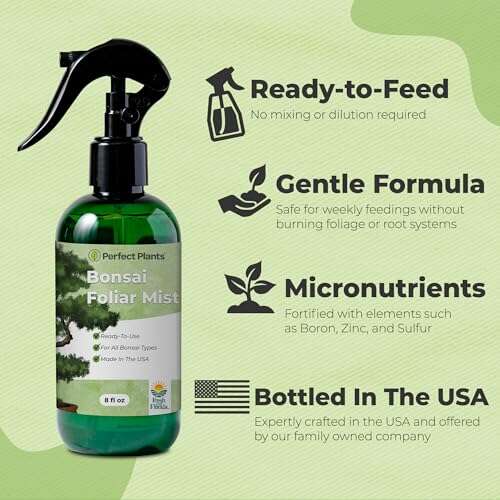
Perfect Plants sells this all-purpose bonsai soil in an 8-quart bag, making it the biggest package in this review. The mix is made in small batches in the United States. That feature may appeal to gardeners who want a dependable supply for many plants. Its broad design works for several bonsai types rather than one narrow species.
For bougainvillea, I would test drainage before filling the final pot. Pour water through a handful in a colander and check whether it exits freely without a muddy stream. If the mix feels balanced, it can serve as a simple base for a mature tree. If it holds too much water, blend in coarse pumice or lava to move it closer to the best soil for bougainvillea bonsai.
Pros:
- Large 8-quart bag
- Made in small batches
- Useful for a bonsai collection
- All-purpose formula
- Good option for repotting projects
- Can be adjusted with extra grit
Cons:
- Large bag may be too much for one tree
- May need a drainage test before use
- All-purpose mixes may not be ideal without customization
Professional Bonsai Soil Mix

This 2.2-quart professional bonsai soil mix targets growers who want a ready-made potting medium. The smaller package is convenient when you only need enough soil for one compact bougainvillea. A bonsai mix should keep its shape while still allowing water to flow through, and this type of formula aims for that balance. It is less wasteful than buying a large bag for a single repot.
I see this as a practical middle-ground option. It may not be as sharply gritty as a cactus-style blend, but it can offer more moisture support for trees in dry rooms. Check the roots after watering and let the upper mix begin to dry before watering again. With a bright window and careful watering, it may perform well as the best soil for bougainvillea bonsai for beginners.
Pros:
- Convenient 2.2-quart size
- Ready-to-use format
- Good fit for one small bonsai
- Balances drainage and moisture support
- Simple choice for beginners
- Less storage waste
Cons:
- Small quantity for large trees
- May need extra grit in wet climates
- Limited room for custom blending
Perfect Plants Organic Bonsai Soil

This 2-quart organic all-purpose mix is designed for several bonsai plant types. Its compact size works well for a small bougainvillea that needs a fresh pot but does not need a large supply. Organic components can provide useful moisture and support during active growth. The mix also offers an easy starting point for gardeners who prefer a less mineral-heavy blend.
Bougainvillea needs a careful balance here. Too much organic material can stay wet around fine roots, especially in a cool room. I would improve the texture with pumice or lava rock if water drains slowly from the pot. That simple change can turn this product into a more reliable best soil for bougainvillea bonsai mix.
Pros:
- Organic all-purpose formula
- Useful 2-quart size
- Good for small bonsai projects
- Supports moisture retention in dry rooms
- Easy to amend with mineral grit
- Suitable for several bonsai varieties
Cons:
- May retain too much water by itself
- Small bag limits large repotting jobs
- Needs careful use in humid conditions
Omitgoter Premium Bonsai Soil Mix

Omitgoter Premium Bonsai Soil Mix focuses on breathability and drainage, with pine trees listed among its intended uses. Those same traits can help bougainvillea when the pot drains well and the tree receives strong light. A breathable medium keeps roots from losing oxygen after each watering. The 1-quart bag fits a very small plant or a minor soil refresh.
I would not choose this bag for a large bougainvillea bonsai because the quantity is limited. Still, it can work for a starter tree, a training pot, or a small indoor specimen. Watch the soil closely after repotting since a small container can dry at a different rate than a larger one. Its airy design places it near the best soil for bougainvillea bonsai for growers who value root ventilation above all else.
Pros:
- Breathable drainage formula
- Good for small training pots
- Compact 1-quart package
- Supports root-zone airflow
- Useful for repotting small plants
- Simple option for a test blend
Cons:
- Very small quantity
- May dry too fast in full sun
- Marketed mainly for pine bonsai
Akadama Premium Bonsai Mix

This 2.5-quart mix includes akadama and is made in the United States. Akadama is a popular bonsai component because it holds some water while maintaining useful air space. Its particles also give growers a visual clue: they often darken when wet and lighten as they dry. That makes watering easier for people still learning their tree’s rhythm.
Akadama can soften and break down with repeated wet and dry cycles, so I inspect the soil during each repot. The mix may work well for an experienced grower who wants a more traditional bonsai feel. For bougainvillea, I would pair it with a gritty mineral component if the tree sits in a rainy location. This is a thoughtful option for the best soil for bougainvillea bonsai when moisture control and visual feedback matter.
Pros:
- Includes akadama
- Offers useful moisture clues
- Supports air space around roots
- Good for traditional bonsai methods
- Made in the United States
- Helpful for experienced growers
Cons:
- Akadama can break down over time
- Moderate 2.5-quart quantity
- May need added lava or pumice for wet sites
The Bonsai Supply Professional Mix

This 4-quart professional mix is ready to use and designed for many bonsai tree varieties. The larger package gives enough material for a medium tree, several small trees, or a full repotting season. A ready blend saves time and removes the guesswork of sourcing separate components. It also gives new growers a better starting point than ordinary potting soil.
I would use this mix for a bougainvillea that needs both drainage and a little moisture support. Before planting, I would screen out dust and check that the drainage holes remain clear. In a hot area, the mix may need more frequent watering, but that is normal for bonsai soil. Overall, it is a flexible contender for the best soil for bougainvillea bonsai, especially for a mixed collection.
Pros:
- Useful 4-quart size
- Ready to use
- Fits many bonsai species
- Good for several repotting tasks
- Reduces mixing work
- Suitable for beginners and hobby growers
Cons:
- May require screening before use
- Could dry quickly in hot sun
- Less specialized than a bougainvillea-only mix
My Recommendation
For most bougainvillea growers, I would start with The Bonsai Supply All-Purpose Mix. Its pumice, lava, calcined clay, and pine bark create a practical balance for a tree that needs air at the roots but cannot dry into dust. Bonsai Jack is my pick for very wet climates or growers who tend to water too often. The Akadama mix is best for experienced gardeners who want clear moisture cues and a more classic bonsai approach.
Before buying any soil, match the blend to your pot, light, climate, and watering habits. A sunny patio dries soil faster than a cool room. A shallow pot also needs a coarse, open texture because it has little room for excess water. The best soil for bougainvillea bonsai is not simply the one with the most ingredients; it is the one that keeps the root zone airy and lets you control moisture with ease.
| Best for | Why |
|---|---|
| Most bougainvillea bonsai growers | The Bonsai Supply mix balances drainage, air, and modest moisture. |
| Wet climates or overwatering concerns | Bonsai Jack Gritty Mix drains very fast and keeps roots airy. |
| Experienced bonsai keepers | The Akadama mix gives useful moisture clues and a traditional texture. |
How I Judge Soil for Bougainvillea Bonsai
I do not judge bonsai soil by the label alone. I look at particle size, drainage, air space, water retention, and how well the mix stays stable over time. Bougainvillea grows best when the roots receive oxygen and the soil does not remain saturated. A pretty bag cannot fix a pot with blocked holes or a watering routine that keeps the root ball wet.
I also consider how easy the soil is to use. Pre-mixed soil helps new growers avoid poor ratios. Large bags offer better value for collectors. Small bags make sense for one young tree. The best soil for bougainvillea bonsai should fit both the plant and the person caring for it.
What Bougainvillea Needs From Bonsai Soil
Bougainvillea comes from warm regions and handles short dry periods better than waterlogged roots. It likes strong light, warm air, and a root zone that drains soon after watering. In a bonsai pot, the tree has less soil and less room for mistakes. Heavy garden soil can pack around the roots and reduce oxygen.
A good mix should contain a blend of coarse and medium particles. Pumice adds air and holds some moisture. Lava rock adds weight and lasting structure. Calcined clay can hold water and nutrients without turning into mud. Pine bark adds organic content, but too much bark may keep the pot wet.
Most growers should avoid a mix made only from peat, compost, or fine garden soil. These materials can work in other containers, yet they often stay too wet in a shallow bonsai pot. They may also shrink as they dry. When I compare products, I favor mixes that stay open after many watering cycles.
Drainage Matters More Than a Soil Label
Drainage does not mean water should rush through without touching the roots. The goal is a quick, even flow that wets the mix and removes excess water. If water pools on top, the particles may be too fine or the soil may have dried into a hard crust. If water races out while the center stays dry, the mix may be too coarse or hydrophobic.
I test new soil before repotting. I place a handful in a mesh cup and pour water over it. The water should pass through without a long delay. I then squeeze a wet sample lightly. It should feel moist but not form a sticky ball. This simple test often reveals more than a product name.
Always check the bonsai pot as well. Drainage holes must remain open. A mesh screen can stop soil from escaping, but it should not block water. Tie-down wire can hold the tree steady while new roots grow. Even the best soil for bougainvillea bonsai performs poorly when water cannot leave the pot.
Ideal Particle Size for a Bougainvillea Bonsai
Particle size depends on the trunk, root ball, and pot. A young tree in a small training pot may need particles around one-eighth to one-quarter inch. A larger tree can use a slightly coarser mix. Dust should stay low because fine particles fill the gaps between larger pieces.
Too many large stones can make a small root ball dry too fast. Too many tiny pieces can remove air space. I prefer a mix with a range of sizes, but not a mix filled with powder. Screening can improve a bagged product by removing dust and separating oversized chunks.
Do not throw away every fine particle. A small amount can help roots contact the soil. The problem begins when fine material forms a thick layer at the bottom or packs around the roots. Good soil should feel open, crumbly, and gritty rather than smooth and heavy.
Organic Versus Mineral Bonsai Soil
Organic mixes often contain bark, compost, peat, or other plant-based materials. They can hold more moisture and provide a softer planting medium. That can help in a dry indoor room. However, organic pieces break down and may reduce air space with age.
Mineral mixes use materials such as pumice, lava, akadama, and calcined clay. They usually drain better and hold their structure longer. They may require more frequent feeding because they contain little natural nutrition. Bougainvillea can perform very well in a mineral-heavy mix when the grower waters and fertilizes with care.
I rarely view organic and mineral soil as strict opposites. A balanced blend can combine the strengths of both. For example, pumice, lava, and calcined clay can form the structure, while a modest amount of bark adds moisture support. That blend often makes the best soil for bougainvillea bonsai for everyday home growing.
How Often Should You Water Bougainvillea Bonsai?
Water when the upper layer begins to dry, not on a fixed calendar. Touch the soil, lift the pot, and observe the leaves. A dry pot feels lighter. A wet pot feels heavy. These clues become more useful after you watch the tree for a few weeks.
When watering, soak the mix until water flows from the drainage holes. This removes dry pockets and wets the full root ball. Do not give only a few drops each day. Small sips can leave salts in the soil and may wet only the surface.
After watering, let the pot drain fully. Never leave the bonsai standing in a saucer of water. In winter, lower light and cooler air slow water use. The same soil that dries daily in July may stay wet for several days in January.
Fertilizer and Soil Choice
Bougainvillea needs nutrients for leaves, stems, and flowers, but fertilizer cannot replace good soil. A compacted mix may prevent roots from taking up nutrients even when the fertilizer is present. I prefer a mild, balanced fertilizer during active growth. Follow the label and avoid feeding a stressed or freshly repotted tree until it begins to recover.
Mineral-heavy mixes may need regular feeding because they hold less organic nutrition. Organic mixes can hold nutrients but may release them at different rates. Flush the pot from time to time with clean water to help move excess salts out. This step matters in small pots where salts build up faster.
Repotting Bougainvillea Bonsai Safely
Repot during warm active growth when the tree can recover quickly. Avoid a major root prune during cold weather or while the plant looks weak. Remove the tree carefully and inspect the roots. Healthy roots usually feel firm, while dark, soft, or foul-smelling roots may signal too much moisture.
Use a clean pot and fresh soil. Cover the drainage holes with mesh, then add a small layer of the chosen mix. Position the trunk, spread the roots gently, and fill around them. Use a chopstick to work soil into open spaces without crushing the particles.
After repotting, water well and keep the tree in bright shade for a short recovery period. Protect it from extreme heat and hard wind at first. Once new growth appears, return it to stronger light. A quality mix helps, but gentle aftercare protects the fine roots while they reestablish.
Common Soil Mistakes to Avoid
The first mistake is using regular garden soil. It may look rich, but it often lacks the air space needed in a bonsai pot. The second mistake is choosing a soil that holds water because it seems safer. Wet roots can fail quietly before the leaves show a clear problem.
Another mistake is adding a deep gravel layer at the bottom of the pot. This does not improve drainage in the way many people expect. It can move the saturated zone upward instead. Use a consistent, well-draining mix through the pot instead.
Some growers water by habit rather than by need. Bougainvillea may need water often in hot sun, but not when the soil remains damp. Others keep the tree in low light and expect a gritty mix to solve every issue. Soil, light, airflow, pot size, and water must work as one system.
How to Improve a Bagged Bonsai Mix
Start by removing dust with a simple screen. Dust can fill the spaces that roots need for air. You can then adjust the texture with pumice or lava rock. Add more mineral material when the mix stays wet too long. Add a small amount of bark or a moisture-holding component when the tree dries too quickly.
Make changes in small amounts. A 10 to 20 percent adjustment can change how the pot drains. Test the blend in a spare container before using it on a valued tree. This approach saves roots from a sudden change and helps you learn your local conditions.
Do not add garden compost, manure, or heavy topsoil to a bonsai mix. These materials can bring weed seeds, pests, and excess moisture. If you want more nutrition, use a measured bonsai fertilizer instead. Soil structure should come first.
Indoor and Outdoor Growing Differences
An outdoor bougainvillea often receives more sun, wind, and heat than an indoor plant. It may need a mix with more moisture support if the pot dries too fast. Yet outdoor rain makes drainage even more important. A coarse blend often works well on a patio.
Indoor trees usually lose water more slowly. Air conditioning, low light, and cool windows can extend the drying time. An organic-heavy mix may stay wet too long indoors. I would choose a gritty base and place the tree near a bright window or grow light.
Humidity also changes the plan. High humidity slows evaporation from the soil. Low humidity speeds it up. This is why one grower may praise a moisture-holding product while another prefers gritty soil. The best soil for bougainvillea bonsai depends on the tree’s full growing space.
Signs Your Bougainvillea Has the Wrong Soil
Yellow leaves, a sour smell, slow growth, and soft roots can point to poor drainage. A crust on top may show salt buildup or too many fine particles. Water that sits on the surface also deserves attention. These signs do not always prove a soil problem, but they call for a closer check.
Very fast leaf wilt can have a different cause. The pot may be too small, the roots may be damaged, or the plant may sit in harsh heat after repotting. A gritty mix can dry quickly in full sun. Check the soil below the surface before adding more water.
Do not react by changing everything at once. Check light, roots, pot holes, and watering first. Then adjust the soil if needed. Calm changes give the tree a better chance to recover.
Are Mycorrhizal Fungi Useful?
Some bonsai soils include mycorrhizal fungi. These fungi can form helpful links with plant roots in suitable conditions. They may support nutrient and water access, but they are not a cure for poor drainage. If roots lack air, no added product can make the pot healthy.
I see fungi as a possible bonus, not the main reason to buy a mix. Particle structure, clean ingredients, and drainage matter more. Good light and correct watering also support a healthy root partnership. A product with fungi can be useful, but it should still pass a basic drainage test.
What pH Does Bougainvillea Bonsai Prefer?
Bougainvillea generally grows well in a slightly acidic to near-neutral root zone. Most quality bonsai mixes fall within a usable range. Problems often come from poor drainage, hard water, or excess fertilizer rather than a small pH difference.
Use a suitable fertilizer and avoid constant heavy feeding. If you see repeated nutrient problems, test the water and soil instead of guessing. A stable mix with good airflow is usually more valuable than chasing a precise pH number. This is another reason I favor practical blends with durable particles.
Value, Bag Size, and Availability
A 1-quart bag may suit a small starter tree, but it offers little room for mistakes. A 2-quart bag often covers one small repot. Four quarts can serve several young plants. The 8-quart option offers the best value for a collection, but it takes more storage space.
Prices and stock can change during 2026, so check the current Amazon listing before ordering. Look at the stated volume, not only the bag weight. Mineral products can feel heavy while organic products can fill more space. Read the product details and compare the amount with your pot size.
Amazon also makes it easier to compare package choices, but a lower price does not always mean better value. A soil that drains correctly may prevent a lost tree and an expensive replacement. I would pay a little more for a clean, stable mix when the product fits my growing conditions.
FAQs Of best soil for bougainvillea bonsai
What is the best soil for bougainvillea bonsai?
The best soil for bougainvillea bonsai is a fast-draining mix with pumice, lava rock, akadama, calcined clay, or coarse bark. It should hold a little moisture but never stay soggy. The Bonsai Supply All-Purpose Mix is a strong general choice.
Can I use cactus soil for bougainvillea bonsai?
Yes, but check the texture first. Some cactus soils contain too much peat and drain slowly. A gritty cactus and bonsai mix can work well, especially when you tend to overwater.
Should bougainvillea bonsai soil contain akadama?
Akadama is helpful but not required. It holds some water and gives useful color changes as it dries. Pumice, lava rock, and calcined clay can also create a strong root-zone structure.
How often should I repot a bougainvillea bonsai?
Young trees may need repotting every one to two years. Older trees may go longer if the soil remains open and roots have room. Repot when the mix breaks down, drains poorly, or the roots fill the container.
Can regular potting soil kill a bougainvillea bonsai?
Regular potting soil can create serious drainage problems in a shallow pot. It may stay wet and reduce root oxygen. Mix it with coarse mineral material or choose a proper bonsai blend instead.
Final Verdict: Which Should You Buy?
For most growers, The Bonsai Supply All-Purpose Mix is the best soil for bougainvillea bonsai. It offers a useful blend of drainage, air, and moisture control. Choose Bonsai Jack for very wet conditions or frequent overwatering.
Use a gritty, open mix, bright light, and careful watering for strong roots. Check current Amazon prices and stock before buying your 2026 soil supply.

Laura Bennett is a gardening writer at MyGardenLabs who creates beginner-friendly guides focused on solving common plant care and gardening problems.